Imagine being caught in an unexpected situation where your safety depends on what you have with you. What if you could carry just a few essential items that could keep you alive and safe?
That’s exactly what a smallest viable survival kit is all about. It’s not about packing everything you own, but about choosing the right tools that fit in your pocket and still get the job done. You’ll discover what items are truly necessary, why each one matters, and how to build a kit that’s ready when you are.
Keep reading, because your safety might depend on it.
Essentials For Basic Survival
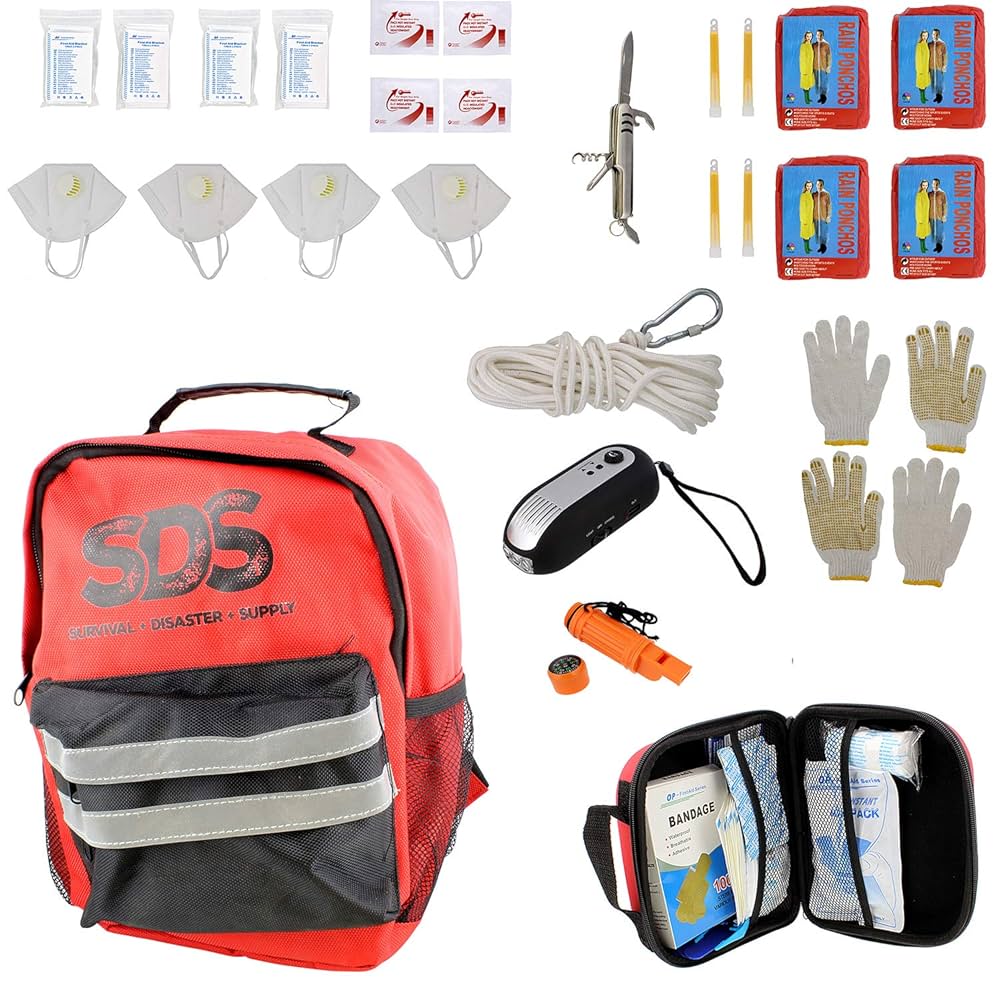
The smallest viable survival kit holds just what you need to stay alive. It covers the basics for water, food, shelter, and health. Each item should be lightweight and easy to carry. Prioritize tools that serve multiple purposes. This kit is about being ready for emergencies with minimum gear.
Water And Hydration Tools
Water is the top priority in survival. Carry a small water bottle or collapsible container. Include a water filter or purification tablets to make water safe. A lightweight metal cup can help boil water for extra safety. Staying hydrated keeps energy and focus sharp.
Food And Nutrition Basics
Choose compact, high-energy food that lasts long. Examples include energy bars, nuts, and dried fruits. Avoid bulky or perishable items. A small, durable container for food storage helps keep supplies clean. Eating enough calories supports strength and endurance.
Shelter And Warmth
Protection from the elements is crucial. Pack a compact emergency blanket or bivvy sack. A lightweight tarp or poncho can provide shelter and rain protection. Include a small bundle of fire starters like waterproof matches or a fire steel. Fire offers warmth, comfort, and safety.
First Aid Supplies
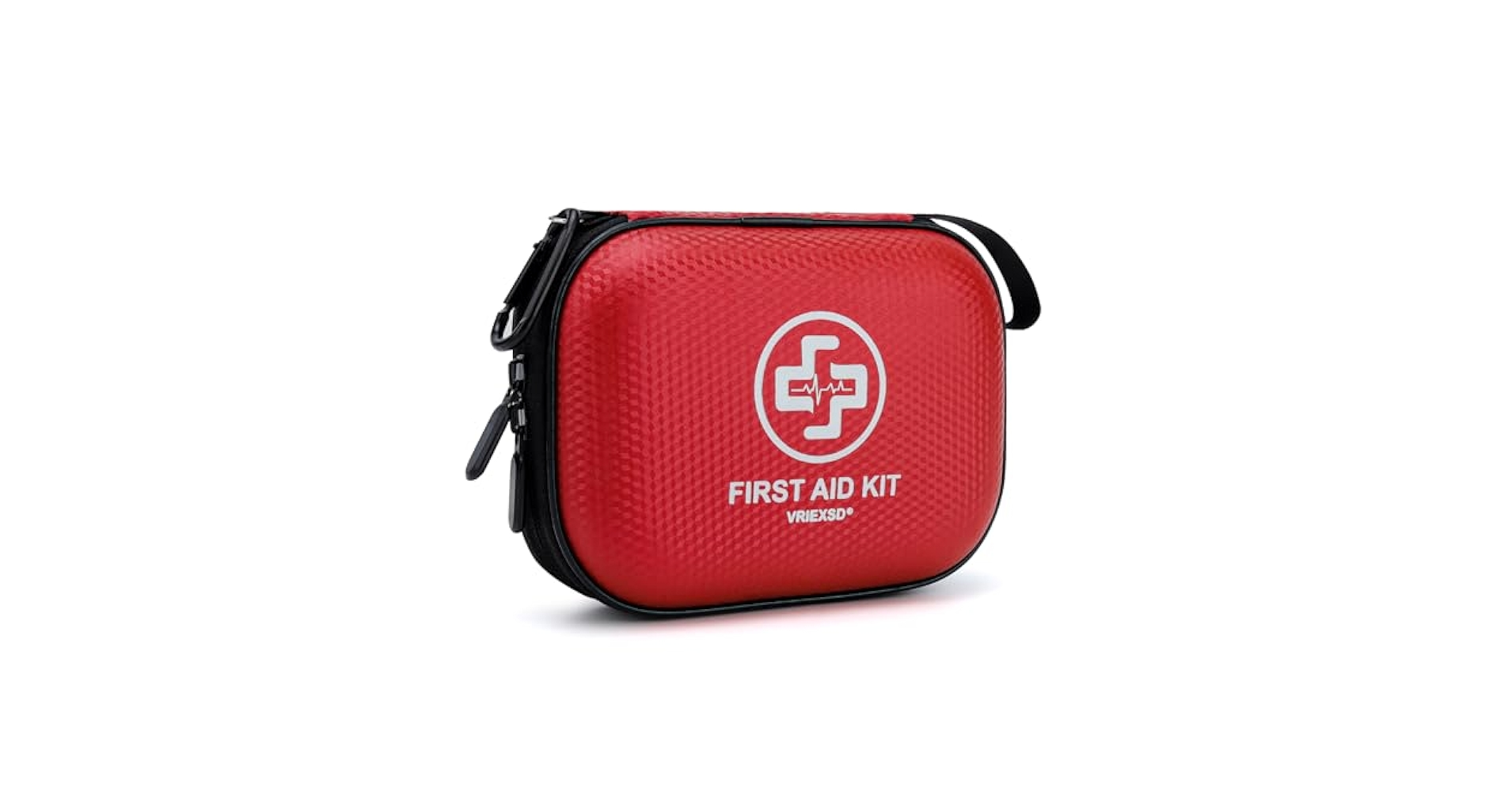
Basic first aid items help treat minor injuries. Carry adhesive bandages, antiseptic wipes, and antibiotic ointment. Include pain relievers and any personal medication. A small pair of tweezers and scissors can be useful. Keep the kit organized and easy to access.
Compact Tools And Gear
When you’re building the smallest viable survival kit, every item counts. Compact tools and gear must balance functionality with size. You want items that can handle multiple tasks without weighing you down or taking up too much space.
Multi-tools And Knives
A good multi-tool combines several functions into one compact device. Look for tools with pliers, screwdrivers, and a knife blade. A sharp, reliable knife is essential—choose one that’s sturdy but small enough to carry comfortably.
Think about how often you might need to cut rope, open cans, or fix gear. I once relied on a multi-tool to repair a broken zipper on a cold night, and it saved me from a tough situation. Can you imagine carrying separate tools for each task? It just wouldn’t fit.
Fire Starting Equipment
Fire is vital for warmth, cooking, and signaling. Compact fire starters like ferro rods or waterproof matches are lightweight and reliable. Avoid bulky lighters that can run out of fuel or fail in wet conditions.
Try carrying a small container with cotton balls soaked in petroleum jelly—they’re excellent tinder that lights quickly. What’s your backup plan if your primary fire starter gets wet or lost? Having a secondary option in a tiny package can make all the difference.
Navigation Aids
Even in the smallest survival kit, you need to know where you are. A compact compass fits easily into any pack or pocket. It’s a simple, mechanical tool that never runs out of power.
Adding a small, folded map of your area can be a lifesaver. GPS devices are great but depend on batteries. Have you tested your navigation aids in different weather or light conditions? Knowing how to use them without electronics keeps you safer.
Light Sources
Light is crucial after dark for safety and tasks. Small LED flashlights or headlamps provide bright, efficient light. Choose models with long battery life and a compact design.
Remember to pack extra batteries or consider rechargeable options. I once found myself navigating a tricky trail at night with only a tiny headlamp—it was enough to keep me on track. What’s your plan if your light source fails unexpectedly?
Clothing And Protection
Clothing and protection form the backbone of any smallest viable survival kit. Your body’s ability to maintain temperature and avoid injury can mean the difference between discomfort and danger. Choosing the right clothing and protective items prepares you for sudden weather changes and unexpected hazards.
Weather-appropriate Clothing
Your clothing should match the environment you expect to encounter. Think layers—start with a moisture-wicking base layer to keep sweat away, add an insulating middle layer, and finish with a waterproof outer shell. This combination helps you adapt quickly to changes in temperature and weather.
Consider packing a compact rain jacket or windbreaker. These items don’t take much space but can protect you from hypothermia during unexpected storms. Have you ever been caught in rain without a jacket? That chill is something you want to avoid when survival is on the line.
Protective Gear
Protective gear in your survival kit isn’t just about comfort—it’s about safety. Include items like gloves, a hat, and sturdy footwear to prevent injuries. Gloves protect your hands from cuts and blisters when handling rough materials or building shelter.
A wide-brimmed hat shields your face and neck from sunburn or cold wind. Durable boots or shoes that support your ankles reduce the risk of sprains on uneven terrain. Think about the last time you slipped or got a blister—protecting your body helps you keep moving when it counts most.
Emergency Blankets
Emergency blankets are small but incredibly effective. They reflect body heat back to you, making them essential if your clothing isn’t enough to keep you warm. These blankets are lightweight and take up almost no space, perfect for a minimalist kit.
Besides warmth, emergency blankets can shield you from wind and rain or serve as a makeshift shelter. Have you packed one before? It’s surprising how such a thin sheet can provide comfort and protection when temperatures drop suddenly.

Credit: unchartedsupplyco.com
Packing Tips For Minimalism
Packing a smallest viable survival kit means carrying only what truly matters. Every item should serve a clear purpose. The goal is to reduce weight and bulk while staying prepared. Minimalism in survival gear helps you move faster and stay focused. Smart packing makes a big difference in emergencies and outdoor adventures.
Choosing Lightweight Items
Pick gear made from light materials like aluminum and titanium. Avoid heavy metals or bulky plastics. Small size does not mean weak quality. Many lightweight items are strong and reliable. Prioritize compact tools that fit easily in your bag. Every ounce saved adds up to better mobility.
Multi-purpose Gear
Choose items that serve more than one function. A knife with a built-in fire starter saves space. A bandana can be a sling, towel, or sun shield. Think about items that cover several needs at once. This reduces the total number of tools you carry. Multi-purpose gear keeps your kit efficient and versatile.
Organizing Your Kit
Use small pouches or zip-lock bags to separate items. Keep first aid, fire-starting, and food tools in different compartments. This saves time when you need something fast. Arrange items by priority and frequency of use. A well-organized kit prevents frustration and wasted effort.
Customizing Kits For Different Scenarios
Customizing your smallest viable survival kit means tailoring it to fit the specific challenges of where you might find yourself. The items you carry for city life differ from those needed in the wilderness or stranded in your car. Knowing what to prioritize helps you stay prepared without overpacking.
Urban Survival Kits
In an urban setting, your kit should focus on quick access and discreetness. Think about essentials like a small flashlight, a multitool, and a compact first aid kit. Adding a whistle or pepper spray can help in personal safety situations unique to crowded environments.
Don’t forget to include a portable phone charger and a list of emergency contacts. You might not need water purification tablets here, but having a face mask and hand sanitizer is smart. How would you handle a sudden power outage or public transportation shutdown?
Wilderness Survival Kits
When heading outdoors, your kit needs to cover shelter, fire, and water. A reliable fire starter, a compact emergency blanket, and water purification tablets become critical. Also, include a small knife and fishing line for food gathering.
Navigation tools like a compass or map can’t be overlooked. Carrying a whistle for signaling might save your life if you get lost. Think about your last outdoor trip—did you have everything to stay safe overnight?
Car Emergency Kits
Your car kit should prepare you for breakdowns and unexpected weather. Include jumper cables, a tire repair kit, and a flashlight with extra batteries. Warm clothes or a thermal blanket are vital if you get stranded in cold conditions.
Non-perishable snacks and bottled water keep you going if help is delayed. A basic first aid kit and a multitool also come in handy. Have you checked your car kit lately to see if it matches the season and local risks?

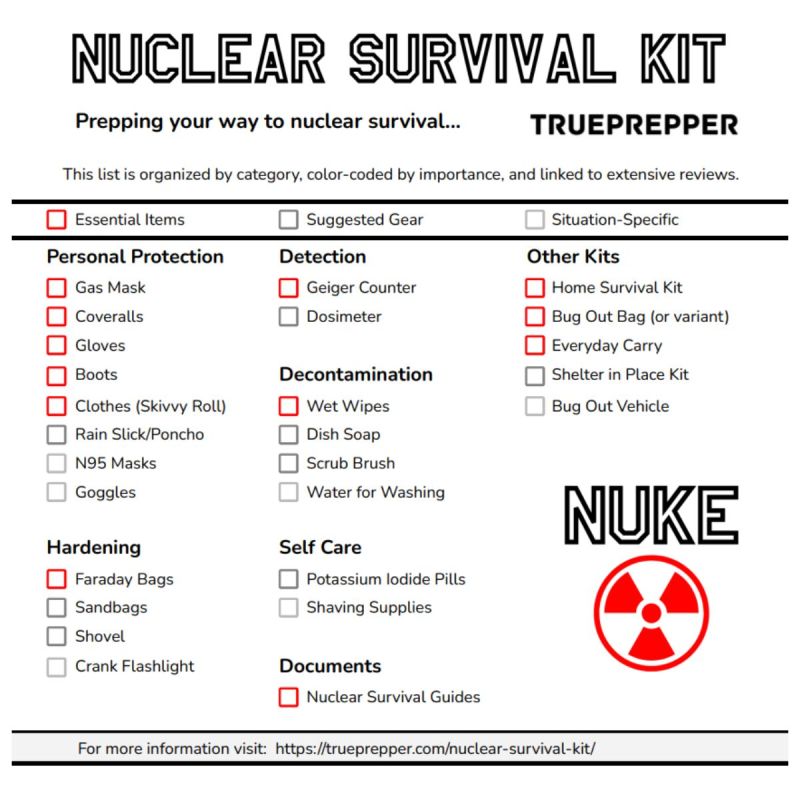
Credit: trueprepper.com
Maintaining And Updating Your Kit
Maintaining and updating your smallest viable survival kit is just as important as assembling it. A kit left unchecked can fail you when you need it most. Regular care ensures every item remains functional and relevant to your current needs.
Regular Inspection
Set a reminder to check your kit every few months. Look for signs of wear or damage like rusted tools or torn packaging. Testing items such as flashlights or fire starters helps confirm they still work.
Don’t overlook the container itself—make sure it’s waterproof and secure. A cracked box or bag could expose your supplies to moisture or dirt. How often do you think about the state of your survival gear before an emergency?
Replacing Expired Items
Food, medication, and water purification tablets have expiration dates that matter. Consuming expired items can be unsafe or ineffective in a crisis. Keep a list of these items and swap them out as they approach their expiry.
Replacing items doesn’t mean buying new everything at once. Rotate your supplies by using older items in regular life and replenishing the kit with fresh ones. This approach saves money and keeps your kit fresh.
Adapting To Seasonal Changes
Your survival needs shift with the seasons. In winter, add hand warmers and extra insulation. Summer might require more water purification tablets and sun protection.
Consider local weather patterns and potential hazards that vary throughout the year. Adjusting your kit ensures you’re prepared for the specific challenges each season brings. What items would you add or remove right now based on the weather where you live?

Credit: trueprepper.com
Frequently Asked Questions
What Items Are Essential In A Survival Kit?
A survival kit should include a multi-tool, a fire starter, a whistle, a small flashlight, a basic first aid kit, and water purification tablets. These items help address basic needs like shelter, water, and signaling for help.
How Compact Can A Survival Kit Be?
A survival kit can be as compact as a small pouch or tin. It should fit in your pocket or a small backpack compartment. Prioritize lightweight, multi-functional items to ensure you carry all essentials without unnecessary bulk.
Why Is A Whistle Important In A Survival Kit?
A whistle is a crucial signaling device in a survival situation. It can help rescuers locate you quickly by sound. Whistles carry sound farther than a human voice, especially in challenging environments like forests or mountains.
Can I Customize My Survival Kit?
Yes, you can customize your survival kit based on personal needs and environment. Consider climate, terrain, and specific activities when choosing items. Tailor the kit to include personal medications, extra clothing, or specialized tools.
Conclusion
A small survival kit can save your life in tough times. Carry only what you really need. Focus on items that help with shelter, water, fire, and first aid. Keep it light and easy to carry. Practice using your kit before an emergency happens.
Stay prepared, stay safe, and trust your skills. A simple kit can make a big difference.