Imagine being caught in an unexpected situation where help is hours or even days away. Would you have the right items to keep yourself safe and comfortable?
Your survival kit can make all the difference between feeling helpless and staying prepared. In this post, you’ll discover the essential things you absolutely need in your survival kit—items that could save your life. Keep reading to find out what you should never leave behind.
Basic Survival Tools
Basic survival tools form the foundation of any effective survival kit. These tools help you handle essential tasks like cutting, making fire, and securing safe water. Having reliable and easy-to-use tools increases your chance of staying safe in tough situations.
Choose tools that are durable and lightweight. Each item should serve a clear purpose. Focus on versatility and efficiency to keep your kit practical and easy to carry.
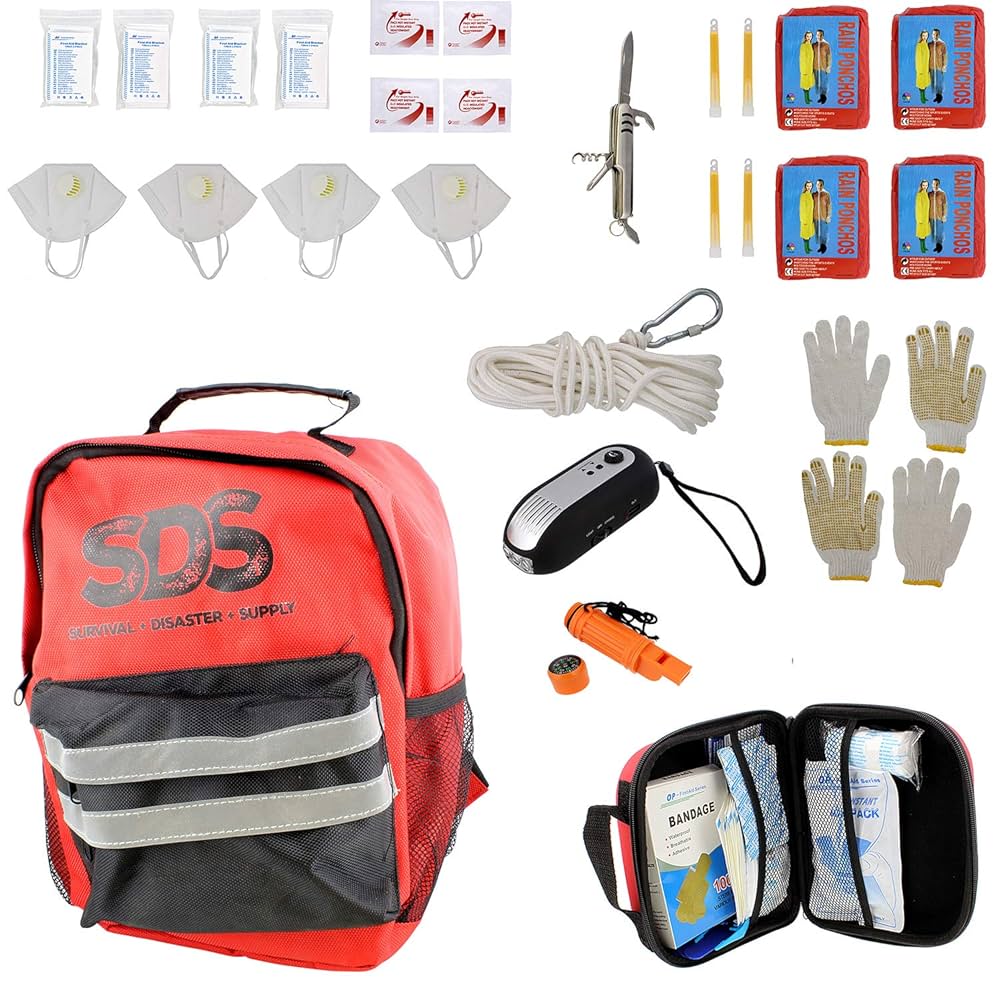
Multipurpose Knife
A multipurpose knife is one of the most important survival tools. It can be used to cut rope, prepare food, or build shelter. Look for a knife with a strong, sharp blade and a comfortable handle.
Knives with additional features like a serrated edge or a built-in fire starter add extra value. Always keep your knife clean and sharp for best performance.
Fire Starters
Fire starters help you create fire quickly and safely. Fire provides warmth, light, and a way to cook food. It also keeps wild animals away.
Common fire starters include waterproof matches, magnesium blocks, and flint rods. Pack more than one type to ensure you can start a fire in any weather.
Water Purification Methods
Safe drinking water is vital for survival. Water purification methods remove harmful bacteria and parasites. Carry portable water filters, purification tablets, or small boiling pots.
Filtering water removes dirt and debris, while tablets kill germs. Boiling water is the most reliable method but needs time and fuel. Combine methods for added safety.
Shelter And Warmth
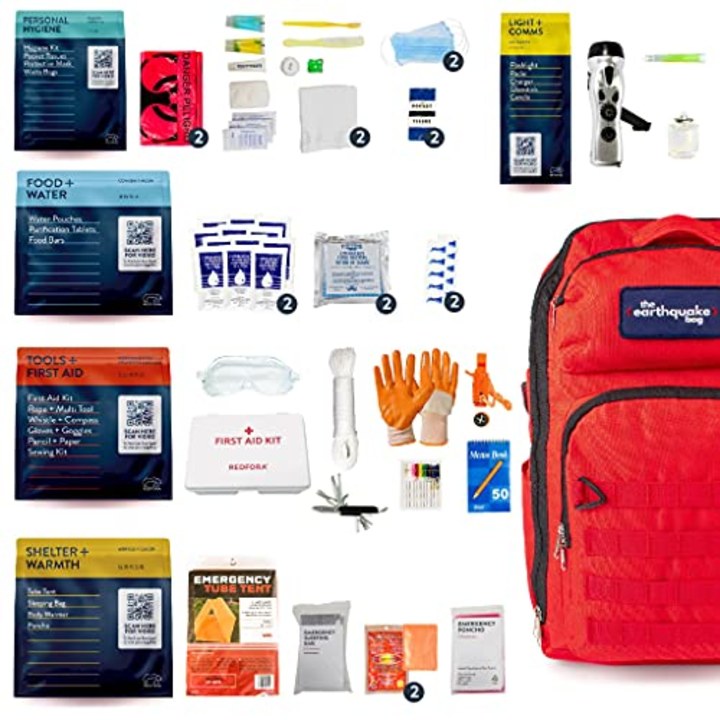
Shelter and warmth are vital in any survival situation. Protecting your body from cold and wet conditions keeps you alive. Exposure to harsh weather leads to serious health problems. A good survival kit should include items that offer reliable protection and warmth. These tools help maintain body heat and shield from wind, rain, and cold.
Compact Tents And Tarps
Compact tents provide quick, portable shelter in emergencies. They are light and easy to carry. Tents protect you from rain, wind, and insects. Tarps serve as versatile shelter options. They can cover a space or create a windbreak. Both tents and tarps fold small for easy storage. Carrying one in your survival kit is smart.
Emergency Blankets
Emergency blankets are thin, lightweight, and heat-reflective. They trap body heat and block wind. These blankets take up very little space. Use them to wrap around your body or line your shelter floor. Emergency blankets help prevent hypothermia in cold conditions. Keep at least one in every survival kit.
Insulating Clothing
Insulating clothing retains body heat even when wet. Wool and synthetic materials work best. Avoid cotton, as it holds moisture and cools the body. Layering clothes improves warmth and flexibility. Pack gloves, hats, and thermal socks. These items protect extremities from frostbite. Proper clothing is essential to stay warm outdoors.
Food And Nutrition
Food and nutrition are key to staying strong in any survival situation. Your body needs fuel to keep going. A well-stocked survival kit must include reliable food options. These items should last long and be easy to carry. Balanced nutrition supports energy, focus, and overall health.
Non-perishable Food Items
Non-perishable foods have long shelf lives and do not need refrigeration. They keep well in various weather conditions.
- Canned vegetables and fruits
- Dried beans and lentils
- Rice and pasta
- Freeze-dried meals
- Peanut butter
- Instant soups and noodles
These foods provide essential nutrients and calories. They help maintain energy without spoiling quickly.
Portable Cooking Gear
Portable cooking gear allows easy meal preparation anywhere. It keeps your food safe and warm.
- Compact camping stove
- Lightweight cookware
- Fuel canisters
- Fire starters
- Utensils and a small cutting board
Choose gear that fits in your kit and is simple to use. Efficient cooking saves time and energy.
Energy Bars And Supplements
Energy bars are compact and high in calories. They provide quick energy during tough times.
- Protein bars
- Granola bars
- Electrolyte tablets
- Vitamin supplements
Supplements help fill nutritional gaps. They boost stamina and support your immune system.

Credit: www.amazon.com
First Aid Essentials
Having a well-stocked first aid section in your survival kit can make all the difference during emergencies. It’s not just about treating injuries but also preventing infections and managing pain until professional help is available. You might think a few bandages are enough, but the right combination of items can keep you safe and comfortable in tough situations.
Basic Medical Supplies
Your first aid kit should include essentials that cover a variety of minor injuries. Bandages of different sizes, adhesive tape, gauze pads, and sterile wipes are fundamental. Don’t forget scissors and tweezers—they help remove splinters or cut tape precisely.
Adding a CPR face shield or mask is smart. It protects you while helping someone in respiratory distress. Think about what you might need if you had to treat cuts, scrapes, or burns right where you are.
Medications And Ointments
Stock up on pain relievers like ibuprofen or acetaminophen—they reduce pain and inflammation. Antihistamines are crucial if allergies strike unexpectedly. Also, include antibiotic ointments to prevent infections in wounds.
Remember to check expiration dates regularly and replace items as needed. Some people underestimate how quickly medications lose potency. Have a small thermometer and antiseptic solutions handy, too, for monitoring and cleaning wounds properly.
Personal Hygiene Items
Keeping clean can stop infections from worsening. Pack alcohol wipes, hand sanitizer, and disposable gloves to maintain hygiene when treating injuries. Clean hands protect both you and the injured person.
Consider adding a small mirror and a flashlight with extra batteries. They help you see and clean wounds in poor lighting. When was the last time you tried treating a cut in the dark? These tools can make a huge difference.
Navigation And Communication
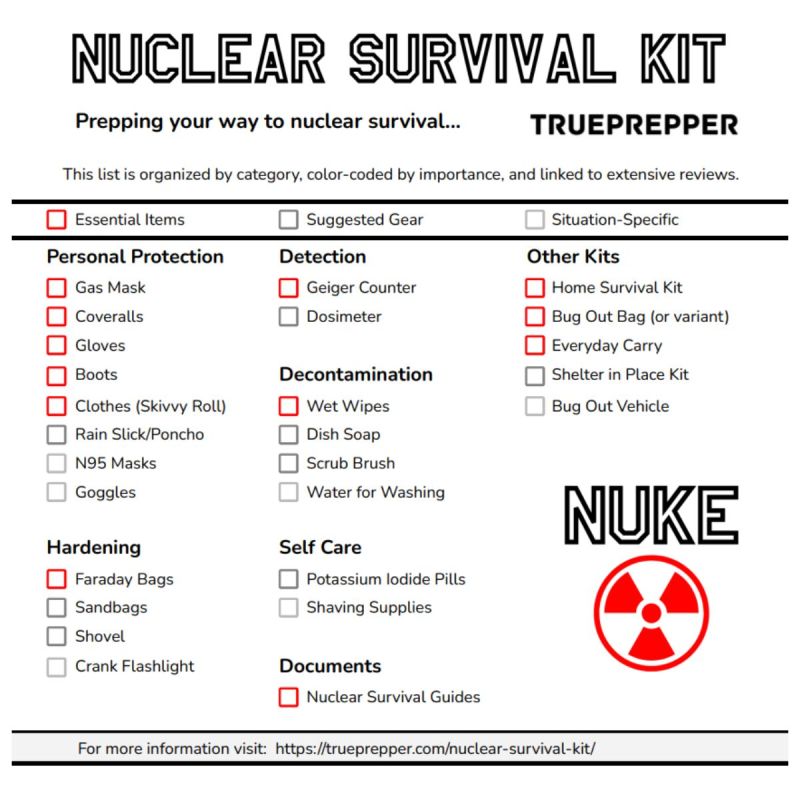
Navigation and communication tools are essential in any survival kit. They help you find your way and call for help when needed. Staying oriented prevents getting lost. Communicating increases your chances of rescue. These tools work together to keep you safe.
Maps And Compass
Maps show the terrain and landmarks around you. A compass points to magnetic north, helping you stay on course. Use both to navigate without power or signal. Paper maps do not need batteries. A compass is simple and reliable. Together, they guide you through unfamiliar areas.
Signal Devices
Signal devices attract attention and alert rescuers. Common tools include whistles, mirrors, and flares. A whistle’s loud sound carries far and uses little energy. A mirror can reflect sunlight to signal aircraft or distant people. Flares produce bright light visible at night. Carry several types for different situations.
Emergency Radios
Emergency radios receive weather alerts and rescue broadcasts. They keep you updated on dangerous conditions. Some radios have hand-crank or solar power options. This means no need for batteries or electricity. Radios with NOAA channels provide official warnings. Listening to alerts helps you plan your next move.

Credit: trueprepper.com
Light And Power Sources
Light and power sources are essential in any survival kit. They help you navigate dark environments, signal for help, and keep your devices running. Without reliable lighting and energy, even simple tasks become difficult and dangerous.
Flashlights And Headlamps
Flashlights and headlamps are your primary tools for illumination. A headlamp frees your hands, which is crucial when you need to build shelter or prepare food in the dark. Choose models with adjustable brightness and long battery life to stretch your light supply.
Think about the last time you were caught without light after sunset. How quickly did panic set in? A sturdy, waterproof flashlight can prevent that feeling. Keep at least one compact, powerful flashlight in your kit and test it regularly to ensure it works when you need it most.
Batteries And Chargers
Spare batteries are just as important as the devices themselves. You’ll want a variety of sizes, especially AA and AAA, since many survival gadgets use them. Store batteries in a cool, dry place to avoid loss of power over time.
Don’t forget chargers if you carry rechargeable devices. A portable USB charger can keep phones and radios alive during extended emergencies. Look for chargers that support multiple devices to reduce the bulk in your kit.
Solar Power Options
Solar chargers and panels offer a sustainable way to keep your gear powered when traditional electricity is unavailable. They are lightweight and can be folded into a backpack, making them easy to carry on long trips.
Imagine being off-grid for days with no power source—solar options can turn sunlight into a lifeline. Even small solar panels can charge phones, flashlights, and GPS devices enough to keep you connected and safe.
- Compact solar panels with USB ports
- Solar-powered lanterns
- Solar battery packs with built-in flashlights
Safety And Protection
Safety and protection are vital in any survival kit. These items help keep you safe from harm and illness. They prepare you for unexpected dangers. Without proper safety tools, surviving tough situations becomes harder.
Personal Defense Tools
Personal defense tools can protect you from threats. Choose items that are easy to carry and use. Some popular options include:
- Compact pepper spray
- Sturdy tactical flashlight
- Small folding knife
- Personal alarm devices
These tools offer peace of mind and quick defense in emergencies.
Protective Gloves And Masks
Gloves protect your hands from cuts, germs, and chemicals. Masks shield your lungs from dust, smoke, and harmful particles. Include these items to stay healthy and safe:
- Durable work gloves
- Disposable latex or nitrile gloves
- N95 or surgical masks
- Bandanas for dust protection
These basics prevent infections and injuries during survival tasks.
Emergency Whistles
Emergency whistles are simple but powerful tools. They help signal for help when you cannot shout. Whistles are loud and can be heard from far away. Keep one in your kit for quick alerts.
- Choose a whistle with a sharp, clear sound
- Attach it to your keychain or pack
- Practice using it to attract attention
Whistles improve your chances of rescue in emergencies.

Credit: m.youtube.com
Frequently Asked Questions
What Are Essential Items For A Survival Kit?
A survival kit should include water, non-perishable food, a first aid kit, flashlight, and multi-tool. These items ensure basic needs are met. Additionally, include a whistle, matches, and a map. These help in navigation and signaling for help. Regularly check expiration dates and functionality.
How Much Water Should Be In A Survival Kit?
Include at least one gallon of water per person per day. This amount covers basic hydration and hygiene needs. Plan for a minimum of three days. Store water in a cool, dark place. Consider water purification tablets for extended emergencies.
Why Is A First Aid Kit Crucial In A Survival Kit?
A first aid kit helps treat injuries and prevent infections. It provides essential supplies like bandages, antiseptics, and pain relievers. Quick access to these items can be lifesaving. Regularly update the kit to replace expired items.
Can I Include Canned Food In A Survival Kit?
Canned food is ideal for a survival kit due to its long shelf life. Choose nutrient-dense options like beans, vegetables, and meats. Ensure you have a manual can opener. Regularly check expiration dates and rotate stock to maintain freshness.
Conclusion
A good survival kit can save your life in tough times. Pack items that help you eat, drink, stay warm, and get help. Keep your kit ready and check it often. Small choices make a big difference when you need them.
Stay safe by being prepared today.