Imagine having a simple tool that can help you survive in the wild, catch food, and protect yourself—all packed into one easy-to-carry kit. That’s exactly what a slingbow survival kit offers.
If you want to be ready for anything, knowing how to make your own slingbow kit is a smart move. In this guide, you’ll discover the must-have items, how to assemble them, and tips to keep your kit effective. Keep reading, and you’ll be one step closer to mastering a skill that could make all the difference when it matters most.

Credit: m.youtube.com
Essential Slingbow Components
Building a slingbow survival kit starts with choosing the right parts. Each component plays a key role in its performance and durability. Good components make your slingbow reliable for hunting or defense.
Focus on three main parts: the frame, the bands, and the ammo. Each part must be strong and fit well together. Quality parts ensure better accuracy and power.
Choosing The Right Frame
The frame holds everything together. It must be sturdy but light. Wood, metal, and strong plastic are common frame materials.
- Wood offers natural grip and a classic look.
- Metal frames are durable and resist damage.
- Plastic frames are lightweight and easy to carry.
Check for smooth edges and a comfortable grip. The frame should feel steady in your hand for better control.
Selecting Strong Bands
Bands provide the power to shoot. Choose bands made from high-quality rubber or latex. They must stretch well but not break easily.
- Thicker bands give more power but need more strength to pull.
- Thin bands shoot faster but have less power.
- Double bands increase strength and speed.
Test the bands for elasticity and durability. Replace worn-out bands to keep your slingbow effective.
Picking Suitable Ammo
Ammunition affects accuracy and impact. Small, round stones or metal balls work well. Use ammo that fits the pouch tightly.
- Steel balls offer consistent weight and size.
- Clay or stone ammo is easy to find in nature.
- Practice with different ammo to see what works best.
Keep extra ammo in a secure pouch. This ensures you have shots ready when needed.
Basic Survival Tools To Include
Building a slingbow survival kit requires including essential tools for basic survival. These tools help you stay safe, find food, and make shelter. Choosing the right items keeps your kit light and effective. Focus on compact and multipurpose tools to save space.
Compact Knife Options
A reliable knife is vital in any survival kit. Choose a small, sharp knife with a fixed blade for strength. Folding knives can work but may break under heavy use. Look for knives with comfortable grips and easy maintenance. A sharp knife helps with cutting rope, preparing food, and making shelter.
Fire Starting Essentials
Fire is necessary for warmth, cooking, and signaling. Carry waterproof matches or a lighter for quick fire-starting. A ferrocerium rod lasts longer and works when wet. Include tinder like cotton balls or dry bark to ignite fire fast. Keep fire-starting tools in a waterproof container to protect them from moisture.
Water Purification Methods
Clean water prevents illness and dehydration. Include water purification tablets for easy treatment. Portable water filters remove bacteria and sediments. Boiling water is a reliable method if you have fire-starting tools. Carry a durable water container to store and transport purified water safely.
Building A Durable Carrying Case
Building a durable carrying case is essential for keeping your slingbow survival kit organized and protected. It ensures your tools stay safe from the elements and are easy to access when you need them most. A good case balances strength with comfort, letting you carry your gear without hassle.
Material Choices
Choose materials that resist wear and tear but remain lightweight. Heavy-duty nylon or canvas offers excellent durability and water resistance. Consider adding a waterproof lining to protect your gear from moisture during unexpected rain or river crossings.
Think about abrasion resistance too—your case might rub against rocks or branches. Adding reinforced stitching or extra padding at stress points can extend its lifespan. What materials have you found survive the toughest outdoor conditions?
Organizing Compartments
Divide your case into sections to keep your gear tidy and accessible. Use zippered pouches or elastic loops to hold small items like extra bands, arrows, or fire starters securely. This prevents everything from shifting and getting tangled during movement.
Label or color-code compartments so you can quickly grab what you need, especially under pressure. Having everything in its place saves time and reduces frustration when survival depends on speed. How could you arrange your compartments to match your typical survival scenarios?
Comfort And Portability
Your carrying case should feel comfortable even after hours of use. Adjustable shoulder straps with padding help distribute weight evenly and reduce strain. If you prefer hands-free options, consider a compact backpack or sling-style bag that allows quick access without removal.
Don’t overlook ventilation; breathable mesh sections prevent sweat buildup and keep your back dry. Test different carrying styles during your outdoor trips to find what fits your body and movement best. How does your current setup affect your mobility and readiness?

Credit: www.youtube.com
Safety Gear And Protection
Safety is the top priority when building a slingbow survival kit. Proper gear protects your body and keeps you ready for any situation. This section highlights essential safety equipment. Focus on protecting your eyes, hands, and having basic first aid supplies. These items reduce injury risks during use and improve your overall survival chances.
Eye Protection
Protect your eyes from flying debris and slingback recoil. Use safety glasses or goggles made from impact-resistant material. Wraparound styles offer the best coverage. Clear lenses work well in low light. Dark lenses reduce glare in bright sunlight. Keep your eye protection clean and scratch-free for clear vision.
Hand Guards
Hand guards shield your hands from friction and slingshot bands. Choose gloves with durable, flexible material. Leather or synthetic gloves work well. Ensure a snug fit to maintain finger sensitivity. Protect both your shooting hand and the hand holding the slingbow. Hand guards prevent blisters and cuts during extended use.
First Aid Basics
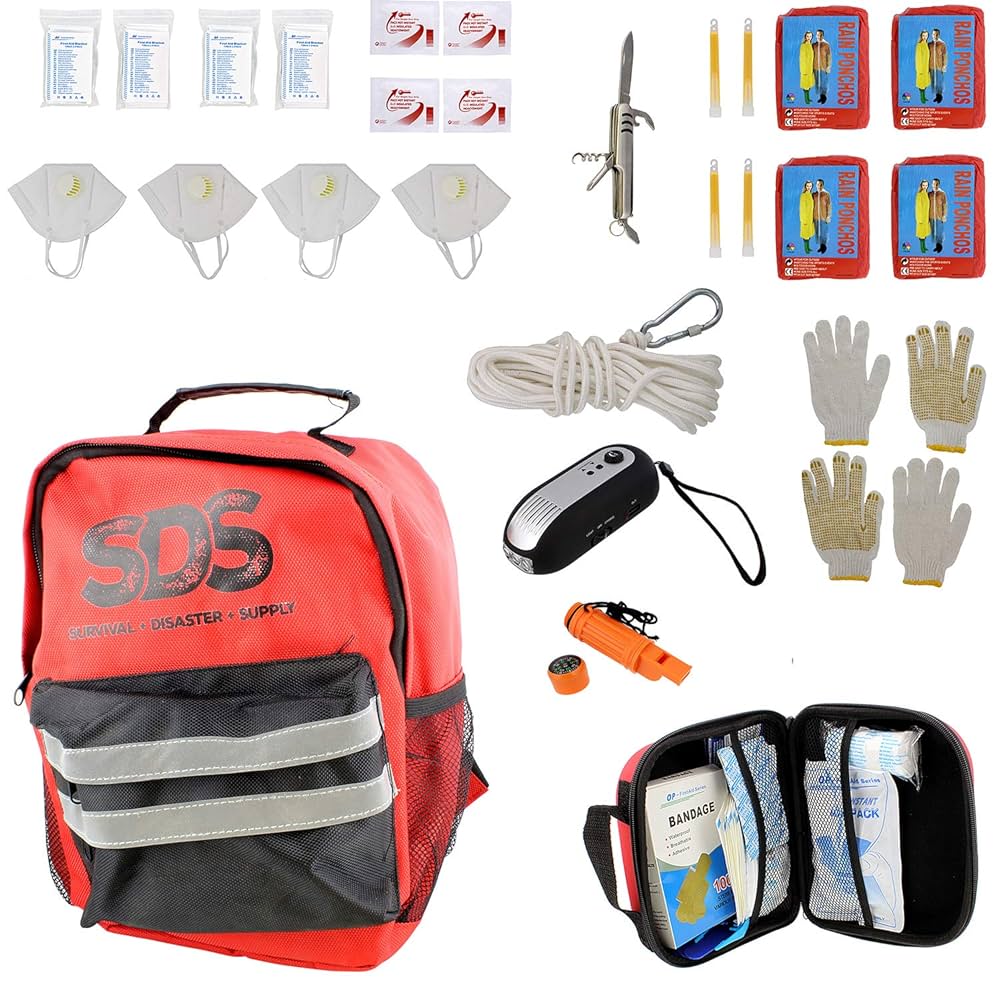
Include a compact first aid kit in your survival gear. Pack essentials like bandages, antiseptic wipes, and adhesive tape. Add pain relievers and tweezers for splinter removal. Learn basic wound cleaning and dressing techniques. Quick treatment helps prevent infections and speeds recovery. Keep the kit waterproof and easy to access.
Maintenance And Repair Items
Keeping your slingbow in top shape means having the right maintenance and repair items ready. These essentials help you fix issues quickly, so you never miss a critical shot or practice session. Think about times when a snapped band or a dirty tool slowed you down—having these items solves those problems fast.
Band Replacement Kits
Your slingbow’s bands wear out with use. Carrying a replacement kit lets you swap old bands immediately, so you maintain full power and accuracy. These kits usually include various band sizes, extra pouches, and instructions to help you choose the right fit.
Imagine being deep in the wild and your band snaps. Without a replacement, your slingbow is useless. A compact kit fits easily in your survival bag, making sure you’re always prepared.
Tool Cleaning Supplies
Keeping your slingbow clean boosts performance and extends its life. Include small brushes, microfiber cloths, and mild cleaning solutions in your kit to remove dirt and grime from tight spots. Clean tools also prevent rust and wear, which can silently degrade your slingbow over time.
Think about how dirt buildup affected your accuracy last time you shot. Regular cleaning with proper supplies ensures consistent shots every time you pull the trigger.
Emergency Fix Materials
Quick fixes can save your slingbow in unexpected situations. Pack strong adhesive tapes, super glue, small zip ties, and extra screws to handle sudden breaks or loose parts. These materials let you patch up your slingbow until you can perform a full repair.
Have you ever been stuck without a way to fix a loose component during a crucial moment? Emergency fix items keep your slingbow functional when you need it most.
Packing Tips For Efficiency
Packing your slingbow survival kit efficiently can make a huge difference when every second counts. It’s not just about stuffing items into a bag but organizing them so you can find and use what you need without wasting time or energy. Let’s look at how smart packing can improve your readiness and comfort in the wild.
Weight Distribution
Think about how your pack feels on your back. Uneven weight can cause fatigue and slow you down. Place heavier items like your slingbow and ammo closer to your spine and center of gravity.
Lighter gear should go towards the outside and top of the pack. This balance helps keep you stable on rough terrain. Ask yourself: does this setup let me move quickly without straining my shoulders or back?
Accessibility Priorities
Keep the things you need most often within easy reach. Your slingbow, extra bands, and a small first aid kit should be near the top or in external pockets. Avoid digging deep into your pack when time is critical.
Group related items together to save time. For example, keep all shooting accessories in one pouch. This way, you won’t waste precious minutes hunting for a single piece of gear when tension is high.
Weatherproofing Techniques
Protect your slingbow and supplies from rain, dust, and humidity. Use waterproof bags or dry sacks inside your pack to keep moisture out. Even a simple plastic bag can prevent damage to sensitive items.
Consider adding silica gel packs to reduce moisture buildup. Think about the last time your gear got wet—could you access it quickly and still trust it to work? Preparing for wet conditions can keep your kit reliable when you need it most.
Practice And Skill Development
Practice is key to using a slingbow effectively. Skill grows with regular and focused training. Building muscle memory helps you react quickly in survival situations. Sharpening your aim and handling improves your confidence and success rate. Keep sessions short but consistent to maintain interest and progress.
Slingbow Handling Drills
Start with basic drills to get comfortable with your slingbow. Practice drawing the sling smoothly and holding it steady. Work on your grip and stance for better control. Try quick release exercises to improve firing speed. Use dry firing (without ammo) to build muscle memory safely.
Target Practice Ideas
Set up simple targets like cans or paper sheets at different distances. Use a variety of target sizes to challenge your accuracy. Change the shooting angle to simulate real conditions. Track your hits and misses to notice progress. Try timed sessions to improve speed under pressure.
Survival Scenario Training
Create situations that mimic real-life survival needs. Practice shooting while moving or from awkward positions. Use natural cover like bushes or rocks to practice stealth shots. Simulate hunting or defense tasks to prepare for emergencies. Reflect on each session to identify areas for improvement.

Credit: grimworkshop.com
Frequently Asked Questions
What Is A Slingbow Survival Kit?
A slingbow survival kit is a compact set of tools. It includes a slingbow for hunting and survival purposes. This kit often contains additional items like arrows, a first aid kit, and survival gear. It’s designed for outdoor enthusiasts and survivalists to have essential tools in a portable package.
How Do I Make A Slingbow?
To make a slingbow, start with a strong slingshot frame. Attach a whisker biscuit to hold arrows. Ensure the bands are durable and can handle arrows. You can use paracord for stability. Test your slingbow for accuracy and safety before using it in survival situations.
What Materials Are Needed For A Slingbow?
You’ll need a slingshot frame, a whisker biscuit, and strong bands. Paracord is useful for added stability. Arrows are essential for the slingbow’s functionality. Additionally, a basic toolkit will help with assembly. Ensure all materials are durable and suitable for outdoor use.
How Effective Is A Slingbow For Survival?
A slingbow is highly effective for hunting small to medium game. It provides a quiet, stealthy option compared to firearms. It’s portable and easy to use in various environments. Proper practice enhances accuracy and efficiency. It serves as a reliable tool in survival situations.
Conclusion
Building a slingbow survival kit helps you stay ready for emergencies. Keep your kit simple and light. Choose tools that are useful and easy to carry. Practice using your slingbow often to improve your skills. Check your kit regularly and replace old items.
Being prepared gives you peace of mind and confidence. A good survival kit can make a big difference. Start assembling yours today and stay safe outdoors.