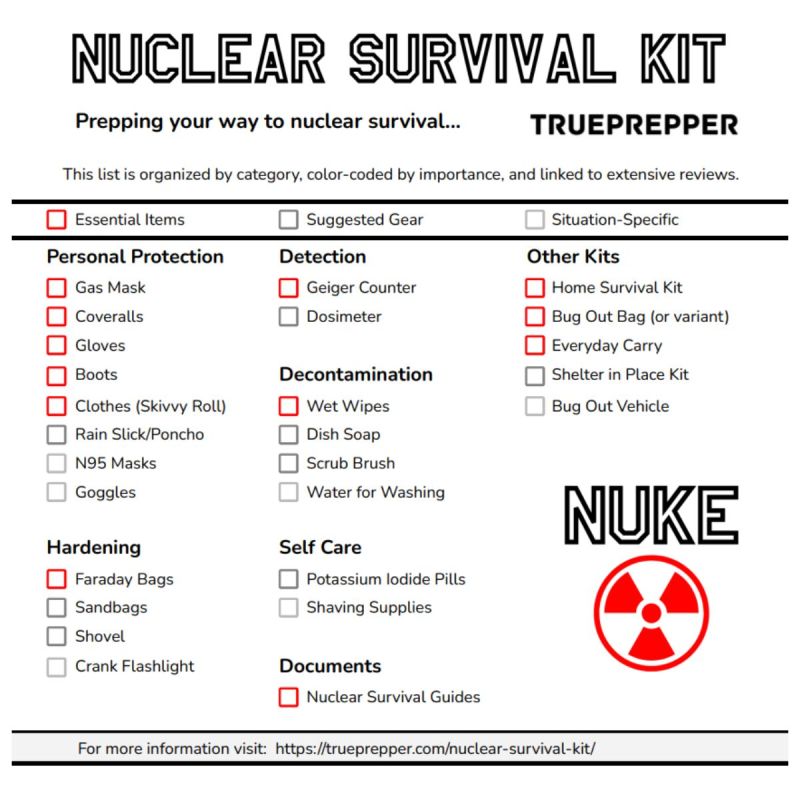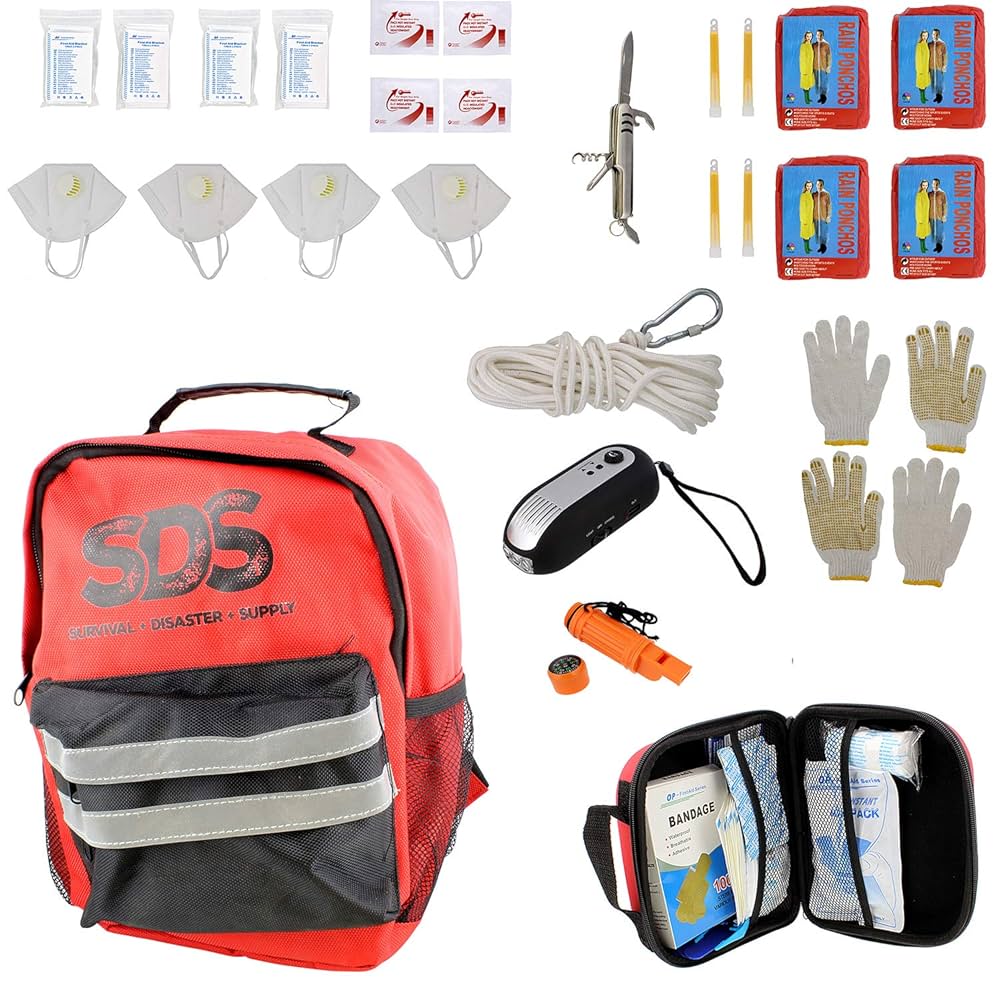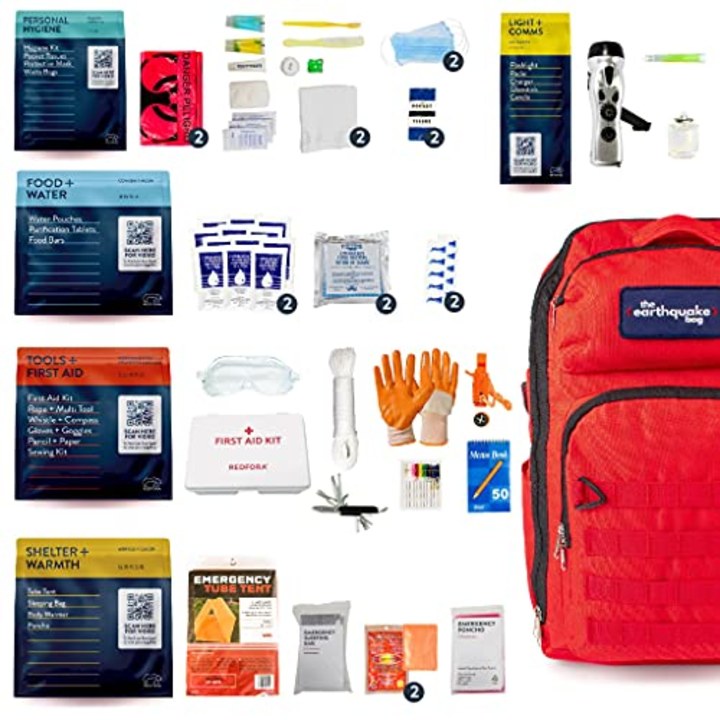
When disaster strikes, will you be ready? Having a natural disaster survival kit can make all the difference between staying safe and facing serious risks.
But what exactly should you include in your kit? You want to be prepared without overpacking or missing essential items. This guide will help you build a survival kit that meets your needs, keeps you safe, and gives you peace of mind when every second counts.
Keep reading to discover the must-have items you can’t afford to overlook.
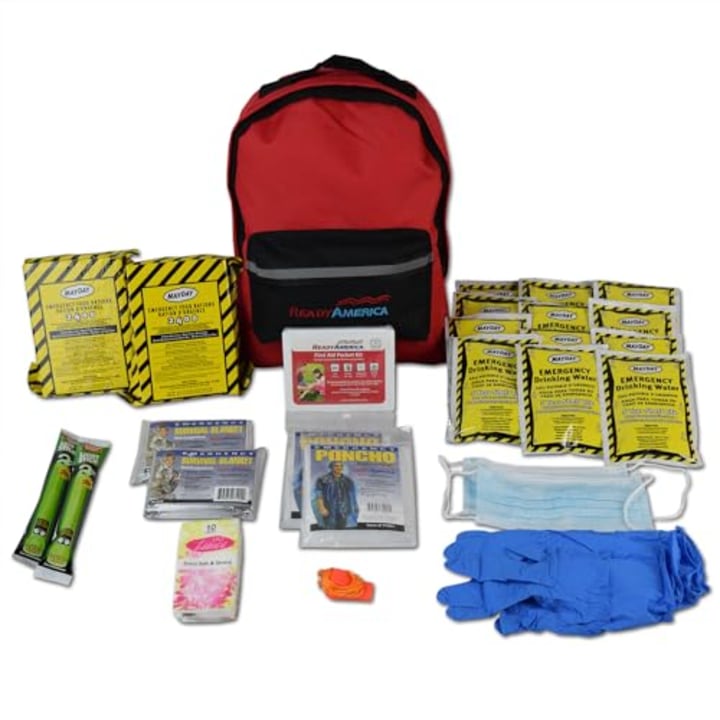
Credit: www.nbcnews.com
Basic Supplies
A natural disaster survival kit needs essential basic supplies. These items help you stay safe and comfortable. They support you during emergencies when help might take time to arrive.
Focus on items that cover hydration, nutrition, and first aid. These are the foundation of any good survival kit. Keep these supplies ready and easy to access at all times.
Water And Hydration
Water is the most critical survival item. Each person needs at least one gallon of water daily. Store water in clean, sealed containers. Consider water purification tablets or filters. They help make unsafe water drinkable. Keep extra bottles in case of long emergencies.
Non-perishable Food
Choose food that lasts without refrigeration. Canned goods, dried fruits, nuts, and energy bars work well. Pick items rich in calories and nutrients. Avoid foods that need cooking or lots of water. Rotate your food supplies every six months to keep them fresh.
First Aid Materials
A first aid kit must be part of your survival supplies. Include bandages, antiseptic wipes, and antibiotic ointments. Pack pain relievers and allergy medicine. Add scissors, tweezers, and medical tape. Learn basic first aid skills to use these supplies effectively.
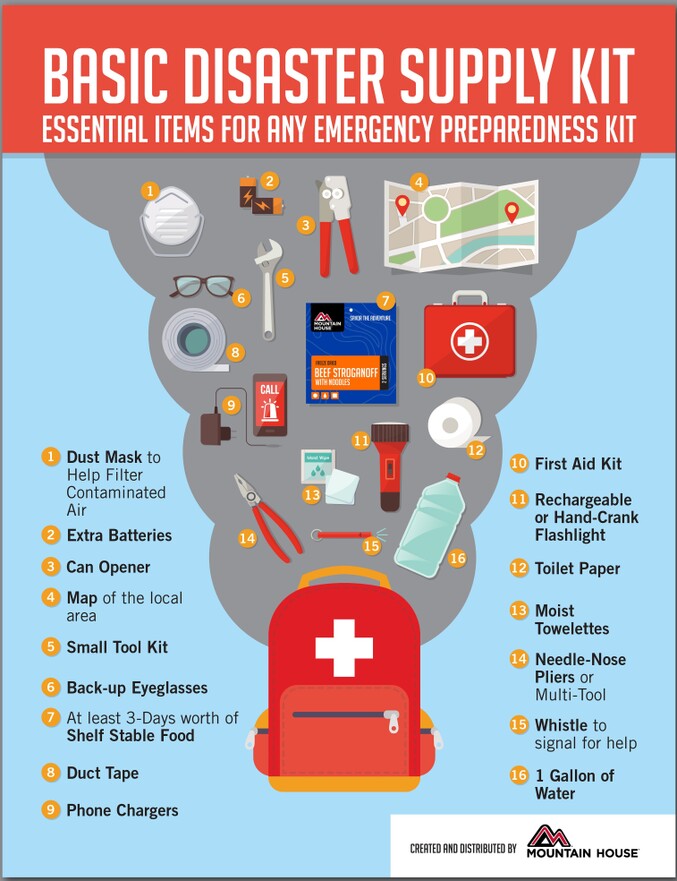
Credit: www.vermont211.org
Tools And Equipment
Tools and equipment are essential in a natural disaster survival kit. They help you handle many situations with ease. Choosing the right tools can save time and effort during emergencies. Focus on items that are practical, durable, and easy to use.
These tools aid in tasks like cutting, lighting, and communication. They increase your chances of staying safe and connected. Pack items that serve multiple purposes to keep your kit light and efficient.
Multi-tool And Knife
A multi-tool combines many functions in one small device. It usually includes pliers, screwdrivers, scissors, and knives. This tool helps with repairs, food preparation, and first aid. A sturdy knife is also vital for cutting rope or fabric. Choose tools with strong, rust-resistant materials for long-lasting use.
Flashlights And Batteries
Flashlights provide crucial light during power outages and dark conditions. LED flashlights last longer and use less battery power. Always pack extra batteries to keep your flashlight working. Consider a hand-crank or solar-powered flashlight for unlimited use. A bright, reliable light source improves safety and visibility.
Emergency Radio
An emergency radio keeps you informed during disasters. It receives weather updates, alerts, and news without needing the internet. Look for radios with multiple power options like batteries, solar, and hand crank. Some radios also have built-in flashlights and phone chargers. Staying updated helps you make smart decisions quickly.
Shelter And Warmth
Having reliable shelter and ways to stay warm can make a huge difference in a natural disaster. Your survival kit should include items that protect you from harsh weather and help maintain your body heat. Think about situations where you might be stuck outdoors or in an unstable building—are you prepared to stay safe and comfortable?
Blankets And Sleeping Bags
Blankets and sleeping bags are lifesavers when temperatures drop. Opt for thermal or emergency mylar blankets—they are lightweight and can retain heat effectively. A good sleeping bag designed for cold weather can keep you warm even if the electricity goes out for days.
Remember, having multiple layers helps trap heat better than just one thick blanket. Carrying compact, easy-to-pack options saves space in your kit. Have you ever tried surviving a chilly night without proper insulation? It’s uncomfortable and dangerous.
Tents And Tarps
A sturdy tent provides a reliable shelter from wind, rain, and debris. Choose one that is quick to set up and weather-resistant. If a tent is too bulky for your kit, tarps offer versatile protection—you can use them as a ground cover, overhead shelter, or even a makeshift rain catcher.
Consider a tarp’s size and material; thicker tarps last longer and resist tearing. You can also use ropes or paracord to secure it tightly. In an emergency, a well-placed tarp can be your shield against the elements.
Clothing And Rain Gear
Clothing plays a critical role in keeping you warm and dry. Pack layers that include moisture-wicking base layers, insulating mid-layers, and waterproof outer layers. Rain gear like jackets and pants prevents you from getting soaked, which can rapidly lower your body temperature.
Don’t forget extras like hats, gloves, and socks—small items that add up in comfort and protection. Have you considered how wet clothes could impact your ability to stay warm? Dryness is often more important than thickness when it comes to survival clothing.
Personal Items
Your personal items in a natural disaster survival kit can make a huge difference in how smoothly you manage an emergency. These are the things that keep you connected, comfortable, and ready to prove who you are when circumstances get tough. Think beyond just food and water—your survival kit should include items that protect your identity and maintain your hygiene.
Important Documents
Imagine losing your home and not having access to your vital papers. Important documents like birth certificates, passports, medical records, and insurance papers should be stored in a waterproof, portable folder. Keeping digital copies on a secure USB drive or cloud storage adds an extra layer of security.
Have you ever tried to replace a lost document during a crisis? It’s frustrating and time-consuming. Packing these papers ahead of time saves you headaches later.
Cash And Identification
During disasters, ATMs and card machines often stop working. Having cash on hand allows you to buy essentials when electronic payments fail. Carry small bills and coins for easier transactions.
Don’t forget your ID cards like driver’s license or state ID. They’re essential for accessing shelters, proving your identity, and receiving aid. Keep these items in a secure but accessible spot in your kit.
Hygiene Products
Staying clean can prevent illness and boost your morale in difficult times. Pack essentials like toothbrushes, toothpaste, soap, hand sanitizer, feminine hygiene products, and wet wipes.
Think about what you personally need to feel fresh and comfortable. Even small things like lip balm or deodorant can make a big difference when you’re on the move or in a crowded shelter.
Communication And Navigation
Communication and navigation tools are essential in a natural disaster survival kit. They help you signal for help, find your way, and stay connected when traditional systems fail. Without these, you could easily become lost or isolated, which can turn a tough situation into a dangerous one.
Whistles And Signal Mirrors
A whistle is a simple, lightweight tool that can carry sound much farther than your voice. In an emergency, blowing a whistle in short bursts can attract rescuers’ attention without tiring you out. Signal mirrors are equally important; they reflect sunlight to create a bright flash visible from miles away.
These items don’t rely on batteries, so they work even if power is out. Have you ever tried shouting for help only to lose your voice? A whistle gives you a way to communicate without using energy.
Maps And Compass
GPS devices might fail when signals drop or batteries die. That’s why a detailed paper map and a reliable compass are crucial. They allow you to navigate unfamiliar terrain and find safe routes to shelter or rescue points.
Make sure you know how to use them before an emergency happens. Could you read a map in the dark or use a compass without internet? Practicing these skills gives you confidence when you need it most.
Mobile Phone Chargers
Your phone is a powerful communication tool, but only if it stays charged. Include portable chargers or power banks in your kit to extend your phone’s battery life. Solar chargers offer a renewable option when electricity is unavailable.
Keep cables and adapters organized, so you can charge multiple devices quickly. How would you call for help if your phone died halfway through an evacuation? Having backup power keeps you connected to emergency services and loved ones.
Special Considerations
Special considerations are vital for a survival kit to meet everyone’s needs. Natural disasters affect people differently. Some require unique items to stay safe and comfortable. Preparing for these needs can save lives and reduce stress.
Medications And Prescriptions
Keep a supply of essential medications in your kit. Include prescription medicines for chronic conditions. Store extra doses in a waterproof container. Bring copies of prescriptions and a list of medicines. This helps if you need refills or medical care.
Items For Children And Pets
Children need comfort items like favorite toys or blankets. Pack baby formula, diapers, and wipes for infants. Include child-friendly snacks and drinks. For pets, add food, water, and a leash. Bring any pet medications and vaccination records.
Tools For Disabilities
Survival kits must include tools for people with disabilities. Pack hearing aids with extra batteries. Include mobility aids like canes or small folding wheelchairs. Add communication devices if needed. Ensure the kit fits individual needs for quick access.

Credit: www.amazon.ca
Frequently Asked Questions
What Essentials Are In A Survival Kit?
A natural disaster survival kit should include water, non-perishable food, a first-aid kit, flashlight, batteries, and a whistle. Don’t forget to pack personal documents, medications, and a multi-tool. These essentials ensure basic needs are met and can provide safety and security during an emergency situation.
How Much Water Is Needed For A Survival Kit?
Store at least one gallon of water per person per day. This amount should cover drinking and sanitation needs. Plan for at least a three-day supply. Proper hydration is essential during a crisis to maintain health and energy levels. Consider water purification tablets as an additional precaution.
Why Include A Whistle In A Survival Kit?
A whistle is crucial for signaling for help during emergencies. It’s a simple yet effective tool to alert rescuers of your location. Unlike shouting, a whistle can be heard over long distances and uses less energy. It’s a small, lightweight addition to any survival kit.
Should I Include Cash In A Survival Kit?
Yes, include small bills and coins in your survival kit. In a disaster, ATMs and card machines might not work. Cash ensures you can purchase necessary supplies or services. Having a mix of denominations is practical for varying needs and transactions during emergencies.
Conclusion
A natural disaster survival kit saves lives. It keeps you ready and safe. Pack water, food, first aid, and important tools. Don’t forget a flashlight and batteries. Keep your kit easy to carry and check it often. Being prepared helps you stay calm and act fast.
Small steps today can make a big difference later. Stay safe, stay ready.