Have you ever wondered what food survival kit you truly need when things go wrong? Imagine being prepared with the right supplies to keep you and your loved ones nourished, no matter the situation.
Your survival kit isn’t just about food—it’s about peace of mind and confidence. You’ll discover exactly what to include, why each item matters, and how to make your kit both practical and efficient. Keep reading, and take the first step toward being ready for anything.
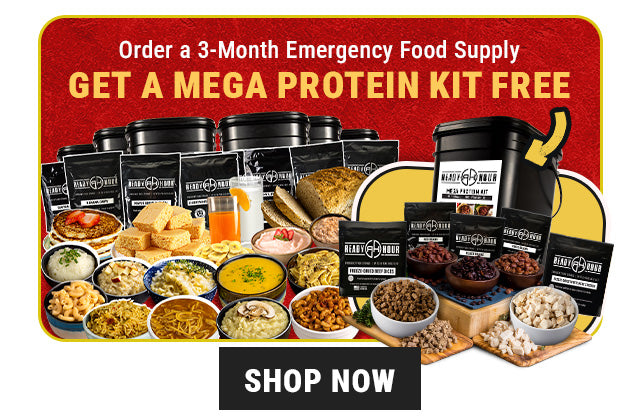
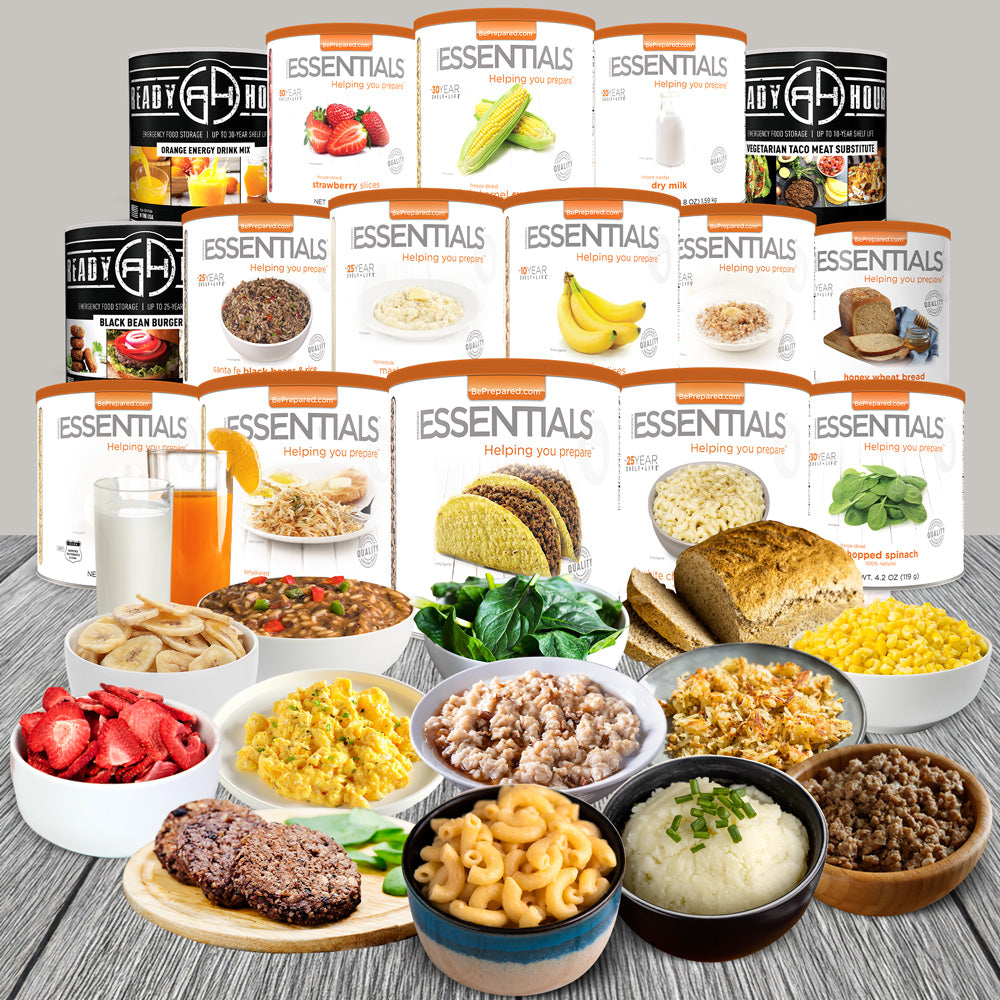
Credit: www.mypatriotsupply.com
Choosing Long-lasting Foods
Choosing long-lasting foods is key for a reliable food survival kit. Foods that stay fresh for months or years reduce waste and save money. They provide steady energy and nutrition during emergencies or outdoor trips.
Pick foods that resist spoilage without refrigeration. Packaging should protect from air, moisture, and pests. Nutrient-rich options keep your body strong when fresh food is unavailable.
Canned And Packaged Goods
Canned foods last years and need no cooling. They include vegetables, fruits, meats, and soups. Look for cans without dents or rust. Packaged goods like sealed pasta and rice also stay fresh long.
- Check expiration dates regularly.
- Choose low-sodium and low-sugar options.
- Store in a cool, dark place.
Dehydrated And Freeze-dried Foods
Dehydrated foods lose water to stop bacteria growth. Freeze-dried foods keep flavor and nutrients better. Both types are light and easy to carry. Ideal for hiking and survival kits.
- Use sealed bags or containers.
- Rehydrate with water when ready to eat.
- Include fruits, vegetables, and meats.
Grains And Legumes
Grains and legumes provide lasting energy and protein. Store dried beans, lentils, rice, and oats in airtight containers. They last for years if kept dry. Easy to cook and very filling.
- Buy in bulk for better value.
- Keep away from moisture and insects.
- Rotate stock to use older supplies first.
Nutritional Essentials
When packing a food survival kit, focusing on nutritional essentials can make a big difference in how well you endure tough situations. Your body needs the right balance of nutrients to stay strong, alert, and healthy. Missing key nutrients can lead to fatigue, weakened immunity, and slower recovery times.
Protein Sources
Protein is vital for muscle repair and maintaining energy levels during stressful times. Choose compact, long-lasting options like canned tuna, jerky, or powdered protein. These items don’t require refrigeration and provide a steady supply of amino acids.
Think about how your body feels after a day of physical activity—without enough protein, recovery slows down. Including a variety of protein sources helps cover all essential amino acids your body needs.
Vitamins And Minerals
Vitamins and minerals keep your immune system running and support overall body functions. Pack dried fruits, nuts, and fortified foods to cover a broad spectrum of nutrients like vitamin C, magnesium, and potassium. Multivitamin tablets can also be a smart backup.
Have you ever noticed how a lack of vitamin C leads to feeling tired or weak? These small but powerful nutrients are easy to overlook but essential when you need to stay sharp and healthy.
Energy-dense Snacks
Energy-dense snacks give you a quick boost when you need it most. Nuts, seeds, granola bars, and dark chocolate are excellent choices because they pack a lot of calories in a small package. These snacks keep your energy up without weighing down your kit.
When hunger hits, you want something that fuels you fast. Carrying energy-dense snacks ensures you won’t run out of steam during critical moments.
Water And Hydration Supplies
Water is essential for survival and must be a top priority in any food survival kit. Staying hydrated supports your body’s vital functions and keeps energy levels stable. Proper water supplies ensure you have clean drinking water when other sources are unavailable.
Carrying enough water and having a way to purify it can make a big difference during emergencies. Planning for water storage and purification keeps you safe and healthy in uncertain situations.
Water Storage Options
Choosing the right water storage is key to having enough water. Containers must be durable, easy to carry, and safe for drinking water. Consider these options:
- Plastic water bottles:Lightweight and easy to store. Use BPA-free bottles for safety.
- Collapsible water bags:Save space when empty and hold a good amount of water.
- Water jugs:Larger capacity, good for longer stays. Look for food-grade plastic or metal.
- Water bladders:Flexible and fit into backpacks. Good for hiking or travel.
Store water in a cool, dark place to keep it fresh longer. Label containers with the date of storage to track freshness.
Water Purification Methods
Water from natural sources may contain harmful bacteria or chemicals. Purifying water makes it safe to drink. Here are common purification methods:
- Boiling:Boil water for at least one minute to kill germs.
- Water filters:Portable filters remove bacteria and dirt. Choose filters with small pore sizes.
- Purification tablets:Easy to carry and use. Follow instructions carefully for best results.
- UV purifiers:Use ultraviolet light to destroy bacteria and viruses quickly.
Combining methods increases safety. For example, filter water first, then use purification tablets or UV light.

Credit: www.amazon.ca
Food Preparation Tools
Food preparation tools are essential for any survival kit. They help you cook, eat, and store food safely. Having the right tools makes meal preparation easier and more efficient. These tools are often compact and lightweight to fit in a survival kit. They also need to be durable and simple to use. Proper food preparation tools can improve your chances during emergencies.
Portable Cooking Equipment
Portable cooking equipment includes items that let you cook anywhere. Small stoves, portable grills, and compact burners are common choices. These tools should be easy to carry and quick to set up. Fuel sources like butane or solid fuel tablets are practical for survival kits. A lightweight pot or pan is necessary for boiling water and cooking meals. Choose equipment that can handle different cooking methods like boiling, frying, or heating.
Utensils And Containers
Utensils and containers help with eating and storing food safely. A sturdy spoon, fork, and knife are basic tools to include. Collapsible or nesting utensils save space in your kit. Food-grade containers keep leftovers fresh and prevent contamination. Leak-proof containers avoid spills and messes during transport. Selecting multipurpose utensils and containers reduces the total weight and volume of your kit. Proper tools keep your food clean and ready to eat.
Packaging And Storage Tips
Packaging and storage play a crucial role in keeping your food survival kit effective and safe for long-term use. Proper techniques can extend shelf life, maintain freshness, and prevent contamination. Let’s look at practical ways to seal and organize your kit so you’re always ready.
Sealing And Preservation
Air, moisture, and pests are your food’s worst enemies. Use airtight containers or vacuum-sealed bags to protect your supplies from exposure. My own experience taught me that resealable Mylar bags with oxygen absorbers dramatically increase shelf life—some foods stayed fresh for years!
Don’t forget to label each package with the packing date and contents. This simple step helps you rotate your stock efficiently and avoid expired items. You can also add silica gel packets to absorb moisture, especially if you store foods prone to humidity damage.
Organizing Your Kit
Organization saves time and reduces stress during emergencies. Group your food items by type—grains, canned goods, snacks—so you can quickly find what you need. Using clear plastic bins or stackable containers makes it easier to see your inventory at a glance.
Think about accessibility too. Place frequently used or soon-to-expire items at the front. Have you considered creating an inventory list? It’s a game changer for keeping track of what you have and planning your next restock.

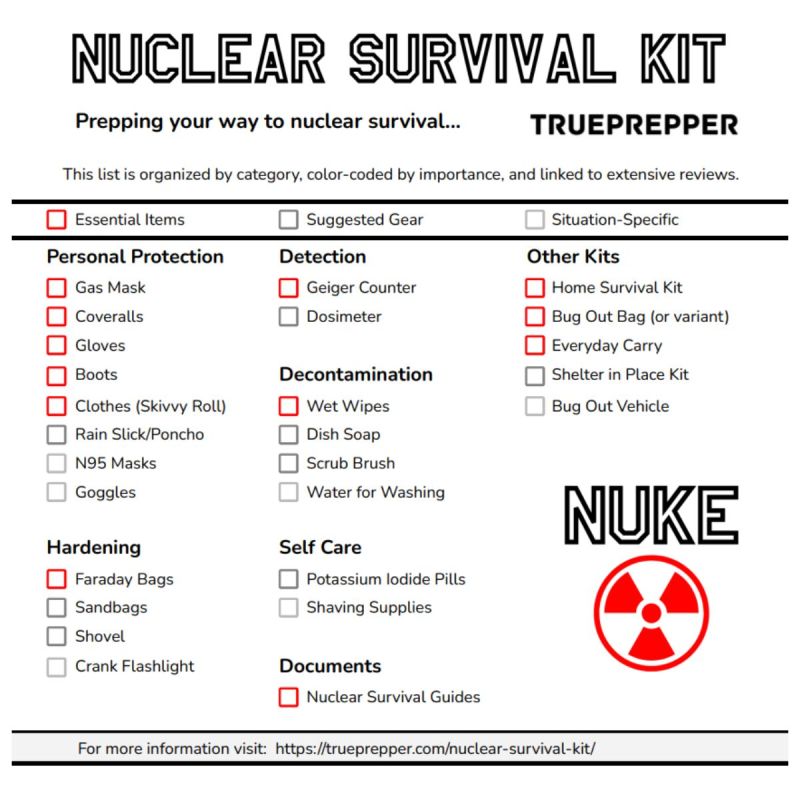
Credit: trueprepper.com
Special Considerations
Special considerations are vital when assembling a food survival kit. Different needs affect what foods to include. Paying attention to unique dietary requirements ensures safety and comfort during emergencies.
Dietary Restrictions
People with allergies or intolerances require specific foods. Common restrictions include gluten-free, dairy-free, and nut-free options. Including a variety of safe foods prevents health risks. Choose items with clear labels and long shelf lives. Avoid foods that could trigger allergic reactions.
- Gluten-free grains like rice or quinoa
- Dairy alternatives such as powdered soy or almond milk
- Nut-free protein sources like canned beans or seeds
- Low-sodium and sugar-free options for special diets
Infants And Elderly Needs
Infants need easy-to-digest, nutrient-rich foods. Baby formula and pureed fruits are essential. Elderly individuals often require soft, easy-to-chew foods. Focus on high-protein and vitamin-rich items for energy and health. Hydration aids like electrolyte powders help maintain balance.
- Infant formula and baby food jars
- Soft cereals and mashed vegetables
- Protein-rich canned fish or chicken
- Hydration supplements suitable for sensitive stomachs
Maintaining And Rotating Supplies
Keeping your food survival kit ready means more than just storing supplies. You need to maintain and rotate items regularly to ensure everything stays fresh and useful. Neglecting this can lead to expired goods that won’t help when you need them most.
Shelf Life Management
Understanding shelf life is key to managing your supplies effectively. Different foods last for varying lengths of time, so organize your kit by expiration dates. Place items with the nearest expiry at the front, so you use them first.
Label your containers with purchase dates to track freshness easily. Freeze-dried foods often last years, but canned goods and dehydrated items have shorter spans. Keeping a simple spreadsheet or checklist can help you monitor these dates without hassle.
Regular Kit Updates
Make it a habit to check your survival kit every few months. During these checks, remove expired items and replace them promptly. This routine keeps your kit reliable and ready for any emergency.
Use your oldest supplies in daily cooking to avoid waste. This practice not only keeps your kit fresh but also familiarizes you with the food’s taste and preparation. Have you ever discovered an expired item just when you needed it most? Regular updates prevent this frustration.
Frequently Asked Questions
What Is A Food Survival Kit?
A food survival kit contains essential non-perishable foods for emergencies. It ensures you have enough nutrition during disasters or outdoor adventures.
What Foods Should Be In A Survival Kit?
Include canned goods, dried fruits, nuts, energy bars, and freeze-dried meals. These provide long shelf life and balanced nutrition.
How Long Does Food Last In A Survival Kit?
Most survival foods last between 1 to 5 years unopened. Proper storage in a cool, dry place extends shelf life.
Can I Customize My Food Survival Kit?
Yes, customize based on dietary needs, allergies, and preferences. Include favorite snacks, vitamins, and water purification tablets for convenience.
Conclusion
A food survival kit keeps you ready for emergencies. It includes easy-to-store, nutritious, and long-lasting items. Choose foods that need little water or heat to prepare. Remember to check and replace expired items often. A good kit can provide comfort and safety.
Stay prepared, stay calm, and protect yourself and loved ones. Simple steps make a big difference in tough times. Start building your kit today for peace of mind.