When disaster strikes, being unprepared can put you and your loved ones at serious risk. You might think you have time to gather essentials, but emergencies often come without warning.
That’s why having a well-stocked disaster survival kit is not just smart—it’s vital. Imagine the peace of mind you’ll feel knowing you have everything you need to stay safe, healthy, and comfortable when it matters most. You’ll discover exactly what your disaster survival kit needs to have, so you can be ready for anything.
Keep reading to protect yourself and your family from the unexpected.
Credit: www.nbcnews.com
Basic Survival Supplies
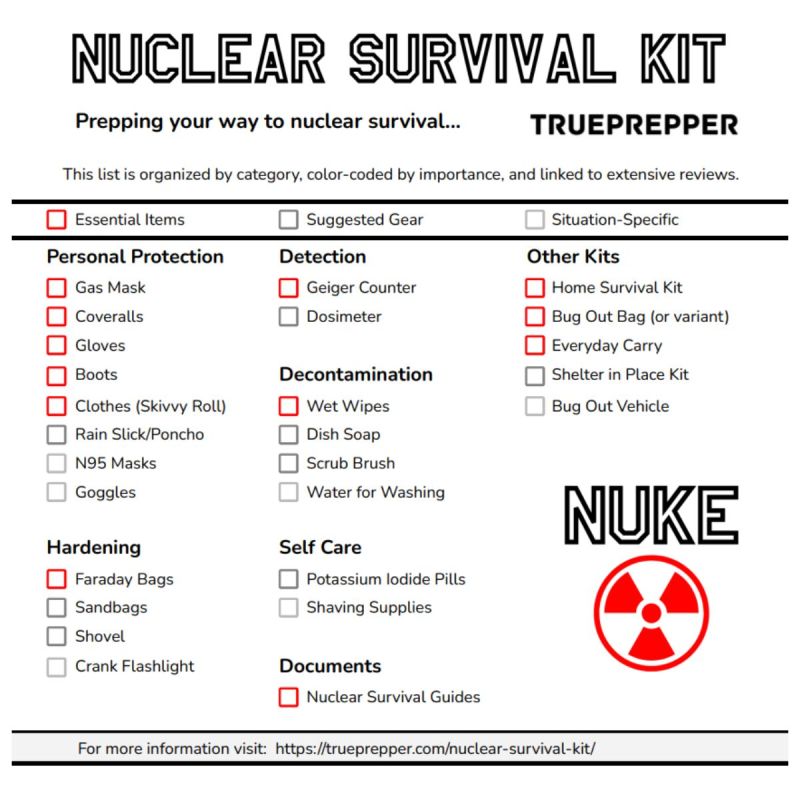
Building a disaster survival kit starts with gathering basic survival supplies. These items form the foundation that keeps you safe, nourished, and protected in emergencies. Without these essentials, your chances of coping well during unexpected situations drop significantly.
Water And Hydration Tools
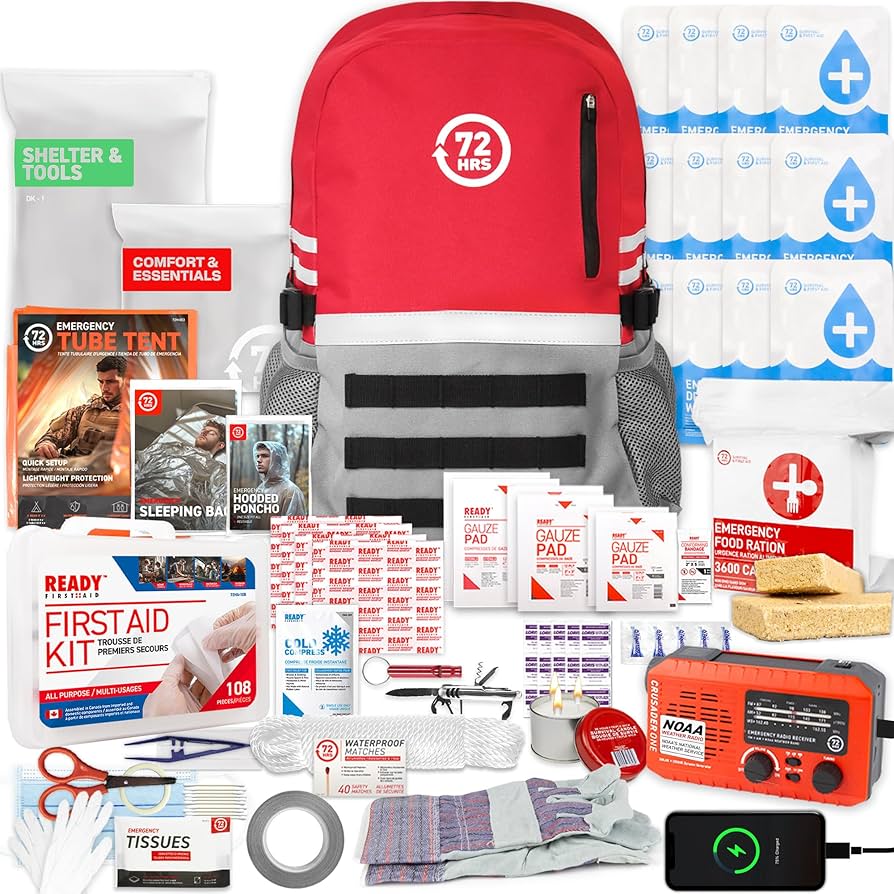
Water is your top priority. You need at least one gallon of water per person per day for drinking and sanitation. Including portable water filters or purification tablets can save you if your stored water runs out or gets contaminated.
Think about how you’ll carry water too—collapsible bottles or sturdy water containers are practical choices. Have you considered how long your water supply will last if you’re stranded for days?
Non-perishable Food Items
Choose foods that last without refrigeration and provide good nutrition. Items like canned beans, peanut butter, dried fruits, and energy bars give you calories and energy when fresh food isn’t available.
Don’t forget a manual can opener if you pack canned goods. Also, pick foods that you actually like and can eat quickly—you won’t want to waste energy preparing complicated meals in a crisis.
Shelter And Warmth Essentials
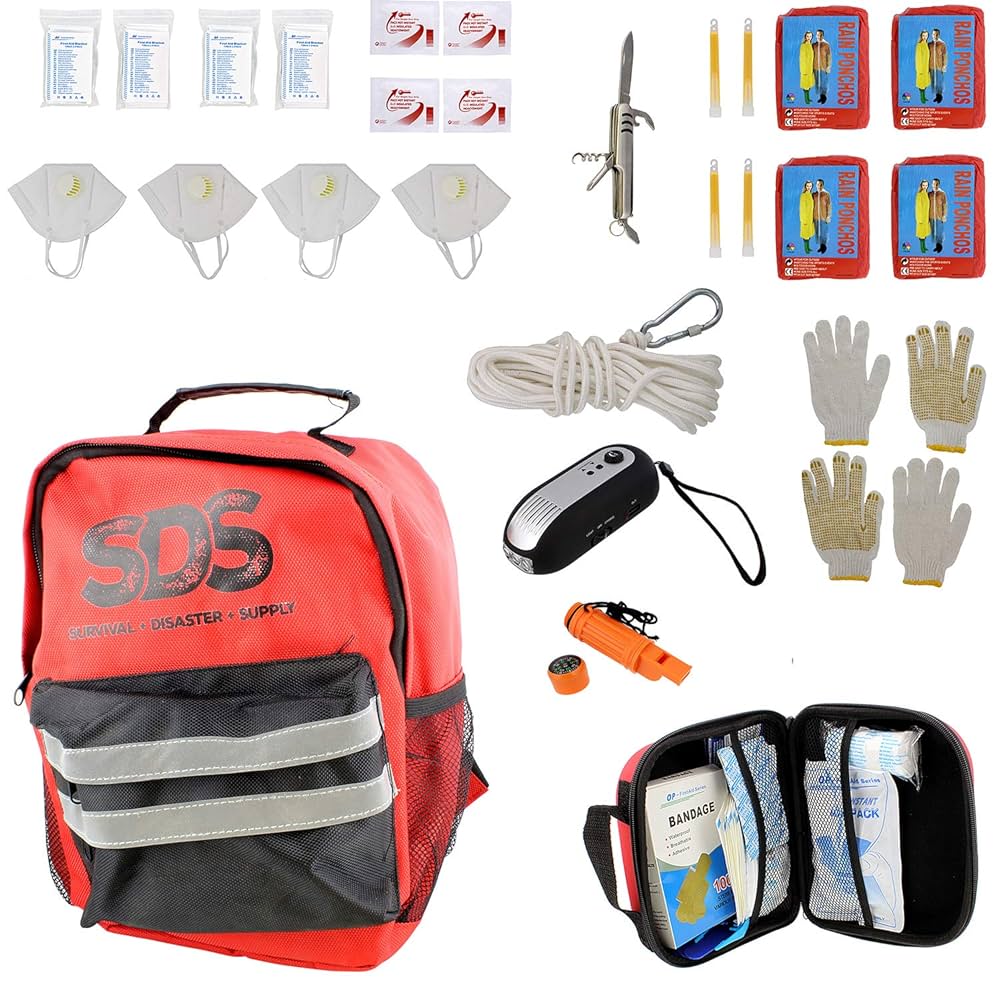
Protection from the elements is critical. Pack lightweight tents, emergency blankets, or tarps to create shelter. Thermal blankets and hand warmers can help maintain body heat when temperatures drop.
Consider your local climate and how you’ll stay dry and warm. Have you thought about how you would build a shelter if you had to stay outdoors overnight?

Credit: www.servpro.com
First Aid And Medical Gear
Having the right first aid and medical gear in your disaster survival kit can make a huge difference in an emergency. It’s not just about treating minor cuts or bruises; it’s about being ready to handle more serious injuries when help might be far away. Your kit should cover basic care, personal health needs, and emergency medical tools to keep you and your loved ones safe.
Basic First Aid Supplies
Start with essentials like adhesive bandages in various sizes, sterile gauze pads, and medical tape. These help stop bleeding and protect wounds from infection. Include antiseptic wipes or solution to clean injuries—never underestimate how quickly an untreated wound can worsen.
Don’t forget scissors, tweezers, and disposable gloves. These tools let you safely remove debris from wounds and protect yourself from germs. Think about what you would need if you had to treat a sprain or minor burn too.
Medications And Personal Health Items
Include over-the-counter pain relievers, antihistamines, and any prescription medications you or your family members rely on. You might be surprised how important it is to have these on hand when pharmacies are closed or unreachable.
Consider personal health items like allergy inhalers, EpiPens, or blood pressure monitors. If you have a chronic condition, ask yourself: what would I need to manage it for several days without medical help? That kind of preparation can be lifesaving.
Emergency Medical Tools
Beyond basics, add items like a CPR face shield, a digital thermometer, and an emergency blanket. These can help you respond to serious situations effectively. A compact flashlight with extra batteries is also crucial for checking injuries in the dark.
Think about your kit as a mini medical station. What tools would empower you to provide urgent care confidently? Having these items ready isn’t just smart—it’s empowering during chaos.
Communication And Navigation
Communication and navigation tools are vital in a disaster survival kit. They help you stay informed and find your way. Without reliable communication, you could miss important updates or rescue signals. Navigation devices guide you through unfamiliar or damaged areas safely. Prepare these essentials to maintain contact and direction during emergencies.
Emergency Radios And Chargers
Emergency radios receive alerts when other communication fails. Choose one with multiple power options. Solar, hand crank, and battery power keep it running longer. Keep extra batteries or portable chargers ready. Radios with NOAA weather channels provide timely weather warnings. They are crucial for staying updated in disasters.
Maps And Compass
Physical maps do not rely on electricity or signals. Carry local and regional maps in your kit. A compass helps you navigate when GPS is unavailable. Learn basic map reading and compass use before a disaster. These tools ensure you can find safe routes and locations.
Signaling Devices
Signaling devices attract attention when you need help. Include a whistle to make loud sounds easily. A mirror can reflect sunlight to signal rescuers. Bright-colored flags or glow sticks increase visibility in low light. These simple tools improve your chances of being found quickly.
Tools And Equipment
Having the right tools and equipment is vital for any disaster survival kit. These items help you solve problems quickly and safely. They make daily tasks easier and improve your chances of staying safe. Choose tools that are durable, lightweight, and easy to use. Compact items save space and weight in your kit.
Multi-tools And Knives
Multi-tools combine several useful functions in one compact device. They often include pliers, screwdrivers, scissors, and knives. A strong folding knife is essential for cutting, preparing food, or self-defense. Select tools made from stainless steel for rust resistance. Keep these sharp and clean for best performance.
Fire Starting Gear
Fire is crucial for warmth, cooking, and signaling for help. Include waterproof matches or a windproof lighter in your kit. Flint and steel or magnesium fire starters last longer and work in wet conditions. Store fire starters in a dry container to keep them reliable. Practice using them before a disaster strikes.
Lighting And Batteries
Light helps you navigate safely in the dark. Pack a small flashlight or headlamp with extra batteries. LED lights are energy-efficient and bright. Keep batteries in sealed plastic bags to avoid corrosion. Solar-powered or hand-crank lights provide backup when batteries run out. Always test your lighting gear regularly.
Clothing And Personal Items
Clothing and personal items are vital parts of your disaster survival kit. They help you stay comfortable, safe, and maintain hygiene during tough situations. Picking the right items can make a big difference in how well you handle unexpected emergencies.
Weather-appropriate Clothing
Your clothing should match the climate and season of where you live or where you might evacuate. Include layers like thermal shirts, waterproof jackets, and sturdy boots to protect against cold, rain, or heat. Think about items that dry quickly and don’t weigh much—these make moving easier and keep you comfortable.
Have you ever tried walking miles in soaked shoes? Avoid that by packing extra socks and a hat for sun or cold protection. Remember, your survival gear isn’t just about warmth but also about staying dry and preventing injuries.
Hygiene Supplies
Keeping clean helps prevent illness, which is crucial when medical help might be far away. Include basics like soap, toothbrush, toothpaste, and feminine hygiene products. Don’t forget hand sanitizer and moist towelettes—they’re lifesavers when water is scarce.
Adding a small towel and nail clippers can improve comfort and health. Personal hygiene isn’t just about feeling fresh; it’s about staying healthy enough to make smart decisions.
Important Documents And Cash
Secure copies of IDs, insurance papers, and medical records in a waterproof bag. These documents can speed up assistance and help you prove your identity if needed. Carry some cash in small bills because electronic payments might not work during disasters.
Have you ever found yourself unable to access funds because of a power outage? Cash ensures you can buy essentials or pay for services without hassle. Keeping these items organized and easily accessible could save you hours in a crisis.
Special Considerations
Building a disaster survival kit means thinking beyond the basics. Everyone’s needs differ, and certain groups require special attention. Tailoring your kit ensures it truly supports you and your loved ones in an emergency.
Needs For Children And Pets
Kids and pets can’t just rely on standard supplies. Children might need comfort items like favorite toys or blankets to stay calm. Don’t forget child-specific necessities such as diapers, wipes, and formula if applicable.
Pets need food and water tailored to their size and dietary needs. Include extra leashes, carriers, and any medications your pet requires. Think about their comfort too—familiar blankets or toys can reduce stress in chaotic situations.
Items For Specific Medical Conditions
Your medical needs shape what you pack. If you use prescription medicines, keep at least a week’s supply in your kit. Make sure to store medications in waterproof containers and check expiration dates regularly.
People with diabetes should add glucose meters, insulin, and snacks for low blood sugar. If you have allergies, include epinephrine auto-injectors and antihistamines. Consider mobility aids, hearing devices, or respiratory equipment—whatever helps you stay independent.
Customizing Your Kit
Your survival kit should reflect your daily life. Look around your home and think about what you can’t live without for several days. Maybe it’s baby supplies, special foods, or tools for work.
Ask yourself: What unique challenges might I face during a disaster? If you live in cold climates, extra blankets and warm clothing are essential. In hot areas, focus on sun protection and hydration supplies.
Don’t forget to update your kit regularly as your needs change. Adding personal documents, contact lists, and even entertainment items like books or cards can make tough times a little easier.

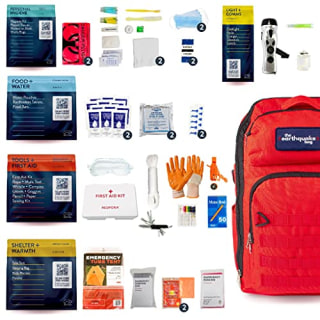
Credit: www.amazon.ca
Frequently Asked Questions
What Items Are Essential In A Survival Kit?
A disaster survival kit should include water, non-perishable food, a flashlight, batteries, a first-aid kit, and a multi-tool. Also, pack a whistle, dust mask, local maps, and a cell phone charger. These essentials ensure you have the basics for safety and communication during emergencies.
How Much Water Should Be In A Survival Kit?
Include at least one gallon of water per person per day in your survival kit. Plan for at least three days, ensuring enough hydration. Water is crucial for drinking, cooking, and sanitation during emergencies. Consider adding water purification tablets for emergencies beyond three days.
Why Is A First-aid Kit Important?
A first-aid kit is vital for treating minor injuries quickly and effectively. It contains bandages, antiseptics, pain relievers, and medical supplies. Having one on hand ensures you can address injuries immediately. Prompt treatment reduces the risk of infection and further complications during a disaster.
Should I Include A Flashlight In My Kit?
Yes, a flashlight is essential for navigating in darkness during power outages. Choose a durable, waterproof flashlight with extra batteries. A flashlight ensures you can safely move and signal for help if needed. It’s a simple but critical tool for any emergency situation.
Conclusion
A disaster survival kit saves lives in tough times. It must have water, food, and first aid supplies. Tools like flashlights and batteries help in the dark. Keep important documents and cash ready. Regularly check and update your kit. Being prepared brings peace and confidence.
Small steps now can make a big difference later. Start building your kit today. Stay safe, stay ready.