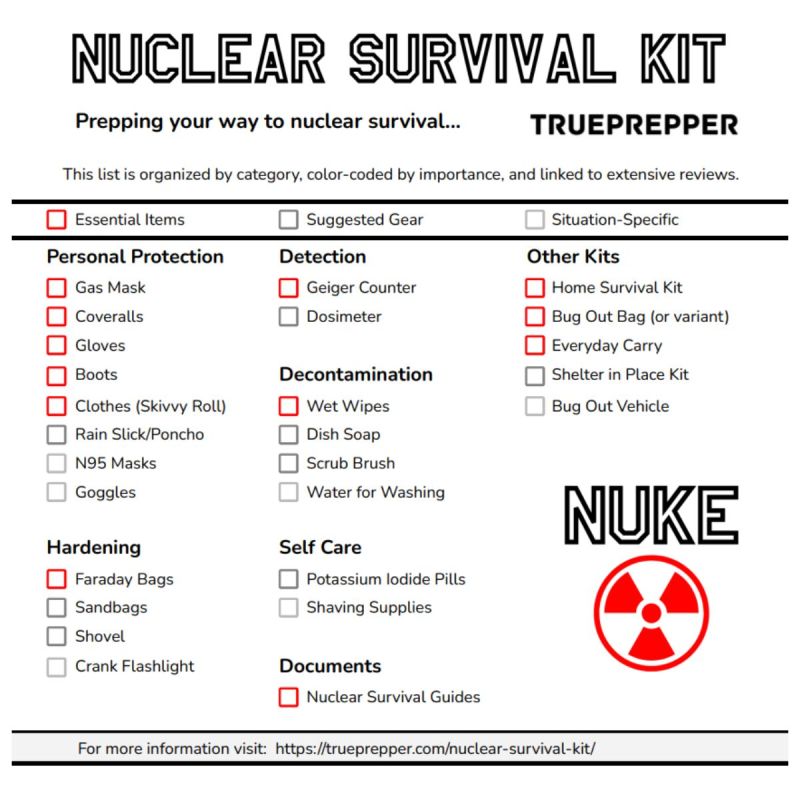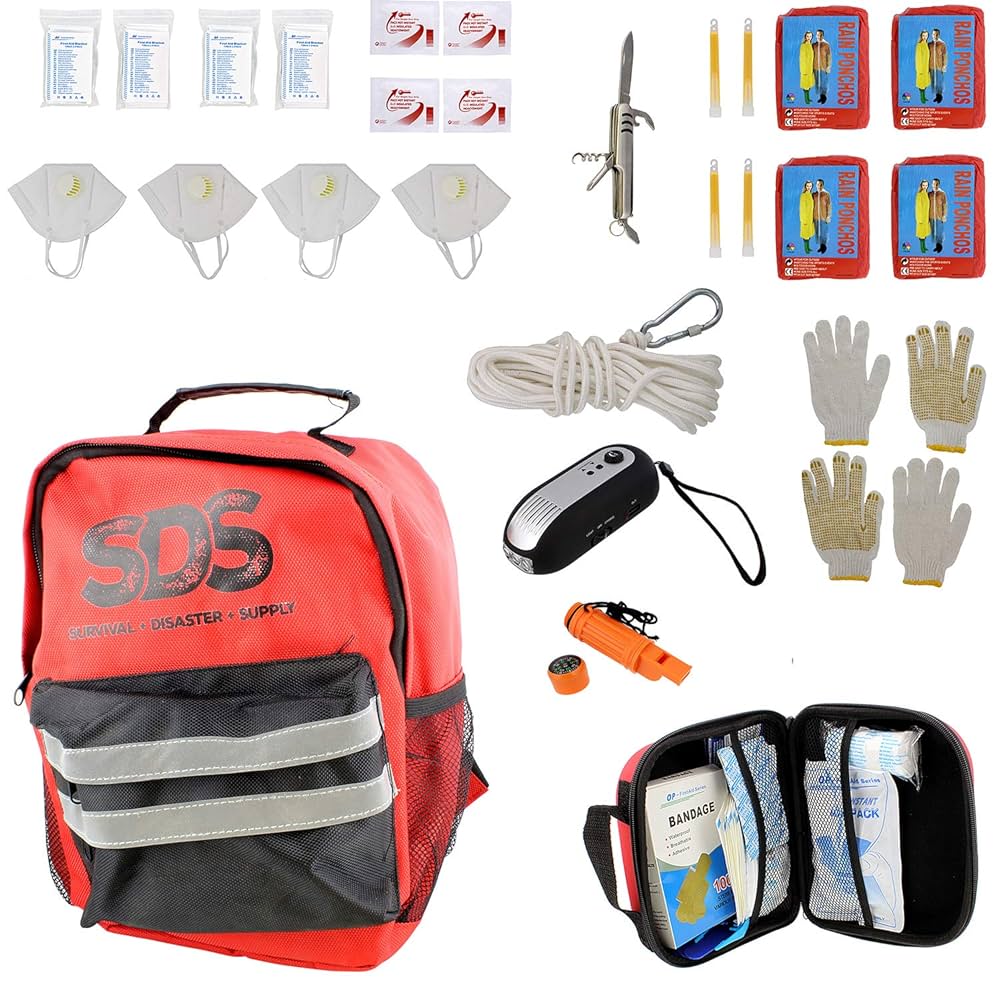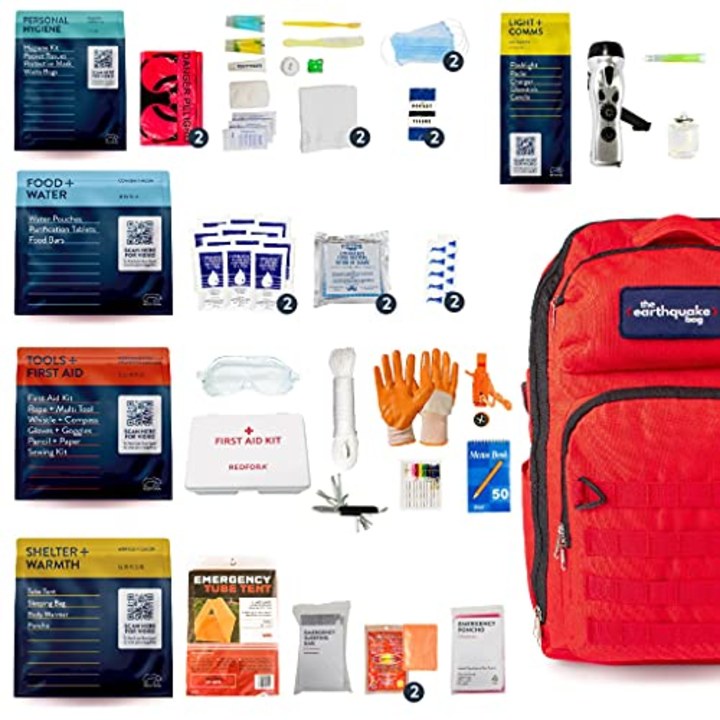
Have you ever wondered what a survival kit really needs to have? Whether you’re planning a camping trip, preparing for emergencies, or just want to be ready for the unexpected, knowing exactly what to pack can make all the difference.
Your survival kit isn’t just a box of random items—it’s your lifeline when things go wrong. You’ll discover the essential tools and supplies that can keep you safe, healthy, and calm no matter the situation. Keep reading, because the right kit could be the key to your survival.
Basic Survival Tools
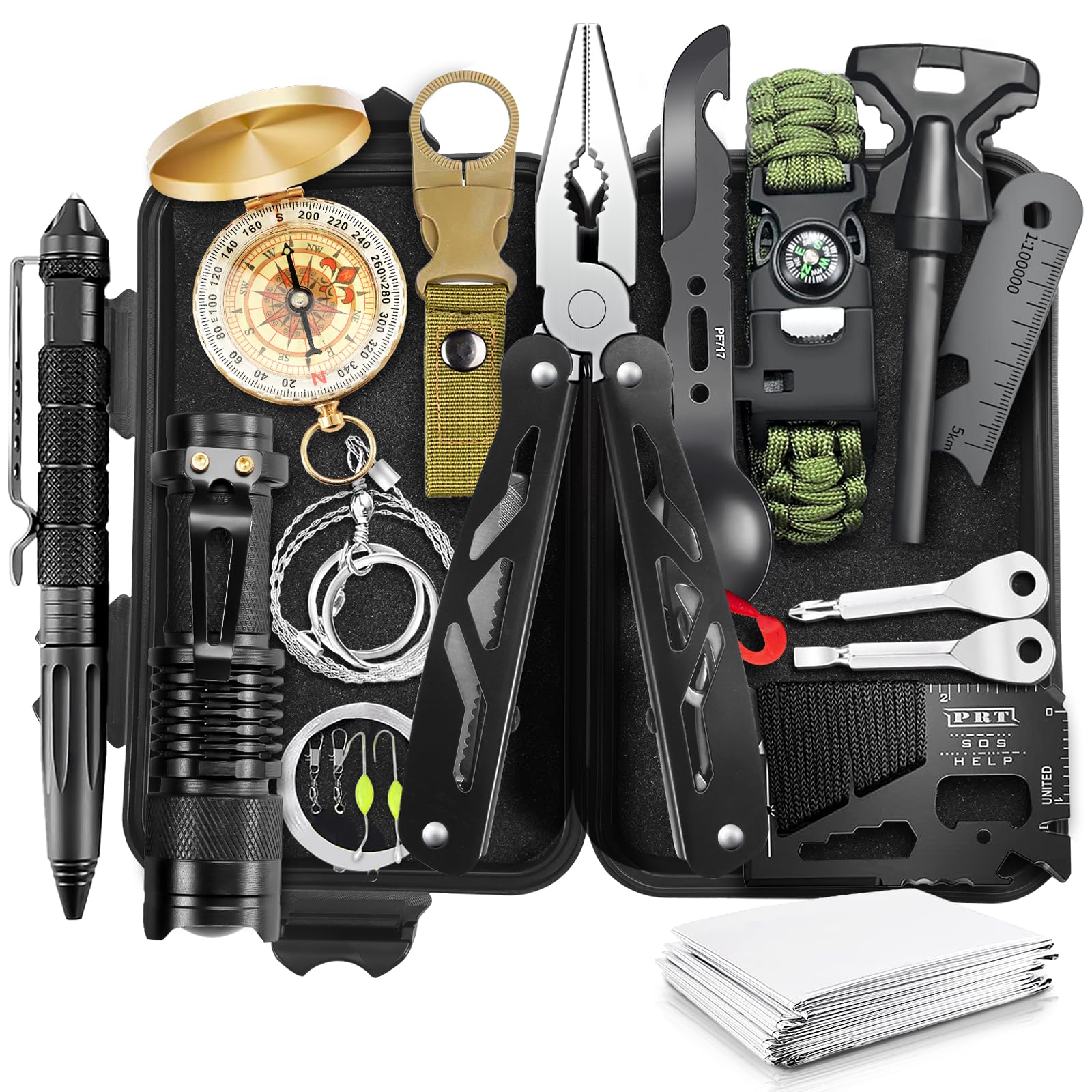
Basic survival tools form the core of any survival kit. They help you manage essential tasks in emergencies. These tools are compact yet powerful, designed to assist in various situations. Carrying them increases your chances of staying safe and comfortable. Each tool has a specific role that supports your survival needs.
Multi-tool And Knife
A multi-tool combines several tools in one small device. It usually includes pliers, screwdrivers, and scissors. A sharp knife is essential for cutting, preparing food, and protection. Both tools save space and reduce the weight of your kit. They allow quick fixes and help in many survival tasks.
Fire Starters
Fire starters help create fire easily and quickly. Matches, lighters, and ferro rods are common types. Fire provides warmth, light, and a way to cook food. It also boosts morale during tough times. Always carry reliable fire starters that work in wet conditions.
Flashlight And Batteries
A flashlight offers light in dark environments. It helps you navigate safely at night. Choose a durable, waterproof flashlight for survival situations. Extra batteries ensure your flashlight stays functional longer. Proper lighting is crucial for signaling and finding your way.

Credit: www.servpro.com
Food And Water Supplies
Food and water are the most critical elements in any survival kit. Without them, your chances of enduring an emergency drop drastically. It’s not just about having supplies; it’s about having the right types that last and sustain you effectively.
Non-perishable Food Items
Choosing food that stays good for a long time is essential. Think canned beans, dried fruits, nuts, and ready-to-eat meals like MREs (Meals Ready to Eat). These items don’t require refrigeration and are easy to prepare, which can save you precious time and energy.
Here’s a quick list of reliable non-perishable foods to keep in your kit:
- Peanut butter – high in calories and protein
- Granola bars – compact and energizing
- Dried pasta and rice – filling and versatile
- Canned tuna or chicken – great protein source
- Freeze-dried fruits and vegetables – retain nutrients and flavor
Have you ever tried eating a meal that was difficult to prepare in a stressful situation? Simplicity is key. Make sure everything you pack is not just long-lasting but easy to eat without cooking tools.
Water Storage And Purification
Water is heavier and bulkier to carry, but you can’t survive without it. Store at least one gallon per person per day, and always have a way to purify more if needed.
Water purification tablets and portable filters are lifesavers. They allow you to safely drink from natural sources like streams or lakes, which might be your only option in the wild.
Here are some essentials for water storage and purification:
- Durable water containers – collapsible or rigid
- Water purification tablets – easy to carry and use
- Portable water filter – removes bacteria and protozoa
- Metal pot or container – for boiling water if necessary
How confident are you that you can find safe drinking water in an emergency? Preparing for purification before you need it can save you from dehydration and illness.
Shelter And Warmth
Keeping yourself safe and comfortable during an emergency often depends on how well you manage shelter and warmth. These elements protect you from harsh weather and prevent hypothermia, a serious risk in survival situations. Your survival kit should include tools that help you quickly create shelter and retain body heat.
Emergency Blankets
Emergency blankets are lightweight and compact, making them perfect for any survival kit. They reflect your body heat back to you, which can keep you warm even in freezing conditions. Have you ever realized how a simple, shiny sheet can make the difference between shivering through the night and staying cozy?
These blankets are also waterproof and windproof, giving you extra protection from rain and cold winds. Because they take up little space, you can carry a few for yourself and others in your group.
Tents And Tarps
Tents and tarps provide a reliable shelter from rain, wind, and sun. A small, durable tent can be a lifesaver when you need to rest or sleep safely. Tarps are versatile; you can set them up quickly as a makeshift shelter or use them to cover your gear.
Consider the ease of setup when choosing your shelter. A tent with a simple pole system or a tarp with eyelets for quick tie-downs can save you precious time. What kind of shelter would you trust if you had to spend a night in the wilderness?
Clothing Layers
Clothing layers are your first line of defense against cold weather. Start with a moisture-wicking base layer to keep sweat away from your skin, add an insulating middle layer to trap heat, and finish with a waterproof outer layer to block wind and rain.
Carrying extra socks, gloves, and hats in your survival kit can help maintain warmth when temperatures drop. Think about how much easier it is to stay warm when your clothing works together instead of just one heavy jacket.
Credit: www.amazon.ca
First Aid Essentials
First aid essentials are a crucial part of any survival kit. They help treat injuries and prevent infections. These items provide immediate care until professional help arrives. Keeping first aid supplies organized and accessible is important for emergencies.
Basic Medical Supplies
- Adhesive bandages in various sizes
- Sterile gauze pads and adhesive tape
- Antiseptic wipes or solution
- Disposable gloves
- Scissors and tweezers
- Elastic bandage for sprains
- CPR face shield or mask
Medications
- Pain relievers such as ibuprofen or acetaminophen
- Antihistamines for allergic reactions
- Antacid tablets for stomach issues
- Antibiotic ointment to prevent infection
- Hydrocortisone cream for itching and rashes
- Any personal prescription medicines
Personal Hygiene Items
- Alcohol wipes for cleaning wounds
- Hand sanitizer for hand hygiene
- Small pack of tissues or wet wipes
- Disposable face masks
- Dental floss for wound cleaning
Navigation And Communication
Navigation and communication tools are essential parts of any survival kit. They keep you oriented and connected when technology fails or you’re off the grid. Having reliable gear can mean the difference between staying safe and getting lost.
Compass And Maps
A compass and physical maps should never be overlooked. Batteries die, and GPS signals can disappear, but a compass points you in the right direction no matter what.
Carrying a detailed map of the area you’re in helps you plan routes and find landmarks. I once trusted my phone’s GPS only to lose signal during a hike; my compass and map saved me from wandering endlessly.
Whistle And Signal Devices
A whistle is a simple yet powerful communication tool. It can alert rescuers to your location without shouting, which wastes energy and can be risky in wildlife areas.
Other signal devices like mirrors or flares can catch attention from a distance. Think about how you would signal for help if you were stuck somewhere isolated—these tools give you a voice when you can’t speak.
Emergency Radio
An emergency radio keeps you informed about weather changes, evacuation notices, or rescue operations. Some models are hand-crank or solar-powered, so they work even without batteries.
Listening to live broadcasts might give you clues about safe routes or nearby help. Imagine being able to hear a rescue team’s updates while waiting in a shelter—this can ease anxiety and guide your next move.
Credit: www.nbcnews.com
Additional Survival Gear
Additional survival gear enhances your ability to handle unexpected situations. These items support basic tools and supplies. They help you fix, secure, and manage your resources effectively. Keeping these extras in your kit increases your chances of staying safe and comfortable.
Cordage And Repair Kits
Cordage is essential for many survival tasks. Use it for building shelters, tying gear, or making traps. Include strong, lightweight rope like paracord. A repair kit should have needles, thread, and patches. Fix torn clothes, gear, or shelters quickly. Small tools like wire and safety pins add versatility.
Duct Tape And Adhesives
Duct tape is a survival staple. It works on almost everything. Use it to seal leaks, mend cuts, or hold broken items together. Adhesives like super glue can fix smaller cracks or tears. These items save time and prevent bigger problems. Carry a small roll and a few tubes for emergencies.
Cash And Important Documents
Cash helps when electronic payments fail. Keep small bills in a waterproof bag. Important documents include ID, insurance papers, and emergency contacts. Store copies digitally and physically. Having these ready speeds up assistance and travel during crises. Protect them from damage and loss.
Frequently Asked Questions
What Essentials Are In A Survival Kit?
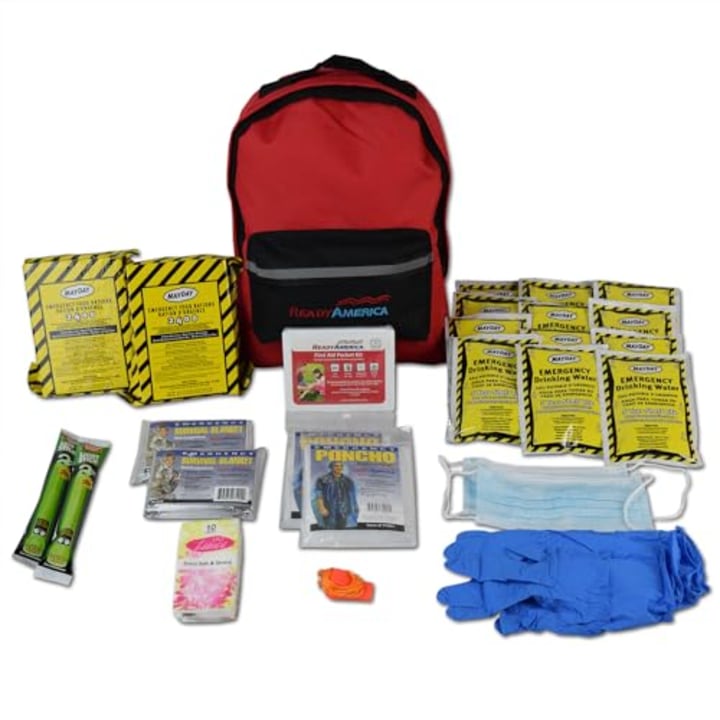
A survival kit typically includes first aid supplies, food, water, a flashlight, and a multi-tool. It may also contain a whistle, fire starters, and emergency blankets. These items ensure basic survival needs are met during emergencies. Properly stocking your kit increases your chances of staying safe in unexpected situations.
How Often Should I Update My Survival Kit?
It’s advisable to update your survival kit every six months. This ensures that all items are in working condition and not expired. Regular checks help you replace any used or outdated supplies. Keeping your kit current ensures preparedness for emergencies at any time.
Why Is A Flashlight Important In A Survival Kit?
A flashlight is crucial for visibility during power outages or nighttime emergencies. It helps navigate dark areas and signals for help. A reliable flashlight can also assist in finding items in your kit. Always include spare batteries to ensure it remains functional when needed most.
Can I Customize My Survival Kit?
Yes, you can customize your survival kit to suit your specific needs. Consider your environment, climate, and any personal medical requirements. Tailoring your kit ensures you have necessary items for your unique situation. Personalizing your kit increases its effectiveness during emergencies.
Conclusion
A survival kit holds essential items for emergencies. It helps you stay safe and meet basic needs. Water, food, and first aid supplies are key parts. Tools like knives and flashlights make tasks easier. Keeping a kit ready brings peace of mind.
It prepares you for unexpected situations. Check and update your kit often. Being ready can protect your life. Simple items can make a big difference. Stay safe by having a survival kit nearby.