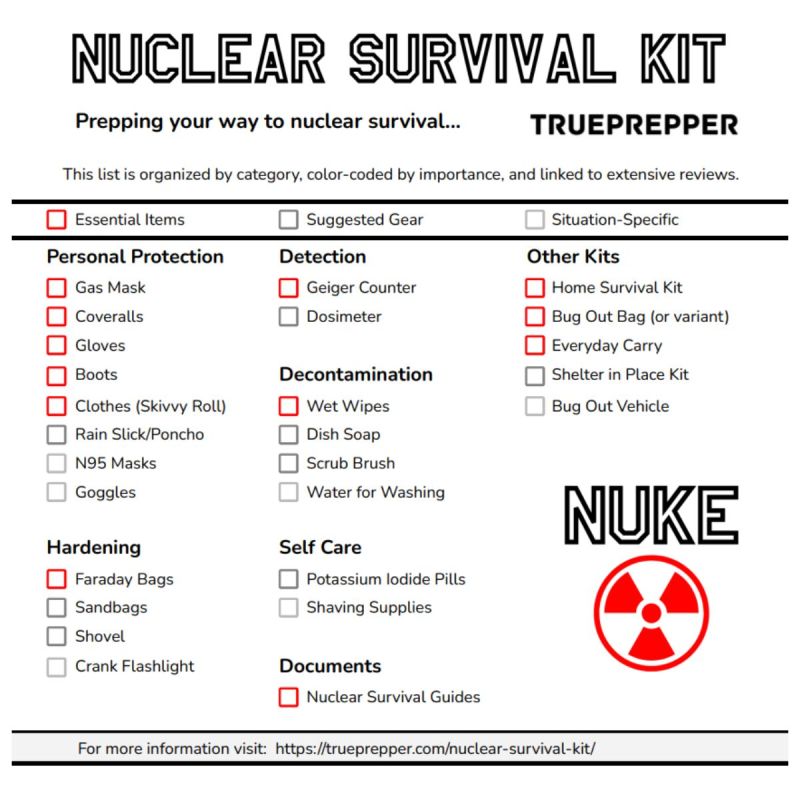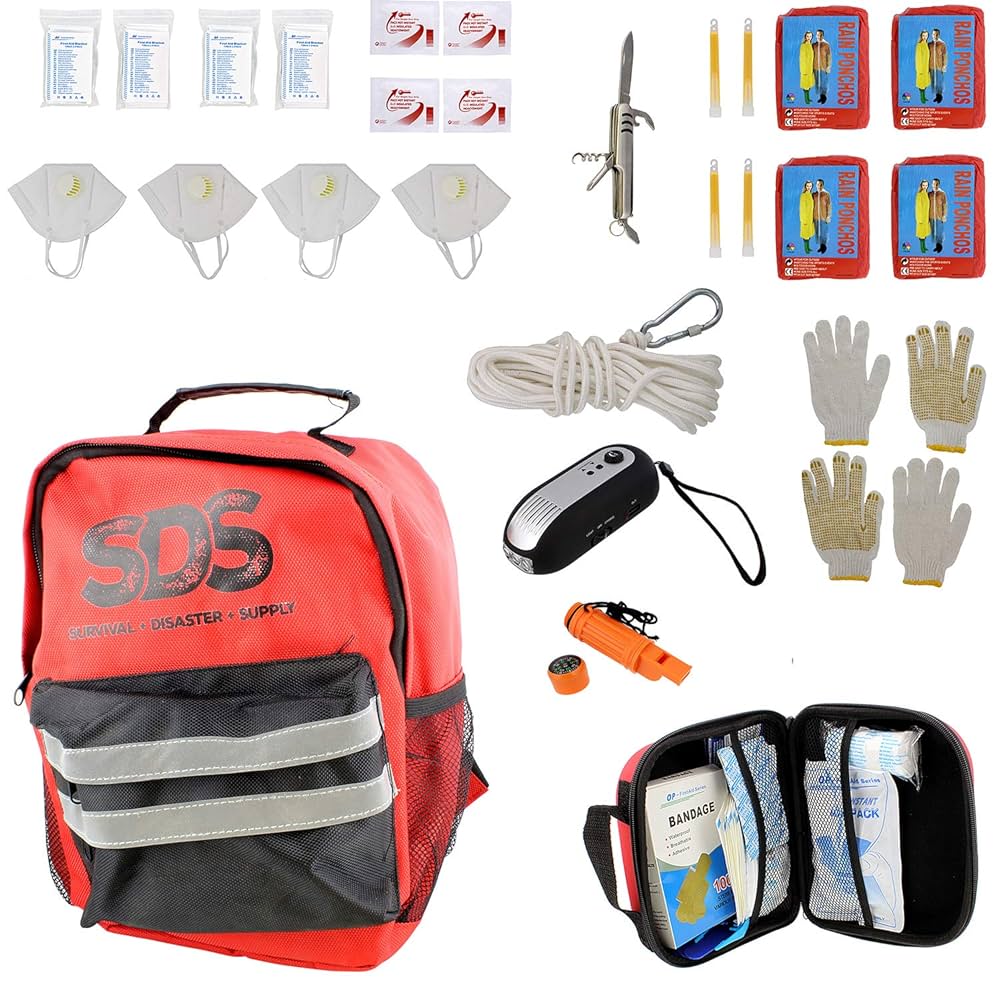
When disaster strikes, having the right survival kit can make all the difference between staying safe and facing serious danger. But what exactly should be in a survival kit in New Zealand?
You might think it’s just about food and water, but there’s more to it than that. Your kit needs to fit the unique challenges of NZ’s environment and weather. Keep reading, and you’ll discover the essential items you can’t afford to miss—so you’re fully prepared no matter what comes your way.
Basic Survival Gear
Basic survival gear forms the foundation of any reliable survival kit in New Zealand. It covers essential items that keep you alive and comfortable during emergencies. These items focus on hydration, food, and shelter—three critical survival needs.
Choosing the right gear means preparing for various outdoor conditions. The gear should be lightweight, durable, and easy to use. This section highlights the key components of basic survival gear to keep you safe and secure.
Water And Hydration Tools
- Water bottles or hydration bladders for carrying liquids.
- Portable water filters to remove bacteria and impurities.
- Water purification tablets for emergency disinfection.
- Collapsible water containers for easy storage.
Food And Nutrition Supplies
- Non-perishable food items like energy bars and dried fruits.
- Ready-to-eat meals that require minimal preparation.
- Lightweight cooking tools such as a small stove or mess kit.
- High-calorie snacks to maintain energy levels.
Shelter And Warmth Essentials
- Compact tents or emergency bivvy sacks for protection.
- Insulated sleeping bags suitable for NZ weather.
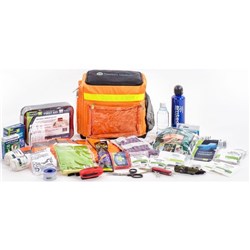
- Thermal blankets to retain body heat.
- Fire-starting tools like waterproof matches or lighters.
Credit: www.officemax.co.nz
Navigation And Communication
Navigation and communication tools are crucial in any survival kit in New Zealand. They help you find your way and call for help in emergencies. Being prepared with the right gear improves your chances of staying safe outdoors.
Maps And Compass
Topographic maps show trails, rivers, and elevation changes. A reliable compass helps you maintain direction without batteries. Both are lightweight and easy to carry. Practice reading maps and using a compass before your trip. Paper maps and a compass never run out of power.
Emergency Signaling Devices
- Whistles for loud, attention-grabbing sounds.
- Signal mirrors to reflect sunlight and catch attention.
- Bright colored flags or cloths for visual signals.
- Flares or glow sticks for night signaling.
These tools increase your visibility and help rescuers find you faster. They are simple but effective in many situations.
Communication Tools
Mobile phones work well in areas with coverage. Carry a portable charger to keep them powered. Two-way radios are great for group communication in remote spots. Personal locator beacons (PLBs) send distress signals with GPS coordinates. These devices alert emergency services quickly and accurately.
First Aid And Health Items
First aid and health items are essential in any survival kit in New Zealand. They help manage injuries and keep health stable during emergencies. These items protect you and your loved ones until professional help arrives.
Having the right supplies can reduce pain and prevent infections. It also supports quick treatment of common health issues. A well-stocked kit saves time and stress in critical moments.
Basic First Aid Supplies
- Adhesive bandages in various sizes
- Sterile gauze pads and adhesive tape
- Antiseptic wipes and ointment
- Scissors and tweezers
- Elastic bandage for sprains
- Disposable gloves to avoid contamination
- CPR face shield or mask
Medications And Personal Care
- Pain relievers like paracetamol or ibuprofen
- Antihistamines for allergic reactions
- Anti-diarrhea tablets and rehydration salts
- Personal prescription medicines
- Hydrocortisone cream for skin irritations
- Thermometer to monitor fever
- Oral antiseptic mouthwash
Injury Prevention Tools
- Finger splints or small braces
- Cold packs to reduce swelling
- Burn gel or aloe vera for burns
- Safety pins for securing bandages
- Emergency blanket to prevent shock
Credit: www.youtube.com
Tools And Equipment
Tools and equipment form the backbone of any survival kit in New Zealand. They help you handle emergencies, build shelter, and prepare food safely. Choosing compact, durable, and versatile items saves space and weight. Quality tools increase your chances of managing tough situations efficiently.
Multi-tools And Knives
Multi-tools combine many functions in one compact device. They usually include pliers, screwdrivers, scissors, and a knife. A strong, sharp knife is essential for cutting, preparing food, and protection. Choose stainless steel tools for rust resistance and long life. Lightweight tools are easier to carry in your kit.
Fire Starting Kits
Fire is vital for warmth, cooking, and signaling for help. Fire starting kits should include waterproof matches, a lighter, and fire starters like tinder or fire steel. Keep items in a dry container to protect them from moisture. Practicing fire starting skills ensures you can use the tools effectively.
Lighting And Batteries
Light helps you see in the dark and avoid hazards. Include a reliable flashlight or headlamp in your kit. Choose LED lights for longer battery life and brightness. Pack extra batteries suitable for your devices. Solar or hand-crank lights add backup power options without batteries.
Clothing And Protection
Having the right clothing and protection in your survival kit is crucial for staying safe and comfortable in New Zealand’s diverse environment. Your body’s ability to regulate temperature and shield itself from the elements can make all the difference when you’re out in the wild. Let’s break down what you should pack to keep yourself protected no matter where your adventure takes you.
Weather-appropriate Clothing
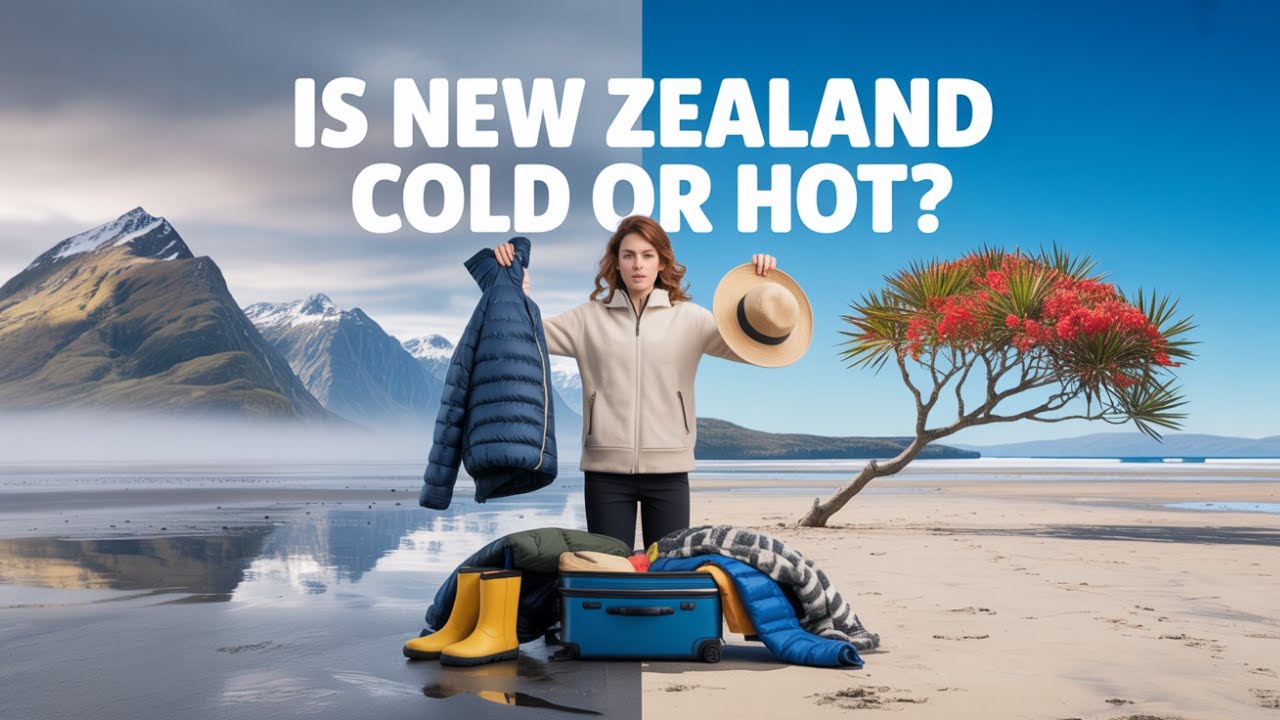
New Zealand’s weather can change quickly, from bright sun to sudden rain or chilling winds. Pack layers that you can add or remove easily. Start with a moisture-wicking base layer to keep sweat off your skin, add an insulating layer like fleece for warmth, and top it with a waterproof, breathable jacket to guard against rain and wind.
Think about the season and location. In winter, thermal underwear and a warm hat become essentials. During summer, lightweight, sun-protective clothing can prevent sunburn and overheating. Have you ever been caught in a downpour without a waterproof layer? It’s uncomfortable and dangerous, so don’t skip this part.
Protective Gear
Protection goes beyond clothing. Include items that shield you from bugs, scratches, and injuries. A wide-brimmed hat offers sun and insect protection. Sunglasses protect your eyes from UV rays and glare.
Gloves are often overlooked but can protect your hands when handling rough materials or firewood. A good survival kit should also have a compact first-aid kit with adhesive bandages, antiseptic wipes, and blister treatments to handle minor injuries immediately.
Footwear And Accessories
Your feet carry you through every step of your journey, so don’t underestimate the importance of durable footwear. Waterproof hiking boots with good ankle support reduce the risk of injury on uneven terrain. Consider packing extra socks made from wool or synthetic fibers to keep your feet dry and warm.
Accessories like gaiters can protect your lower legs from mud, water, and snake bites. A sturdy belt with a quick-release buckle can double as an emergency tool or tourniquet. Do you have the right boots and accessories that can handle both rugged mountains and muddy trails?
Special Considerations For Nz
Building a survival kit for New Zealand needs special attention. The country’s unique environment and culture affect what you must include. Planning for natural events, local animals, and legal rules is crucial. These factors make survival kits more effective and practical.
Natural Disaster Preparedness
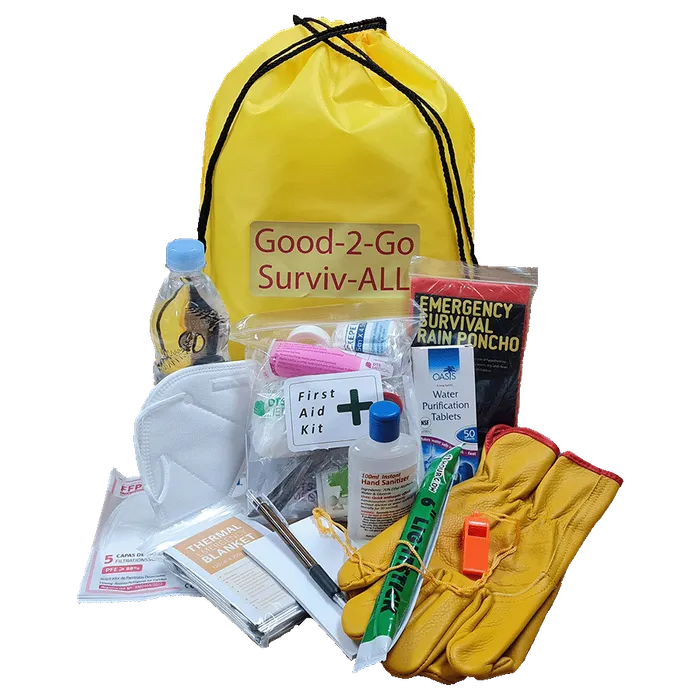
New Zealand faces earthquakes, floods, and volcanic eruptions. Your kit should include:
- A sturdy whistle to signal for help.
- A dust mask to protect from ash or dust.
- A compact first aid kit with bandages and antiseptics.
- Water purification tablets or a filter system.
- Emergency food supplies with a long shelf life.
- A flashlight with extra batteries.
- A space blanket to keep warm.
These items help you stay safe during sudden natural disasters.
Local Wildlife Awareness
New Zealand has unique animals, but most are not dangerous. Still, some precautions help:
- Insect repellent to avoid sandflies and mosquitoes.
- A small first aid kit for insect bites or stings.
- Protective gloves if you handle plants or soil.
- Knowledge about local wildlife to avoid risks.
Understanding local creatures helps prevent injuries and discomfort.
Legal And Cultural Items
Respect for New Zealand’s laws and culture is key. Include these items:
- A personal ID and emergency contact information.
- A copy of your travel or medical insurance.
- Information about local customs and emergency numbers.
- Permission or permits if camping in protected areas.
Following rules and respecting culture supports your safety and comfort.
Credit: ktservices.nz
Frequently Asked Questions
What Should A Basic Survival Kit Include?
A basic survival kit should include water, food, a first-aid kit, flashlight, batteries, and a whistle. Don’t forget a multi-tool, matches, and a poncho. These essentials help ensure safety and preparedness during emergencies.
How Much Water Is Needed In A Survival Kit?
It’s recommended to have at least three days’ worth of water per person. This equates to about three liters per day. Adequate hydration is crucial during emergencies, so prioritize water storage.
Why Include A First-aid Kit In A Survival Kit?
A first-aid kit is vital for treating minor injuries and preventing infections. It should contain bandages, antiseptic wipes, and pain relievers. Quick access to medical supplies can be life-saving in emergencies.
Is A Flashlight Essential In A Survival Kit?
Yes, a flashlight is crucial for visibility during power outages or nighttime emergencies. Ensure you have extra batteries. A reliable light source provides safety and comfort in dark or unfamiliar situations.
Conclusion
A survival kit in New Zealand must cover basic needs like water, food, and shelter. Include tools for warmth, light, and first aid. Keep your kit easy to carry and update it regularly. Being ready helps you stay safe during emergencies.
Simple items can make a big difference. Prepare today to protect yourself and your loved ones tomorrow. Safety starts with a well-packed survival kit.