Imagine facing an unexpected emergency and realizing you don’t have the essentials to stay safe and comfortable. How would you feel?
You want to be ready, but where do you start? Building a personal survival kit is simpler than you think, and it can make all the difference when every second counts. You’ll learn exactly what to include in your kit, why each item matters, and how to customize it for your needs.
Keep reading, because being prepared could save your life or the lives of those you care about.
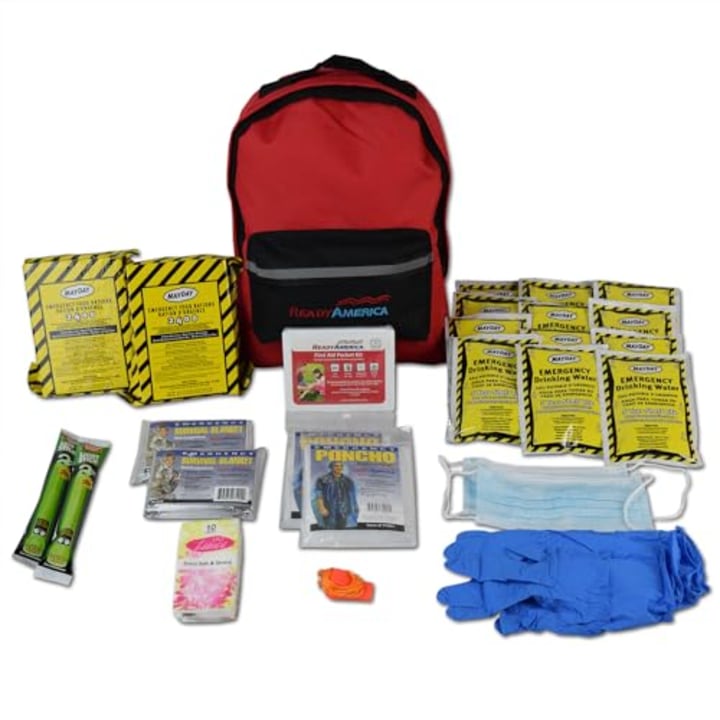
Credit: www.nbcnews.com
Choosing The Right Container
Choosing the right container for your personal survival kit is crucial. It keeps your items organized, protected, and easy to carry. The container you pick can make a big difference when you need quick access in an emergency.
Compact Vs. Expandable Options
Think about how much space you have and what you need to carry. Compact containers are great if you want something small and light. They fit easily into backpacks or glove compartments, but they might limit how many items you can pack.
Expandable containers, on the other hand, give you flexibility. They allow you to add or remove items as your needs change. Have you ever struggled to fit everything in one box? An expandable option can solve that problem.
- Compact containers are ideal for minimalists or short trips.
- Expandable containers suit those who want to customize their kit over time.
Waterproof And Durable Materials
Your container needs to protect your gear from the elements. Waterproof materials prevent water damage, which is vital if you face rain or flooding. Look for containers made from tough plastics, metal, or coated fabrics.
Durability also means resistance to impact and wear. Imagine dropping your kit during a hike – will it survive? Containers with strong latches and reinforced edges last longer and keep your items safe.
- Choose waterproof zippers or seals to keep moisture out.
- Consider lightweight yet tough materials like high-density polyethylene.
- Check for containers with padded interiors to protect fragile items.
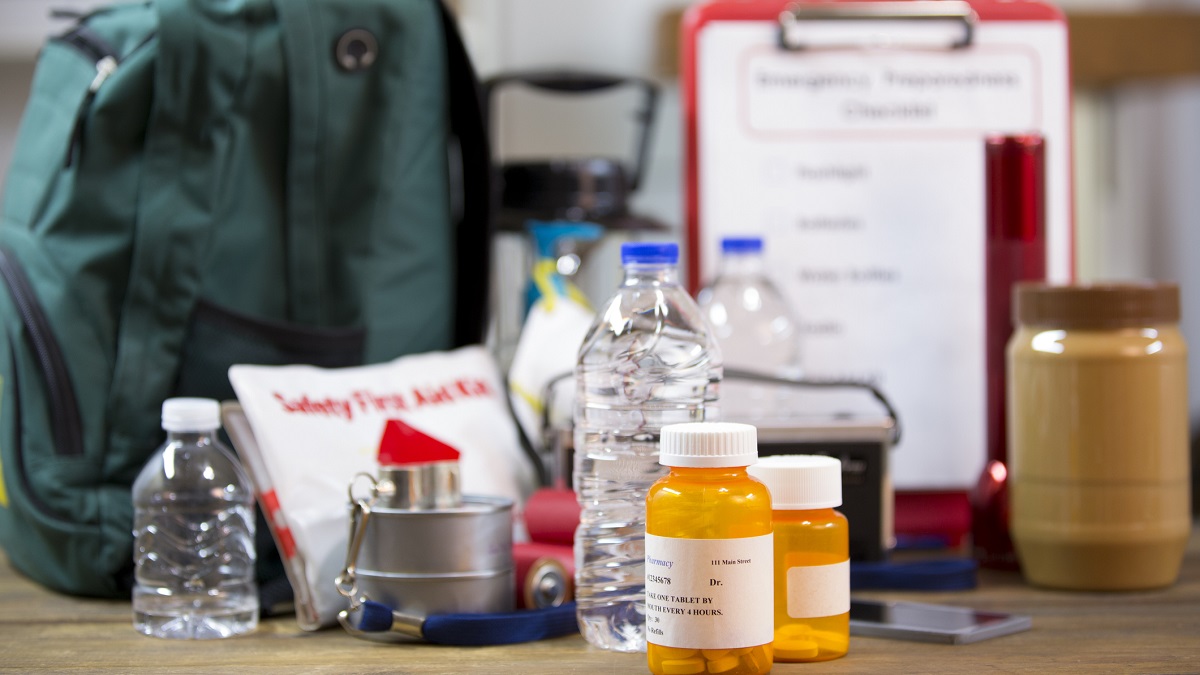
Credit: www.cdc.gov
Essential Survival Tools
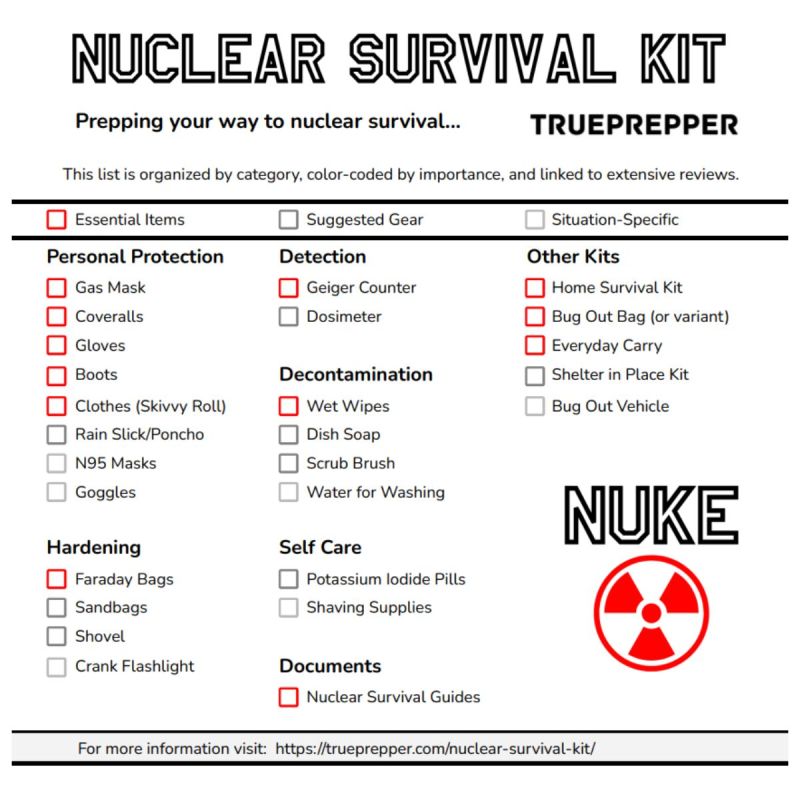
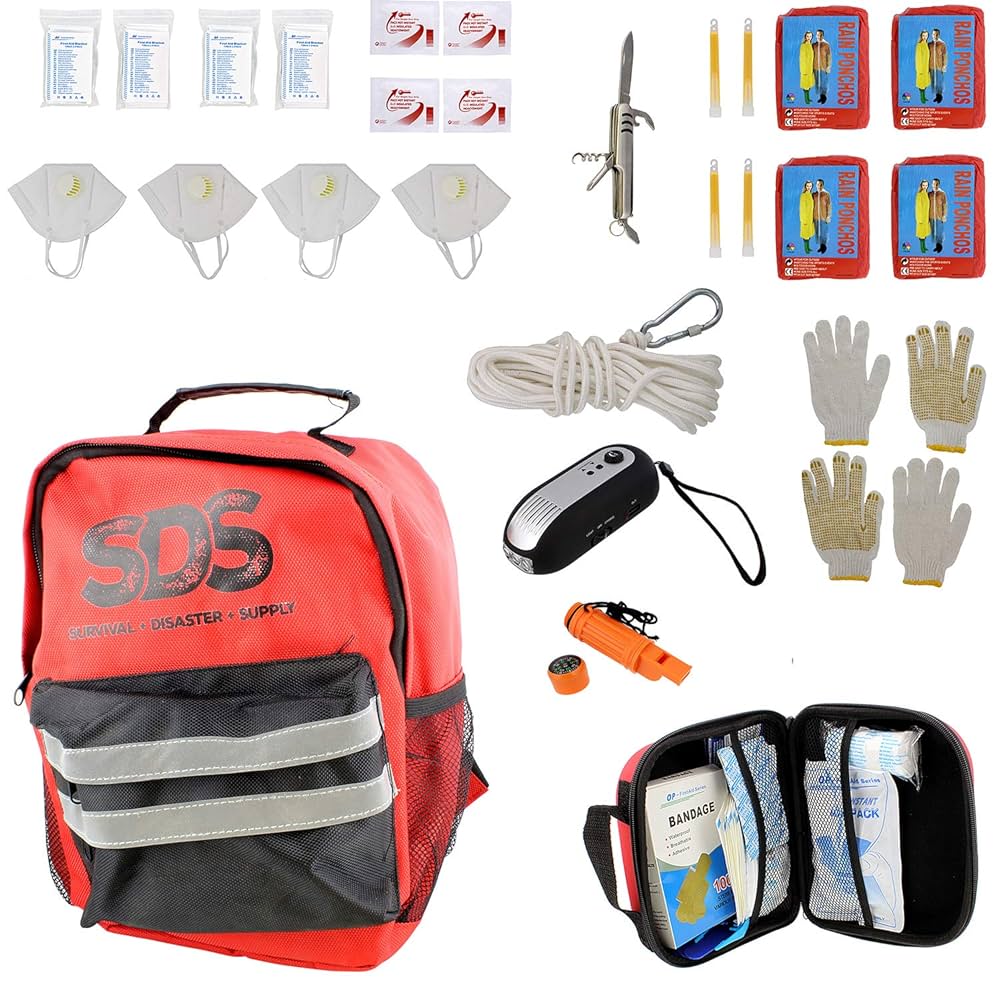
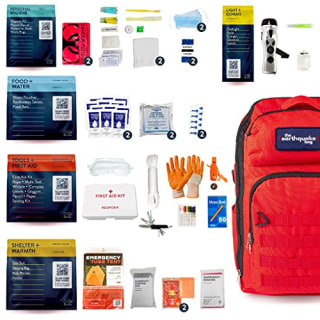
Essential survival tools form the backbone of a personal survival kit. These items help you handle emergencies effectively. Carrying the right tools prepares you for unexpected situations. Choose tools that are reliable, durable, and easy to use. Each tool serves a specific purpose in survival scenarios.
Multi-tool And Knife
A multi-tool combines several useful tools into one compact device. It often includes pliers, screwdrivers, and scissors. A good knife is critical for cutting tasks. Use it for preparing food, making shelter, or self-defense. Pick a knife with a strong, sharp blade and a comfortable handle. The multi-tool and knife should be lightweight and easy to carry.
Fire Starters And Lighting
Fire starters help you create fire quickly and safely. Matches, lighters, and ferro rods are popular options. Fire is essential for warmth, cooking, and signaling for help. Good lighting tools include flashlights and headlamps. Choose models with long battery life and bright light. Always carry extra batteries or fuel to keep them working.
First Aid Supplies
First aid supplies treat injuries and prevent infections. Include bandages, antiseptic wipes, and adhesive tape. Pack pain relievers, tweezers, and scissors for added care. A compact first aid kit fits easily into your survival bag. Knowing how to use these items increases your chances of staying healthy.
Food And Water Supplies
Food and water are the backbone of any personal survival kit. Without reliable supplies, your ability to stay safe and healthy in an emergency drops quickly. You need to prepare for both quantity and quality, ensuring what you carry can last and sustain you.
Non-perishable Food Items
Choose foods that stay good for months or years without refrigeration. Think canned beans, dried fruits, and rice. These staples provide energy and nutrients without spoiling fast.
Include high-calorie items like peanut butter or nuts to keep your energy levels up. Ready-to-eat meals and protein bars are also smart choices because they’re lightweight and easy to carry.
- Canned tuna or chicken
- Dried lentils and beans
- Instant oatmeal packets
- Freeze-dried fruits
- Energy bars and trail mix
Have you checked expiration dates lately? Rotate your food supplies regularly to avoid surprises when you need them most.
Water Purification Methods
Carrying enough water can be heavy and impractical. Instead, focus on ways to purify water from natural sources like streams or rain.
Boiling water is the simplest and most effective method. It kills bacteria and parasites but requires a heat source, which might not always be available.
Water purification tablets are lightweight and easy to use. Just drop a tablet in and wait the recommended time for safe drinking water.
- Portable water filters (like LifeStraw)
- UV light purifiers
- Chemical tablets (chlorine or iodine based)
- Boiling over a campfire or stove
What water sources are near your usual locations? Knowing this can guide which purification tools you prioritize in your kit.
Clothing And Shelter Items
Clothing and shelter are crucial for survival in the wild. They protect from harsh weather and keep the body safe. A well-packed kit should include items that adapt to changing conditions. Choose lightweight, durable, and easy-to-carry gear. Every piece must serve a clear purpose for comfort and safety.
Weather-appropriate Clothing
Select clothing based on the climate you expect. Layering helps adjust to temperature changes quickly. Start with a moisture-wicking base layer to keep skin dry. Add an insulating middle layer for warmth. Finish with a waterproof and windproof outer layer.
- Breathable shirts and pants
- Insulated jackets or fleece
- Waterproof raincoat or poncho
- Warm hats and gloves
- Extra socks to avoid blisters
Choose fabrics like wool or synthetic fibers. Avoid cotton as it holds moisture and chills the body. Pack clothing that fits well but allows movement.
Portable Shelter Options
A shelter blocks wind, rain, and cold. It provides a safe place to rest and recover energy. Look for shelter options that are easy to carry and set up quickly.
- Tent with a lightweight frame
- Compact tarp or bivy sack
- Emergency space blanket or reflective tarp
- Sleeping bag rated for expected temperatures
- Inflatable or foam sleeping pad for insulation
Consider size and weight before packing. Shelter must balance protection with portability. Test your shelter gear to ensure quick assembly in emergencies.
Navigation And Communication Gear
Navigation and communication gear are your lifelines in a survival situation. Without the right tools, finding your way or calling for help can become a frustrating, even dangerous challenge. Choosing reliable and easy-to-use equipment ensures you stay connected and oriented no matter where you are.
Maps And Compass
A detailed map and a sturdy compass form the backbone of your navigation kit. Digital devices can fail, but a physical map and compass never run out of battery. Learn to read contour lines and landmarks on your map; this skill can save you when technology lets you down.
Keep your maps in a waterproof case to protect them from rain or sweat. Mark your usual routes and potential safe zones before heading out. Have you practiced using a compass to navigate without GPS? If not, start now—it’s easier than you think.
Emergency Communication Devices
Having a way to signal for help is critical. A whistle is simple but effective, especially when voice calls are impossible. For longer-range communication, consider a personal locator beacon (PLB) or a satellite messenger; these devices can send your GPS location to rescue teams anywhere on the planet.
Make sure your emergency communication device is charged and tested regularly. Keep extra batteries or a solar charger handy. Think about the last time you faced an unexpected situation—could you have called for help quickly?
Personal Hygiene Essentials
Keeping clean is vital in any survival situation. Personal hygiene helps prevent sickness and keeps you feeling better. A well-packed survival kit includes essential items to maintain your hygiene. These items support your health and comfort when resources are limited.
Sanitation Supplies
Sanitation supplies help you stay clean and avoid infections. Pack items that are small, lightweight, and easy to use. These supplies make hygiene manageable without running water.
- Biodegradable soap for washing hands and body
- Hand sanitizer with at least 60% alcohol
- Travel-size toothbrush and toothpaste
- Disposable wet wipes for quick cleaning
- Feminine hygiene products if needed
- Small towel or microfiber cloth
- Plastic bags to store used hygiene items
Insect Protection
Insects carry diseases and cause discomfort. Protect yourself with effective insect control items. These help keep bugs away during outdoor survival.
- Insect repellent spray or lotion with DEET or natural alternatives
- Insect repellent wipes for easy application
- Lightweight mosquito net for sleeping areas
- Permethrin-treated clothing or gear if possible
- Small container of anti-itch cream for bites
Customizing Your Kit
Customizing your personal survival kit ensures it fits your unique situation. A one-size-fits-all kit may not serve your needs well. Tailoring your kit increases your chances of staying safe and comfortable during emergencies.
Considering Your Environment
Think about the place where you will use your survival kit. Different environments require different tools. For example, a desert environment needs more water and sun protection. A cold, snowy area calls for warm clothing and fire-starting supplies.
Look at these factors:
- Climate and weather patterns
- Local plants and animals
- Terrain type—mountains, forests, or urban areas
- Distance from help or rescue
Adjust your kit to handle these conditions. Choose items that fit your environment well.
Adapting For Specific Needs
Your personal needs shape your survival kit contents. Health conditions, age, and skills matter. People with allergies should include necessary medications. Children may need smaller, easy-to-use items.
Consider these points:
- Medical supplies and prescription drugs
- Tools matching your skill level
- Food and water preferences or restrictions
- Special gear for pets or companions
Personalizing your kit makes it practical and ready for your situation.
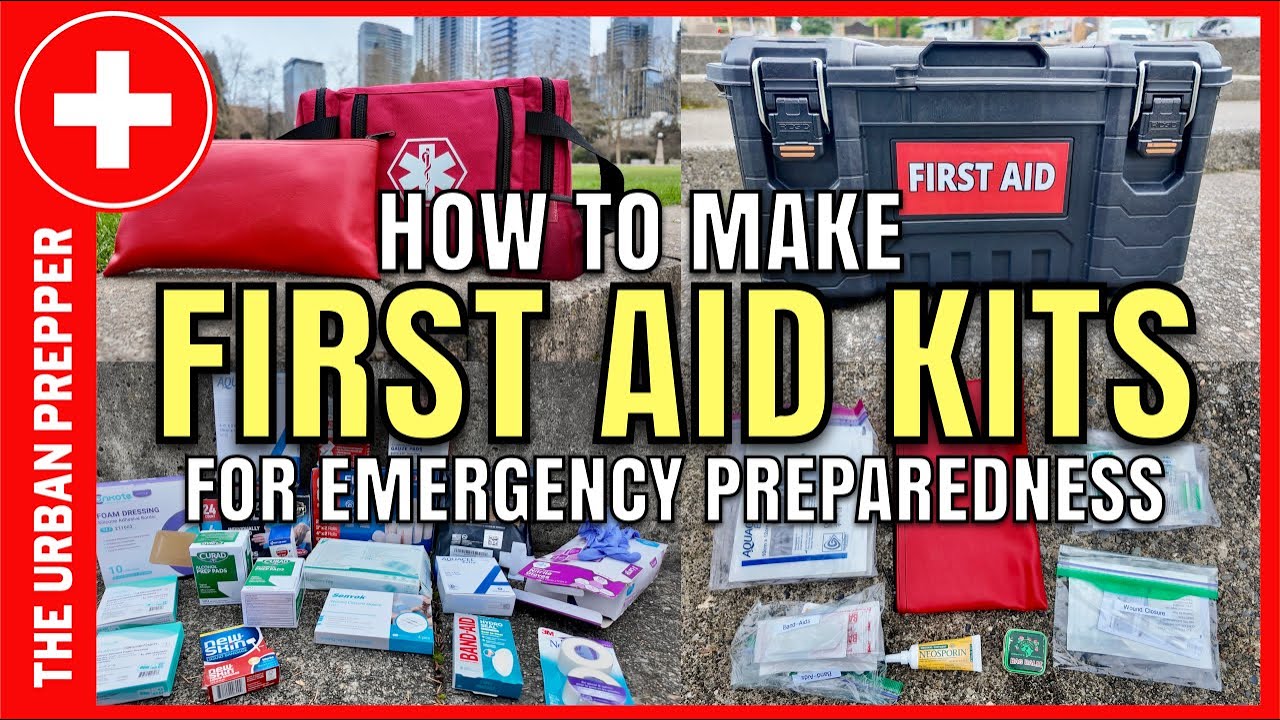
Credit: m.youtube.com
Maintenance And Regular Updates
Keeping your personal survival kit ready means regular care and updates. Items can expire or get used up over time. A kit that is not maintained may fail when you need it most. Checking and replacing items keeps the kit useful and reliable. Small efforts now save big trouble later.
Checking Expiry Dates
Always look at the expiry dates on food, medicine, and batteries. Expired items lose their effectiveness and can be unsafe. Mark a calendar to remind yourself to check these dates. Replace anything that is near or past its expiration. This simple step ensures your kit remains safe and effective.
Replacing Used Items
Use your kit items during drills or emergencies? Replace them right after use. Keep a checklist to track what has been taken out. Restock food, water, and first aid supplies promptly. This habit keeps your kit complete and ready for the next time.
Frequently Asked Questions
What Essentials Should A Survival Kit Include?
A survival kit should include water, food, first-aid supplies, a flashlight, multi-tool, matches, emergency blanket, and a whistle. These essentials ensure basic survival needs are met in emergencies. Customize based on climate and personal needs for optimal preparedness.
How Do I Choose The Right Container?
Choose a durable, waterproof container that’s easy to carry. Backpacks or plastic bins with secure lids are ideal. Consider portability, weight, and space when selecting. Ensure it’s accessible in emergencies to efficiently grab and go.
How Often Should I Update My Survival Kit?
Update your survival kit every six months. Check expiration dates on food and medicine. Replace expired or damaged items. Adjust contents based on seasonal changes and personal needs to ensure readiness for any situation.
Why Is A Personal Survival Kit Important?
A personal survival kit is crucial for emergencies. It ensures you’re prepared for unexpected situations. Having essential supplies boosts your chances of survival and provides peace of mind. Being prepared can make a significant difference in critical moments.
Conclusion
Building a personal survival kit takes time and thought. Choose items that fit your needs and environment. Keep your kit small but useful. Check it often to replace old supplies. Being prepared helps you stay safe and calm. Start today and feel more confident tomorrow.
A simple kit can make a big difference. Ready for any challenge.