When a blizzard hits, being caught unprepared can turn dangerous fast. You might think you have time to gather supplies, but the truth is, every minute counts when the snow starts piling up and the wind howls outside.
Do you know exactly what should be in your survival kit to keep you safe, warm, and alive? Missing even one key item could make all the difference between staying comfortable or facing serious risks. You’ll discover the must-have essentials for your blizzard survival kit, so you can be ready no matter what the storm throws at you.
Keep reading—your safety depends on it.

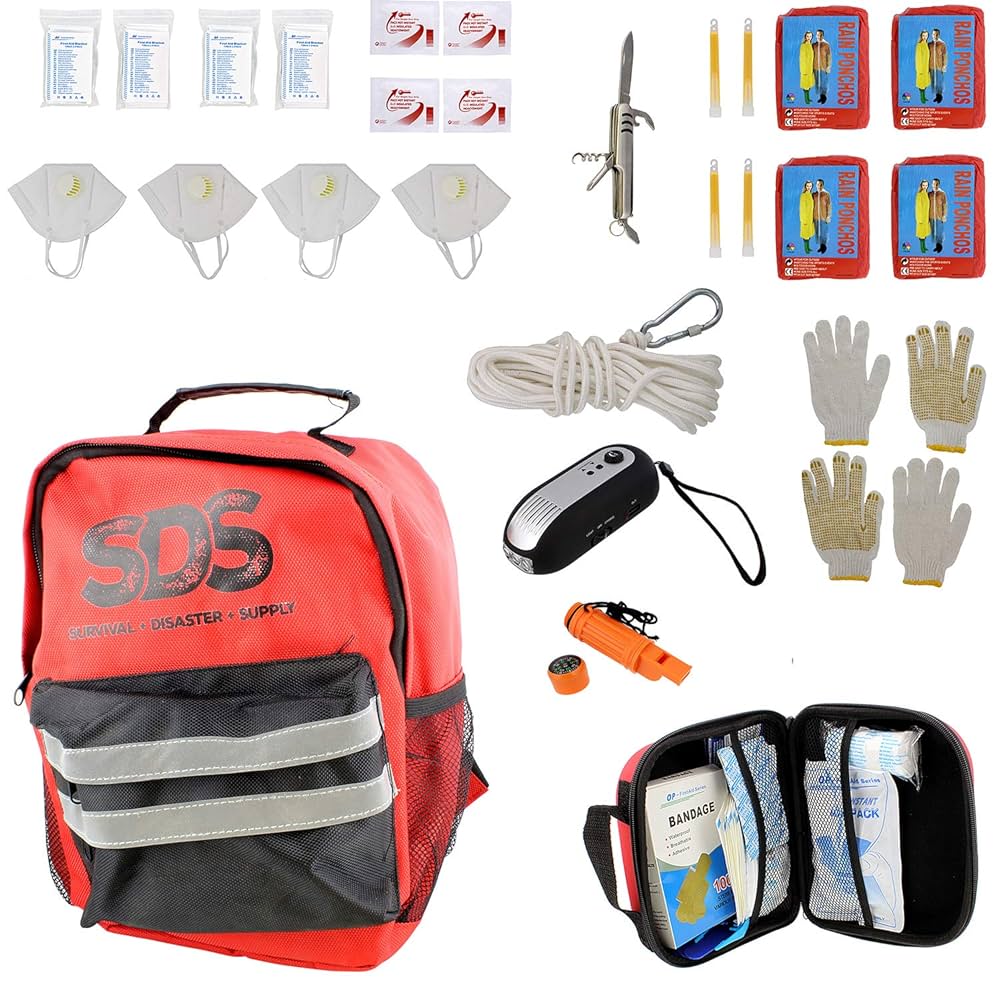
Credit: www.ebay.ca
Key Survival Challenges In A Blizzard
Blizzards bring harsh conditions that test survival skills. Knowing the main challenges helps prepare a proper survival kit. Extreme cold, poor visibility, and power loss create dangerous situations. Each challenge demands specific tools and strategies to stay safe.
Extreme Cold And Hypothermia
Temperatures drop quickly during a blizzard. The body loses heat fast. Hypothermia is a serious risk. It happens when body temperature falls below safe levels. Warm clothing, insulated blankets, and hand warmers are essential. Staying dry is key to prevent heat loss. A survival kit must include items to maintain body warmth.
Limited Visibility And Navigation
Snow and wind reduce visibility to near zero. Landmarks disappear under thick snow. Getting lost is easy and dangerous. A compass and a map help find direction. A flashlight or headlamp with extra batteries is vital. Reflective gear increases visibility if you move outside. These tools assist in safe navigation during a blizzard.
Power Outages And Communication Loss
Blizzards often cause power failures. Heating systems stop working without electricity. Communication lines may also go down. A battery-powered radio keeps you informed of weather updates. Extra batteries or a hand-crank charger ensure devices stay powered. Having a whistle or signal mirror helps attract attention. Being prepared for power and communication loss is critical for safety.

Credit: www.youtube.com
Clothing And Warmth Essentials
Staying warm during a blizzard is crucial for survival. Cold weather can quickly lower your body temperature. Proper clothing helps keep heat in and cold out. This section covers key clothing and warmth essentials for your survival kit. Each item plays a vital role in protecting against the harsh cold and wind.
Insulated Outerwear
Insulated outerwear is the first defense against freezing temperatures. Choose jackets and pants filled with down or synthetic insulation. These materials trap body heat effectively. Look for items with tight cuffs and adjustable hoods. They prevent cold air from entering. Outerwear should be lightweight but warm. Remember, bulky clothing can slow you down.
Thermal Layers And Accessories
Thermal layers keep your body heat close to the skin. Use moisture-wicking base layers made of wool or synthetic fabrics. Avoid cotton as it traps moisture and chills the body. Add mid-layers like fleece or wool sweaters for extra warmth. Don’t forget accessories like thermal socks, gloves, and hats. These small items protect extremities where heat loss is high.
Waterproof And Windproof Gear
Waterproof and windproof gear blocks harsh weather elements. Snow and wind can cause rapid heat loss. Wear waterproof jackets and pants to stay dry. Look for breathable fabrics that prevent sweat buildup. Windproof gloves and hats shield exposed skin from biting winds. Keep your survival kit stocked with these essentials for effective protection.
Food And Hydration Supplies
Food and hydration are critical during a blizzard. Cold weather drains energy fast. Staying nourished and hydrated keeps the body warm and alert. Pack items that last long without refrigeration. Choose foods rich in calories and nutrients. Safe water is essential for survival. Also, consider ways to heat food and drinks safely.
Non-perishable High-energy Foods
- Energy bars with nuts and dried fruit
- Canned meats like tuna or chicken
- Peanut butter or nut butter packets
- Instant oatmeal or granola packs
- Dried fruits such as raisins or apricots
- Trail mix with seeds and chocolate
- Powdered milk or protein shakes
These foods provide quick energy and last for months. Choose items that do not require cooking.
Water Storage And Purification
- Store at least one gallon of water per person daily
- Use BPA-free water containers or bottles
- Include water purification tablets
- Carry a portable water filter
- Have a small pot for boiling water
Clean water prevents dehydration and illness. Melting snow can be an emergency water source but must be purified before drinking.
Heat Packs And Cooking Options
- Disposable heat packs for hands and body
- Portable camping stove with fuel
- Windproof lighter or waterproof matches
- Small cooking pot or metal cup
- Fuel-efficient cooking options like solid fuel tablets
Heat packs provide warmth without electricity. Cooking equipment helps warm food and drinks, boosting morale and energy.

Credit: www.servpro.com
Shelter And Sleeping Gear
During a blizzard, staying warm and dry is crucial. Shelter and sleeping gear keep you safe from freezing temperatures and harsh winds. Proper equipment can prevent hypothermia and frostbite. Choose items that are compact, lightweight, and effective.
Emergency Blankets And Sleeping Bags
Emergency blankets reflect body heat to keep you warm. They are thin, light, and easy to carry. Sleeping bags designed for cold weather provide insulation and comfort. Look for bags rated for temperatures below freezing. Combine blankets and sleeping bags for extra warmth.
Portable Shelter Options
Portable shelters protect you from snow and wind. Small tents or bivy sacks are good choices. They should be easy to set up and strong against harsh weather. Tarps can also create quick, effective shelters. Choose shelters made from waterproof materials.
Insulation Materials
Insulation stops cold air from reaching your body. Use foam pads or inflatable sleeping pads under your sleeping bag. Layering clothes also helps trap heat. Natural materials like pine needles can add extra insulation on the ground. Always avoid direct contact with snow or ice.
Navigation And Communication Tools
Navigation and communication tools are essential in a survival kit for a blizzard. When visibility drops and landscapes blur into endless white, knowing where you are and how to signal for help can be a matter of life and death. You need reliable gear that works even in freezing temperatures and harsh conditions.
Gps Devices And Maps
A GPS device can pinpoint your location with precision, even in heavy snow. Look for models with long battery life and waterproof features, since cold weather drains power quickly.
Always add a physical map and compass to your kit. Electronics can fail, but a map and compass don’t rely on batteries or signals. Have you practiced reading a map in low visibility? It’s a skill worth mastering before you face a blizzard.
Two-way Radios And Signal Tools
Two-way radios let you stay in touch with your group or rescuers without depending on cell towers, which often go down in storms. Choose radios with a good range and clear sound, and keep spare batteries handy.
Signal tools like mirrors or portable signal lights can attract attention when help is near. In a blizzard, flashing lights or reflective surfaces cut through the whiteout better than you might expect.
Emergency Whistles And Flares
Emergency whistles are lightweight and easy to carry, but they produce loud, piercing sounds that can travel far through snow-covered landscapes. Carry one on your person so you can signal even if you’re trapped or injured.
Flares provide a visual signal that rescuers can spot from a distance. Use them carefully—blizzards can make lighting difficult, so practice beforehand and keep waterproof matches or a lighter in your kit.
First Aid And Health Items
Having the right first aid and health items in your survival kit can make all the difference during a blizzard. Cold weather increases the risk of injuries and illnesses that need immediate attention. You want to be prepared to treat minor wounds, manage cold-related conditions, and maintain personal hygiene when help might be far away.
Basic Medical Supplies
Start with essentials like adhesive bandages, sterile gauze pads, and medical tape. These items help you quickly cover cuts and prevent infections. Include antiseptic wipes and antibiotic ointment to clean wounds effectively.
Don’t forget a pair of scissors and tweezers—they’re invaluable for cutting tape or removing splinters. A digital thermometer is also useful to check for fever, which can signal infection or hypothermia.
Medications For Cold-related Issues
Cold weather can cause specific problems like frostbite, hypothermia, and respiratory issues. Stock your kit with pain relievers such as ibuprofen or acetaminophen to reduce fever and ease aches.
Include medications for cough and congestion to help with cold symptoms, especially if you’re stuck indoors. Also, consider blister treatment supplies, as cold boots and wet conditions often lead to foot blisters.
Personal Hygiene Products
Maintaining hygiene in a blizzard is tough but crucial to avoid infections. Pack hand sanitizer, moist towelettes, and a small pack of tissues.
Adding a toothbrush, toothpaste, and travel-sized soap helps keep you feeling fresh and prevents skin problems. Think about your comfort—cleanliness supports both your physical health and morale in harsh conditions.
Lighting And Power Sources
Lighting and power sources are essential in your blizzard survival kit. Without reliable light, you may struggle to navigate, stay safe, or perform basic tasks in the dark. Power sources ensure your devices keep running, which can be lifesaving when you need to communicate or heat your shelter.
Flashlights And Headlamps
Choose sturdy, waterproof flashlights and headlamps for hands-free use. LED models offer bright, energy-efficient light, which lasts longer during outages. Having both types lets you switch between focused lighting and broader illumination depending on your situation.
Think about the tasks you’ll perform in the dark. Will you need to read a map or walk through deep snow? Headlamps free your hands for digging or cooking, while flashlights provide powerful beams to scout your surroundings.
Extra Batteries And Power Banks
Always pack extra batteries that match your lighting devices. Cold weather drains batteries faster, so having backups is crucial. Store batteries in a warm place, like inside your jacket, to keep them functional.
Power banks keep smartphones and other electronics charged. Select models with a high mAh rating for extended use. Some power banks can be recharged with solar panels, giving you more options if the power goes out for days.
Alternative Light Sources
Candles, glow sticks, and chemical light sticks can provide light when batteries run out. Candles offer steady light but require caution to prevent fires. Glow sticks are safe, lightweight, and last several hours, making them ideal for emergencies.
Have you tried using a small camping lantern with fuel or a hand-crank flashlight? These alternatives can save your day when batteries and power banks fail. Including a mix of light sources ensures you’re never left in total darkness during a blizzard.
Tools And Multi-purpose Equipment
Having the right tools and multi-purpose equipment in your blizzard survival kit can make a huge difference. These items not only help you stay safe but also keep you comfortable and prepared for unexpected challenges. Think about the last time you faced a tough situation outdoors—did you have the right tool to solve the problem quickly?
Multi-tools And Knives
A good multi-tool is like having a mini toolbox in your pocket. It combines pliers, screwdrivers, scissors, and knives, giving you the flexibility to handle various tasks without carrying bulky gear.
A sharp knife is essential too. It can help you cut rope, open packages, or even prepare food. Look for a knife with a sturdy blade and a comfortable grip—your hands will thank you when the temperature drops.
Fire Starters And Matches
Fire is crucial during a blizzard. It warms you, melts snow for water, and can signal rescuers. Waterproof matches or a reliable fire starter kit should be part of your survival kit.
Consider carrying different types of fire starters—such as magnesium sticks or flint. They can work even when wet, unlike traditional matches. Have you ever tried lighting a fire in wet conditions? It’s a skill that’s easier with the right tools.
Snow Removal Tools
Getting stuck in deep snow is a real hazard. A compact snow shovel can help you dig out your car or clear a path to shelter quickly.
Look for lightweight, foldable shovels designed for portability. Some even come with serrated edges to cut through ice. What would you do if you had to clear a heavy snowdrift with just your hands?
Preparing And Maintaining Your Kit
Preparing and maintaining your survival kit for a blizzard is essential. A ready kit can provide safety and comfort during extreme weather. It needs regular care to stay useful and reliable. Check and update it often. Adjust it based on your changing needs and seasons. Proper storage ensures quick access when time is critical.
Regular Inspection And Updates
Inspect your survival kit every few months. Look for expired food, batteries, and medications. Replace items that are damaged or outdated. Check water containers for leaks or cloudiness. Confirm that all tools work properly. Keeping the kit current ensures it will function in an emergency.
Customizing For Personal Needs
Tailor your kit to fit your health and lifestyle. Include any prescription medicines and extra glasses. Add items for babies, pets, or elderly family members. Think about your climate and typical blizzard risks. Customize clothing, blankets, and food to match these needs. A personal touch improves comfort and survival chances.
Storage Tips For Accessibility
Store your kit in a dry, cool place. Use waterproof containers to protect contents from moisture. Keep it where everyone in the family can reach easily. Avoid high shelves or locked cabinets. Label the kit clearly. Consider a portable bag for quick grab-and-go situations. Accessibility saves precious time during a blizzard emergency.
Frequently Asked Questions
What Are The Essential Items For A Blizzard Survival Kit?
A blizzard survival kit must include water, non-perishable food, a first aid kit, warm clothing, and a flashlight. These items ensure warmth, hydration, and safety during extreme cold and power outages.
How Much Food And Water To Pack For A Blizzard?
Pack at least three days’ worth of non-perishable food and one gallon of water per person daily. This amount supports basic survival needs during extended blizzard conditions.
Why Is A First Aid Kit Important In A Blizzard Kit?
A first aid kit treats injuries and prevents infections when medical help is unavailable. It is crucial for handling emergencies during isolation caused by heavy snow.
What Clothing Should Be Included In A Blizzard Survival Kit?
Include thermal underwear, insulated gloves, a warm hat, waterproof boots, and extra socks. These help maintain body heat and prevent frostbite in freezing temperatures.
Conclusion
A well-prepared blizzard survival kit saves lives. Essentials like food, water, and a flashlight are key. Warm clothing and blankets keep you cozy and safe. Include a first-aid kit for unexpected injuries. A battery-powered radio helps with updates. Don’t forget extra batteries and phone chargers.
Personal items like medications and important documents matter too. Simple planning ensures comfort during a storm. Preparing ahead reduces stress when blizzards strike. Stay safe, stay warm, and stay prepared. Your survival kit is your best friend in harsh weather.