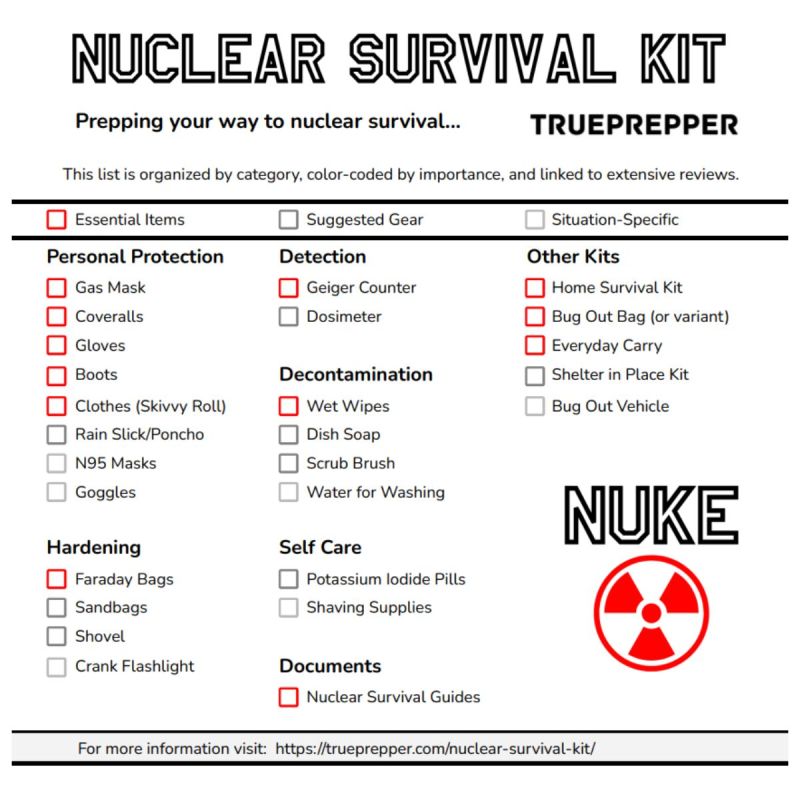
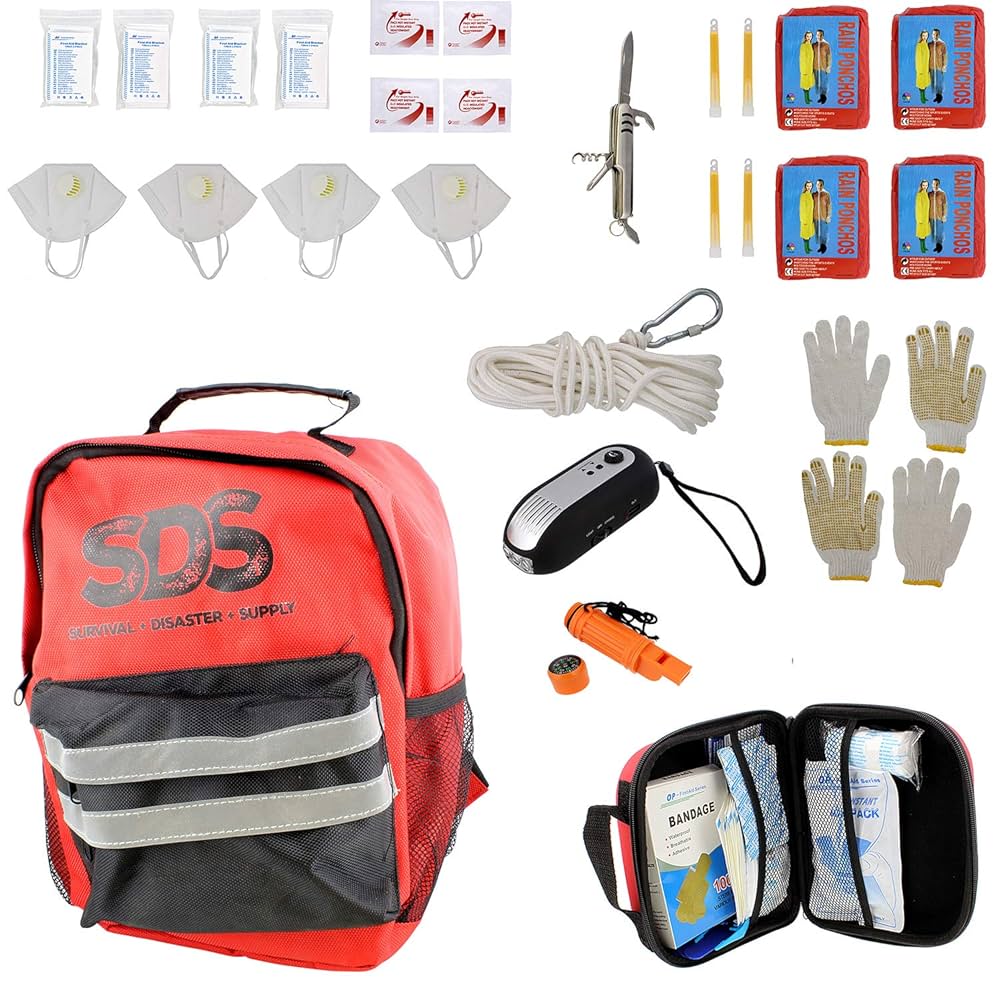
What do you pack in your survival kit? It’s a simple question, but the answer can make all the difference when you face unexpected situations.
Imagine being caught without the right tools or supplies—how would you stay safe, comfortable, or even alive? Your survival kit is more than just a bag; it’s your lifeline. You’ll discover exactly what essentials you need to prepare for emergencies.
Keep reading to build a kit that’s reliable, effective, and tailored just for you.
Basic Survival Essentials
Basic survival essentials form the foundation of any good survival kit. These items help you stay alive and safe in tough situations. Packing the right gear can make a big difference. Focus on essentials that cover water, food, and shelter.
Water And Hydration Tools
Water is the most important survival need. Carry enough water for at least 72 hours. Include tools to purify water, like:
- Water purification tablets
- Portable water filter
- Collapsible water bottle
These tools ensure you have clean water to drink anywhere.
Food And Nutrition Supplies
Food provides energy to keep going. Pack lightweight, non-perishable food items such as:
- Energy bars
- Dried fruits and nuts
- Freeze-dried meals
Choose foods rich in calories and easy to carry. Also, include a small portable stove or fire-starting kit to cook if needed.
Shelter And Warmth Gear
Protection from the weather is vital. Include items to stay warm and dry, like:
- Compact tent or tarp
- Emergency space blanket
- Insulated sleeping bag
- Extra clothing layers
These items help maintain body heat and provide shelter from rain and wind.
Navigation And Communication Devices
Having reliable navigation and communication devices in your survival kit can make a crucial difference when you find yourself off the grid. These tools help you stay oriented and connected, even in challenging environments. Let’s look closely at what you should pack to ensure you can find your way and call for help if needed.
Maps And Compasses
Never underestimate the power of a good paper map and a sturdy compass. GPS devices rely on batteries and signals that might fail, but a map and compass work anywhere and anytime. Choose detailed topographic maps of your area, and practice reading them before you need to.
Carrying a compass that feels comfortable in your hand and is easy to read can save you hours of wandering. Remember, knowing how to use these tools is just as important as having them. Have you ever tried navigating without a compass? It quickly shows why these basics are non-negotiable.
Emergency Signaling Tools
When you’re lost or in trouble, making yourself visible or audible can be life-saving. Pack a whistle, signal mirror, and brightly colored cloth or flag in your kit. These tools help rescuers spot you from far away or hear your location.
A whistle can carry sound much farther than your voice, especially in dense woods or over rough terrain. A signal mirror flashes sunlight to attract attention even from miles away. Would you rely on shouting alone if you were stuck miles from help?
Portable Communication Equipment
Modern survival kits benefit greatly from portable communication devices like handheld radios or satellite messengers. These gadgets allow you to send distress signals or stay in touch with rescue teams when cell phones don’t work.
Consider a two-way radio for group trips, so you can coordinate with others nearby. For solo adventurers, a satellite messenger with GPS tracking can alert emergency responders with your exact location. It’s worth asking yourself: how will you call for help when no one is around?
First Aid And Medical Supplies
First aid and medical supplies form the heart of any survival kit. They help manage injuries and health issues in emergencies. Proper preparation can reduce pain and prevent infections. Carry items that cover common wounds and medical needs. Keep the kit compact but well stocked.
Basic First Aid Items
- Adhesive bandages in various sizes
- Sterile gauze pads and adhesive tape
- Antiseptic wipes or solution
- Disposable gloves for hygiene
- Scissors and tweezers
- Elastic bandages for sprains
- Instant cold packs
Medications And Personal Care
- Pain relievers like ibuprofen or acetaminophen
- Antihistamines for allergic reactions
- Anti-diarrheal and antacid tablets
- Personal prescriptions and medical info
- Lip balm and sunscreen for skin care
- Hand sanitizer to keep hands clean
Injury Treatment Tools
- Burn cream or aloe vera gel
- Antibiotic ointment to prevent infection
- Sterile saline solution for eye washing
- Finger splints or small splints for fractures
- CPR face shield or mask
- Thermometer to check body temperature
Fire Starting Equipment
Fire starting equipment is a must-have in any survival kit. It gives you warmth, a way to cook food, and a signal for help. Knowing exactly what to pack can make a big difference when you need fire the most.
Lighters And Matches
Lighters are compact and easy to use. A reliable butane lighter can work through wind and rain, which is crucial in tough conditions.
Matches are lightweight and simple but can fail when wet. Waterproof matches or match cases add a layer of security. Carrying both gives you backup options—you never know when one might fail.
Fire Starters And Tinder
Fire starters help ignite a fire quickly and with less effort. Items like cotton balls soaked in petroleum jelly, commercial fire sticks, or compressed wood pellets work well.
Tinder is the base that catches the initial spark. Dry leaves, bark shavings, or small twigs are good natural choices. You can also buy pre-packaged tinder that lights easily and burns long enough to catch bigger wood.
Safety And Maintenance
Fire equipment needs regular checks. Make sure your lighters have fuel and your matches stay dry. Replace any worn or damaged items before your trip.
Store fire materials in a waterproof container to protect them from moisture. Also, practice lighting fires safely—know how to control flames and avoid accidents.
Tools And Multi-use Items
Tools and multi-use items are essential for any survival kit. They help solve many problems quickly and save space. Choosing the right tools makes survival easier and safer. Each item should be practical and durable.
Knives And Cutting Tools
A good knife is one of the most important survival tools. Use it for cutting rope, preparing food, or making shelter. A folding knife is compact and easy to carry. Fixed-blade knives offer strength for tougher jobs. Carry a sharpener to keep blades effective. Small cutting tools like wire cutters or scissors also come in handy.
Multipurpose Tools
Multipurpose tools combine many functions into one compact device. They often include pliers, screwdrivers, and can openers. These tools reduce the number of items you carry. Choose a model with sturdy construction and essential features. A quality multipurpose tool can handle repairs, food prep, and first aid tasks.
Cordage And Repair Kits
Cordage is vital for building shelters, making traps, or securing gear. Paracord is strong, lightweight, and versatile. Include different lengths for various needs. Repair kits should have needles, thread, duct tape, and patches. These items fix torn clothes, gear, and equipment quickly. A small sewing kit and zip ties add valuable repair options.
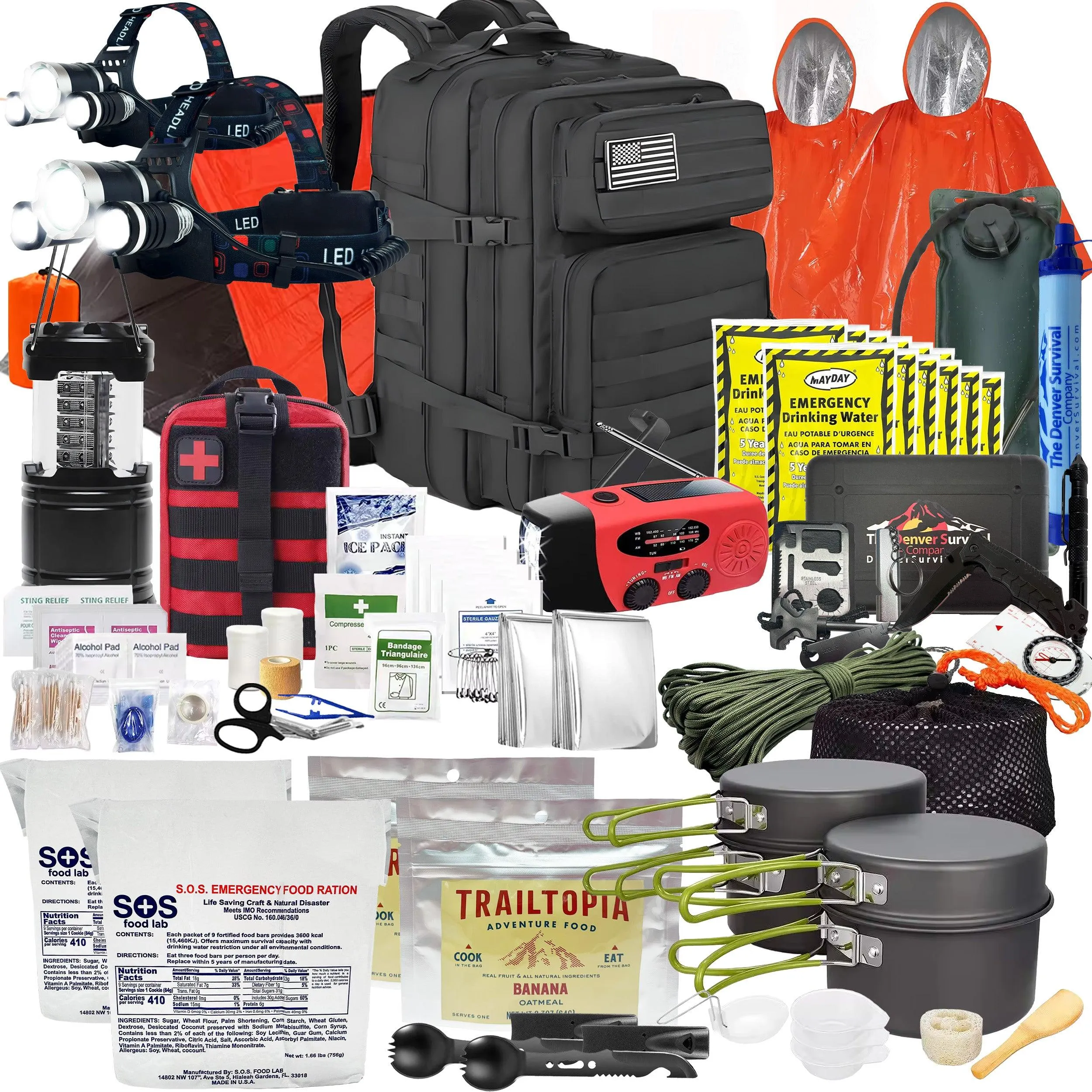
Credit: hamradio.my
Clothing And Protection
Clothing and protection are vital parts of any survival kit. They keep you safe from harsh weather and environmental dangers. Proper clothing helps maintain body temperature and prevents injuries. Protection gear guards against cuts, insects, and sun damage. Good footwear supports long walks and rough terrain.
Weather-appropriate Clothing
Choose clothes based on the climate of your area. For cold weather, pack insulated jackets, thermal layers, and waterproof outerwear. In hot climates, lightweight, breathable fabrics are best. Include a hat and gloves for sun and cold protection. Quick-dry materials help keep you dry and comfortable.
Protective Gear
Safety items shield your skin and eyes from harm. Pack gloves to protect your hands from sharp objects. Sunglasses or safety goggles prevent eye injuries and sun glare. A durable hat shields your head from sun and rain. Use insect repellent clothing or sprays to avoid bites.
Footwear Essentials
Strong, comfortable shoes are crucial for survival. Hiking boots with good ankle support reduce injury risk. Waterproof shoes keep feet dry and warm. Pack extra socks to prevent blisters and infections. Choose shoes that fit well and suit the terrain you expect to cross.
Personal Safety And Security
Personal safety and security are crucial parts of any survival kit. They help protect you from harm and alert others if you need help. Preparing these items ensures peace of mind in uncertain situations. Focus on tools that are easy to use and carry.
Self-defense Items
Self-defense items provide a way to protect yourself in dangerous moments. Choose compact tools that fit easily in your pack. Common options include pepper spray, a tactical flashlight, or a personal stun gun. These tools can deter attackers and buy you time to escape. Training on how to use them safely is important.
Emergency Whistles And Alarms
Emergency whistles and alarms draw attention when you need help. A loud whistle can be heard from far away. Small personal alarms emit a strong sound to scare threats and alert others nearby. These devices do not need batteries or use minimal power, making them reliable. Keep one within easy reach at all times.
Light Sources And Batteries
Light sources are vital for visibility and signaling during emergencies. Pack a reliable flashlight with extra batteries. Headlamps free your hands and are useful for nighttime tasks. Compact LED lights last longer and use less energy. Store spare batteries in a waterproof container to keep them dry and functional.

Credit: www.valhallatactical.com.au
Packing And Maintenance Tips
Packing and maintaining your survival kit is more than just stuffing items into a bag. It requires thoughtful organization, regular care, and attention to weight. These steps ensure that your kit is ready to serve you well when you need it most.
Organizing Your Kit
Start by grouping similar items together. Use small pouches or ziplock bags to separate essentials like first aid supplies, tools, and food. This makes it easier to find what you need quickly without rummaging through everything.
Label each section clearly. I once had to find a flashlight in an emergency and spent precious minutes digging through my kit. Since then, I keep the lighting gear in a marked pouch right at the top.
Regular Updates And Checks
Your survival kit isn’t a one-time project. Set a reminder to check it every few months. Look for expired food, batteries, and medications, and replace them promptly.
Test your tools and gadgets regularly to ensure they work. Imagine needing a fire starter and finding it damp or broken. Avoid this by inspecting and maintaining each item, so it’s reliable when you need it.
Weight And Portability
Ask yourself: can you comfortably carry your kit for hours if needed? Avoid packing too many heavy items that you won’t use. Prioritize lightweight, multi-use gear to keep your load manageable.
Remember, a bulky kit might stay home, defeating its purpose. Choose compact containers and distribute weight evenly to make carrying easier. Your kit should empower your mobility, not hinder it.
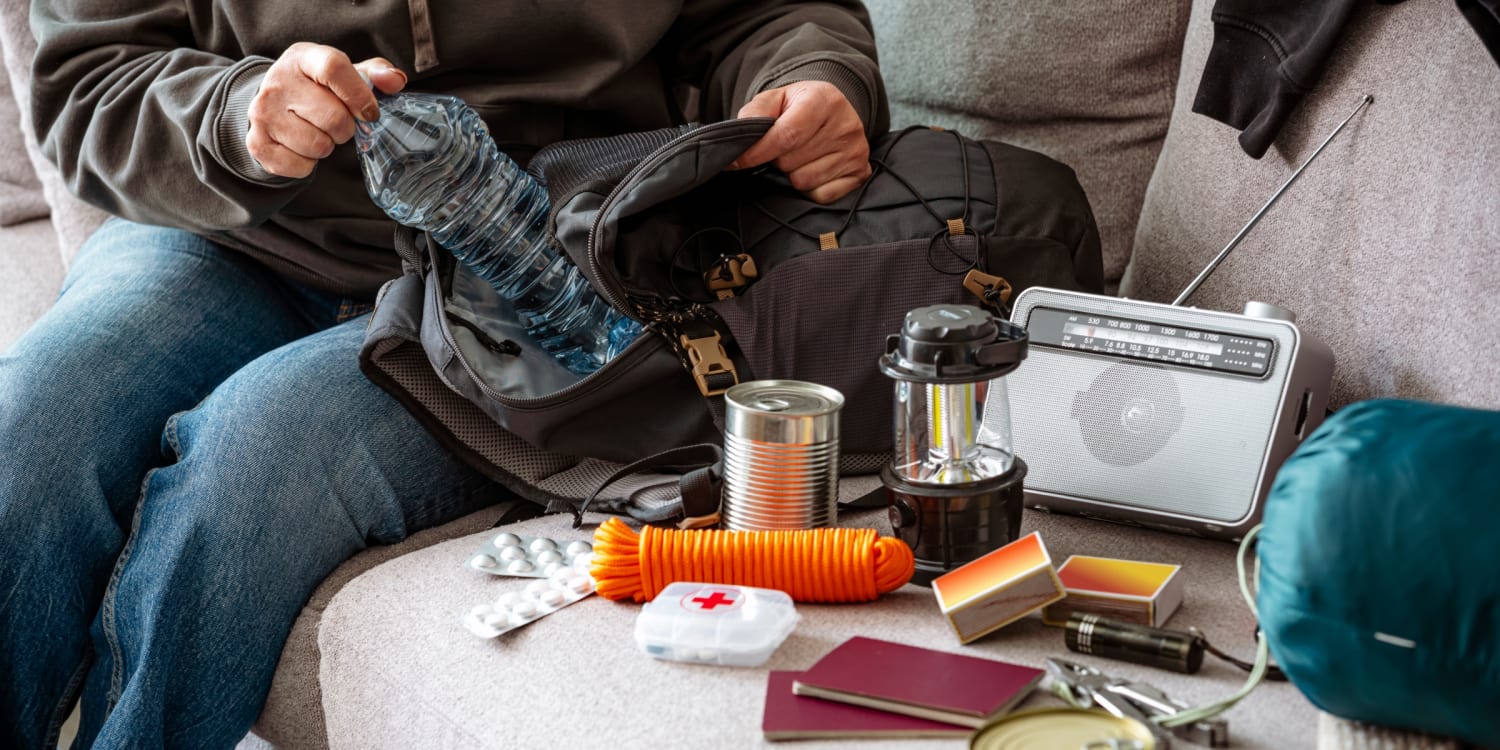
Credit: www.nbcnews.com
Frequently Asked Questions
What Essentials Are In A Survival Kit?
A survival kit should include water, food, a first aid kit, and a flashlight. Add a multi-tool, matches, and a whistle. A thermal blanket and extra clothing are important too. Don’t forget a map and compass for navigation.
Why Is A Survival Kit Important?
A survival kit is crucial for emergencies and unexpected situations. It provides essential tools and resources. It ensures safety and survival until help arrives. Having a well-stocked kit boosts confidence and preparedness.
How Often Should You Update A Survival Kit?
Review your survival kit every six months. Replace expired items like food, batteries, and medications. Update the kit according to seasonal needs. Ensure all tools and equipment are in working order. Regular updates keep the kit effective.
Can A Survival Kit Fit In A Backpack?
Yes, a compact survival kit fits in a backpack. Prioritize lightweight and essential items. Use space-saving packaging techniques. Opt for multi-purpose tools to save space. Ensure the backpack is durable and comfortable to carry.
Conclusion
Packing a survival kit takes careful thought and planning. Choose items that help you stay safe, warm, and fed. Water, food, and first aid are top priorities. Tools like a flashlight and knife add value. Keep your kit light but complete.
Practice using the items before an emergency. Being prepared can make a big difference. Stay calm and ready for any situation. Your survival kit is your lifeline. Always check and update it regularly. Small steps today can protect you tomorrow.