Are you ready to turn everyday moments into exciting adventures? Creating your own homemade fun survival kit is a simple way to keep boredom away and bring joy wherever you go.
Imagine having a personalized kit packed with clever, entertaining items that make any situation more enjoyable. Whether you’re planning a family outing, a road trip, or just want to be prepared for unexpected downtime, these ideas will spark your creativity and make fun easy to access.
Keep reading, and discover how you can build your perfect fun survival kit today!
Credit: www.etsy.com
Essential Survival Kit Items
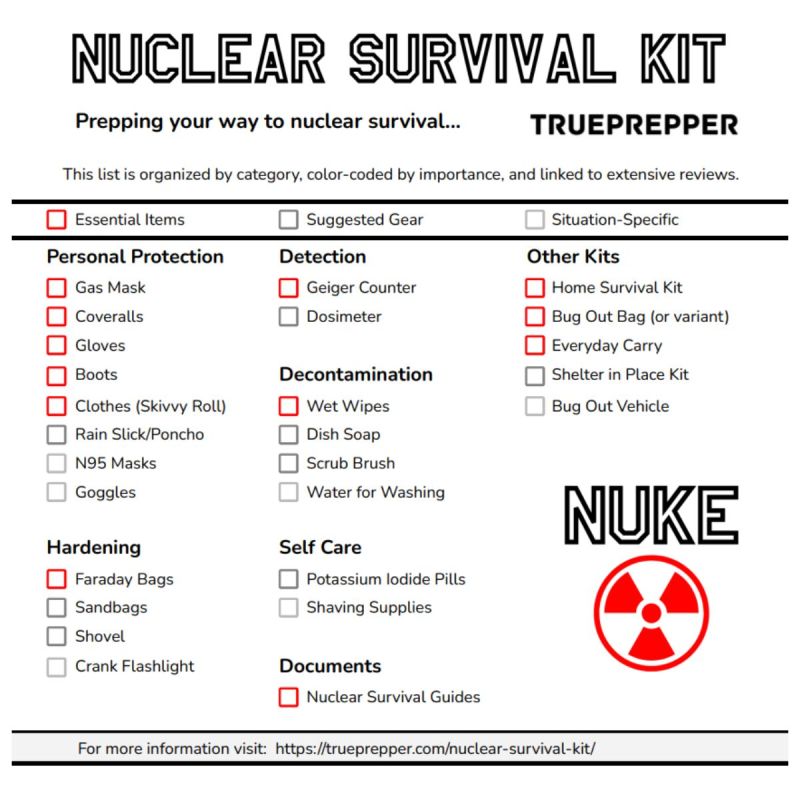
Building your own survival kit can feel overwhelming, but focusing on essential items helps you stay prepared without packing unnecessary gear. Your kit should cover the basics: tools to help you navigate and build shelter, first aid to treat injuries, and reliable food and water sources. These essentials form the backbone of any effective homemade survival kit.
Basic Tools And Gear
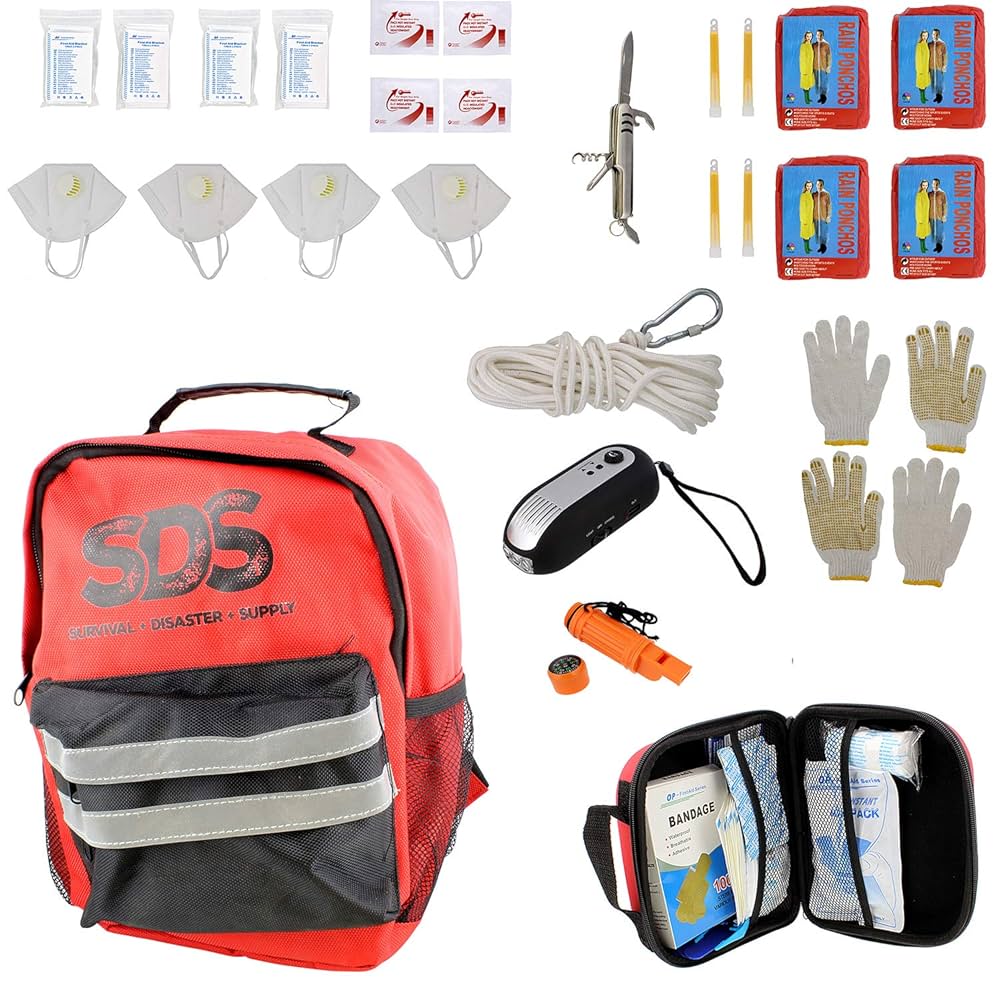
Start with multipurpose tools that serve more than one function. A sturdy knife is invaluable for cutting, preparing food, or making kindling. Add a compact flashlight or headlamp to light your way after dark.
Don’t forget fire starters like waterproof matches or a magnesium fire starter—they’re crucial when you need warmth or to boil water. A small, durable tarp or emergency blanket can provide shelter or signal for help. Ask yourself: what tools would you grab first if you had to leave your home quickly?
First Aid Essentials
Your kit should include basics like adhesive bandages, antiseptic wipes, and gauze pads to manage cuts and scrapes. Pain relievers and allergy medication can make a big difference when professional help isn’t nearby. Include tweezers and scissors for splinter removal or cutting tape.
Think about common injuries you or your family might face. Adding items like a CPR mask and a small manual on first aid can boost your confidence in emergencies. How prepared do you feel to handle a minor injury with what you have on hand?
Food And Water Supplies
Pack non-perishable, high-energy snacks such as nuts, dried fruits, and energy bars. These items are lightweight and provide quick fuel when you’re on the move. Don’t forget a reliable water container—hydration is critical.
Water purification tablets or a portable filter can make unsafe water drinkable, extending your survival options. Think about how long you might need to rely on your kit. Are your food and water supplies enough to keep you energized and hydrated?
Creative Container Options
Choosing the right container for your homemade survival kit can make a big difference in how often you use it and how easy it is to carry. Creative container options allow you to customize your kit to fit your lifestyle and needs. Think about where you’ll keep it and how you’ll access the items quickly when needed.
Repurposed Household Items
Look around your home for containers that can get a second life as a survival kit holder. An empty, sturdy coffee tin or a large plastic jar with a screw-on lid can be waterproof and durable. These containers often come with built-in seals that keep contents dry, which is perfect for emergency supplies.
Old lunch boxes or tackle boxes also work well because they have compartments to organize small items like matches, bandages, and fishing hooks. Using something you already have saves money and reduces waste. Have you checked your kitchen or garage lately for these hidden gems?
Compact And Portable Designs
If you need a survival kit you can carry every day, size matters. Small, lightweight containers like pill organizers or compact first aid kits fit easily into pockets or backpacks. These options help you keep essentials handy without adding bulk.
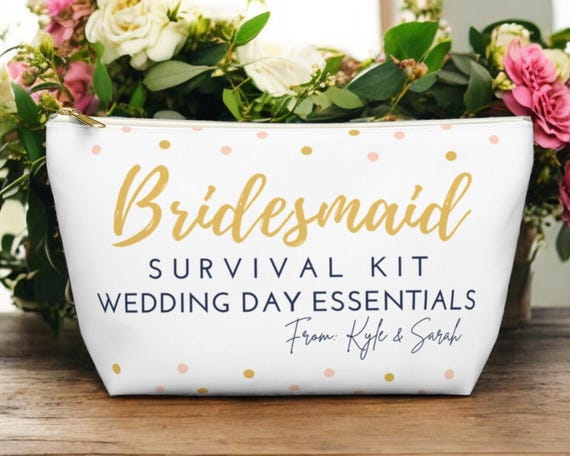
Consider a sturdy zippered pouch or a MOLLE-compatible pouch if you want to attach your kit to a belt or bag. These designs often have multiple compartments for better organization. What’s the smallest container you can think of that still holds all your must-have items?
Diy Survival Tools
DIY survival tools are essential for any homemade fun survival kit. They provide practical solutions during emergencies. Creating your own tools saves money and boosts confidence. These tools are simple to make using everyday items. They prepare you better for unexpected situations. Focus on tools that help with fire, shelter, and food gathering.
Homemade Fire Starters
Fire starters are crucial for warmth and cooking. You can craft effective starters using household materials. Wax-coated cotton balls work well. Soak cotton balls in melted candle wax, then let dry. Dryer lint is another excellent material. Combine lint with melted wax for easy ignition. Small pieces of cardboard dipped in wax also ignite quickly. Store these in a waterproof container to keep dry.
Improvised Shelter Materials
Creating shelter protects from weather and insects. Use large plastic sheets or garbage bags to build quick covers. Tie branches together to form a frame. Rope or paracord from old gear or shoelaces works perfectly for binding. Blankets or tarps can add insulation. Collect leaves or grass for extra padding and warmth. These materials are lightweight and easy to carry.
Diy Fishing And Hunting Gear
Fishing and hunting gear help secure food in the wild. Make fishing hooks from safety pins or bent paper clips. Use strong thread or thin wire as fishing line. Create simple fishing rods from sturdy sticks. For hunting, fashion small traps using wire and sticks. Slingshots can be made using rubber bands and forked branches. These tools improve your chances of catching food.
Personalized Survival Kit Additions
Creating a survival kit tailored to your needs can make all the difference when you’re facing unexpected situations. Personalized survival kit additions help ensure you’re prepared not just in general, but for your specific environment and comfort. This approach turns a basic kit into a trusted companion that fits your lifestyle and challenges.
Customizing For Climate And Location
Your survival kit should reflect the climate and terrain you live in or plan to visit. If you’re in a cold area, adding extra thermal blankets, hand warmers, and insulated gloves is essential. In hotter climates, include plenty of water purification tablets, a wide-brimmed hat, and sunscreen.
Think about your surroundings: Are you near water? Consider adding a compact fishing kit or water filtration system. In urban areas, a sturdy multitool and a flashlight with extra batteries can be more useful than heavy outdoor gear. What specific challenges does your location present, and how can you prepare for them?
Including Personal Comfort Items
Survival isn’t just about safety; comfort matters too. Small items like your favorite lip balm, a familiar snack, or a small photo can boost morale in tough times. I once included a tiny notebook and pen in my kit, which helped me keep track of important details and stay calm.
Don’t overlook hygiene basics like travel-sized toothpaste, wet wipes, or hand sanitizer. These simple items can improve your overall well-being and prevent illness. What personal items bring you comfort and peace of mind when everything else feels uncertain?
Packing And Organizing Tips
Packing and organizing a homemade survival kit takes careful thought. It helps to keep items neat and ready for use. Good organization can save time during an emergency. It also prevents damage to your supplies. Simple tips make your kit more efficient and easy to carry.
Maximizing Space Efficiency
Use small containers to store tiny items like matches or pills. Stack items by size and weight. Place heavier things at the bottom. Fill empty spaces with soft items like bandages. Roll clothes or fabric to save room. Use ziplock bags to keep things compact and dry. Choose multi-use tools to reduce the number of items.
Labeling And Accessibility
Label each container clearly with large, simple words. Use waterproof markers or printed labels. Organize items by category, such as food, first aid, or tools. Keep frequently used items near the top or outside. Use clear containers to see contents easily. Create a simple list of kit items and their locations. This list helps during quick searches in stressful times.
Credit: www.etsy.com
Maintenance And Kit Updates
Maintaining a homemade survival kit is essential for readiness. Regular updates keep the kit effective and reliable. Over time, items can expire or become damaged. This reduces their usefulness in emergencies. A well-maintained kit ensures safety and confidence during unexpected situations.
Regular Inspection Checklist
Check your survival kit every three to six months. Look for the following:
- Damaged containers or packaging
- Wet or moldy items
- Battery charge levels
- Expired food and medicine
- Rusty or broken tools
- Functionality of gadgets like flashlights
Note any missing items to replace them promptly. Keep a checklist to track your inspections easily. This habit prevents surprises during emergencies.
Replacing Expired Items
Expired food and medicine lose their effectiveness and safety. Replace these items as soon as their dates pass. Store fresh water and rotate supplies to keep them fresh. Update batteries regularly to avoid failures. Use a labeling system with purchase and expiry dates. This helps identify items that need replacement quickly.
Keep spare parts for tools and gadgets ready. Small repairs can extend the life of your equipment. Staying proactive ensures your survival kit works when you need it most.
.webp)
Credit: www.evite.com
Frequently Asked Questions
What Items Are Essential For A Survival Kit?
A survival kit should include water, non-perishable food, a flashlight, a first aid kit, and a multi-tool. These essentials help ensure safety and basic needs. Consider adding a whistle, matches, and an emergency blanket for additional preparedness. Always tailor your kit to suit specific needs and situations.
How Do You Make A Fun Survival Kit?
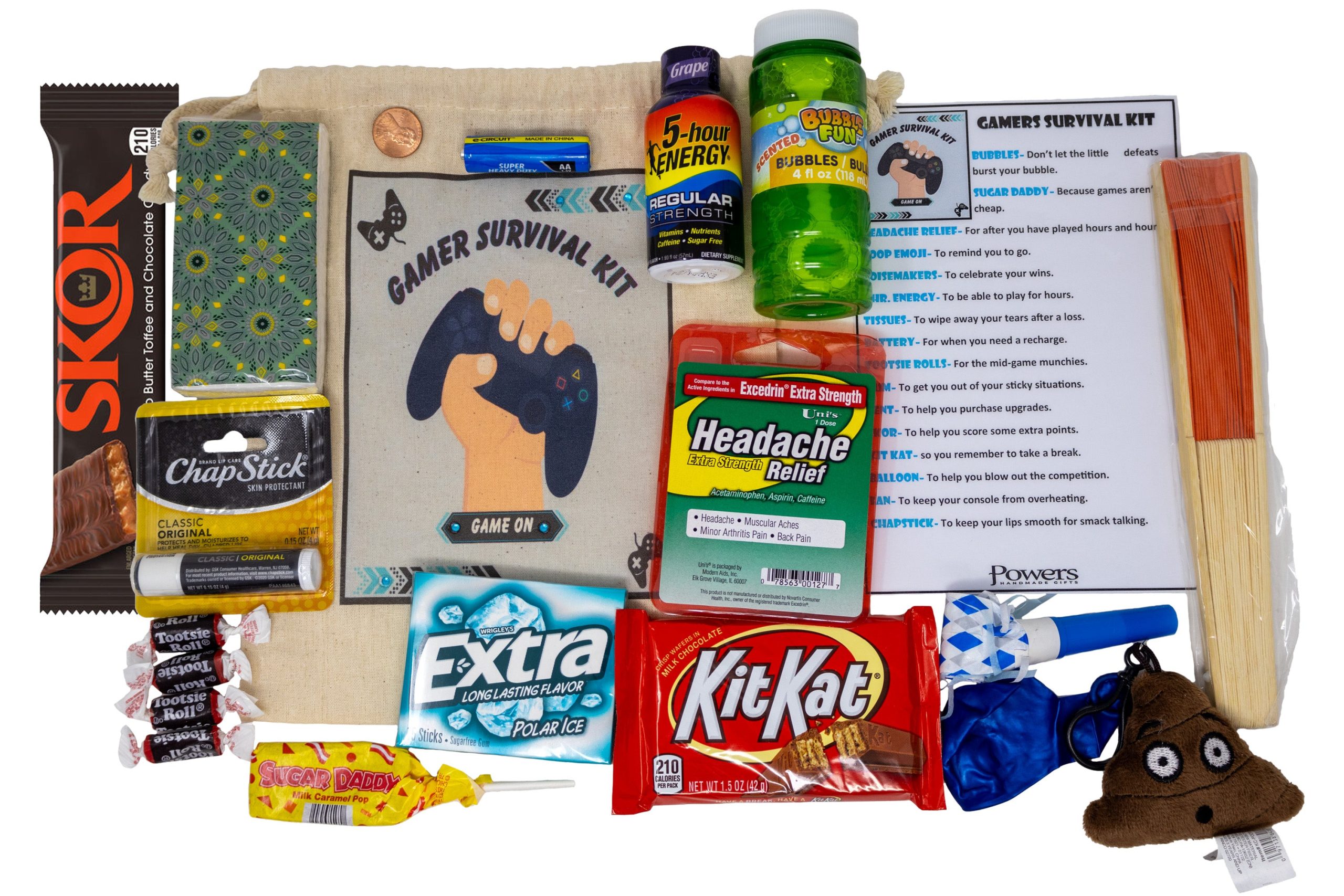
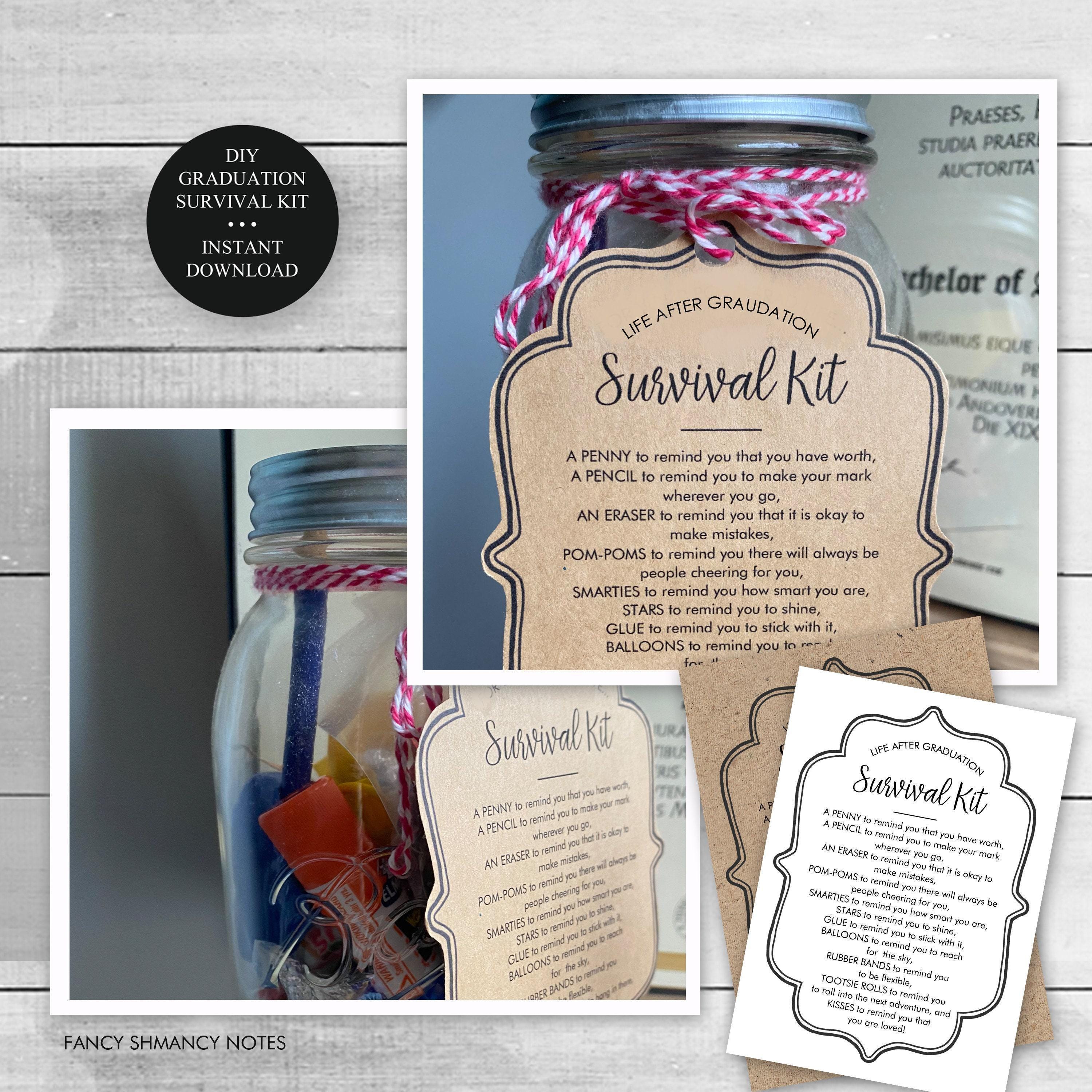
To make a fun survival kit, include playful items like a deck of cards or a puzzle. Add snacks for enjoyment, and consider a small notebook for creativity. Personalize it with favorite items or themes. This makes the kit engaging and adds a touch of joy during challenging times.
What Are Creative Homemade Survival Kit Ideas?
Creative survival kits can include themed items like movie-night snacks or camping essentials. Use a decorated box or bag for presentation. Add personal touches, such as handwritten notes or customized labels. Creativity makes the kit more enjoyable and memorable, providing both utility and entertainment.
How To Personalize A Survival Kit?
Personalizing a survival kit involves adding items that match the recipient’s interests. Include favorite snacks, hobbies, or themed elements. Consider color preferences or personal messages. Tailoring the kit to the individual makes it more meaningful and ensures it meets specific needs and tastes.
Conclusion
Homemade fun survival kits bring joy and safety together. Simple items can create hours of entertainment. Kids and adults enjoy using these creative kits. They help pass time during emergencies or outdoor trips. Each kit can be made to fit personal needs.
Start with easy, affordable supplies found at home. Sharing these kits builds teamwork and happy memories. Try making one today for your next adventure. Fun and safety go hand in hand.