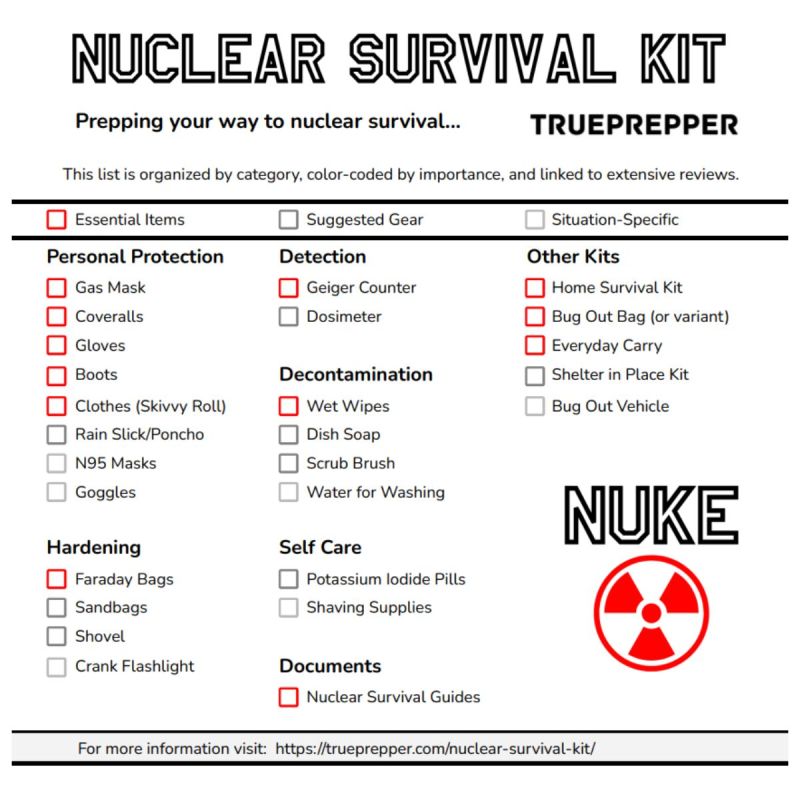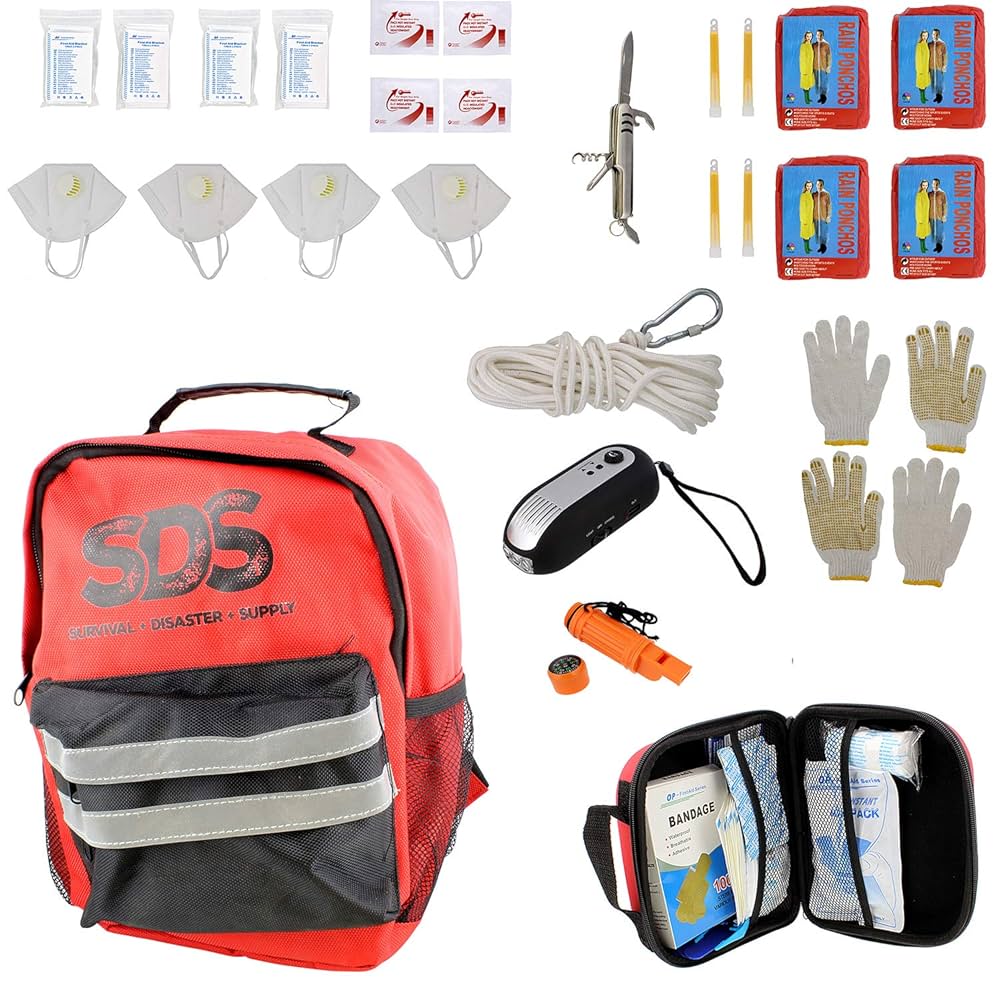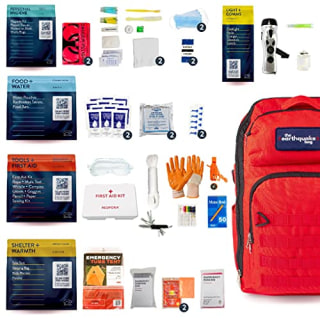
Have you ever wondered what exactly a survival kit is and why it might be essential for you? Imagine being caught in an unexpected situation—would you know what to grab to keep yourself safe and comfortable?
A survival kit isn’t just a box of random items; it’s a carefully packed set of tools designed to help you survive when things go wrong. You’ll discover what makes a survival kit truly valuable, how it can protect you, and why having one could be the smartest decision you make.
Keep reading, because knowing this could make all the difference when you need it most.

Credit: premierbodyarmor.com
Survival Kit Basics
A survival kit is more than just a collection of tools—it’s your lifeline in unexpected situations. Knowing the basics helps you prepare effectively, ensuring you have what you need when it counts. Let’s break down what a survival kit really is and why it matters.
Purpose Of A Survival Kit
A survival kit is designed to help you stay alive and safe during emergencies. It provides essential supplies like food, water, and first aid to keep you going. Think about times when you’ve been stuck without resources—having a kit can turn a tough situation into a manageable one.
Imagine being caught in bad weather or lost outdoors; your survival kit can be the difference between staying comfortable or facing serious danger. It’s not just about survival but also maintaining your confidence and calm in crises.
Types Of Survival Kits
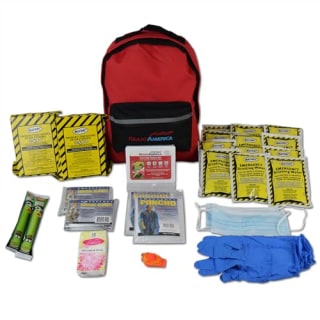
Survival kits come in many forms, each tailored to specific needs. Here are some common types:
- Emergency Kits:Basic supplies for general disasters like earthquakes or power outages.
- Outdoor Kits:Gear for hiking, camping, or wilderness adventures, including navigation and shelter tools.
- Vehicle Kits:Items to keep in your car for roadside emergencies.
- Bug-Out Bags:A portable kit ready for quick evacuation, packed with essentials for several days.
Knowing which type suits your lifestyle helps you build a kit that fits your needs. What situations do you think you should prepare for? Your answer guides what you should pack.
Credit: www.nbcnews.com
Essential Gear Components
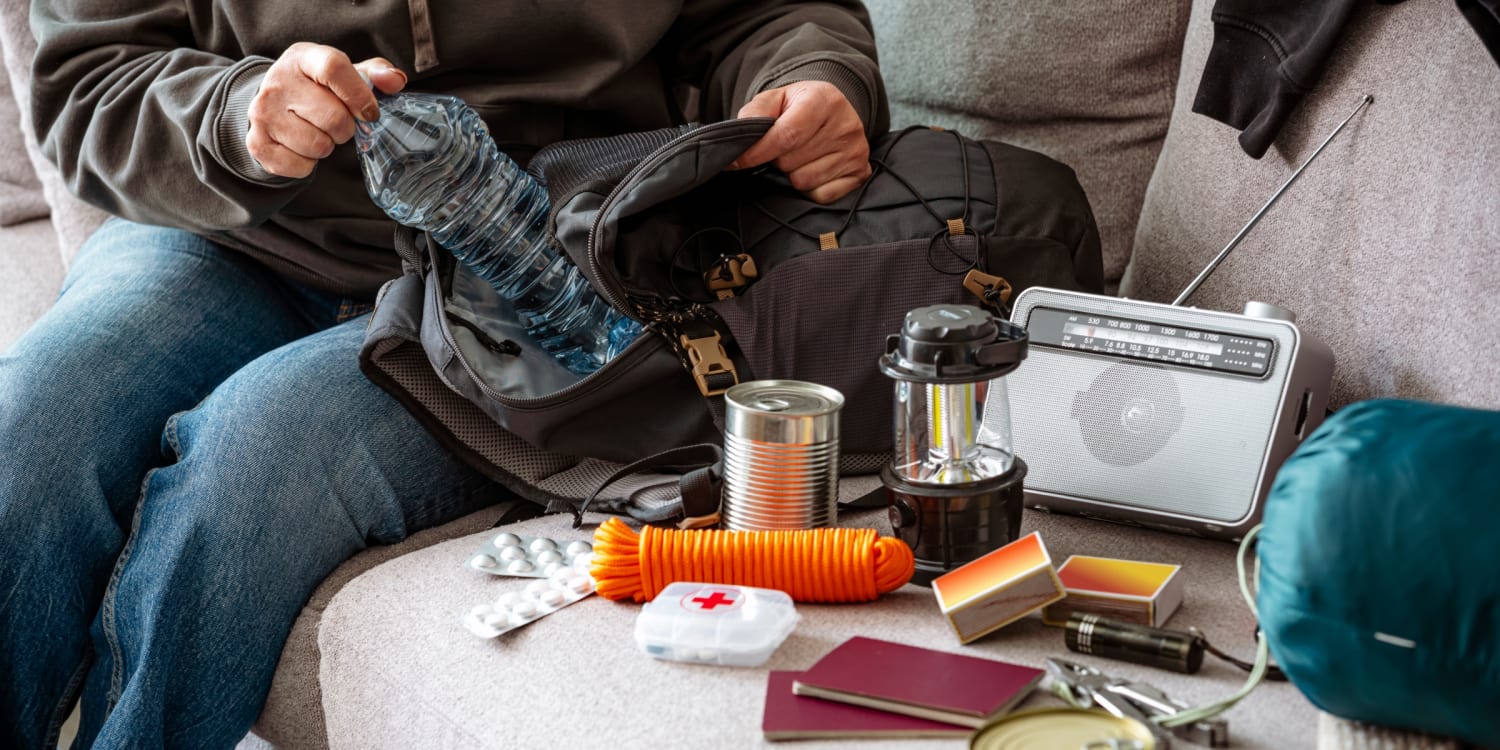
Building a survival kit starts with selecting the right gear. Every item you include should serve a clear purpose and help you stay safe and comfortable. Focusing on essential components ensures your kit is practical and ready for real situations.
Shelter And Warmth
Your body needs protection from the elements. A compact tent, tarp, or emergency blanket can make a huge difference. Think about your local climate—would a lightweight bivvy sack work, or do you need something more robust?
Don’t forget insulation. A good sleeping bag or thermal blanket helps retain body heat. I once tested an emergency blanket during a cold night hike, and it kept me surprisingly warm despite its thin size.
Food And Water Supplies
Food and water keep your energy up when you’re in survival mode. Pack high-calorie, non-perishable snacks like nuts, energy bars, or dried fruits. These items are lightweight and provide quick energy.
Water is critical. Carry a reliable water filter or purification tablets. You might find yourself near a natural water source, but without purification, drinking can be risky.
First Aid Essentials
Accidents happen. A well-stocked first aid kit can treat minor injuries and prevent infections. Include adhesive bandages, antiseptic wipes, pain relievers, and any personal medications you need.
Adding a small pair of scissors and tweezers makes dealing with splinters or cuts easier. Remember, your kit should be compact but thorough enough to handle common emergencies.
Tools And Equipment
Tools increase your chances of managing unexpected challenges. A sturdy multi-tool or Swiss Army knife offers multiple functions in one compact device. Don’t overlook a reliable fire starter—matches can get wet or run out.
A flashlight with extra batteries or a hand-crank light keeps you prepared for darkness. Think about what specific tools suit your environment and skill level. What tools do you trust most when facing the unknown?
Choosing The Right Survival Kit
Choosing the right survival kit is more than just picking a pre-packed bag off the shelf. It’s about understanding your unique situation and preparing for what you’re most likely to face. The right kit can make a huge difference in how you handle emergencies, so let’s break down how to choose one that truly fits your needs.
Assessing Your Environment
Where you live or where you plan to use your survival kit matters a lot. Different environments demand different tools and supplies.
If you live in a cold climate, your kit should include extra thermal blankets, fire-starting tools, and warm clothing. In contrast, a desert environment calls for plenty of water, sun protection, and ways to stay cool.
Think about the most likely risks in your area. Are you near mountains, the coast, or a forest? Each setting requires a tailored approach. Ask yourself: what hazards could I realistically face, and what supplies would help me overcome them?
Personal Needs And Preferences
Your survival kit should be built around you and your lifestyle. This means considering any medical conditions, dietary requirements, and even your skill level.
For example, if you have allergies, you’ll want to add specific medications or emergency epinephrine. If you’re vegetarian, include non-perishable plant-based food options. Someone new to survival skills might need detailed instructions or simpler tools, while an experienced outdoors person could prefer more advanced gear.
Remember, comfort and familiarity with your kit can boost your confidence in emergencies. Would you be able to use everything inside easily? If not, adjust your kit until you can.
Credit: www.nbcnews.com
Maintenance And Storage Tips
Proper maintenance and storage keep your survival kit ready for any emergency. Neglecting these tasks can lead to expired supplies and damaged tools. Regular care helps extend the kit’s life and ensures everything works when needed.
Regular Kit Checks
Check your survival kit at least every six months. Look for expired food, medicines, and batteries. Replace any items past their use-by date immediately. Test tools like flashlights and radios to confirm they work well. Keep a checklist to track what you have and what needs replacing. Small cracks or rust on tools should be addressed quickly. Clean and dry all items before placing them back in the kit. Regular checks prevent surprises during an emergency.
Proper Storage Practices
Store your survival kit in a cool, dry place. Avoid areas with extreme heat or moisture, which can damage supplies. Use airtight containers or waterproof bags for sensitive items. Keep the kit easily accessible but safe from children or pets. Label the kit clearly so everyone in your household knows where to find it. Avoid placing the kit near chemicals or strong-smelling products. Proper storage protects your items and keeps the kit organized.
Survival Kit Use In Different Emergencies
A survival kit is a collection of essential tools and supplies. It helps people stay safe and manage emergencies. Different emergencies need different items in a survival kit. Understanding how to use a survival kit in various situations increases safety and readiness.
Natural Disasters
Natural disasters like earthquakes, floods, and storms can strike without warning. A survival kit for these events includes water, food, and first aid supplies. Flashlights and batteries are crucial during power outages. Emergency blankets and whistles help signal for help. Having a survival kit nearby can save lives and reduce stress.
Outdoor Adventures
Outdoor activities like hiking or camping need special preparation. A survival kit for the outdoors contains navigation tools like a compass or map. Fire starters and waterproof matches help make fire for warmth and cooking. Multi-tools and rope assist with repairs or shelter building. Carrying a survival kit ensures help is available far from towns.
Urban Emergencies
Urban emergencies include power failures, accidents, or civil disturbances. Survival kits for cities focus on easy-to-carry items. These kits often contain masks to protect from dust or smoke. Portable chargers keep phones working during outages. Simple food items and water bottles support short-term needs. Being prepared with a kit can ease urban crisis challenges.
Frequently Asked Questions
What Is A Survival Kit Used For?
A survival kit is used to ensure safety during emergencies. It contains essential items like food, water, and first-aid supplies. These kits help individuals withstand unexpected situations, such as natural disasters. By preparing a survival kit, you are better equipped to handle emergencies effectively.
What Should A Basic Survival Kit Include?
A basic survival kit should include water, non-perishable food, and a first-aid kit. Additionally, it should have a flashlight, batteries, a whistle, and a multi-tool. Personal items like medications and important documents are also essential. These items help you stay safe and comfortable during emergencies.
How Do You Maintain A Survival Kit?
To maintain a survival kit, regularly check expiration dates on food and batteries. Replace any expired or damaged items promptly. Store the kit in a cool, dry place, and ensure it is easily accessible. Periodically update the kit to accommodate changing needs or new family members.
How Often Should You Update A Survival Kit?
Update your survival kit every six months to ensure all items are current. Check expiration dates on perishable items and replace them as needed. Consider seasonal changes and adjust the kit accordingly. Regular updates ensure your kit remains reliable and effective in emergencies.
Conclusion
A survival kit helps you stay safe in emergencies. It holds essential items for food, water, and first aid. Preparing one is simple and smart. It gives peace of mind during unexpected situations. Everyone should have a kit ready. Small steps today can protect your tomorrow.
Keep it updated and know how to use it. Staying prepared means facing challenges with confidence. Remember, a survival kit is your reliable companion in tough times.