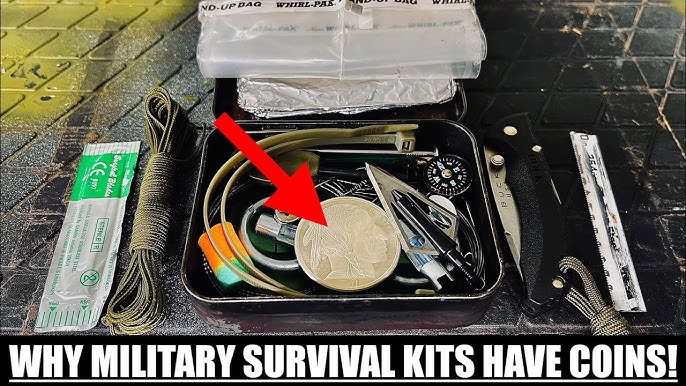
Imagine having everything you need to stay safe and prepared, all packed neatly inside a small tin you can carry anywhere. Sounds smart, right?
Creating your own survival kit in a tin is easier than you think, and it could make all the difference when unexpected situations arise. In this guide, you’ll discover simple steps to build a compact, powerful survival kit that fits right in your pocket.
Ready to take control of your safety and peace of mind? Let’s get started.
Choosing The Right Tin
Choosing the right tin is key to building a practical survival kit. The tin must hold your items safely and last through tough conditions. Size and strength matter a lot. Also, keeping moisture out protects your gear. This section covers how to pick the best tin for your needs.
Size And Durability
Pick a tin large enough for your essentials but small enough to carry easily. A compact tin fits in pockets or backpacks without adding bulk. Strong tins resist dents and crushing, keeping contents safe. Metal tins, like aluminum or steel, offer good protection. Avoid flimsy tins that bend or break quickly.
Waterproofing Options
Water can ruin your survival tools and supplies fast. Choose tins with tight-fitting lids to block moisture. Some tins come with rubber seals for extra waterproofing. You can add a silicone gasket yourself for better protection. Wrapping the tin in plastic or a waterproof bag adds another layer. Keeping your kit dry ensures it works when you need it most.
Essential Survival Items
Building a survival kit in a tin requires careful selection of essential items. These essentials support basic needs: fire, water, health, and food. Each item must be compact and practical for emergencies. Prepare your kit to cover these crucial areas.
Fire Starters
Fire provides warmth, light, and a way to cook food. Include reliable fire starters that work in wet and dry conditions.
- Waterproof matches
- Lighter
- Magnesium fire starter
- Tiny candle or wax strips
Water Purification
Clean water is vital for survival. Carry lightweight tools to purify water safely.
- Water purification tablets
- Small portable filter
- Metal container for boiling water
First Aid Supplies
First aid helps treat minor injuries and prevents infections. Keep compact and essential medical items.
- Adhesive bandages
- Antiseptic wipes
- Small roll of medical tape
- Pain relief tablets
- Tweezers
Food And Nutrition
Energy is crucial for staying alert and active. Choose non-perishable, high-energy snacks.
- Energy bars
- Dried fruits
- Nuts and seeds
- Small packets of peanut butter
Tools For Shelter And Navigation
When building a survival kit in a tin, focusing on tools for shelter and navigation is crucial. These items help you find your way and stay protected from the elements. Choosing compact, reliable tools ensures your kit stays lightweight yet effective.
Compact Multi-tools
Multi-tools pack several functions into one small device, making them perfect for a tin survival kit. Look for tools that include a knife, pliers, screwdriver, and scissors. I’ve found that having a multi-tool saved me time and space during a recent hiking trip where quick repairs were needed.
Make sure your multi-tool is sturdy and easy to open with one hand. You never know when you’ll need to set up shelter or fix gear quickly under pressure.
Emergency Blankets
Emergency blankets are thin, lightweight, and can fit easily inside your tin. They reflect body heat to keep you warm and can double as a makeshift shelter or ground cover. In a cold night outdoors, an emergency blanket can be a lifesaver, preventing hypothermia in unexpected weather.
Don’t underestimate their versatility; some even use them to collect rainwater or signal for help. Always fold them carefully to maintain compactness.
Navigation Aids
Having reliable navigation tools in your tin can guide you back to safety. A small compass is essential, but also consider waterproof maps or a GPS device if space allows. I once relied on a compass in dense woods when my phone died, and it was invaluable for finding the trail.
Try to learn basic map reading and compass use before an emergency happens. Your navigation tools are only as good as your ability to use them.

Credit: www.youtube.com
Packing Tips And Organization
Packing a survival kit in a tin requires smart organization. Each item must fit securely without wasting space. Proper arrangement helps find things quickly in an emergency. A well-packed tin also protects delicate tools and keeps everything dry and safe.
Maximizing Space
Use small containers or ziplock bags to group similar items. Stack flat items like bandages and matches at the bottom. Roll up thin items like fishing line or tape to save room. Fill gaps with cotton balls or small pieces of cloth. Place heavier items at the bottom to keep the tin balanced.
Protecting Fragile Items
Wrap fragile tools in bubble wrap or cloth scraps. Use small plastic containers or pillboxes for tiny items like pills or needles. Cushion fragile items with cotton or foam to avoid damage from bumps. Keep sharp objects separate to prevent punctures or scratches. Seal everything tightly to keep moisture out.
Customizing Your Kit
Customizing your survival kit in a tin means tailoring it to fit your unique situation and environment. A one-size-fits-all kit won’t serve you well when unexpected situations arise. Think about what you truly need and the conditions you might face, then pack accordingly.
Personal Needs
Your survival kit should reflect your personal health, lifestyle, and skills. Do you have allergies? Include any necessary medications or emergency allergy treatments like an EpiPen.
Consider your experience level too. If you’re new to survival skills, add simple tools like a whistle or a basic first-aid guide. If you’re skilled, you might prefer compact multi-tools or fire starters you’re comfortable using.
Ask yourself: What items make me feel secure? Maybe you need extra snacks or comfort items like a small flashlight or a signal mirror. These can boost your confidence when stress hits.
Climate Considerations
Climate drastically changes what your kit needs. In cold environments, pack hand warmers, waterproof matches, and thermal blankets. In hot climates, prioritize sunscreen, water purification tablets, and a lightweight hat.
Think about humidity and rainfall too. A waterproof container is a must if you expect wet conditions. Moisture can ruin paper maps or tinder, so consider waterproof bags or zip locks inside your tin.
Could your kit survive the weather where you live or travel? Adjust your supplies based on seasons and local hazards to stay prepared without extra bulk.

Credit: grimworkshop.com
Maintaining And Updating Your Kit
Keeping your survival kit in top shape is just as important as assembling it. A well-maintained kit ensures you’re always ready for unexpected situations. Neglecting it can lead to useless supplies and wasted effort when you need it most.
Regular Checks
Set a reminder to review your kit every few months. Open the tin and inspect each item carefully. Look for signs of damage, moisture, or wear that could affect performance.
Check the condition of bandages, matches, and any food or medication. Ask yourself, “Would I trust this item if I had to use it right now?” If the answer is no, it’s time to replace or fix it.
Replacing Expired Items
Expiration dates are there for a reason. Items like medications, water purification tablets, and energy bars lose effectiveness over time. Using expired items can be risky or completely useless in an emergency.
Keep a list of all perishable contents and their expiry dates. When you spot an item that’s close to or past its date, swap it out with a fresh one. This simple habit ensures your kit stays reliable without needing a full overhaul.
Using Your Survival Kit Effectively
Having a survival kit tucked away in a tin is only part of the equation. Knowing how to use it effectively can make a huge difference in an emergency. Your kit is a tool, and like any tool, its value depends on how well you handle it.
Quick Access Strategies
In a critical situation, every second counts. You need to get to your survival kit fast without fumbling or wasting time.
- Keep your tin in a consistent, easy-to-remember spot.Whether it’s in your backpack’s top pocket or your car’s glove compartment, don’t move it around.
- Label the tin clearly.Use bright colors or reflective tape so it stands out in low light or cluttered spaces.
- Practice opening the tin quickly.If the lid is tight or tricky, your hands might shake under stress, so make sure you can open it smoothly.
- Consider storing duplicates.Small tins in multiple places—like your home, car, and work bag—can give you options when one isn’t within reach.
I once found myself fumbling with a survival tin buried under layers in my backpack during a sudden downpour. I realized I wasted precious minutes just trying to open it. Since then, I keep mine accessible and practice opening it regularly.
Practice And Familiarity
Knowing what’s inside your survival kit and how to use each item is crucial. You won’t have time to read instructions or guess during an emergency.
- Regularly review the contents.Check expiration dates and replace anything outdated.
- Handle every item in your kit at least once a month.Practice lighting your fire starter or assembling your fishing line so you’re confident when it matters.
- Run through mini drills.Pretend you’re in an emergency and go through the motions of using your kit quickly and efficiently.
During a weekend hike, I tested my tin’s contents by trying to start a fire with the included striker and tinder. It took a few tries, but that practice saved me time later when I needed a quick heat source.
How familiar are you with your survival kit? Could you grab it and use every item without hesitation? Taking time now to practice could be the difference between staying safe and struggling later.

Credit: www.youtube.com
Frequently Asked Questions
What Items Are Essential For A Survival Kit In A Tin?
A survival kit in a tin should include a mini flashlight, waterproof matches, a compass, and a multi-tool. Add a small first-aid kit, fishing line, and hooks for emergencies. Don’t forget to include a whistle and water purification tablets. These items ensure you’re prepared for basic survival needs.
How Do I Choose The Right Tin Size?
Choose a tin that fits all essential items comfortably without being bulky. Altoids tins are popular due to their compact size. Ensure the tin is durable and can withstand some pressure. The goal is to have a portable kit that can easily fit in your backpack or pocket.
Why Use A Tin For A Survival Kit?
Tins are durable, compact, and protect contents from moisture. They’re easy to store in a backpack or pocket. A tin also helps in organizing items efficiently, ensuring quick access during emergencies. Its metal structure can be useful in survival situations, like signaling for help.
Can I Customize My Survival Kit Contents?
Absolutely! Customize your kit based on your specific needs and the environment you’ll be in. Consider including items like a small knife, duct tape, or a fire starter. Always prioritize essentials, but tailor the kit to your personal comfort and safety requirements.
Conclusion
A survival kit in a tin is simple and useful. It fits in your pocket or bag. Carrying one helps you stay ready for small emergencies. Choose items that suit your needs and space. Check your kit often and replace old items.
Practice using your kit so you feel confident. Small steps like this can make a big difference. Stay safe and prepared wherever you go.