Have you ever wondered what you truly need in a survival kit? When disaster strikes, having the right tools can make all the difference between staying safe and facing serious danger.
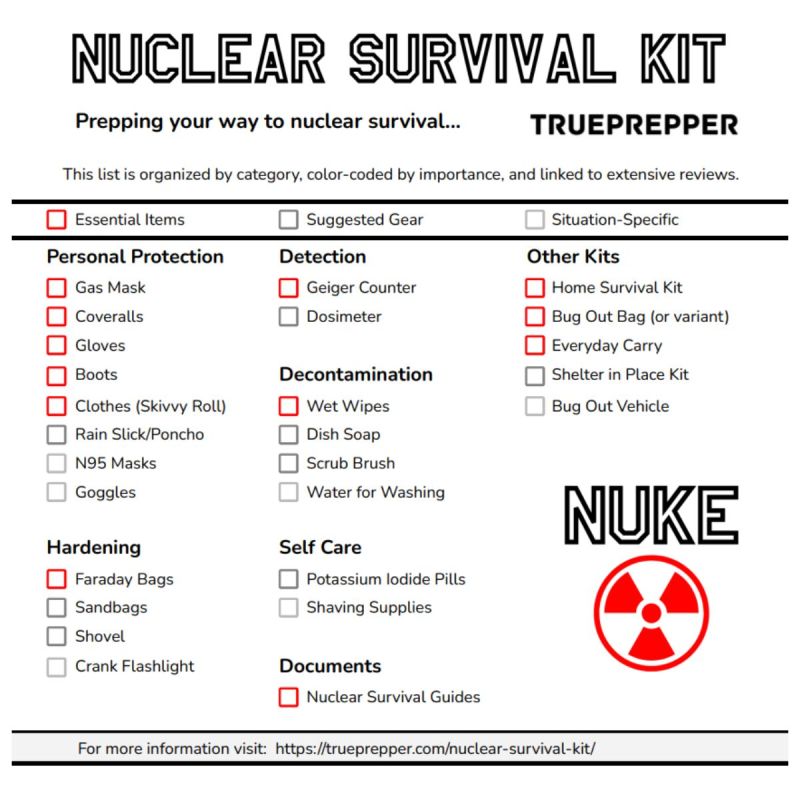
Your survival kit isn’t just a box of random items—it’s your lifeline. You’ll discover exactly what essentials must be in your survival kit to keep you prepared for any emergency. Keep reading, because what you learn here could save your life.
Basic Survival Tools
Basic survival tools form the heart of any survival kit. These tools help handle urgent situations quickly. They make tasks easier and increase chances of staying safe.
Choosing the right tools saves time and effort. Each item has a specific role in survival scenarios. Compact, lightweight, and durable tools fit best in a survival kit.
Multi-tool Essentials
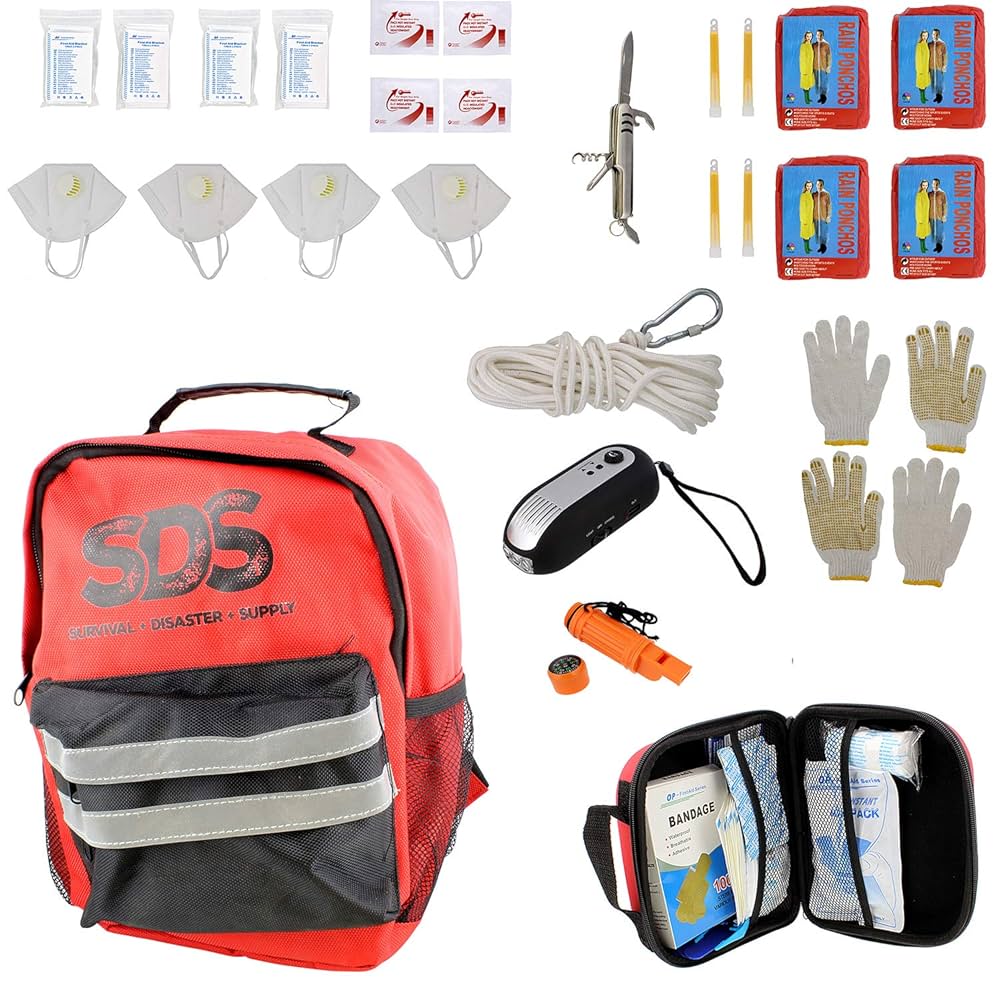
A multi-tool combines many functions in one device. It often includes a knife, pliers, screwdriver, and scissors. This saves space and reduces weight in your kit.
Look for stainless steel for rust resistance. Choose a tool with a locking mechanism for safety. A good multi-tool handles repairs, food prep, and first aid tasks.
Reliable Fire Starters
Fire is crucial for warmth, cooking, and signaling. Reliable fire starters work even in wet conditions. Common types include waterproof matches, magnesium flints, and ferro rods.
Keep several fire starters for backup. Store them in a waterproof container. Knowing how to use each starter increases your survival chances.
Durable Flashlights
Light is essential during night and dark environments. Choose a flashlight with high lumens for bright light. LED flashlights last longer and use less battery power.
Waterproof and shockproof features improve durability. Carry extra batteries or a hand-crank flashlight. A strong light source helps navigation and signals for help.
Credit: www.etsy.com
First Aid Supplies
First aid supplies are essential in any survival kit. They help treat injuries and prevent infections. Having the right items can save lives and reduce pain. Prepare for cuts, burns, and other common injuries with these key supplies.
Bandages And Dressings
Bandages protect wounds from dirt and germs. Use adhesive bandages for small cuts and scrapes. Larger wounds need sterile gauze pads to stop bleeding. Wrap wounds with elastic bandages to secure dressings and reduce swelling. Include butterfly closures to close small cuts without stitches.
Antiseptics And Ointments
Antiseptics clean wounds and kill bacteria. Use alcohol wipes or antiseptic solutions for quick cleaning. Apply antibiotic ointments to help wounds heal faster. These ointments also lower infection risks. Include burn creams to soothe and protect damaged skin.
Medications And Pain Relief
Keep basic medications for pain and inflammation. Include pain relievers like ibuprofen or acetaminophen. Antihistamines help with allergic reactions. Carry anti-diarrheal medicine and oral rehydration salts. These items ease symptoms and improve comfort during emergencies.
Water And Hydration
Water is the most critical element in any survival kit. Without proper hydration, your body can’t function well, and your chances of survival drop quickly. Keeping a reliable source of clean water is not just smart; it’s essential.
Water Purification Methods
Carrying water is not enough if it’s unsafe to drink. You need ways to make it clean and drinkable. Here are practical options you can add to your kit:
- Water purification tablets:Lightweight and easy to use, these tablets kill bacteria and viruses quickly.
- Portable water filters:Devices like straw filters or pump filters remove debris and harmful microorganisms.
- Boiling:If you have a heat source, boiling water for at least one minute kills most pathogens.
- UV light purifiers:Compact and battery-powered, these gadgets neutralize germs by exposing water to ultraviolet light.
Have you ever found yourself unsure whether a water source is safe? Having a reliable purification method can turn a risky situation into a manageable one.
Portable Water Containers
Storing and carrying water efficiently matters just as much as purifying it. Your survival kit should include containers that are durable, lightweight, and easy to use.
- Collapsible water bottles:Save space when empty and are easy to carry during hikes.
- Stainless steel bottles:Tough and reusable, they keep water safe without leaching chemicals.
- Hydration bladders:Fit inside backpacks and allow hands-free drinking through a tube.
Think about how much water you might need in different scenarios and choose containers that suit your activity and environment. Would you prefer something compact or something that holds more volume?
Credit: www.nbcnews.com
Food And Nutrition
Food and nutrition are vital in any survival kit. They provide energy and strength to face tough situations. Choosing the right foods ensures you stay healthy and alert.
Focus on items that last long without spoiling. Also, pick foods that give quick energy and keep hunger at bay. Balance is key for survival.
Non-perishable Food Items
- Canned beans and vegetables – rich in fiber and vitamins.
- Dry rice and pasta – easy to cook and filling.
- Powdered milk – good source of calcium and protein.
- Dried fruits – provide vitamins and natural sugars.
- Freeze-dried meals – lightweight and retain nutrients.
- Jerky – a protein source that doesn’t spoil quickly.
- Nut butters – packed with healthy fats and protein.
- Instant soups and noodles – quick to prepare and warm.
Energy-rich Snacks
- Granola bars – compact and easy to carry.
- Nuts and seeds – offer healthy fats and protein.
- Chocolate – a fast energy booster and morale lifter.
- Trail mix – combines nuts, seeds, and dried fruit.
- Energy gels – quick sugar boost for intense moments.
- Hard candies – provide quick sugar and last long.
Shelter And Warmth
Securing shelter and warmth is crucial in any survival scenario. Without proper protection from the elements, your chances of staying safe and healthy drop significantly. Your survival kit should include reliable gear that offers both comfort and durability.
Compact Tents And Tarps
Compact tents are a game-changer when space and weight matter. Choose a tent that packs small but offers enough room to move and store gear. Look for models with quick setup features and waterproof materials to keep you dry during unexpected rain.
Tarps serve as versatile shelter options. They’re lightweight and easy to carry, perfect for creating a quick cover or ground layer. You can rig a tarp between trees to shield yourself from wind or rain in just minutes.
Ask yourself: How fast can you set up your shelter when the weather turns? Practicing with your tent or tarp before an emergency ensures you won’t waste valuable time when it counts.
Insulating Blankets
Insulating blankets are essential to retain body heat. Mylar blankets, for example, are ultra-light and pack down to almost nothing. They reflect your body heat back toward you, which can be lifesaving in cold conditions.
Don’t rely on just one type of blanket. Layering with a wool or fleece blanket underneath can provide extra insulation and comfort. This combo helped me through a chilly night outdoors when temperatures dropped unexpectedly.
Consider how you’ll use your blankets: Will you wrap yourself fully, or use them as a ground layer? Planning this ahead can improve your warmth and overall survival readiness.
Credit: www.etsy.com
Navigation And Communication
Navigation and communication tools form a vital part of any survival kit. They help you find your way and stay in touch with others. In a survival situation, these items can save your life. They provide direction and a way to signal for help.
Maps And Compasses
Maps and compasses are essential for navigation. A detailed map shows the terrain, landmarks, and routes. A compass helps you find your direction. Together, they guide you through unfamiliar areas.
Choose waterproof or laminated maps for durability. Learn how to read the map and use the compass before heading out. Practice basic navigation skills to avoid getting lost.
Emergency Signaling Devices
Signaling devices alert rescuers to your location. Bright colors, loud sounds, or flashing lights attract attention. Include items that work day and night.
- Whistles produce loud sounds without using energy.
- Signal mirrors reflect sunlight to far distances.
- LED flashlights or strobes can shine brightly in the dark.
- Flares or glow sticks provide visual signals in emergencies.
Keep these tools within easy reach. Knowing how to use them increases your chance of rescue.
Clothing And Personal Items
Clothing and personal items are vital parts of a survival kit. They protect your body from harsh conditions. These items keep you comfortable and help maintain health. Choosing the right clothes and hygiene essentials can make a big difference. Pack smart to stay safe and clean in any situation.
Weather-appropriate Apparel
Choose clothes based on the climate you might face. Layering is key to adjust to changing weather. Include items like:
- Waterproof jacket to stay dry
- Thermal underwear for warmth
- Breathable shirts for hot weather
- Sturdy boots to protect feet
- Hat and gloves for sun and cold protection
Clothing should be durable and quick-drying. Avoid cotton, which holds moisture. Pack extra socks to keep feet dry and prevent blisters.
Hygiene Essentials
Personal hygiene items prevent illness and improve comfort. Include basic supplies like:
- Toothbrush and toothpaste
- Biodegradable soap for washing
- Hand sanitizer to kill germs
- Wet wipes for quick cleaning
- Small towel or washcloth
- Feminine hygiene products if needed
Keep these items in a waterproof bag. Regular cleaning helps avoid infections during survival situations.
Additional Survival Gear
Additional survival gear strengthens your basic survival kit. It adds tools that help in many situations. These items are small but very useful. They help fix things, build shelters, and secure supplies. Carrying the right gear makes tough moments easier. Here are some essential items to include.
Paracord And Rope
Paracord is strong and lightweight. It can hold heavy loads and tie things securely. Use it for building shelters, making traps, or fixing gear. Rope is useful for climbing, pulling, or lifting. Both paracord and rope have many uses in survival. Carry at least 50 feet of paracord or rope in your kit.
Duct Tape And Repair Kits
Duct tape fixes almost anything quickly. It seals leaks, binds broken parts, and protects surfaces. Repair kits often include needles, thread, and patches. These help mend clothes and gear. Keep duct tape in small rolls or strips for easy use. A basic repair kit keeps your gear working longer.
Frequently Asked Questions
What Essential Items Should A Bs Survival Kit Include?
A BS survival kit must include water, non-perishable food, first aid supplies, a flashlight, and a multi-tool. These essentials ensure basic needs are met during emergencies or outdoor survival situations.
How To Choose The Best Tools For A Bs Survival Kit?
Select compact, durable, and multipurpose tools. Prioritize items like a sturdy knife, fire starter, and a reliable flashlight to maximize utility and space efficiency.
Why Is First Aid Important In A Bs Survival Kit?
First aid addresses injuries and prevents infections in emergencies. Including bandages, antiseptics, and pain relievers ensures prompt treatment and improves survival chances.
How Much Water Should Be In A Bs Survival Kit?
Include at least one gallon of water per person per day. This amount supports hydration needs during short-term emergencies or outdoor activities.
Conclusion
A well-prepared survival kit ensures safety during unexpected situations. Essential items like water, food, and a first-aid kit are crucial. Don’t forget tools like a flashlight and multi-tool. Pack warm clothing and a blanket. A whistle and compass can be lifesavers.
Personalize your kit based on your needs. Regularly check and update it. Staying prepared provides peace of mind. Emergencies happen without warning. With a thoughtful survival kit, you’re ready for the unexpected. Stay safe and prepared.