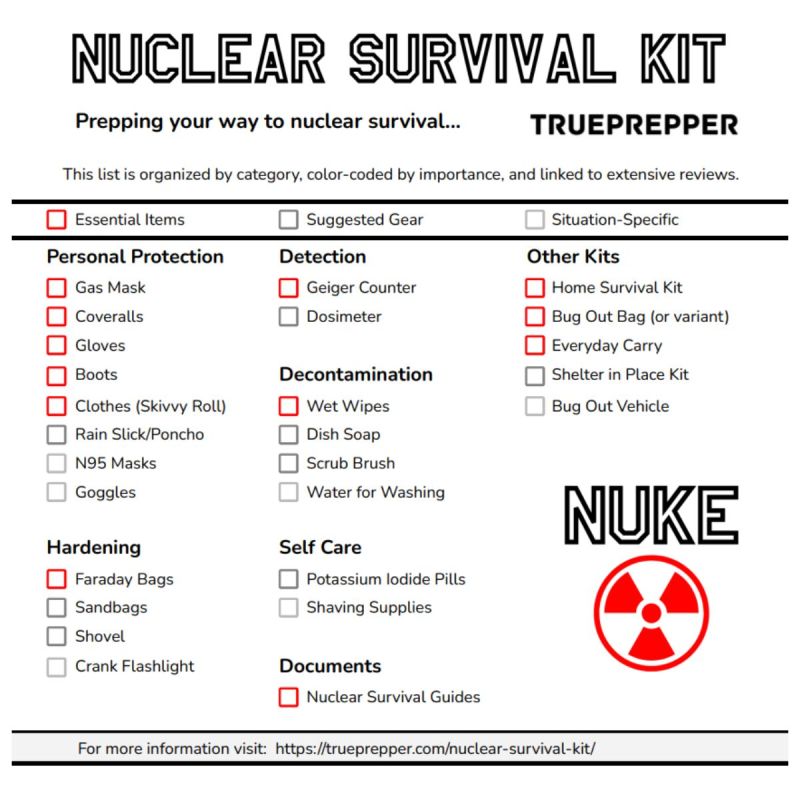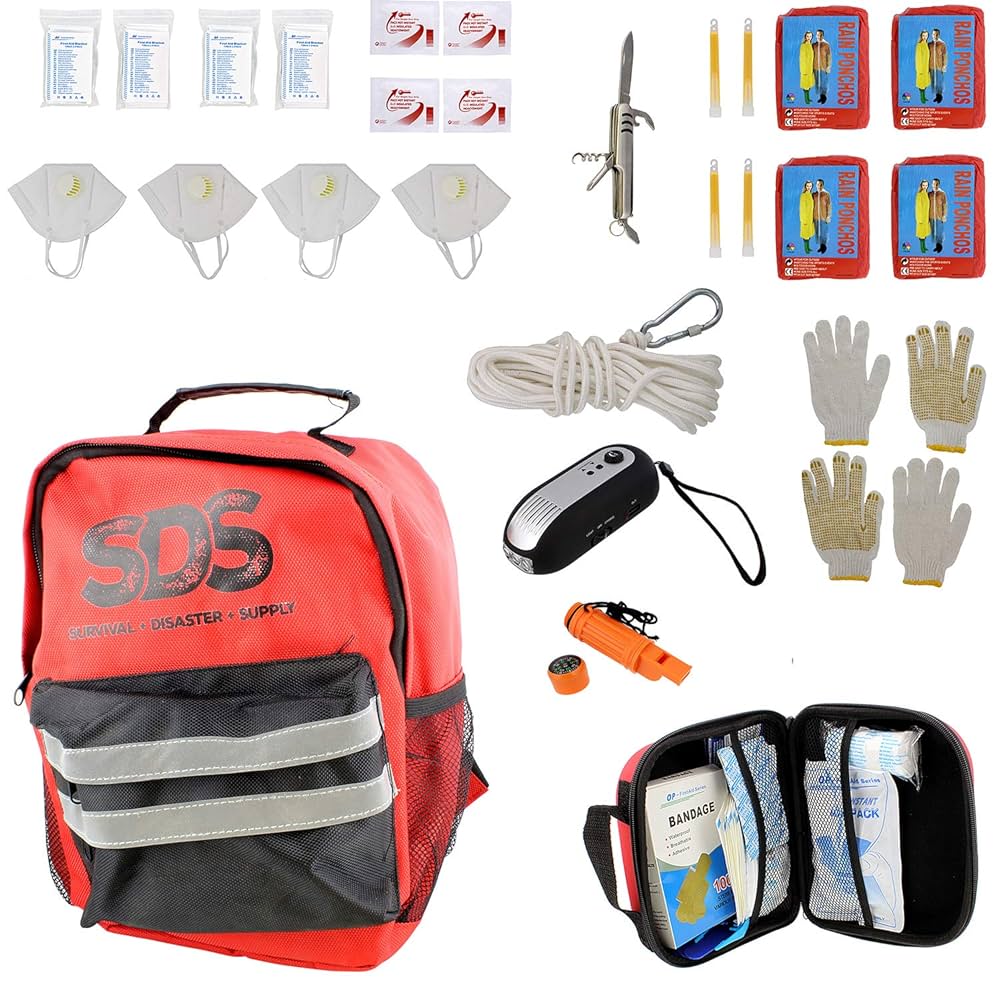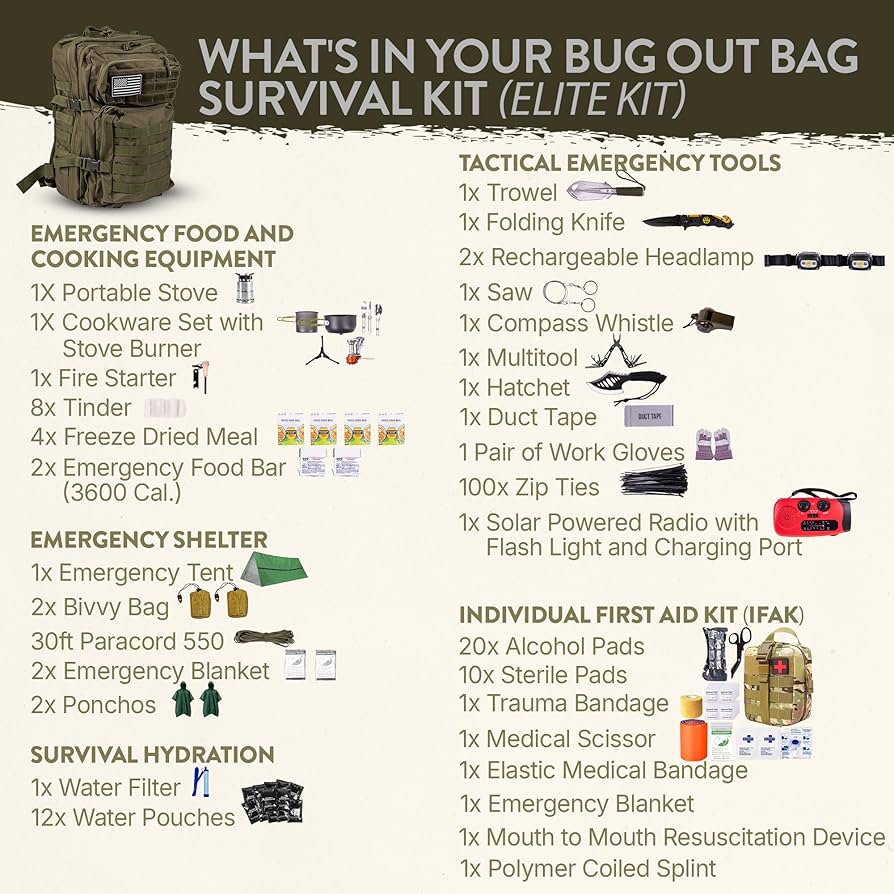
Imagine facing an emergency when every second counts. What would you need to stay safe and keep calm?
Your emergency survival kit could make all the difference between feeling helpless and being ready. But what exactly should you have in it to cover all the basics without overloading yourself? You’ll discover the essential items that will keep you prepared for any unexpected situation.
Keep reading—your safety might depend on what you pack today.
Basic Survival Needs
Basic survival needs are essential for staying alive in an emergency. These needs focus on water, food, and shelter. Without them, survival becomes very difficult. Preparing a kit with these essentials increases your chances of staying safe and healthy.
Water And Hydration Supplies
Water is the most critical need for survival. The body can only last a few days without it. Include at least one gallon of water per person per day. Store water in clean, sealed containers. Water purification tablets or a portable filter help make unsafe water drinkable. Having a durable water bottle is useful for carrying water on the go.
Non-perishable Food Items
Food provides energy and helps maintain strength. Choose non-perishable foods that last long without refrigeration. Examples include canned goods, dried fruits, nuts, and energy bars. Pick items that are easy to prepare and eat. Keep a manual can opener in your kit. Rotate food supplies regularly to keep them fresh.
Shelter And Warmth
Shelter protects you from harsh weather and keeps you safe. Pack a lightweight tent or a durable tarp. Include a sleeping bag or warm blanket suitable for all seasons. Hand warmers and extra clothing layers help maintain body heat. A compact emergency blanket is useful in cold or wet conditions.
Credit: www.nbcnews.com
First Aid Essentials
First aid essentials are crucial in any emergency survival kit. They help treat injuries and prevent infections quickly. Having the right items can save lives and reduce pain before professional help arrives.
Bandages And Dressings
- Adhesive bandages in various sizes for small cuts and scrapes
- Sterile gauze pads to cover larger wounds
- Roller bandages to hold dressings in place
- Antiseptic wipes to clean wounds before dressing
- Adhesive tape to secure bandages firmly
- Elastic bandages for sprains and support
Medications And Tools
- Pain relievers like ibuprofen or acetaminophen
- Antihistamines for allergic reactions
- Antibiotic ointment to prevent infection
- Tweezers for removing splinters or debris
- Small scissors to cut bandages or tape
- Disposable gloves to keep hands clean and safe
- CPR face shield for safe rescue breaths
Sanitation And Hygiene
- Hand sanitizer to clean hands without water
- Alcohol wipes for disinfecting tools and skin
- Moist towelettes for quick cleaning
- Plastic bags for disposing of used materials
- Face masks to reduce germ spread
Tools And Equipment
Having the right tools and equipment in your emergency survival kit can make a huge difference when unexpected situations arise. These items aren’t just extras—they are essentials that help you solve problems quickly and effectively. Think of them as your go-to gear for handling a variety of challenges when you need them the most.
Multipurpose Tools
A solid multipurpose tool is a must-have. It saves space and weight by combining several functions into one compact device. Look for tools that include:
- Knife blades for cutting
- Pliers for gripping and bending
- Screwdrivers for repairs
- Wire cutters for emergencies involving cables or fencing
Imagine having a single tool that can fix a broken tent pole, open a can of food, and even help with first aid. That’s the power of a good multipurpose tool. Do you have one that feels sturdy enough for tough situations?
Fire Starting Gear
Fire is essential for warmth, cooking, and signaling for help. Relying only on matches or lighters can be risky because they might get wet or run out. Consider adding these items to your kit:
- Waterproof matches or stormproof lighters
- Magnesium fire starters that work even when wet
- Fire tinder like cotton balls soaked in petroleum jelly
When I was caught in a sudden downpour during a hiking trip, my magnesium fire starter was the only way I could get a fire going. Would your kit survive wet conditions?
Lighting Options
Light is crucial when darkness falls or when you need to signal rescuers. Don’t rely on just one source. A combination of lighting options works best, such as:
- LED flashlights for long battery life and bright light
- Headlamps to keep your hands free
- Glow sticks for backup and silent signaling
Have you tested your lighting gear to see how long it lasts on fresh batteries? Always pack extra batteries and keep them in a waterproof container. You never know when a little light will save the day.
Communication And Navigation
Communication and navigation tools are vital in any emergency survival kit. They help you stay informed and find your way. Without them, you risk being lost or out of touch during a crisis.
Reliable communication allows you to receive updates and call for help. Navigation aids guide you through unfamiliar areas safely. Both elements increase your chances of survival and rescue.
Emergency Radios
Emergency radios keep you connected to important news and alerts. Choose radios with multiple power options like batteries, solar, or hand crank. Look for models that receive NOAA weather channels and emergency broadcasts. A radio with a flashlight or SOS alarm adds extra value.
Maps And Compasses
Paper maps show you detailed routes and landmarks. They do not rely on batteries or signals. A compass helps you find directions quickly and accurately. Practice using both before an emergency. Keep them in a waterproof case to protect from damage.
Signaling Devices
Signaling devices help rescuers locate you faster. Bright whistles, mirrors, and flares work well in different environments. Whistles make loud sounds that carry over long distances. Mirrors reflect sunlight to attract attention. Carry a mix of signals to suit day and night situations.
Clothing And Personal Items
Clothing and personal items are essential parts of any emergency survival kit. These items keep you safe, comfortable, and prepared for unexpected situations. Choosing the right clothes and important personal belongings can make a big difference during an emergency.
Weather-appropriate Clothing
Choose clothing that matches the climate where you live. Include layers for warmth, like a thermal shirt or jacket. Waterproof items such as raincoats or ponchos protect against wet weather. Sturdy shoes or boots are necessary for rough terrain. Don’t forget hats and gloves for cold weather. Light, breathable clothes are best for hot climates.
Personal Documents
Keep copies of vital documents safe and easy to access. Include your passport, birth certificate, and medical records. Store them in a waterproof bag or container. Important papers help prove your identity and access services during an emergency. Keep a list of emergency contacts and any important medical information too.
Cash And Identification
Always carry some cash in small bills. Electronic payment systems may not work during a disaster. Have your ID cards, such as a driver’s license or state ID. These help with identification and accessing emergency services. Keep cash and IDs in a secure, waterproof pouch inside your kit.

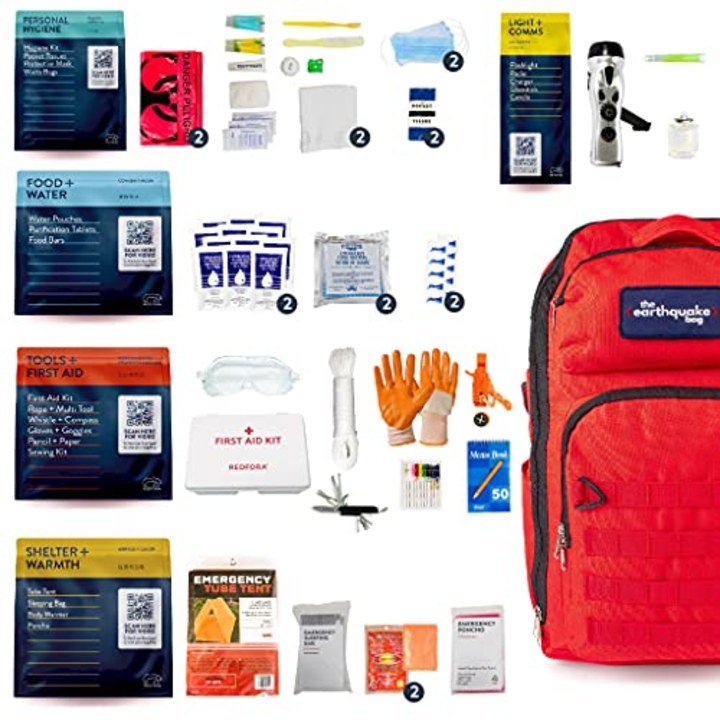
Credit: www.amazon.ca
Specialty Items
Specialty items in an emergency survival kit meet specific needs beyond basic supplies. These items ensure safety and comfort for all family members. Preparing for unique situations helps avoid stress during emergencies. Focus on personal needs, health requirements, and power sources.
Items For Children And Pets
Children and pets need special care in emergencies. Pack items that keep them safe and calm.
- Favorite toys or comfort items
- Diapers, wipes, and baby formula
- Pet food and water bowls
- Leashes, carriers, and identification tags
- Extra clothing and blankets
These items help reduce anxiety for kids and pets. They also make evacuation easier and safer.
Medications For Chronic Conditions
Chronic health issues require ongoing medication. Always include enough medicine for at least one week.
- Prescription drugs with dosage instructions
- Medical devices like inhalers or glucose meters
- Copies of prescriptions and medical records
- Pain relievers and first aid supplies
Proper medication prevents health crises during emergencies. Keep medicines in waterproof containers.
Extra Batteries And Power Sources
Power outages are common in emergencies. Extra batteries and power sources keep devices working.
- Batteries for flashlights, radios, and medical devices
- Portable phone chargers and power banks
- Solar chargers for eco-friendly power
- Hand-crank chargers as a backup option
These items ensure communication and light when electricity fails. Regularly check battery expiry dates.
Kit Maintenance Tips
Keeping your emergency survival kit ready means more than just gathering supplies once. Regular care ensures your kit truly supports you when disaster strikes. Neglecting maintenance can leave you with expired food, dead batteries, or missing essentials exactly when you need them most.
Regular Inventory Checks
Check your kit at least twice a year to know exactly what you have. Create a checklist to track items like water, food, first aid supplies, and tools. This habit helps you spot missing or damaged items before an emergency catches you off guard.
During my last check, I found my flashlight batteries were dead. Replacing them immediately made me realize how easy it is to overlook small details. What would you do if your light failed in a blackout?
Replacing Expired Items
Expiration dates aren’t just suggestions—they matter. Replace food, medication, and batteries as soon as they expire to keep your kit reliable. Even if something looks fine, its effectiveness might be compromised after the date.
Keep a simple calendar reminder for these replacements. Think about the last time you used expired painkillers—did they work as expected? Your kit should only contain items you trust to perform well.
Customizing For Specific Needs
Tailor your kit to match your family’s unique needs. Include items like prescription medications, baby supplies, or pet food that aren’t usually part of standard kits. This customization makes your kit truly ready for your situation.
Consider local risks too—do you live in an area prone to floods or wildfires? Adding waterproof matches or dust masks could make a critical difference. What special items would you add to make your kit perfect for your life?

Credit: www.servpro.com
Frequently Asked Questions
What Items Are Essential In An Emergency Survival Kit?
An emergency survival kit should include water, non-perishable food, a first aid kit, flashlight, batteries, and a multi-tool. Include extra clothing, blankets, and personal hygiene items. Don’t forget important documents, cash, and a whistle. Customize the kit based on your family’s needs and local climate.
How Much Water Should I Store In My Kit?
Store at least one gallon of water per person per day. Plan for a minimum of three days. Consider additional water for cooking and hygiene. Rotate your water supply every six months. For long-term storage, use water purification tablets or a filter to ensure safe drinking water.
Why Is A First Aid Kit Important In Emergencies?
A first aid kit is essential for treating injuries during emergencies. It can provide immediate care for cuts, burns, and sprains. Include bandages, antiseptics, pain relievers, and personal medications. A well-stocked first aid kit can prevent minor injuries from becoming severe and save lives.
What Food Should Be In A Survival Kit?
Include non-perishable, easy-to-prepare food in your survival kit. Choose canned goods, energy bars, dried fruits, and nuts. Ensure a three-day supply per person. Consider dietary needs and allergies when selecting food. Rotate food items regularly to maintain freshness and nutritional value.
Conclusion
An emergency survival kit saves lives during tough times. Keep it ready and check it often. Include water, food, first aid, and tools. Simple items make a big difference. Stay safe by preparing before disaster strikes. Your kit helps you face challenges with confidence.
Don’t wait—start building your kit today. Safety begins with good preparation and smart choices.