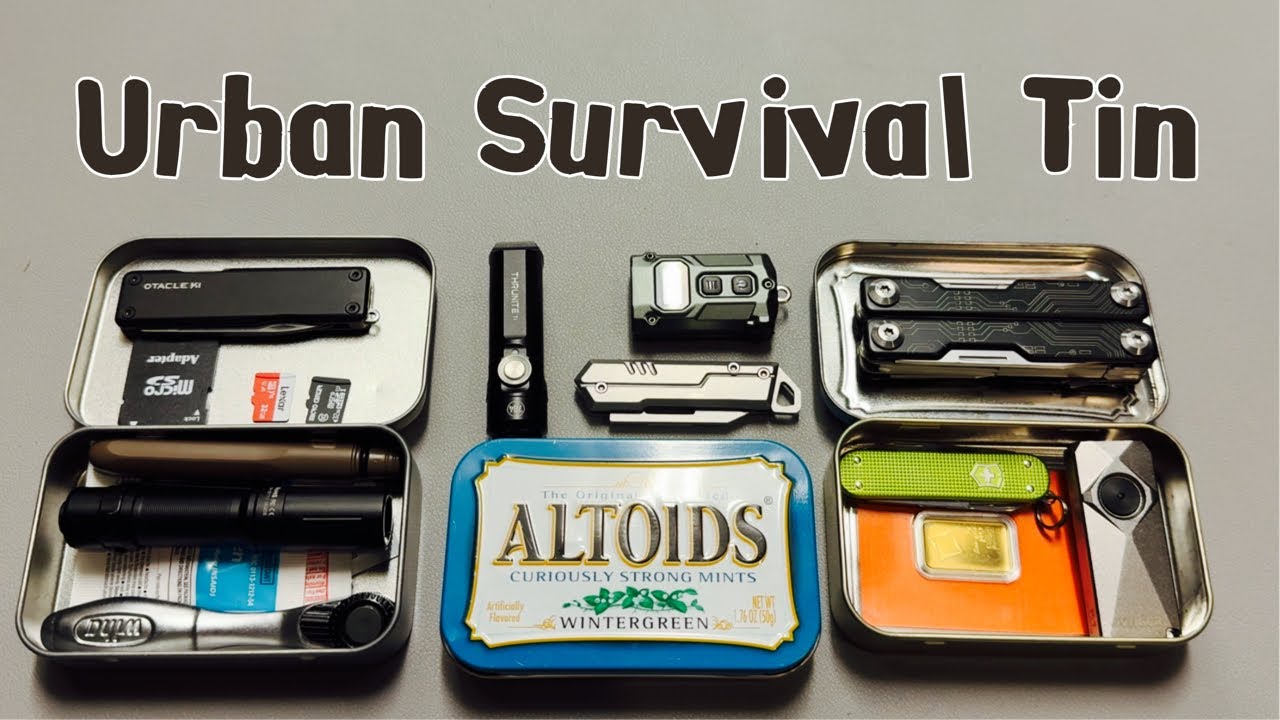
Imagine having a tiny, powerful survival kit that fits right in your pocket. You might think it’s impossible, but with just an Altoids tin and a few smart items, you can create a compact kit ready for emergencies.
Whether you’re hiking, camping, or just want to be prepared for unexpected situations, this guide will show you exactly how to build your own Altoids survival kit. Keep reading, and you’ll discover simple steps to pack the essentials that could make all the difference when you need them most.

Credit: grimworkshop.com
Choosing The Right Altoids Tin
Choosing the right Altoids tin is the first step in building a practical survival kit. The tin acts as a compact container for all your essential items. Picking a tin that fits your needs ensures your kit stays organized and protected. This section covers size and material options and how to prepare the tin for use.
Size And Material Options
Altoids tins come in various sizes. The standard size is the most popular choice. It fits many small survival items comfortably. Larger tins offer more space for extra gear. Smaller tins are easier to carry but hold fewer items.
The material of the tin matters too. Most Altoids tins are made of metal, usually tin-plated steel. Metal tins are durable and protect contents well. They also resist moisture and dirt. Plastic containers may be lighter but usually lack durability.
- Standard Altoids tin: best for most survival kits
- Larger tins: for more gear or bigger items
- Smaller tins: ultra-compact, limited space
- Metal tins: durable, moisture-resistant
- Plastic tins: lightweight, less durable
Preparing The Tin For Use
Start by cleaning the tin thoroughly. Remove any leftover candy residue or dust. Use warm water and mild soap, then dry completely. This prevents rust and keeps your items clean.
Consider lining the tin’s interior. Use foam or fabric to cushion fragile items. This prevents rattling and damage during travel. You can also add a small silica gel packet to reduce moisture inside the tin.
Check the lid seal. It should close tightly to keep contents secure. If the lid is loose, add a small rubber gasket or tape to improve the seal. This step helps protect your kit from dirt and water.
Essential Survival Items
Building an Altoids survival kit means choosing the right items. These essentials can help you stay safe and handle emergencies. Pack small but useful tools that fit inside the tin. Every item should have a clear purpose for survival.
Fire Starters And Tools
- Tiny waterproof matches or a mini lighter
- Flint and steel for sparks
- Cotton balls soaked in petroleum jelly for quick fire
- Small candle or solid fuel tablets
Fire is vital for warmth, cooking, and signaling. Choose lightweight and reliable fire-starting gear.
First Aid Supplies
- Mini bandages and adhesive strips
- Antiseptic wipes or small alcohol pads
- Tiny roll of medical tape
- Small packet of antibiotic ointment
- Compact pain reliever tablets
First aid items help treat cuts, scrapes, and minor injuries fast. Keep supplies clean and dry.
Water Purification Methods
- Water purification tablets
- Small portable water filter straw
- Unflavored chlorine bleach dropper
Safe drinking water is crucial. Pack compact tools to purify water from natural sources.
Basic Navigation Aids
- Mini compass
- Waterproof map of local area or survival symbols
- Small whistle for signaling
Navigation helps you find your way and call for help. Use simple, lightweight aids.
Compact Tools And Gear
Choosing the right compact tools and gear is essential for making your Altoids survival kit truly effective. Each item should be small enough to fit comfortably in the tin but powerful enough to solve common problems you might face outdoors or in emergencies. Let’s look at some key categories that balance size and functionality perfectly.
Multi-tools And Blades
A small multi-tool can replace several bulky items. Look for one that includes pliers, screwdrivers, and a knife blade. A sharp blade is critical—not just for cutting but for tasks like preparing food, making kindling, or crafting shelter.
Consider brands known for durability and compact design. I once relied on a tiny multi-tool to fix a broken zipper during a hiking trip, which saved me hours of trouble. What small tool do you trust most when every gram counts?
Cordage And Fishing Supplies
Thin but strong cordage, like paracord, fits neatly in an Altoids tin and has countless uses. You can use it for tying gear, repairing clothes, or setting up traps. Adding a few fishing hooks and a small spool of fishing line can turn your kit into a basic survival fisherman’s set.
Remember, these items don’t take up much space but can provide critical resources. Have you thought about how fishing could supplement your food supply in a survival situation?
Signal Devices
Signaling for help is often overlooked but crucial. Compact signal devices like a mini whistle, a small mirror, or even a tiny flashlight can alert rescuers. These tools increase your chances of being found quickly.
Keep signal devices accessible and test them regularly. What signal method would you rely on if you were stranded in the wilderness?
Packing Techniques
Packing your Altoids survival kit is more than just stuffing items into the tin. How you arrange and store each piece can make a big difference when you need quick access or want to fit more essentials inside. The right packing techniques help you stay prepared without frustration.
Organizing For Accessibility
Think about the order you’ll need your supplies in an emergency. Place the most critical items, like a small knife or waterproof matches, on top or in easy-to-reach compartments. You want to grab what you need fast, even in stressful situations.
Use small plastic bags or tiny containers to separate items by type. For instance, keep your first-aid supplies bundled apart from your fire-starting tools. This way, you won’t waste time digging through a jumble of gear.
Have you ever fumbled through a mess of stuff when every second counts? Organizing by use and priority saves precious moments and keeps your kit user-friendly.
Maximizing Space Efficiency
Every millimeter inside an Altoids tin counts. To save space, try rolling bandages tightly and flattening items like aluminum foil or cotton balls. Compact packing lets you fit more without making the tin bulky.
Stack flat items at the bottom, then layer bulkier pieces on top. You can also use tiny resealable bags to compress items and prevent them from shifting around. Avoid loose items that can rattle and cause damage over time.
Have you tested how much you can fit before sealing the tin? Experiment with different arrangements until you find the perfect balance between space and accessibility.
Customizing Your Kit
Customizing your Altoids survival kit is where your creativity and preparation meet. This is your chance to make a compact kit that truly fits your lifestyle and survival needs. Think about where you’ll be using it and what challenges you might face, then tailor your kit accordingly.
Adapting To Different Environments
Survival needs shift dramatically depending on your environment. If you’re heading into a forest, consider adding waterproof matches or a small compass. In urban settings, a tiny multi-tool and a whistle might be more useful.
Think about climate too. In cold areas, a mini hand warmer or fire-starting materials are crucial. Hot, dry places might require water purification tablets or a small mirror for signaling. What environment do you find yourself in most often?
Personalizing For Specific Needs
Your kit should reflect your personal health and skills. If you have allergies, include specific medications or an epinephrine injector. If you have first aid training, pack items you know how to use effectively.
Consider your daily habits. Do you wear glasses? Add a small repair kit or cleaning cloth. Are you into fishing or hiking? A few fishing hooks or a compact map could be lifesavers. What items do you find yourself relying on in tough situations?

Credit: grimworkshop.com
Maintaining And Updating The Kit
Maintaining and updating your Altoids survival kit keeps it ready for any emergency. A kit that is well cared for can be a reliable aid when needed. Regular care ensures all items work properly and nothing is missing or broken.
Check your kit often to spot any problems early. This practice saves time and stress during a real survival situation. Staying organized helps you know exactly what is inside your kit at all times.
Regular Inspections
Set a schedule to inspect your survival kit every few months. Look inside carefully to see if anything is damaged or out of place. Check for moisture, dirt, or rust that may affect the items.
Make sure all tools are clean and sharp if needed. Confirm that small items have not fallen out or moved around. Keep the kit sealed properly to avoid exposure to dirt or water.
Replacing Expired Items
Many survival items have expiration dates. Food, batteries, and medicines may lose their effectiveness over time. Replace these items as soon as they expire to keep your kit functional.
Write down the expiration dates on a list or inside the kit. This helps track when to buy new supplies. Keep fresh items ready so your kit stays useful in emergencies.

Credit: grimworkshop.com
Frequently Asked Questions
What Items Are Essential In An Altoids Survival Kit?
An Altoids survival kit should include a mini flashlight, whistle, firestarter, water purification tablets, small knife, and adhesive bandages. These items ensure you have basic survival tools for emergencies. Tailor the kit to your specific needs and environment for optimal preparedness.
How Do I Choose The Right Container?
The container should be durable, waterproof, and compact. An Altoids tin is perfect due to its portability and sturdy design. Ensure it closes securely to protect the contents from moisture. Consider adding a rubber band or tape for extra security.
Can I Customize My Altoids Survival Kit?
Absolutely, customization is key to meeting personal needs. Add items like a compass, fishing line, or personal medications. Consider your environment and potential scenarios you might face. This ensures your kit is both functional and relevant to your specific situation.
How Do I Maintain My Survival Kit?
Regularly check and update your kit to ensure all items are usable and not expired. Replace any damaged or missing items immediately. This ensures your kit remains effective in emergencies. Store it in an accessible location and review its contents periodically.
Conclusion
Building an Altoids survival kit takes just a little time and care. Choose small, useful items that fit inside the tin. Keep it ready for emergencies or outdoor trips. Change contents as needed to stay prepared. This kit can help you stay safe and calm.
Start your kit today and feel more secure tomorrow. Small steps make a big difference in survival.