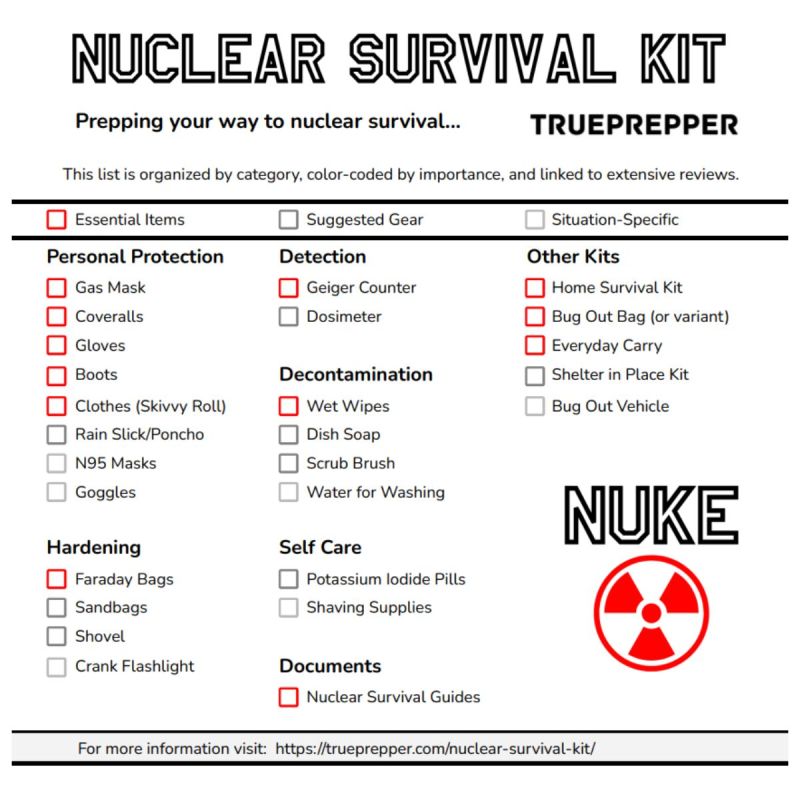
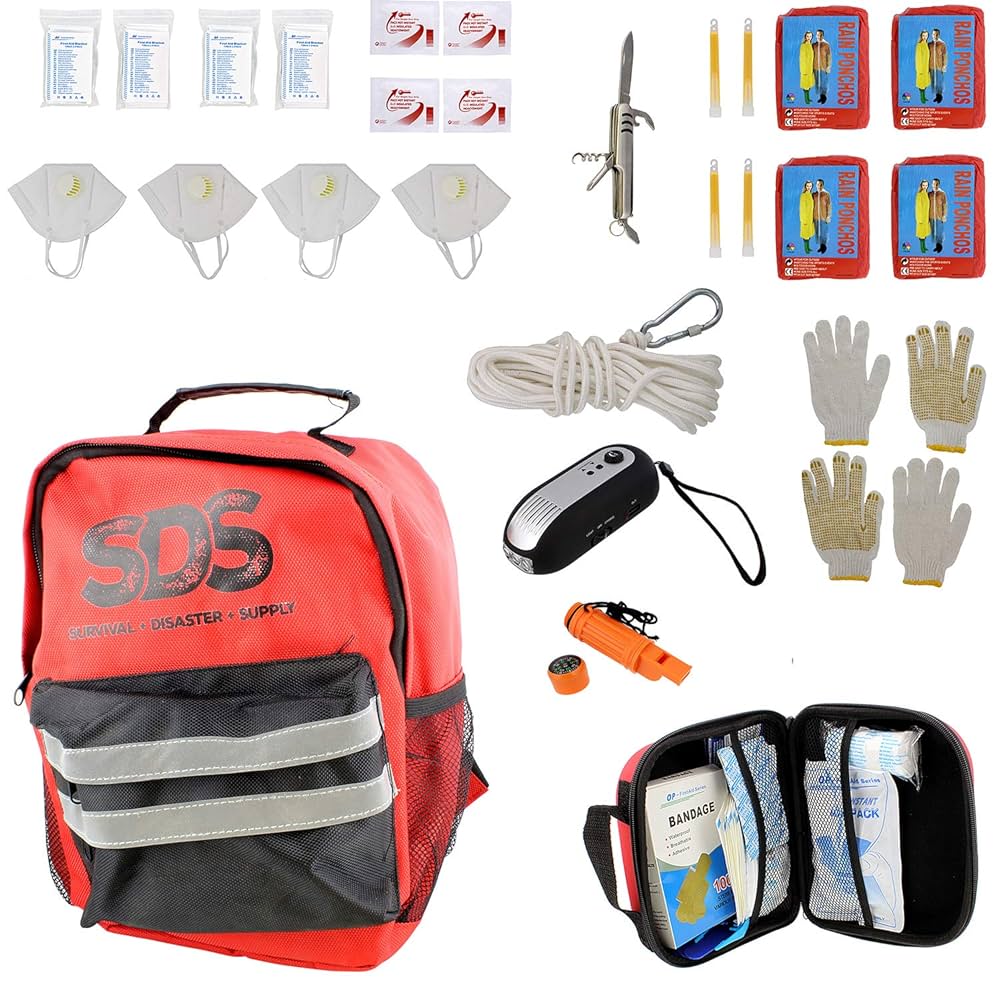
Imagine facing an unexpected emergency. Would you know what to grab?
Having a well-packed survival kit can make all the difference between feeling helpless and staying safe. You might think it’s just about throwing a few items into a bag, but there’s more to it than that. What exactly should you include in your survival kit to be truly prepared?
Keep reading, because the right choices could protect you and your loved ones when it matters most.
Basic Survival Tools
Basic survival tools form the backbone of any survival kit. These are the items that help you solve immediate challenges in the wild or during emergencies. Without the right tools, even simple tasks can become difficult, making your situation more stressful.
Multi-tool And Knife
A quality multi-tool or knife is essential. It can cut ropes, prepare food, and even serve as a makeshift weapon if needed.
Look for one that includes pliers, screwdrivers, and a sharp blade. I once used a multi-tool to fix a broken zipper on my backpack, saving a frustrating hike.
Ask yourself: could you handle daily tasks or unexpected fixes without a sharp, reliable blade in your kit?
Fire Starters
Fire is crucial for warmth, cooking, and signaling for help. Pack waterproof matches, a lighter, and a ferrocerium rod.
A ferro rod lasts longer than matches and works even when wet. I recall a rainy night when only my ferro rod saved me from freezing.
Do you have multiple ways to start a fire if one method fails?
Flashlight And Batteries
A dependable flashlight lights your path in darkness and signals rescuers. Choose an LED flashlight for longer battery life.
Carry extra batteries and check them regularly. One time, a fresh set of batteries made all the difference during a night hike gone wrong.
Is your light source strong enough to help you navigate or send a distress signal at night?
Water And Hydration Gear
Water is the most important item in any survival kit. Staying hydrated keeps your body working well. Dehydration can cause serious problems quickly. Carrying the right gear to hold and clean water is essential. Choose tools that are easy to use and reliable.
Water Bottles And Containers
Durable water bottles are a must-have. Look for bottles made from strong materials like stainless steel or BPA-free plastic. They should be leak-proof and easy to carry. Collapsible bottles save space and are lightweight.
- Choose bottles with wide mouths for easy filling and cleaning.
- Consider insulated bottles to keep water cool.
- Use containers that hold enough water for your daily needs.
Backup containers help store extra water. Collapsible bladders or jugs are good options. Make sure all containers seal tightly to avoid spills.
Water Purification Methods
Carrying water is not enough. Water from natural sources may contain harmful germs. Purification is key to safe drinking water. Pack simple and effective purification tools.
- Water filters remove bacteria and protozoa. They work fast and need no chemicals.
- Purification tablets kill viruses and bacteria. Lightweight and easy to carry.
- Boiling water is a sure way to kill germs. Requires a heat source and time.
- Portable UV purifiers use light to disinfect water quickly.
Choose methods that suit your situation and skill level. Combining methods offers extra safety. Always have a backup plan for water purification.
Food And Nutrition
Food and nutrition are key to staying strong during emergencies. Your body needs energy to keep going. Choosing the right food helps maintain health and morale. Packing foods that last long and provide nutrients is smart. Also, having tools to prepare food is important. This section covers what to include for nutrition in your survival kit.
Non-perishable Food Items
Pick foods that do not spoil quickly. These keep well without refrigeration. Focus on items rich in calories and nutrients.
- Canned beans and vegetables
- Dry rice and pasta
- Peanut butter and nuts
- Energy bars and trail mix
- Dehydrated fruits and jerky
- Powdered milk and instant soups
Seal all items in airtight bags or containers. This protects from moisture and pests. Rotate food supplies every six months to keep freshness.
Portable Cooking Equipment
Cooking tools allow you to prepare meals anywhere. Choose lightweight and compact items for easy carrying.
- Small camping stove or portable burner
- Fuel canisters compatible with the stove
- Lightweight pots and pans
- Reusable utensils and a can opener
- Fire starters like waterproof matches or lighters
Practice using your cooking gear before an emergency. This saves time and reduces mistakes. Remember to pack enough fuel and keep it safe.

Credit: trueprepper.com
Shelter And Warmth
Shelter and warmth are vital in any survival situation. They protect your body from cold, rain, and wind. Staying dry and warm helps prevent hypothermia. A good survival kit must include items to create shelter and keep heat.
Emergency Blankets
Emergency blankets are small, lightweight, and easy to carry. They reflect body heat back to you. These blankets block wind and rain, helping keep you dry. Use them to wrap around your body or line your shelter floor. They take up little space but provide great warmth.
Tents And Tarps
Tents offer solid protection from weather and insects. Choose lightweight, compact models for your survival kit. Tarps are versatile and can create quick shelters. Use ropes or cords to set up tarps as rain covers or windbreaks. Both tents and tarps help maintain body heat and keep you safe.
Clothing And Insulation
Wear layered clothing to trap heat and stay warm. Include thermal shirts, fleece jackets, and waterproof shells. Extra socks and gloves keep extremities warm. Insulation materials, like wool or synthetic fibers, dry quickly and retain heat. Pack clothes that fit well and suit the climate you expect.
First Aid Supplies
First aid supplies are the backbone of any survival kit. They help you manage injuries and prevent infections until professional help arrives. Are you confident that your kit can handle common emergencies?
Basic Medical Kit
Your basic medical kit should cover a variety of injuries, from cuts to sprains. Include adhesive bandages in multiple sizes to cover small wounds quickly. Sterile gauze pads and adhesive tape are essential for larger cuts and scrapes.
Don’t forget antiseptic wipes or solutions to clean wounds and reduce infection risk. A pair of tweezers can help remove splinters or debris. Scissors are crucial for cutting tape or clothing if needed.
Medications And Pain Relievers
Having the right medications can make a big difference in comfort and recovery. Pack pain relievers like ibuprofen or acetaminophen for headaches and muscle aches. Antihistamines can be lifesavers if you encounter allergic reactions.
Consider including anti-diarrheal medicine and oral rehydration salts. These help maintain hydration and prevent complications in case of stomach issues. Always check expiration dates and replace expired meds promptly.
Personal Hygiene Items
Keeping wounds clean is critical, so add personal hygiene items to your kit. Include hand sanitizer to clean your hands before and after treatment. Disposable gloves protect both you and the injured person from germs.
Pack a small bar of antibacterial soap and a few clean cloths or wipes. These items help maintain hygiene when water isn’t readily available. Have you thought about how you would stay clean in a survival situation?
Navigation And Communication
Having reliable navigation and communication tools in your survival kit can make all the difference when you’re off the grid or in an emergency. These items help you find your way and signal for help, increasing your chances of being rescued. Let’s look at some essential gear that should be part of your kit.
Compass And Maps
A compass is a must-have for navigation, especially if you lose GPS signal or your phone battery dies. It helps you maintain a sense of direction and avoid walking in circles.
Pair your compass with detailed topographic maps of the area where you’ll be traveling or living. Maps provide critical information about terrain, water sources, and landmarks.
Have you ever tried navigating with just a map? Without a compass, it’s easy to misread your position. Keeping these together ensures you can orient yourself quickly and accurately.
Whistle And Signal Mirrors
Simple but powerful, a whistle can carry your call for help much farther than your voice. It requires less energy and can be used repeatedly without tiring yourself.
Signal mirrors reflect sunlight to catch the attention of rescuers over long distances. They are lightweight and easy to use, making them a smart addition to your kit.
Think about how often you might need to signal for help quietly yet effectively. These tools offer a practical way to do just that without relying on technology.
Emergency Radio
An emergency radio keeps you connected to important updates during disasters, even if your phone service is down. Look for models with NOAA weather alerts and multiple power options like batteries, solar, or hand crank.
Staying informed can guide your decisions and keep you safe. Plus, some radios have built-in flashlights and USB ports to charge other devices.
Would you be prepared if severe weather struck without any way to get news or emergency instructions? An emergency radio ensures you’re not left in the dark.
Personal Safety Items
Personal safety items are crucial in any survival kit because they protect you from immediate threats and ensure your identity and important information are accessible in emergencies. Including the right tools can make a significant difference in how you handle dangerous situations or navigate after a disaster. Think about what you would need if you had to defend yourself or prove who you are without access to your usual resources.
Pepper Spray Or Personal Defense
Carrying pepper spray can provide you with a simple yet effective way to defend yourself against attackers or wild animals. It’s small, easy to use, and doesn’t require special training. However, check the laws in your area since some places restrict or prohibit pepper spray.
If pepper spray isn’t an option, consider other personal defense tools like a whistle to attract attention, a sturdy tactical pen, or a small flashlight that can temporarily blind an assailant. Have you thought about how confident you feel using these items? Practicing their use can boost your readiness and reduce panic in real situations.
Identification And Important Documents
Keeping copies of your ID, medical records, insurance papers, and emergency contacts in your survival kit can save precious time and stress. Store these documents in a waterproof pouch to protect them from water damage. You might also want to include digital copies on a USB drive or stored securely on your phone.
Ask yourself: would you be able to prove your identity or medical needs if you were found by rescue teams or authorities? Having these documents handy can speed up assistance and prevent misunderstandings during critical moments. Don’t forget to update this information regularly to keep it accurate and useful.
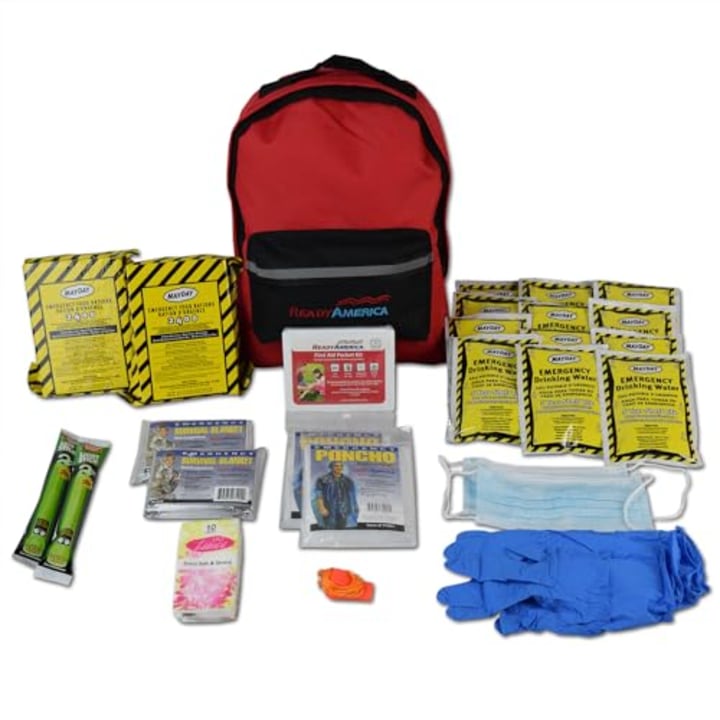
Credit: www.nbcnews.com
Additional Survival Gear
Adding extra gear to your survival kit can make a big difference when you face unexpected challenges. These items might seem small or simple, but they often solve problems that other equipment can’t. Think about situations where you need to fix something quickly, stay dry, or keep track of important details—these tools become lifesavers.
Duct Tape And Paracord
Duct tape is like a fix-it-all tool in your kit. It can repair torn clothing, seal leaks, or even create splints for injuries. Paracord adds versatility; you can use it for building shelters, making traps, or securing gear.
One time, I used paracord to hang a food bag out of reach of animals during a camping trip. It worked perfectly and saved my food from being spoiled. Have you thought about how many different ways you could use these simple items?
Trash Bags And Plastic Sheeting
Trash bags and plastic sheeting are lightweight and multi-functional. Use them for waterproofing your shelter, collecting rainwater, or even as makeshift ponchos. Their flexibility makes them ideal for protection against weather or carrying supplies.
Carrying a couple of large trash bags can also help keep your gear dry during unexpected downpours. What other creative uses can you imagine for these everyday materials?
Notepad And Pencil
A notepad and pencil might seem basic, but they are incredibly useful for survival. You can keep a log of your location, jot down important instructions, or leave messages for rescuers. Writing things down helps avoid confusion and keeps your thoughts organized.
Once, while hiking off-trail, I used a notepad to map my route and mark landmarks. It kept me on track when GPS failed. How would you use a simple notepad in an emergency situation?

Credit: www.servpro.com
Frequently Asked Questions
What Essential Items Are In A Survival Kit?
A survival kit should include water, non-perishable food, a first-aid kit, a flashlight, and a multi-tool. It’s also crucial to have a whistle, waterproof matches, and a space blanket. These items help you stay safe and prepared in emergencies.
Why Is Water Important In A Survival Kit?
Water is vital because the human body needs it to function. In emergencies, access to clean water may be limited. Having bottled water or water purification tablets ensures you stay hydrated and healthy until help arrives.
Should I Include A First-aid Kit?
Yes, a first-aid kit is essential for treating minor injuries. Include bandages, antiseptic wipes, and pain relievers. These items can prevent infections and provide temporary relief until professional help is available.
Is A Flashlight Necessary In A Survival Kit?
Absolutely, a flashlight is crucial for visibility during power outages or nighttime emergencies. Choose a reliable, battery-operated or hand-crank flashlight. It helps you navigate safely and signals for help when needed.
Conclusion
A good survival kit keeps you ready for many situations. Include water, food, and first aid supplies. Tools like a flashlight and knife help a lot. Keep your kit small but complete. Check it often to replace old items. Staying prepared means staying safe.
Build your kit step by step. Start today, and feel confident tomorrow.