Imagine being stuck on the side of the road with no help in sight. What would you do?
Having the right items in your car survival kit can make all the difference between staying safe and facing a dangerous situation. You might think you’re prepared, but do you really have everything you need? You’ll discover exactly what to pack so you’re ready for any emergency.
Keep reading to protect yourself, your loved ones, and your peace of mind every time you get behind the wheel.

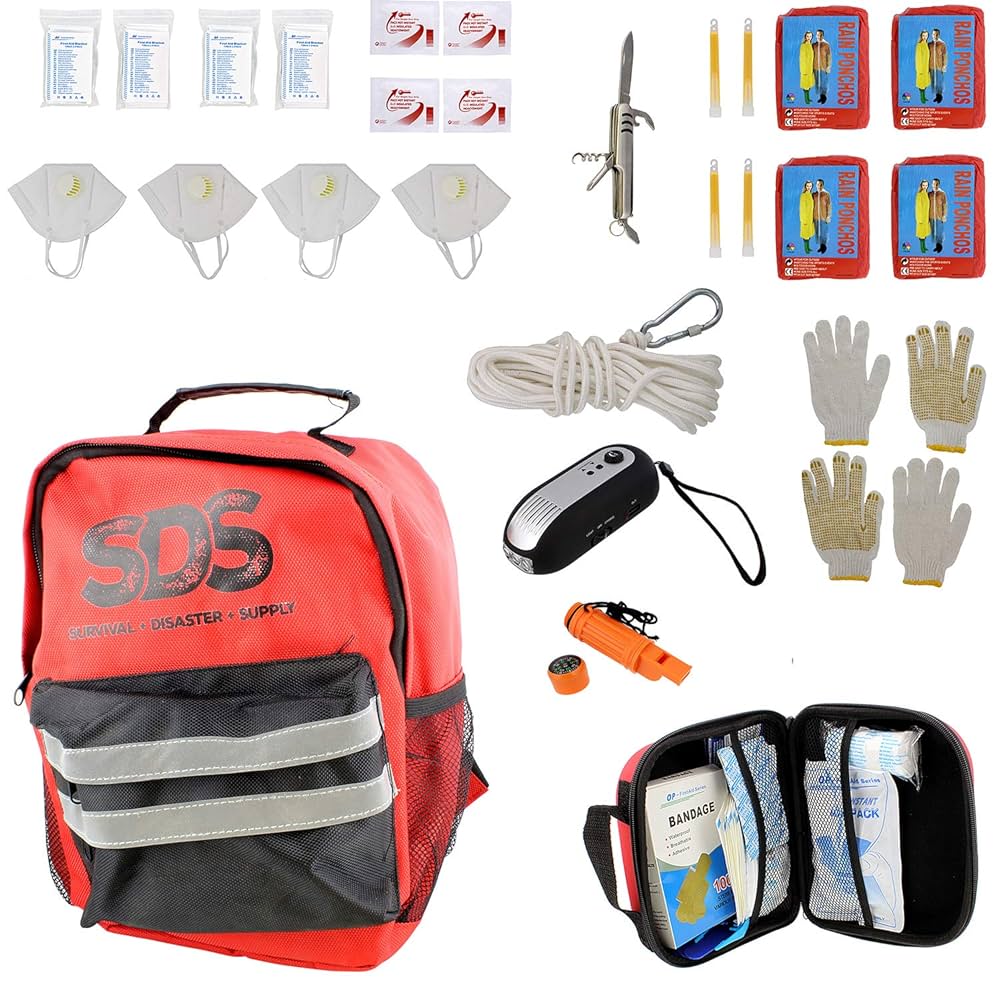
Credit: www.amazon.com
Basic Survival Tools
Having the right basic survival tools in your car survival kit can make all the difference during an emergency. These tools help you handle unexpected situations quickly and efficiently. Let’s look at the essential items you should never leave home without.
Multipurpose Knife
A sharp, sturdy multipurpose knife is a must-have. It can help you cut ropes, open cans, or even prepare food. I once used mine to fix a broken seatbelt buckle, which saved me from a dangerous situation on a remote road.
Choose a knife with additional features like a screwdriver or scissors for added versatility. Remember, it’s not just about having a knife but having one that suits many needs.
Flashlight And Batteries
A reliable flashlight is crucial when night falls unexpectedly or you need to inspect something in the dark. Always keep extra batteries because a dead flashlight is useless in an emergency. LED flashlights offer bright light and long battery life, making them a smart choice.
Think about how often you check your flashlight’s batteries. When was the last time you replaced them? Keeping this simple tool ready could save you hours of stress and uncertainty.
Fire Starters
Fire starters like waterproof matches or a magnesium fire starter can provide warmth, light, and a way to signal for help. Even if you don’t plan on camping, having a fire starter in your car can be a lifesaver in cold or dark conditions.
Practice using your fire starter before you need it. Knowing how to quickly create a fire can build confidence and ensure you don’t waste precious time in an emergency.
First Aid Essentials
A well-stocked car survival kit always includes first aid essentials. These items can make a big difference when you face minor injuries on the road. Having the right supplies ready helps you stay calm and act quickly.
Bandages And Dressings
Bandages and dressings are your first line of defense against cuts and scrapes. Keep a variety of sizes, from small adhesive bandages to larger gauze pads. This variety lets you handle anything from a tiny scratch to a deeper wound.
Think about the last time you got a paper cut—did you have a bandage handy? That quick fix stops bleeding and protects the skin from infection. Don’t forget to include adhesive tape to secure dressings firmly in place.
Antiseptic Wipes
Antiseptic wipes clean wounds and reduce the risk of infection. They are easy to use and perfect for quick treatment when you don’t have access to running water. Pack individually wrapped wipes to keep them sterile and ready for emergencies.
Imagine pulling over after a minor accident and needing to clean a scrape before applying a bandage. Antiseptic wipes make this simple and effective. You’ll want to avoid infections that could turn a small injury into a bigger problem.
Pain Relievers And Medications
Pain relievers like ibuprofen or acetaminophen help you manage discomfort until professional help arrives. Include a small supply to ease headaches, muscle pain, or fever. Make sure to check expiration dates regularly.
Besides pain relievers, consider adding allergy medication if you’re prone to reactions. Do you carry any specific medications for your health needs? Including them can be crucial during emergencies when access to pharmacies is limited.
Food And Water Supplies
Food and water are the cornerstones of any car survival kit. Without them, even the simplest roadside emergency can turn into a serious problem. You need supplies that last long, are easy to carry, and provide enough energy to keep you going.
Non-perishable Snacks
Choose snacks that stay fresh for months without refrigeration. Think energy bars, nuts, dried fruits, and jerky. These items pack a punch of calories and nutrients, which is exactly what you need if you’re stuck for hours or days.
Consider the size and weight too. You don’t want bulky food that takes up space or adds too much weight to your kit. A small bag of trail mix or a few protein bars can give you quick energy and won’t spoil.
Have you ever been hungry on a long drive and only had sugary snacks that left you feeling worse? That’s why picking nutrient-dense options matters. They keep your energy steady and your mind sharp.
Water Bottles And Purification Tablets
Water is the most critical element in your survival kit. Carry at least one gallon per person if possible. Bottled water is convenient, but it can run out or get contaminated, so having purification tablets is a smart backup.
These tablets are lightweight and easy to use. If you find yourself near a water source, you can treat it quickly and safely. This small addition could save your life if you run out of bottled water.
Have you ever underestimated how thirsty you can get when stranded? Staying hydrated isn’t just about comfort—it’s about survival. Keep your water supply secure and ready to use.
Emergency Communication
Emergency communication is a vital part of any car survival kit. It ensures you can call for help or signal rescuers. Without communication tools, you might stay stranded longer in dangerous situations. Simple, reliable devices increase your chances of being found quickly. Prepare for poor phone signals or dead batteries with alternative signaling options.
Whistle And Signal Mirror
A whistle is a small, loud tool to attract attention. It works better than shouting when you are tired or injured. Carry a whistle that produces a sharp, clear sound. Use it in short bursts to signal rescuers nearby.
A signal mirror reflects sunlight to catch the eye of rescuers or passing vehicles. It works well during daylight hours. Hold the mirror steady and aim the flash toward a distant target. This method can send a visible signal over long distances.
Charged Power Bank
A power bank keeps your phone charged when away from power sources. Choose one with enough capacity to fully charge your phone multiple times. Keep it charged and in your survival kit at all times.
With a charged power bank, you can make emergency calls or use GPS. It provides peace of mind during long trips or breakdowns. Always test your power bank regularly to ensure it works when needed.
Weather Protection Gear
Weather protection gear is essential in your car survival kit. It keeps you safe and comfortable when the weather turns harsh unexpectedly. You never know when a sudden storm or cold snap might leave you stranded, so having the right gear can make a huge difference.
Thermal Blanket
A thermal blanket is lightweight but incredibly effective at retaining body heat. It can prevent hypothermia if you get stuck in cold weather. I once had to use one during a winter roadside emergency, and it made the cold much more bearable.
Look for a compact, foil-lined thermal blanket that fits easily in your glove box. It doesn’t take up much space but can save your life.
Rain Poncho
A rain poncho is a simple but powerful item to keep you dry during heavy rain. Unlike umbrellas, ponchos cover your whole body and gear, which is useful when you need to walk or work outside your car.
Choose a poncho that’s durable and easy to put on quickly. You’ll appreciate it when rain starts pouring, and you have no shelter nearby.
Extra Clothing
Extra clothing is a must-have because wet or cold clothes can quickly lead to discomfort or worse. Pack an extra pair of socks, gloves, and a hat to keep warm and dry.
Think about layering: a moisture-wicking base layer, an insulating middle layer, and a waterproof outer layer. This combination helps you adapt to changing conditions while waiting for help.

Credit: unchartedsupplyco.com
Vehicle Repair Items
Having the right vehicle repair items in your car survival kit can save you from hours of frustration and unexpected expenses. These tools and accessories help you tackle common roadside problems quickly. You don’t need to be a mechanic to use them, just prepared.
Jumper Cables
Dead batteries are one of the most frequent issues drivers face. Jumper cables let you jump-start your car with the help of another vehicle. Make sure the cables are long enough to reach between cars and have sturdy clamps that won’t slip off easily.
Have you ever been stuck waiting for roadside assistance because your battery died? Carrying jumper cables can get you back on the road in minutes, especially in remote areas where help may be far away.
Tire Repair Kit
A flat tire can ruin your day if you don’t have the right tools. Tire repair kits usually include a sealant and a mini air compressor to temporarily fix small punctures. This can keep you driving safely until you reach a tire shop.
Many drivers overlook these kits, but they are compact and easy to store. Would you rather wait hours for a tow or patch up the tire yourself in 10 minutes?
Basic Tools
Simple tools like screwdrivers, pliers, adjustable wrenches, and a tire pressure gauge can address many minor repairs. You might tighten a loose battery terminal or adjust your headlights without needing professional help.
Think about the last time you noticed something odd with your vehicle—could a screwdriver or wrench have fixed it right away? Keeping these basic tools handy empowers you to handle small problems on the spot.
Navigation Aids
Navigation aids are essential in any car survival kit because they help you find your way when technology fails or signals disappear. Having reliable tools to guide you can make the difference between being lost and reaching safety quickly. Let’s look at two key navigation aids you should include: maps and compasses, and GPS devices.
Maps And Compass
Paper maps don’t rely on batteries or signals, making them invaluable during emergencies. You should keep a detailed road map of your area and any regions you plan to travel through. Pair this with a sturdy compass to help you orient yourself and determine directions.
Think about a time when your phone died in the middle of nowhere. A map and compass can guide you back to the main road or nearest town without needing electricity. Learning how to read a compass accurately is a skill worth practicing before you need it.
Gps Device
A dedicated GPS device adds precision to your navigation tools. Unlike smartphones, many GPS units work offline and have longer battery life. They can store multiple waypoints and routes, which is useful if you plan to explore unfamiliar areas.
Make sure your GPS device is fully charged and keep extra batteries or a portable charger in your kit. Even if you know your area well, a GPS can alert you to road closures or hazards. Ask yourself: do you have a backup if your phone’s GPS stops working?

Credit: www.youtube.com
Personal Safety Items
Personal safety items are essential in any car survival kit. They help protect you during emergencies or unexpected situations. These items boost your confidence and keep you safe on the road. Carrying the right tools can make a big difference in your safety.
Pepper Spray
Pepper spray is a small, easy-to-carry self-defense tool. It can stop an attacker quickly without causing permanent harm. Keep it within reach, like in your glove compartment or door pocket. Check local laws about carrying pepper spray before adding it to your kit.
Reflective Vest
A reflective vest makes you visible in low light or bad weather. It helps drivers see you if your car breaks down at night. Choose a vest with bright colors and reflective strips. Store it where you can grab it fast during an emergency.
Frequently Asked Questions
What Is A Car Survival Kit?
A car survival kit is a collection of essential items. It helps you handle emergencies when driving. The kit typically includes tools, first aid supplies, and food and water. These items ensure safety and preparedness on the road. Having a car survival kit is crucial for unexpected situations.
Why Do I Need A Car Survival Kit?
A car survival kit prepares you for emergencies. It helps in situations like breakdowns or accidents. With essential items on hand, you stay safe and comfortable. The kit can save time and reduce stress during unexpected events. It’s a smart precaution for every driver.
What Should Be In A Basic Car Survival Kit?
A basic car survival kit should include a flashlight, first aid kit, and jumper cables. Add non-perishable food, water, and a blanket for warmth. Tools like a multi-tool and tire gauge are also useful. Tailor the kit to your specific needs and climate.
How Often Should I Check My Car Survival Kit?
Check your car survival kit every six months. Ensure all items are functional and not expired. Replace food, water, and batteries regularly. Update the kit based on seasonal changes and personal needs. Regular checks ensure readiness for any emergency situation on the road.
Conclusion
A car survival kit can help you stay safe on the road. Pack items like water, food, and first aid supplies. Keep tools such as a flashlight and jumper cables handy. Don’t forget warm clothes and a phone charger. These basics prepare you for many emergencies.
Stay calm and ready with the right kit. Your safety depends on good planning. Always check and update your kit often. Small efforts today can protect you tomorrow. Stay safe, stay prepared.