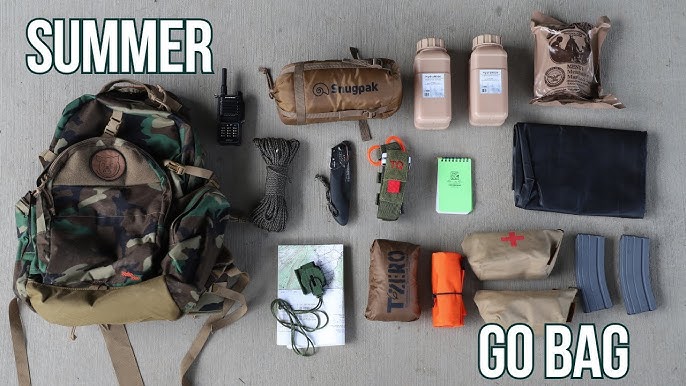
Imagine being deep in the woods, miles away from help, and suddenly facing an unexpected challenge. What if you had a survival kit that could keep you safe, comfortable, and ready for anything?
Building your own hiking survival kit is not just smart—it’s essential. In this guide, you’ll learn exactly what to pack, why each item matters, and how to customize your kit for your adventures. Keep reading, because your safety and peace of mind depend on what you carry with you.
Choosing The Right Container
Choosing the right container for your hiking survival kit is a crucial decision that can affect your safety and convenience on the trail. The container must protect your gear from the elements and fit your hiking style. Think about the environment you’ll be in and how easily you can carry and access your supplies.
Waterproof And Durable Options
Waterproof containers keep your essentials dry, especially in wet or humid conditions. Hard plastic cases with rubber seals are excellent at keeping water out and resisting impact if dropped. I once relied on a simple dry bag during a sudden rainstorm, and it saved my matches and first aid kit from getting soaked.
Metal tins, like old mint containers, can also be durable and waterproof if sealed properly, but they might dent or rust over time. If you prefer lightweight gear, consider silicone or heavy-duty ziplock bags inside a sturdy pouch for extra protection. Ask yourself: how often will your kit be exposed to water or rough handling?
Compact Vs. Spacious Containers
Compact containers are easier to carry and reduce bulk in your backpack. They encourage you to pack only the essentials, helping you stay organized and efficient. However, small containers might limit what you can bring, so prioritize must-have items like a fire starter, whistle, and basic first aid supplies.
Spacious containers allow room for extra gear or spare items but can add weight and take up more space. If you prefer flexibility, choose a container with compartments or removable dividers to keep things tidy. What size fits your hiking style—minimalist or prepared for any scenario?
Water And Hydration Tools
Water is the most important item in any hiking survival kit. Staying hydrated keeps your body working well. Carrying safe water helps avoid sickness. Knowing how to purify water and store it is key for survival outdoors.
Water Purification Methods
Not all natural water is safe to drink. Water from streams or lakes can have germs. Use purification tools to kill bacteria and viruses. Popular methods include:
- Portable water filters that remove dirt and bugs
- Water purification tablets that kill germs fast
- Boiling water over a camp stove or fire
- UV light purifiers that use UV rays to clean water
Choose a method that fits your hike length and weight limits. Carry at least two purification options for safety.
Portable Water Storage
Carry enough water for your hike and emergencies. Use lightweight, durable containers designed for hiking. Options include:
- Collapsible water bottles that save space when empty
- Hydration bladders with a hose for easy sipping
- Stainless steel bottles that keep water cool
Pack extra containers to hold purified water. Check for leaks before your trip. Keep your water containers clean to avoid contamination.
Food And Nutrition Essentials
Packing the right food and nutrition essentials can make or break your hiking experience. You need items that fuel your body, are easy to carry, and won’t spoil quickly. Think about how your energy levels change on long trails and what kind of food keeps you going without weighing you down.
High-energy Snacks
High-energy snacks are your best friends on the trail. They provide quick fuel and can prevent those energy slumps that leave you feeling exhausted.
- Nuts and seeds:Compact and packed with healthy fats and protein, almonds, walnuts, and pumpkin seeds keep hunger at bay for hours.
- Trail mix:A mix of dried fruits, nuts, and a bit of chocolate offers a balance of carbs and fats.
- Energy bars:Look for bars with natural ingredients and a good balance of carbs, protein, and fat.
- Jerky:Beef or turkey jerky adds a savory protein boost without taking up much space.
Have you ever felt the difference between snacking on candy versus nuts during a hike? The sustained energy from nuts lasts much longer and helps you avoid crashes.
Lightweight Meal Options
When hunger strikes for a proper meal, lightweight options save your energy and pack weight. Dehydrated or freeze-dried meals are popular because they’re easy to prepare—just add hot water.
- Instant oatmeal:Easy to carry, quick to cook, and you can add nuts or dried fruit for extra calories.
- Freeze-dried meals:These come in many varieties, from pasta to rice dishes, and only require boiling water.
- Instant noodles or couscous:Light and simple to prepare, perfect for a quick warm meal.
- Peanut butter packets:Great for spreading on crackers or eating straight for a calorie-dense meal addition.
Think about how much time and effort you want to spend on meals during your hike. Choosing lightweight options helps you eat well without slowing you down or adding bulk to your pack.

Credit: www.selfrelianceoutfitters.com
Shelter And Warmth Gear
Shelter and warmth gear is essential for any hiking survival kit. It protects you from cold, wind, and rain. Staying warm can prevent hypothermia and keep energy levels high. This section covers key items to pack for shelter and warmth.
Emergency Blankets And Tarps
Emergency blankets are lightweight and compact. They reflect body heat back to you. Carry at least one per person in your kit.
Tarps provide a quick shelter from rain and wind. Use ropes or cords to secure tarps between trees. Tarps can also serve as ground covers or windbreaks.
- Choose waterproof, durable tarps.
- Emergency blankets fit easily into small pockets.
- Both items weigh very little.
Insulation And Clothing Layers
Layering helps trap heat and adjust to changing weather. Start with a moisture-wicking base layer to keep skin dry.
Add an insulating middle layer like fleece or wool. Top it with a waterproof and windproof outer layer.
- Pack extra socks and gloves.
- Choose lightweight, compressible fabrics.
- Keep a hat to retain heat from your head.
Navigation And Communication Devices
Having reliable navigation and communication devices in your survival kit can be a lifesaver during a hiking trip. These tools help you stay on track and reach out for help if needed. Without them, even a short hike can turn into a risky adventure.
Maps And Compasses
A detailed topographic map and a sturdy compass are essential for finding your way when GPS signals fail or batteries die. Digital devices can malfunction, but a paper map and compass never run out of power.
Learn how to read contour lines and landmarks on your map. Practice using the compass to orient yourself before heading out. You’ll gain confidence in navigating unfamiliar terrain.
- Choose waterproof or laminated maps to protect against weather.
- Mark your planned route clearly on the map.
- Carry a compass with a rotating bezel and a sighting mirror for better accuracy.
Think about the last time you relied solely on your phone’s GPS—did it work perfectly? Having a backup plan with a map and compass can save you from getting lost.
Emergency Signaling Tools
Communication devices are your lifeline if you get stranded or injured. Simple signaling tools can attract attention and speed up rescue efforts.
Consider adding a whistle, signal mirror, and a flashlight to your kit. These tools are lightweight but powerful when you need to alert others.
- A whistle’s sound travels farther than your voice and doesn’t tire you out.
- A signal mirror can reflect sunlight to catch the eye of distant hikers or aircraft.
- A flashlight or headlamp with an SOS mode can send visual signals at night.
Have you ever tried blowing a whistle for help? It’s surprising how effective it can be compared to shouting. These simple devices increase your chances of being found quickly.
First Aid Supplies
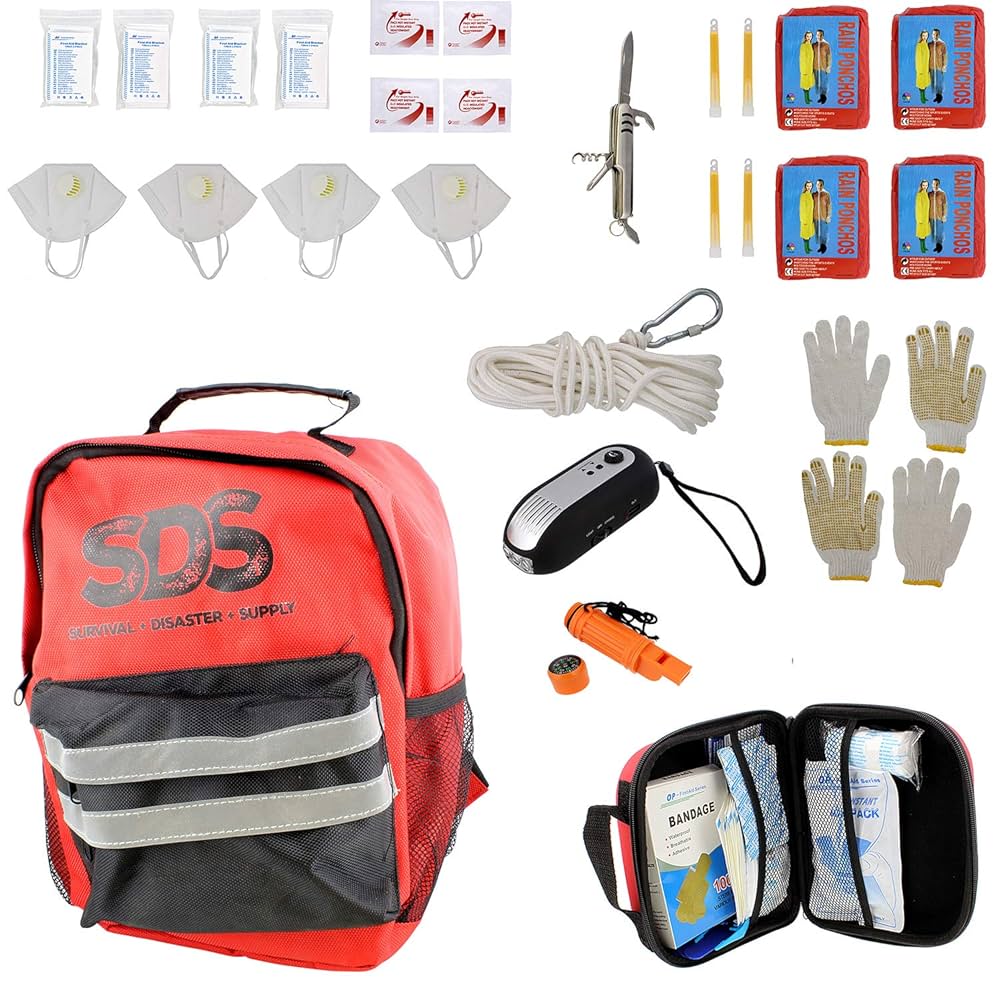
First aid supplies are vital in any hiking survival kit. They help treat injuries quickly. Proper care prevents infections and reduces pain. A well-stocked kit prepares you for common hiking accidents.
Basic Medical Items
- Adhesive bandages in various sizes for cuts
- Sterile gauze pads to cover wounds
- Antiseptic wipes to clean injuries
- Medical tape to secure bandages
- Elastic bandage for sprains and strains
- Disposable gloves to keep hands clean
- Antibiotic ointment to prevent infection
- Pain relief tablets like ibuprofen or acetaminophen
- Scissors and tweezers for cutting and removing debris
Specialized Emergency Tools
- CPR face shield for safe resuscitation
- Thermal blanket to keep warm
- Finger splints for broken or injured fingers
- Instant cold packs to reduce swelling
- Burn cream for minor burns
- Snake bite kit for areas with venomous snakes
- Emergency whistle to signal for help
- Water purification tablets for safe drinking water
Fire Starting Equipment
Fire starting equipment is vital for any hiking survival kit. It helps you create warmth, cook food, and signal for help. Carry reliable tools that work in different weather conditions. Choose items that are lightweight and easy to use. Always pack backups to avoid surprises during emergencies.
Matches And Lighters
Matches are simple and effective fire starters. Waterproof matches are best for hiking. They stay dry and light fires even in wet conditions.
Lighters are compact and convenient. A butane lighter works well but may fail in cold or windy weather. Windproof lighters offer better performance outdoors.
Carry both matches and lighters for reliability. Store them in a waterproof container to keep them safe.
Fire Starters And Tinder
Fire starters help ignite fire quickly. Examples include firesteel rods and magnesium blocks. They produce sparks to light tinder easily.
Tinder is the material that catches fire first. Use dry leaves, small twigs, or cotton balls. Commercial tinder, like wax-coated cotton, lasts long and lights fast.
Combine fire starters with good tinder. This combination boosts your chance to start fire fast in tough conditions.

Credit: www.youtube.com
Multi-tools And Repair Kits
Multi-tools and repair kits are vital for every hiking survival kit. These compact sets help fix gear and solve small problems fast. Carrying the right tools keeps you safe and prepared on the trail. They save time and prevent bigger issues during your hike.
Essential Tools For Repairs
- Multi-tool with knife, pliers, and screwdrivers
- Small roll of duct tape
- Spare shoelaces
- Needle and strong thread
- Zip ties for quick fixes
- Patch kit for tents or sleeping bags
- Mini screwdriver set
- Wire or thin rope
Diy Fixes On The Trail
Use duct tape to fix torn fabric or broken poles quickly. Replace broken shoelaces with spares to avoid discomfort. Sew small rips in clothes or gear using needle and thread. Zip ties hold broken parts together until you get help.
Patch holes in tents or sleeping bags to keep warmth and dryness. Tighten loose screws on equipment with the mini screwdriver set. Use wire to replace broken clips or secure gear. These fixes keep you moving and comfortable outdoors.
Personal Safety Items
Personal safety items are essential components of any hiking survival kit. They help you signal for help, protect yourself from unexpected encounters, and maintain a sense of security in the wilderness. Your kit should include tools that are lightweight, easy to use, and effective in emergency situations.
Whistles And Personal Alarms
A whistle is one of the simplest yet most effective safety devices you can carry. It requires no batteries and can be heard from long distances, making it ideal for alerting others if you’re lost or in danger. Choose a loud, durable whistle that fits comfortably on your keychain or backpack.
Personal alarms add an extra layer of security by producing a loud, piercing sound when activated. This can scare off potential threats and draw attention quickly. Think about carrying one that’s easy to trigger even with gloves on or in stressful moments.
Have you ever stopped to consider how quickly a loud noise can turn a situation around? A whistle or alarm might be the difference between being found fast or wandering alone for hours.
Protection Against Wildlife
Wildlife encounters can be unpredictable, so having protective items in your survival kit is crucial. Bear spray is a popular choice that can deter aggressive animals without causing permanent harm. Make sure you know how to use it properly and keep it accessible.
Other items like noise makers or small air horns can also help keep animals at bay by startling them from a distance. Some hikers carry lightweight trekking poles, which can be used defensively if needed. Remember, the goal is to avoid confrontation, not to provoke it.
Have you thought about how you would react if an animal suddenly appeared on your path? Carrying protection doesn’t mean you expect trouble, but it gives you confidence to handle unexpected moments calmly.

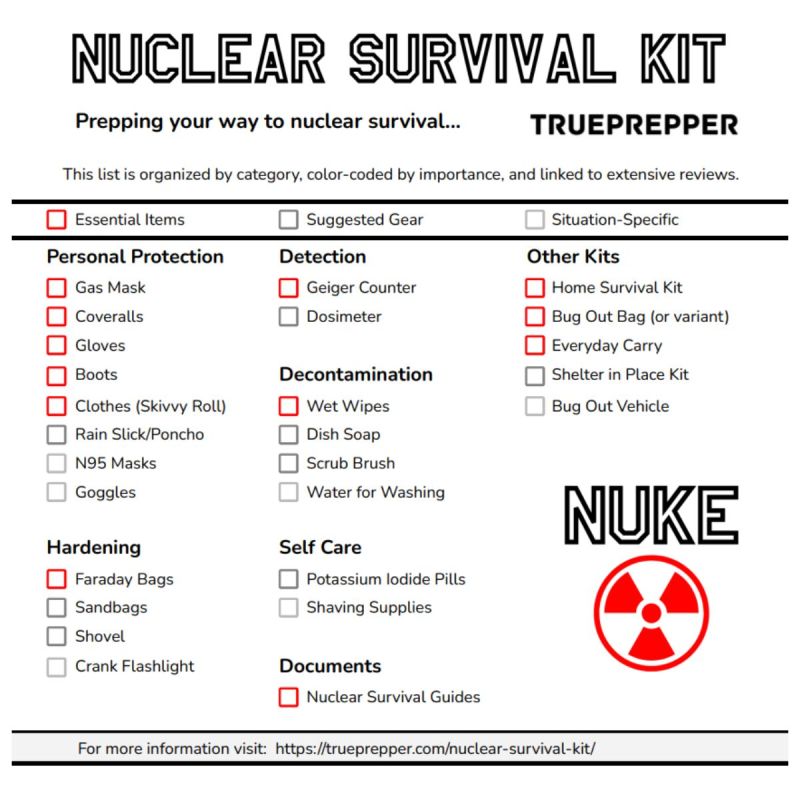
Credit: trueprepper.com
Packing And Maintenance Tips
Packing and maintaining your survival kit is more than just stuffing items into a bag. How you organize and care for your kit can make all the difference when you’re out on the trail. Paying attention to these details helps you access gear quickly and ensures everything works when you need it most.
Organizing Your Kit
Keep your survival kit neat and easy to navigate. Use small, clear bags or compartments to separate items like first aid supplies, fire starters, and food. This way, you avoid digging through your entire kit when time is critical.
Think about the order in which you’ll need items. Place frequently used gear near the top or in outer pockets. For example, a map and compass should be readily accessible, while extra socks can stay deeper inside.
Labeling compartments can save precious minutes. I once wasted time searching for my whistle during a sudden downpour. After that, I started using bright tags on key items, making them easy to spot even in low light.
Regular Updates And Checks
Your survival kit isn’t a one-time project. Check it before every hike to replace expired food, batteries, or medications. A flashlight with dead batteries won’t help you at night.
Inspect gear for wear and tear. Torn fabric or rusted tools can fail when you need them most. Keep a checklist handy to ensure you don’t miss important items during your review.
Ask yourself: have your needs changed since your last hike? Adjust your kit accordingly. Maybe you’re going to a colder area now, so add extra layers or thermal blankets. Staying proactive keeps your kit reliable and tailored to your adventures.
Frequently Asked Questions
What Items Are Essential In A Hiking Survival Kit?
A hiking survival kit should include a first aid kit, water purification tablets, a flashlight, a multi-tool, a fire starter, and emergency food. These essentials ensure you are prepared for unexpected situations. Always tailor your kit based on the terrain and duration of your hike for optimal safety.
How Do I Choose The Right Backpack For My Kit?
Choose a backpack that is lightweight, durable, and weather-resistant. It should have multiple compartments for organization. Ensure it fits comfortably and has adjustable straps. A well-chosen backpack can significantly enhance your hiking experience by providing easy access to your survival kit essentials.
Why Is A First Aid Kit Crucial For Hiking?
A first aid kit is crucial for addressing minor injuries immediately. It helps prevent infections and manage pain. Including items like bandages, antiseptic wipes, and pain relievers prepares you for common hiking accidents. Having a first aid kit ensures quick response to injuries, enhancing safety during your hike.
How Do I Purify Water During A Hike?
You can purify water using portable filters, purification tablets, or UV purifiers. These methods remove contaminants, making water safe to drink. Always carry a backup purification option. Clean drinking water is essential for hydration, especially during extended hikes, where fresh water sources might be scarce.
Conclusion
A good survival kit keeps you safe during hiking trips. Choose items that fit your needs and the environment. Check and update your kit before every hike. Practice using your gear to feel confident. Staying prepared helps you enjoy nature more.
Remember, simple tools can make a big difference. Always carry your kit and know how to use it. Stay safe and enjoy your adventure!