Imagine being ready for any unexpected situation with just one simple kit. You might already have a survival kit, but do you know how to use it effectively when it counts?
Learning how to play survival kits means more than just having tools—it’s about mastering the skills to protect yourself and stay calm under pressure. You’ll discover easy steps and smart tips that make using your survival kit second nature. Stick with me, and you’ll feel confident and prepared no matter what comes your way.
Ready to unlock the full power of your survival kit? Let’s dive in.

Credit: www.youtube.com
Choosing The Right Survival Kit
Choosing the right survival kit can make a huge difference in how well you handle unexpected situations. It’s not just about grabbing the first kit you see or the one with the most items. You need to think about what you really need based on your environment, skills, and the kind of emergencies you might face.
Types Of Survival Kits
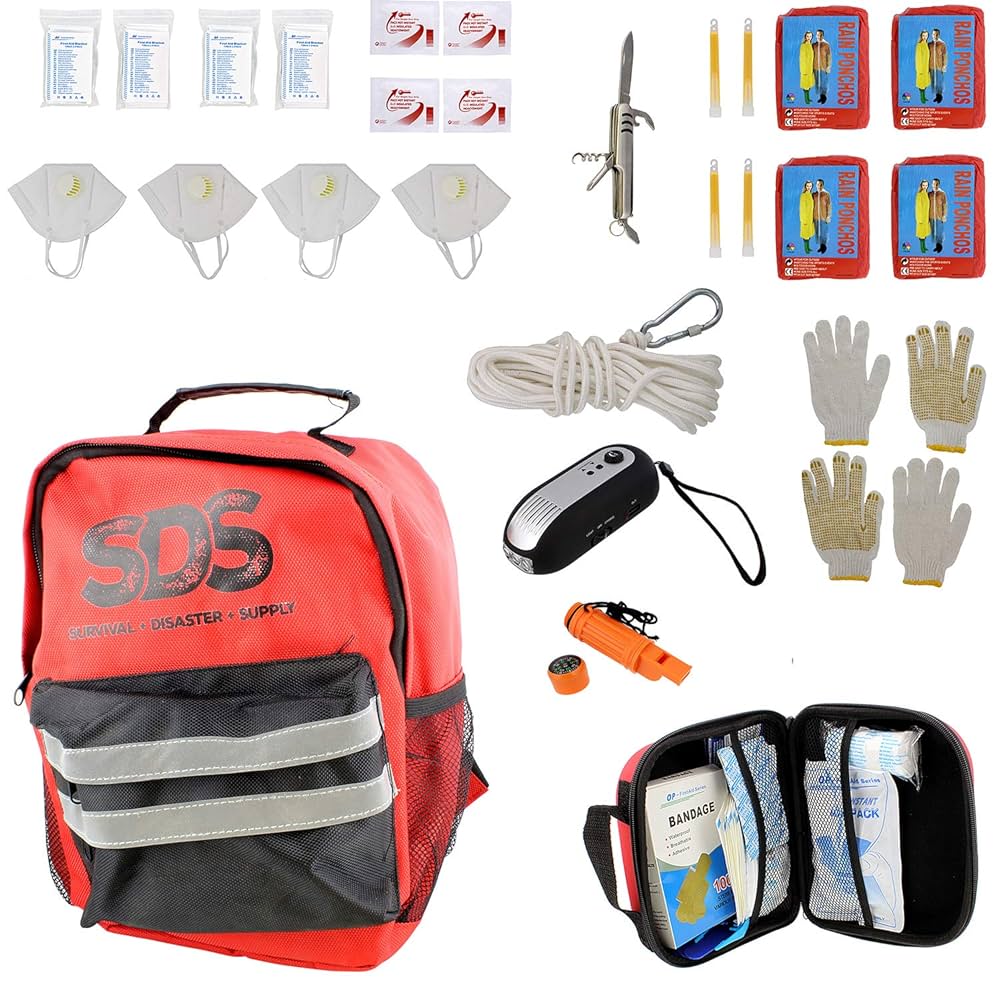
Survival kits come in many forms, each designed for specific scenarios. There are basic kits focused on essential tools like fire starters and first aid supplies. Then, you have specialized kits for hiking, car emergencies, or urban survival.
Think about where you’ll be using your kit most often. A kit for camping in the woods won’t work well in a city setting. Pick a kit that matches your usual activities and locations.
Essential Items To Include
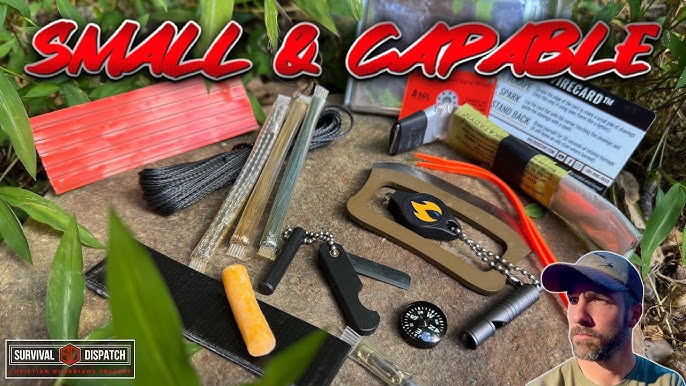
Every survival kit should cover the basics that keep you safe and help you signal for help. Items like a reliable knife, waterproof matches or a lighter, a whistle, and a compact first aid kit are must-haves.
Don’t forget about water purification tools and some form of shelter like a space blanket. These simple tools can be lifesavers, literally. Have you tested your kit to make sure everything works and you know how to use it?
Customizing For Your Environment
Your survival kit should reflect the challenges of your environment. If you live in a cold region, add extra insulation items like hand warmers or thermal socks. In hot, dry areas, include sunscreen and extra water purification tablets.
Adjust your kit seasonally and update it based on new knowledge or experiences. Personalizing your kit means you’re ready for the specific dangers you might face. What unique risks does your environment present that you need to prepare for?
Basic Survival Skills To Learn
Knowing basic survival skills is important for anyone using a survival kit. These skills help you stay safe and comfortable in tough situations. Learning simple techniques can make a big difference in emergencies. Practice these skills to build confidence and improve your chances of survival.
Fire Starting Techniques
Fire provides warmth, light, and a way to cook food. Learning to start a fire is essential. Use dry materials like twigs, leaves, and bark for tinder. Create a small pile with tinder and kindling. Use matches, a lighter, or a fire starter from your kit. Strike carefully and blow gently on the flame to help it grow.
- Gather dry tinder and kindling
- Use a reliable ignition source
- Build a small, stable fire structure
- Blow gently to feed the flame
Water Purification Methods
Clean water prevents illness and keeps you hydrated. Always purify water before drinking. Boiling water for at least one minute kills germs. Use water purification tablets or drops found in many kits. Filters can remove dirt and some bacteria. Choose the method that fits your situation and supplies.
- Boil water for safety
- Use purification tablets or drops
- Filter water to remove particles
- Store purified water in clean containers
Shelter Building Basics
A good shelter protects from weather and insects. Look for natural cover like trees or rocks. Use materials such as branches, leaves, and tarps from your kit. Build a frame and cover it well to block wind and rain. Keep the shelter small to conserve heat and stay safe.
- Find a safe, dry spot
- Use natural or kit materials
- Build a sturdy frame
- Cover to block wind and rain
- Keep shelter small and insulated
Navigation And Signaling
Navigation and signaling play a vital role in survival situations. Knowing how to find your way and call for help can save your life. This section covers key skills to help you stay on course and attract attention when needed.
Using A Compass And Map
A compass and map form the backbone of reliable navigation. Learn to read the compass needle and match it with map directions. Orient the map by aligning it with landmarks or the compass. Track your route carefully by marking points of interest. Practice taking bearings to move confidently through unfamiliar terrain.
Natural Navigation Tips
Nature offers clues to help find direction without tools. The sun rises in the east and sets in the west. Moss often grows on the north side of trees in the northern hemisphere. Stars can guide you at night, especially the North Star. Streams usually flow downhill, leading to larger water bodies. Observe wind patterns and terrain shapes for extra hints.
Emergency Signaling Tools
Signaling tools help rescuers locate you quickly. Carry a whistle to make loud, sharp sounds that carry far. A mirror or shiny object can reflect sunlight to attract attention. Use bright cloth or a signal flag to create visible signals. Flares and glow sticks are useful for night signaling. Always keep signaling tools accessible in your survival kit.
Food Procurement And Safety
Food procurement and safety are essential for survival. Finding and preparing food keeps energy high and health stable. Knowing safe ways to gather and store food reduces risks of illness. Focus on simple, reliable methods that work in the wild. Awareness and care ensure food stays edible and nutritious.
Foraging Edible Plants
Foraging means searching for plants you can eat. Look for leaves, berries, roots, and nuts. Always identify plants carefully to avoid poisons. Use a guidebook or local knowledge if possible. Stay away from plants with milky sap or strong smells. Test unknown plants by rubbing a small piece on your skin first. If no reaction, chew a tiny bit and wait for any bad effects.
Trapping And Fishing
Trapping catches small animals for food. Use simple traps like snares made from cord or wire. Place traps near animal paths or water sources. Fishing provides a good protein source too. Use hooks, spears, or nets to catch fish. Always clean fish properly before cooking. Avoid eating fish from polluted water.
Food Storage And Preparation
Storing food safely stops it from spoiling. Keep food in cool, dry places away from insects. Wrap meat in leaves or cloth to protect it. Cook all meat and fish well to kill germs. Boil water before drinking or cooking. Use fire or hot stones to cook food if needed. Proper preparation prevents sickness and keeps energy strong.
First Aid Essentials
First aid essentials are the backbone of any survival kit. Knowing how to use them can make the difference between a minor scare and a serious problem. Your kit should be ready to handle common injuries and sudden health issues quickly and effectively.
Treating Common Injuries
Scrapes, cuts, and burns are typical injuries you might face outdoors. Clean wounds immediately with antiseptic wipes to avoid infection. Use sterile gauze and adhesive bandages to cover the area and prevent dirt from entering.
For deeper cuts, apply pressure with a clean cloth to stop bleeding before bandaging. Sprains or strains benefit from immobilization and ice packs if available. Always keep tweezers handy to remove splinters or debris safely.
Managing Hypothermia And Heatstroke
Recognizing signs of hypothermia and heatstroke is crucial. If you notice shivering, confusion, or slurred speech, it might be hypothermia. Warm the person gradually using blankets or body heat; avoid hot water or direct heat.
Heatstroke symptoms include dizziness, headache, and rapid pulse. Move to a shaded or cool place immediately. Offer small sips of water and use damp cloths on the skin to help lower body temperature.
Using Medical Supplies Properly
Having supplies is one thing; using them correctly is another. Always check expiration dates on medications and creams. Sterilize any tools before use to prevent infection.
Follow instructions on ointments and painkillers carefully to avoid misuse. Remember, bandages should be snug but not too tight to cut off circulation. How confident are you in your first aid skills when you’re far from help?

Credit: www.youtube.com
Practicing Survival Scenarios
Practicing survival scenarios is key to using your survival kit effectively. Training helps you react quickly during real emergencies. It builds habits that keep you calm and focused. Regular practice ensures you know your tools and skills well. This section covers ways to practice survival scenarios safely and smartly.
Simulating Emergency Situations
Simulating emergency situations means creating a safe, controlled practice environment. Pretend you face real dangers like storms, power outages, or getting lost. Use your survival kit to solve problems in these scenarios. Practice setting up shelter, making fire, and finding water. This prepares you for unexpected events without real risk.
Building Confidence Through Drills
Drills help turn knowledge into action. Repeat survival tasks like first aid or navigation regularly. Practice packing and unpacking your kit quickly. Time yourself to improve speed and accuracy. Doing drills often builds confidence and reduces panic in real emergencies.
Adapting Skills To Different Conditions
Survival situations vary. Practice skills in different weather, terrain, and light conditions. Try using your kit at night or in the rain. Learn how to adjust your methods to fit each condition. This flexibility improves your chances of success in any emergency.
Maintaining And Updating Your Kit
Keeping your survival kit ready is vital for any emergency. Regular care ensures tools and supplies work when needed. Updating the kit with new items improves your chances of staying safe. Efficient packing helps carry the kit easily during any situation.
Regular Inspection And Replacement
Check your kit often to spot worn-out items. Look for expired food, dead batteries, and broken tools. Replace items that no longer work or are out of date. Set a schedule, like every six months, to inspect everything. This habit keeps your kit reliable and ready.
Incorporating New Tools And Tech
Technology changes fast. Add new tools that improve survival chances. Examples include solar chargers, water filters, or compact first aid devices. Research simple and useful gear that fits your needs. Update your kit with these items to stay prepared.
Packing Efficiently For Mobility
Organize your kit to carry it easily and quickly. Use small bags or compartments for different supplies. Keep heavy items near the bottom and lighter ones on top. Make sure the kit fits your body and moves comfortably. A well-packed kit helps you act fast in emergencies.

Credit: www.youtube.com
Frequently Asked Questions
What Are Survival Kits Used For?
Survival kits are essential for emergencies, providing crucial tools and supplies. They help you stay safe and secure during unexpected situations. Kits typically include first aid items, food, water, and tools. They prepare you for natural disasters, outdoor adventures, and other emergencies.
How Do I Choose A Survival Kit?
When choosing a survival kit, consider your specific needs and environment. Look for kits with high-quality, essential items. Evaluate the kit’s size, weight, and durability. Ensure it includes basic necessities like food, water, and first aid. Personalize the kit to suit your requirements and the potential situations you’ll face.
What Should A Basic Survival Kit Include?
A basic survival kit should include food, water, and a first aid kit. Other essential items are a flashlight, multi-tool, matches, and a whistle. A thermal blanket and a map are also useful. Customize your kit based on your location and potential emergencies.
How Often Should I Update My Survival Kit?
You should update your survival kit every six months. Check expiration dates on food and medications. Replace batteries and ensure all items are functional. Update the kit based on any new personal or environmental changes. Regular updates keep your kit reliable and ready for emergencies.
Conclusion
Playing Survival Kits needs focus and practice. Start with basic steps and learn the rules. Pay attention to your surroundings and stay calm. Use your resources wisely to stay safe. Keep trying and improve your skills every time. Enjoy the challenge and have fun while playing.
This way, you will get better and enjoy the game more. Remember, patience and practice make all the difference. Keep playing, and success will follow.