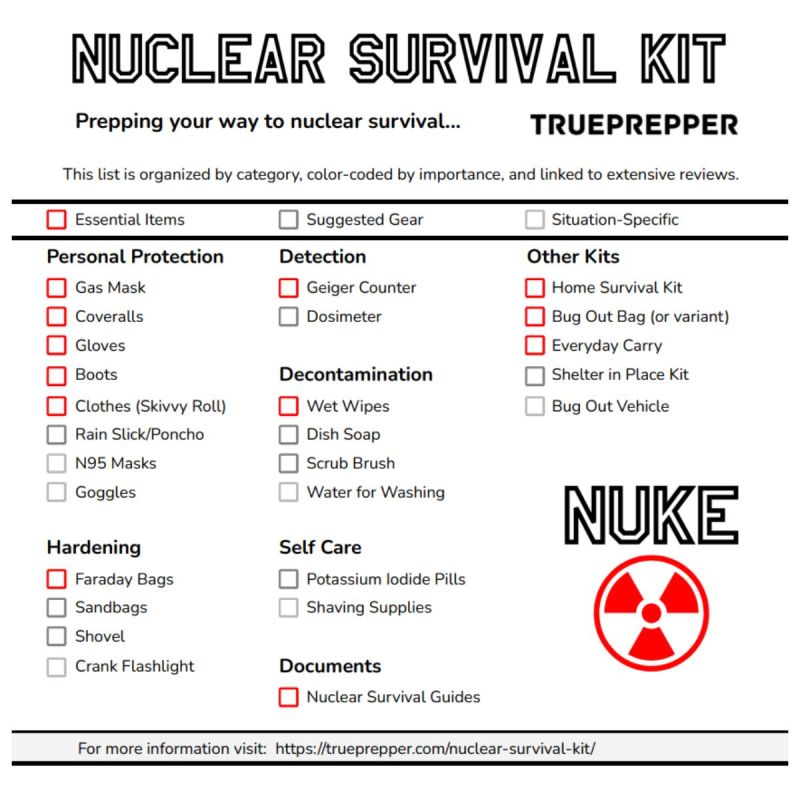
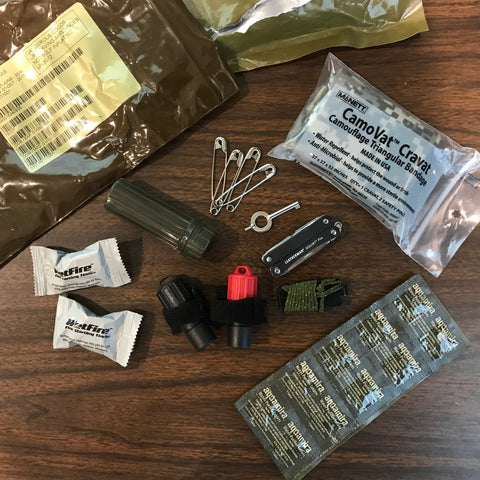
Imagine facing a sudden challenge without the right tools. How would you cope?
Your survival kit could be the difference between struggle and safety. You’ll discover exactly what you need to prepare yourself for unexpected situations. Get ready to learn how to build a kit that keeps you ready, confident, and secure—no matter what comes your way.
Keep reading to find out what essentials belong in your survival kit and why each one matters to you.
Basic Survival Gear
Basic survival gear forms the foundation of any kit designed for emergencies. These essential items help you stay safe, find your way, and manage unexpected situations. Choosing the right tools can make a big difference in how well you handle survival challenges.
Reliable Backpack
A reliable backpack carries all your survival gear comfortably. It should have strong straps and durable fabric. Compartments help keep items organized and easy to find. Water-resistant material protects gear from rain and moisture. Look for a backpack that fits well and feels balanced on your back.
Multi-tool Essentials
A multi-tool combines many useful functions in one compact device. It usually includes a knife, pliers, screwdrivers, and scissors. This tool saves space and weight in your kit. Choose a multi-tool made from high-quality steel. It must be sharp, sturdy, and easy to open quickly.
Durable Flashlight
A durable flashlight lights your path in the dark. Brightness and battery life are key features to check. Look for waterproof and shockproof designs for tough conditions. LED bulbs use less power and last longer. Carry extra batteries or a rechargeable option for continuous use.

Credit: www.amazon.ca
First Aid Supplies
First aid supplies form the backbone of any survival kit. They prepare you for unexpected injuries and health issues that can arise during emergencies. Having the right tools at hand can mean the difference between a minor setback and a major health crisis.
Comprehensive First Aid Kit
Your first aid kit should cover a wide range of potential injuries. Include items like adhesive bandages, sterile gauze pads, antiseptic wipes, and medical tape. Don’t forget tools such as scissors, tweezers, and a digital thermometer to handle various situations.
Consider adding a CPR mask and a small flashlight with extra batteries. These items can help you assist others safely and effectively in low-light conditions. How prepared would you feel if you had to deal with a cut or burn right now?
Medicinal Necessities
Medicines in your kit need careful selection. Pain relievers like ibuprofen or acetaminophen can manage discomfort. Antihistamines help with allergic reactions, and antacids can soothe stomach issues.
Include any personal prescription medications you or your family members require. Store them securely and check expiration dates regularly. What medicines would you find essential if you were stranded without access to a pharmacy?
Emergency Contacts
Keep a list of emergency contacts inside your first aid kit. Include local emergency services, poison control, and trusted family or friends. Make sure the information is clear and easy to find during a stressful moment.
Adding phone numbers for nearby hospitals or clinics can save precious time. Have you updated your emergency contacts recently? This small step can improve your response in critical situations.
Food And Water Solutions
Food and water are the most vital parts of any survival kit. Without clean water and reliable food, survival becomes difficult fast. Preparing smart solutions for food and water keeps energy up and sickness away. This section highlights key items and tools to include in a survival kit.
Portable Water Filters
Portable water filters remove harmful bacteria and dirt from water sources. They make almost any water safe to drink. These filters are small, lightweight, and easy to carry. Many use activated carbon or ceramic elements to clean water.
Benefits include:
- Removes parasites and microbes
- Compact for backpacks
- Easy to use without electricity
- Reusable for long-term survival
Non-perishable Foods
Non-perishable foods last long without spoiling. They provide steady energy during emergencies. Examples are canned goods, dried fruits, nuts, and energy bars. These foods require no refrigeration and often no preparation.
Choose foods that:
- Contain high calories and nutrients
- Have long shelf life
- Are easy to store and carry
- Do not need cooking or water
Cooking Equipment
Simple cooking tools allow food preparation anywhere. Portable stoves, lightweight pots, and utensils are essential. Cooking equipment should be durable and easy to clean.
Look for gear that:
- Uses small fuel sources like gas or solid tablets
- Is compact and fits in your kit
- Heats food quickly and efficiently
- Can boil water for safety
Shelter And Warmth
Staying safe and comfortable outdoors requires proper shelter and warmth. A reliable shelter protects from wind, rain, and cold. Warmth keeps your body temperature steady, preventing hypothermia. Packing the right gear ensures rest and recovery during survival situations.
All-weather Tent
An all-weather tent shields you from harsh conditions. Look for tents with strong frames and waterproof materials. Ventilation is key to avoid condensation inside. Choose a tent that is lightweight and easy to set up. Your shelter must stand firm against wind and rain.
Sleeping Bags And Pads
Sleeping bags provide essential insulation for cold nights. Select bags rated for temperatures below your expected low. Mummy-style bags trap heat better. Sleeping pads add comfort and block cold from the ground. Together, they improve sleep quality and warmth.
Fire Starting Tools
Fire provides warmth and a way to cook food. Carry reliable fire-starting tools like waterproof matches or lighters. Fire starters such as magnesium blocks or cotton balls soaked in wax work well. Always keep these tools dry and accessible. Fire can be a lifesaver in survival situations.
Navigation And Communication
Navigation and communication are vital components of any survival kit. They keep you oriented and connected, even when you’re far from help. Without reliable tools, you risk getting lost or isolated in a critical situation.
Gps Devices
GPS devices offer precise location tracking using satellite signals. They are especially useful when you are in unfamiliar terrain or dense forests where landmarks disappear quickly.
Choose models with long battery life and offline maps. Some handheld GPS units store waypoints and routes, helping you retrace your steps or find safe paths.
Have you ever been in a place where your phone’s GPS failed? A dedicated GPS device can be a lifesaver when cell service is spotty or unavailable.
Compasses
Compasses don’t rely on batteries or satellites, making them a reliable backup. Learning to use a compass can empower you to navigate confidently, even if electronic devices fail.
Pair your compass with a topographic map for the best results. Practice reading bearings and orienting maps before you need these skills in a real emergency.
Can you find north without a compass? Testing your natural sense of direction is useful, but always trust your compass over guesswork.
Emergency Radios
Emergency radios keep you informed about weather updates, disaster alerts, and rescue broadcasts. Some models also have built-in flashlights and charging ports for your phone.
Look for radios that operate on multiple power sources: hand crank, solar, and batteries. This ensures continuous operation when power is out.
Imagine waiting for help with no way to receive updates. An emergency radio connects you to vital information that can guide your next move.
Clothing And Footwear
Choosing the right clothing and footwear can make a huge difference in your survival situation. The right gear protects you from harsh elements and keeps you comfortable, which boosts your chances of staying safe. Think about what you wear as your first line of defense—neglecting it can cost you more than just discomfort.
Weather-appropriate Attire
Picking clothes that match the weather is crucial. In cold conditions, avoid cotton—it traps moisture and chills you fast. Instead, opt for wool or synthetic fabrics that dry quickly and keep you warm.
Hot weather calls for light-colored, breathable fabrics to reflect sunlight and allow sweat to evaporate. Don’t forget a wide-brim hat or a breathable jacket to protect your skin from sunburn and bugs.
Sturdy Footwear
Your feet carry you through every challenge, so invest in durable boots with good ankle support and non-slip soles. Wet, cold, or injured feet can slow you down or even stop you completely.
Break in your boots before any trip; blisters can quickly turn into serious problems. If you’re stuck with wet shoes, change socks regularly and try to dry your feet whenever possible.
Layering Techniques
Layering your clothes lets you adjust quickly to changing conditions. Start with a moisture-wicking base layer to keep sweat off your skin.
Add an insulating layer like fleece or down for warmth, then top it with a waterproof, windproof shell. This system helps you stay dry and comfortable whether you’re hiking through rain or facing chilly winds.
Have you tested your layers in real situations? Knowing how to add or remove layers without losing heat can be a lifesaver.
Self-defense Items
When assembling a kit for survival, including self-defense items is essential. These tools not only enhance your safety but also boost your confidence in unpredictable situations. Knowing what to carry and how to use it can make a crucial difference when you face danger.
Personal Alarms
Personal alarms are compact devices designed to emit a loud sound when activated. This sudden noise can startle an attacker and draw attention from nearby people. You can easily attach one to your keys or backpack, ensuring it’s always within reach.
Choosing a personal alarm with a volume of at least 120 decibels is important. Some models also include flashing lights for added visibility. Have you ever thought about how quickly a loud noise can change the course of a threatening encounter?
Pepper Spray
Pepper spray is a powerful, non-lethal option that can temporarily disable an attacker’s vision and breathing. It’s small, lightweight, and easy to carry, making it a popular choice for personal protection. Make sure to check the legality of pepper spray in your area before adding it to your kit.
Practice using the spray in a safe environment so you’re familiar with its range and effect. Remember, it’s designed to give you time to escape, not to engage in a prolonged fight. Have you practiced aiming your pepper spray under pressure?
Self-defense Training
Owning self-defense items is only part of the equation; knowing how to use them effectively is equally vital. Self-defense training teaches you techniques to protect yourself even without weapons. It builds muscle memory and sharpens your awareness of dangerous situations.
Consider classes that focus on practical moves and real-world scenarios. Training can also improve your confidence and reduce fear, which are critical in emergencies. How prepared do you feel to defend yourself when you’re caught off guard?
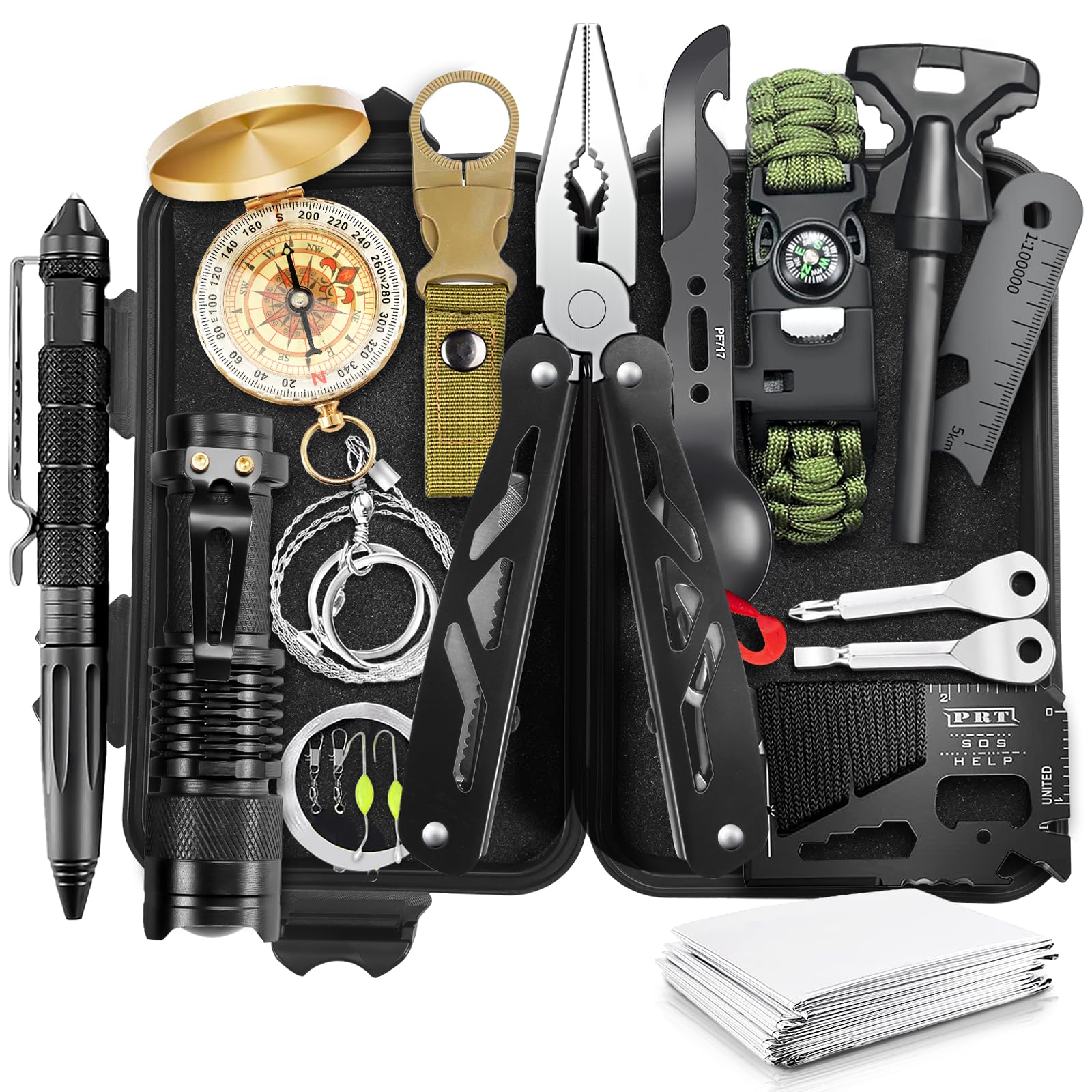
Credit: www.amazon.ca
Tools For Signaling And Rescue
Having the right tools for signaling and rescue can make all the difference when you find yourself in a survival situation. These tools help you grab attention quickly and increase the chances of being found. You want devices that are easy to use, reliable, and effective in various environments.
Signal Mirrors
Signal mirrors are lightweight and simple but extremely powerful. They reflect sunlight to create a bright flash that can be seen from miles away. I once used a signal mirror while hiking in a remote area, and within minutes, a rescue team spotted the flash and reached me.
Choose mirrors with a sighting hole or a built-in aiming system to improve accuracy. Keep the mirror easily accessible in your kit because quick use is critical when time is short.
Whistles
A whistle is a small but loud tool that can carry your voice over long distances. Unlike shouting, a whistle won’t tire your vocal cords, and the sharp sound cuts through natural noise like wind or water. Carry one on a lanyard or keyring so it’s always within reach.
Try learning international distress signals using whistles, such as three short blasts, to communicate your need for help clearly. Have you ever tested how far your whistle’s sound carries in different weather? That knowledge can help you decide when and where to use it.
Flares
Flares are visible both day and night and can instantly attract attention. They come in handheld or aerial types, with aerial flares reaching high into the sky for better visibility. In my experience, carrying a few flares made me feel more confident during a night trek through unfamiliar terrain.
Remember to store flares in a waterproof container and check expiration dates regularly. Using flares requires caution, so practice handling them safely before you actually need them.
Psychological Preparedness
Psychological preparedness is a vital part of any survival kit. It’s not just about having the right tools but also about having the right mindset. When you face a crisis, your mental state can either help you thrive or cause you to freeze. Building psychological strength is just as important as packing supplies.
Mental Resilience
Mental resilience means bouncing back from setbacks quickly. It’s about staying calm when things go wrong. You can train your brain by exposing yourself to small challenges regularly, like waking up earlier or learning a new skill. This prepares you to handle bigger emergencies without panic.
Think about a time when you stayed calm under pressure—what helped you stay steady? Recognizing your own strengths can reinforce resilience.
Stress Management Techniques
Stress can cloud your judgment and slow down your reactions. Simple techniques like deep breathing, mindfulness, or even counting backward can help clear your mind. Practice these regularly so they become second nature during tough moments.
Try this quick exercise: breathe in slowly for four counts, hold for four, and breathe out for six. Repeat three times. Notice how your body responds. Can you imagine staying this calm in a real survival situation?
Building Confidence
Confidence comes from knowing you’re prepared. The more you practice survival skills, the stronger your belief in your abilities grows. Start small—master a knot, learn to start a fire, or navigate without a GPS. Each success builds your confidence.
Ask yourself: How would your confidence change if you knew you could handle unexpected problems? Your psychological kit grows stronger with every skill you add.
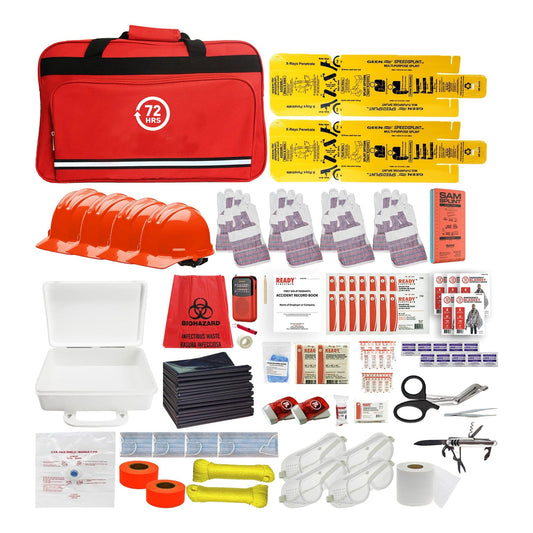
Credit: 72hours.ca
Frequently Asked Questions
What Essentials Should A Survival Kit Include?
A survival kit should include water, food, a first aid kit, a knife, fire starters, and a flashlight. These items help you stay safe, hydrated, and nourished in emergencies.
How Do I Choose The Best Survival Kit?
Select a kit based on your environment and needs. Look for durability, compactness, and essential tools that suit your survival scenarios.
Can I Customize My Survival Kit?
Yes, customize your kit to fit your specific needs. Add items like medications, multi-tools, or extra clothing based on your situation.
How Often Should I Check My Survival Kit?
Check your kit every six months to replace expired items. Ensure batteries, food, and medicines remain usable for emergencies.
Conclusion
A survival kit can make a big difference in emergencies. It helps you stay safe and calm. Choose items that fit your needs and environment. Regularly check and update your kit to keep it ready. Being prepared gives peace of mind and confidence.
Small steps today can protect you tomorrow. Stay ready, stay safe.