Moving day can feel overwhelming, but it doesn’t have to be a disaster. Imagine having everything you need right at your fingertips—no last-minute searches, no stress, just smooth sailing.
That’s exactly what a moving day survival kit does for you. It keeps you organized, calm, and ready for anything. You’ll discover the must-have items that will turn your moving day from chaos into a manageable, even enjoyable, experience. Keep reading to find out how to make your move easier than ever before.
Credit: www.etsy.com
Packing Essentials
Packing essentials are the backbone of a smooth moving day. Without the right supplies and a good system, you risk losing time and increasing stress. Think about what you really need within arm’s reach as you pack up your life and move it to a new place.
Must-have Supplies
Start by gathering sturdy boxes in various sizes—small for heavy items like books, large for lightweight things like bedding. Don’t forget packing tape that sticks well and a box cutter for quick openings. Bubble wrap and packing paper protect fragile items, but old newspapers work in a pinch.
Keep a permanent marker and scissors handy for labeling and cutting tape. You’ll thank yourself for having a roll of trash bags and zip ties to bundle smaller items. Add gloves to protect your hands and a dolly or hand truck to move heavy boxes without strain.
Organizing Boxes
Think about how you’ll group your belongings before filling boxes. Pack by room, so unpacking feels less overwhelming. Keep similar items together—kitchen gadgets in one box, office supplies in another.
Try to fill boxes to a manageable weight; overstuffing can make them hard to carry and more likely to break. Place heavier items at the bottom and lighter ones on top. Fill any empty spaces with soft materials to prevent shifting during transit.
Labeling Tips
Clear labeling saves time and frustration. Write the destination room and a brief content list on at least two sides of each box. Color coding labels with markers or stickers can speed up unloading—assign a color per room.
Don’t just rely on vague terms like “miscellaneous.” Instead, be specific: “bathroom towels,” “bedroom lamps,” or “books—fiction.” This way, you know exactly what’s inside without opening every box. What labels would make your unpacking easier?
Credit: www.etsy.com
Personal Comfort Items
Moving day can be hectic and tiring. Having personal comfort items ready helps ease stress. These items keep you comfortable and calm throughout the day. Pack a small bag with essentials that make you feel good. Focus on things that improve your well-being during the move.
Clothing And Toiletries
Wear soft, comfortable clothes that allow easy movement. Bring an extra set of clothes in case of spills or weather changes. Pack basic toiletries like toothbrush, toothpaste, deodorant, and face wipes. These help you freshen up quickly and feel clean. Don’t forget small items like hair ties or lotion to stay comfortable.
Snacks And Hydration
Keep energy levels high with healthy snacks. Choose easy-to-carry items such as nuts, granola bars, or fruit. Avoid heavy or messy foods that slow you down. Carry a refillable water bottle to stay hydrated. Drinking water supports focus and keeps fatigue away during long moving hours.
Entertainment And Relaxation
Bring small items to relax your mind during breaks. A book, music player, or podcast can provide a mental break. Use headphones to create a calm space anywhere. Simple breathing exercises or meditation apps also help reduce stress. These small distractions make the day feel less overwhelming.
Tools And Equipment
Having the right tools and equipment on moving day makes the process smoother and less stressful. Preparing a kit with essentials helps solve small problems fast. This kit keeps you ready for assembling, cleaning, and staying safe. Organize items by their use to find them quickly.
Basic Toolkit
- Hammer for nails and small repairs
- Screwdrivers (flathead and Phillips) for furniture
- Adjustable wrench to tighten bolts
- Pliers to grip and bend items
- Box cutter to open packages safely
- Measuring tape for checking spaces
- Utility knife for cutting packing tape
Cleaning Supplies
- All-purpose cleaner for surfaces
- Sponges and scrub brushes for tough spots
- Paper towels for quick drying
- Trash bags to collect debris
- Disinfectant wipes for hygiene
- Broom and dustpan for floors
- Gloves to protect your hands
Safety Gear
- Work gloves to prevent cuts and scrapes
- Protective eyewear to shield eyes
- Face masks to avoid dust inhalation
- Sturdy shoes to protect feet
- First aid kit for minor injuries
- Flashlight for dark areas
Day-of-move Strategies
Moving day can be overwhelming without a clear plan. Having a solid set of strategies helps you stay calm and efficient. Focusing on time management, coordinating helpers, and managing pets and kids can make your move smoother and less stressful.
Time Management
Start your day early to maximize daylight and energy. Break your tasks into small chunks and set realistic deadlines for each.
Keep a checklist visible to track progress. Avoid spending too much time on one task—ask yourself if it’s good enough to move on.
Remember, some delays are normal. How will you adjust if something takes longer than expected?
Coordinating Helpers
Assign specific roles to each helper before the move. Clear instructions prevent confusion and double work.
Communicate your plan clearly, so everyone knows what to do and when. Check in regularly to see if anyone needs support or breaks.
Consider creating a simple schedule or map to show where items go. This keeps helpers organized and your new place tidy from the start.
Handling Pets And Kids
Find a safe, quiet space for pets and children away from the chaos. This reduces stress for them and distractions for you.
Prepare familiar toys, snacks, or activities to keep them occupied. Have essentials like water, food, and medications handy.
Can you ask a friend or family member to watch them for a few hours? This frees you up to focus entirely on moving tasks.
After The Move
After the move, the real work begins. Settling into a new home takes careful planning. Focus on key tasks that make your space livable quickly. This helps reduce stress and brings comfort fast. A well-prepared moving day survival kit still plays a role. It contains essentials that make unpacking and settling smoother. Here are important steps to follow after the move.
Unpacking Priorities
Start by unpacking essential items first. These include:
- Bedding and pillows for rest
- Basic kitchen tools and utensils
- Clothing for the next few days
- Important documents and valuables
Unpack room by room to avoid chaos. Keep boxes labeled for easy sorting. Avoid rushing through everything at once. Take breaks and organize as you go.
Setting Up Utilities
Confirm all utilities work properly. Check electricity, water, and gas connections. Set up internet and cable services early. This ensures comfort and convenience. Have contact numbers handy for quick support. Keep receipts and account info accessible. Testing utilities avoids surprises and delays.
First-night Comfort
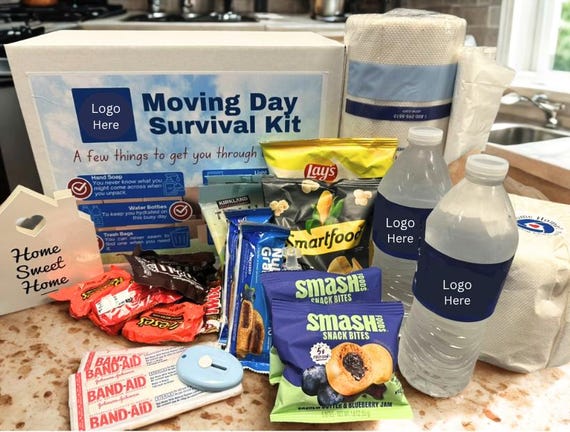
Prepare for a relaxing first night. Arrange a comfortable sleeping area quickly. Use cozy blankets and pillows from your survival kit. Keep toiletries and pajamas nearby. Have snacks and water ready. A calm environment helps ease moving fatigue.
Credit: www.etsy.com
Frequently Asked Questions
What Essentials Should Be In A Moving Day Survival Kit?
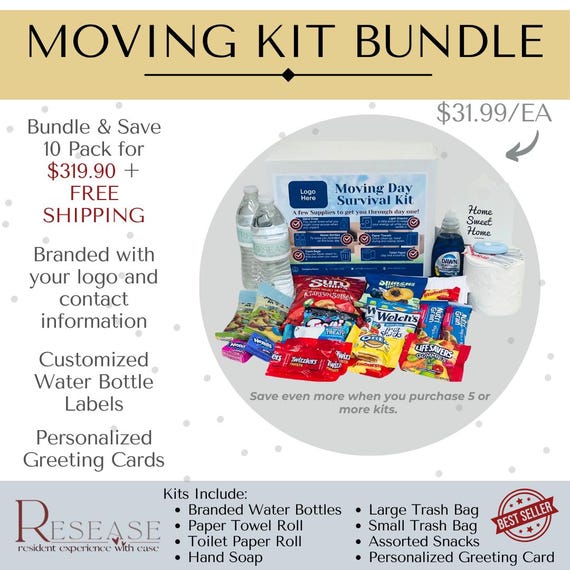
A moving day survival kit should include water, snacks, first aid, phone chargers, important documents, and basic tools. These items keep you hydrated, energized, and prepared for unexpected situations during your move.
How Can A Survival Kit Ease Moving Day Stress?
A survival kit provides quick access to necessities, reducing stress and saving time. It prevents last-minute searches and ensures comfort, making your moving day smoother and more organized.
What Snacks Are Best For A Moving Day Survival Kit?
Choose non-perishable, energy-boosting snacks like granola bars, nuts, dried fruits, and protein bars. These snacks are easy to carry and keep you fueled during a busy moving day.
Why Include Important Documents In A Moving Survival Kit?
Important documents like IDs, contracts, and moving checklists should be easily accessible. Keeping them in your kit prevents loss and helps with quick reference when needed.
Conclusion
A moving day survival kit makes the process smoother and less stressful. It keeps essential items close and easy to find. Staying organized helps save time and energy. Small comforts like snacks and water boost your mood. Remember to include tools for quick fixes.
Being prepared lets you focus on settling in. Moving can be hard, but a good kit helps. Take it one step at a time. Your new home awaits, ready for a fresh start.