Are you wondering if you’ll receive emergency food stamps this month? If money is tight and you’re unsure about your benefits, you’re not alone.
Many people are asking the same question right now. Knowing what to expect can ease your stress and help you plan your meals better. You’ll find clear answers about emergency food stamps, how to check if you qualify, and what steps to take next.
Keep reading to get the information you need to support yourself and your family during this time.

Credit: www.youtube.com
Current Status Of Emergency Food Stamps
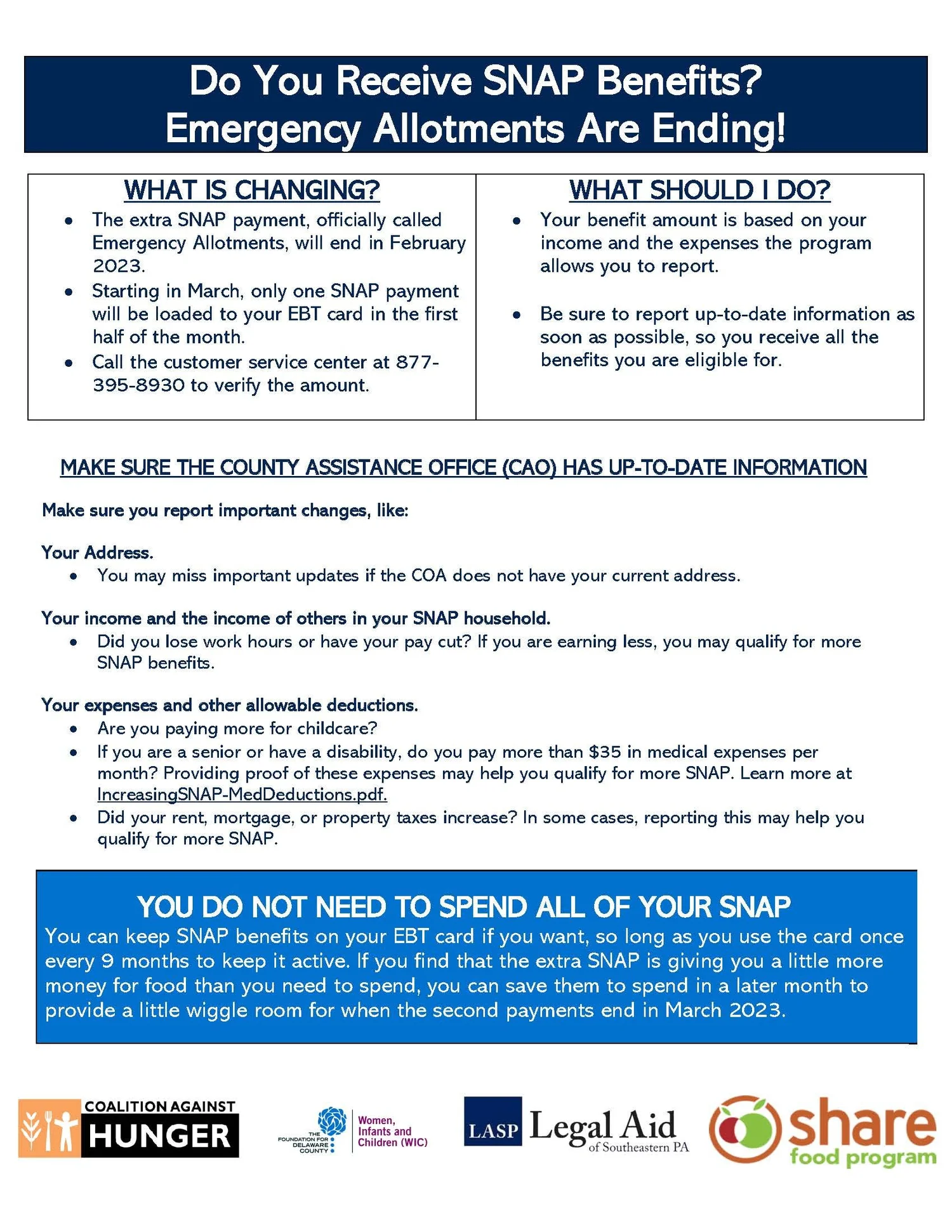
The current status of emergency food stamps has many people asking if new benefits will arrive this month. Emergency food stamps provide critical help during tough times. They support families facing unexpected hardships.
Understanding the latest updates helps you know what to expect. Programs and funding can change based on government decisions. Staying informed ensures you don’t miss important deadlines or opportunities.
Recent Announcements On Emergency Food Stamps
Government agencies have shared updates on emergency food stamp programs. Some states have extended benefits, while others have paused new aid. These changes depend on local needs and budgets.
Check official websites for the most accurate and current information. Updates may include:
- Eligibility changes
- Application deadlines
- Benefit amount adjustments
How Emergency Food Stamps Are Distributed
Emergency food stamps are usually added to your regular benefits. They come as extra funds to help cover food costs. Distribution depends on the state and your specific situation.
The process often involves:
- Automatic payments for current recipients
- New applications for those who qualify
- Verification of income and household size
Tips For Checking Your Emergency Food Stamp Status
Stay updated by regularly checking your benefits account online. Contact local food assistance offices for any questions. Keep all documents ready for verification.
Helpful actions include:
- Logging into your state’s benefits portal
- Calling your caseworker
- Reviewing mail or email notifications
Eligibility Criteria Changes
Eligibility rules for emergency food stamps have recently changed. These updates affect who can receive aid this month. The goal is to reach more people in need while ensuring fair distribution.
Understanding the new criteria helps applicants know if they qualify. The changes focus on income limits, household size, and special circumstances like job loss or medical expenses. This section explains the key points of the updated eligibility.
Income Limits Adjustments
The income thresholds have been raised for some households. This means more families might qualify for emergency food stamps now. The limits vary by state and household size.
- Single-person households have a slightly higher income limit.
- Larger families see a bigger increase in income allowance.
- Some states adjusted limits based on local cost of living.
Household Size Considerations
The number of people in a household affects eligibility. New rules clarify who counts as part of the household. This includes children, elderly relatives, and sometimes non-relatives living together.
- Extended family members may now be included.
- Shared living arrangements have clearer definitions.
- Temporary residents might be excluded from household size.
Special Circumstances And Exceptions
Applicants facing unique challenges may qualify under special rules. These include job loss, disability, or high medical costs. Emergency food stamps now consider these factors more openly.
- Unemployment due to COVID-19 or other reasons is recognized.
- Medical expenses that reduce income eligibility are counted.
- Families with disabled members may get extra consideration.
Application Process Updates
Updates on emergency food stamps show changes in eligibility and timing this month. Many states are adjusting the process to help more families quickly. Stay informed to know if you qualify for this support now.
Navigating the application process for emergency food stamps can feel overwhelming, especially with frequent updates. Knowing the latest changes can make a big difference in getting the help you need promptly. Here’s what you need to know to ensure your application is processed smoothly.Understanding The Latest Eligibility Criteria
Recent updates have introduced specific criteria that applicants must meet to qualify for emergency food stamps. Be sure to check the income limits and household requirements, as they can change based on economic conditions. Missing out on these details might delay your application, so it’s crucial to stay informed.Submitting Your Application Online
The convenience of online applications has been a game-changer for many. Ensure you have all necessary documents like proof of income and identification ready to upload. The online system typically provides instant confirmation, giving you peace of mind that your application is in the queue.What To Do If You Face Technical Issues
Technical glitches can happen, and they often seem to strike at the worst times. If you encounter problems while applying online, don’t panic. Reach out to customer support immediately or visit a local office for assistance. Your persistence can make a huge difference in overcoming these hurdles.Tracking Your Application Status
After submission, knowing where your application stands is crucial. Many states offer online tracking systems where you can monitor progress. Regularly checking your status helps you stay on top of any additional information requests, ensuring faster approval.Responding To Requests For Additional Information
Sometimes, the state may ask for more documents to verify your eligibility. Respond promptly to these requests to avoid delays in receiving benefits. Keep your documents organized and ready to send at a moment’s notice.Receiving Your Benefits
Once approved, benefits are usually loaded onto an EBT card, which functions like a debit card. Familiarize yourself with how to use it effectively at participating stores. This will help you maximize your benefits and make your shopping trips more efficient. In the ever-changing landscape of emergency food stamps, staying updated with the application process ensures you get the support you need without unnecessary stress. Have you recently applied or renewed your benefits? Share your experiences and tips in the comments below to help others navigate the process more smoothly.Distribution Timeline For This Month
Understanding the distribution timeline for emergency food stamps this month can help you plan better and avoid unnecessary stress. Knowing when and how these benefits will reach you ensures you can manage your household needs without last-minute surprises. Let’s break down what you can expect in the coming weeks.
When Will Emergency Food Stamps Be Distributed?
Emergency food stamps typically arrive on a set schedule, but exact dates can vary by state and local agencies. Most distributions happen within the first two weeks of the month, aiming to cover immediate food needs. Have you checked your state’s official website or your local assistance office recently? That’s often the quickest way to find your specific timeline.
How Are Distribution Dates Determined?
Distribution dates depend on factors like state budgets, federal approvals, and local demand. Some areas prioritize households with the greatest need, which can shift timing slightly. If you applied recently, your notification might include your exact deposit date—keep an eye on your messages.
What Should You Do While Waiting?
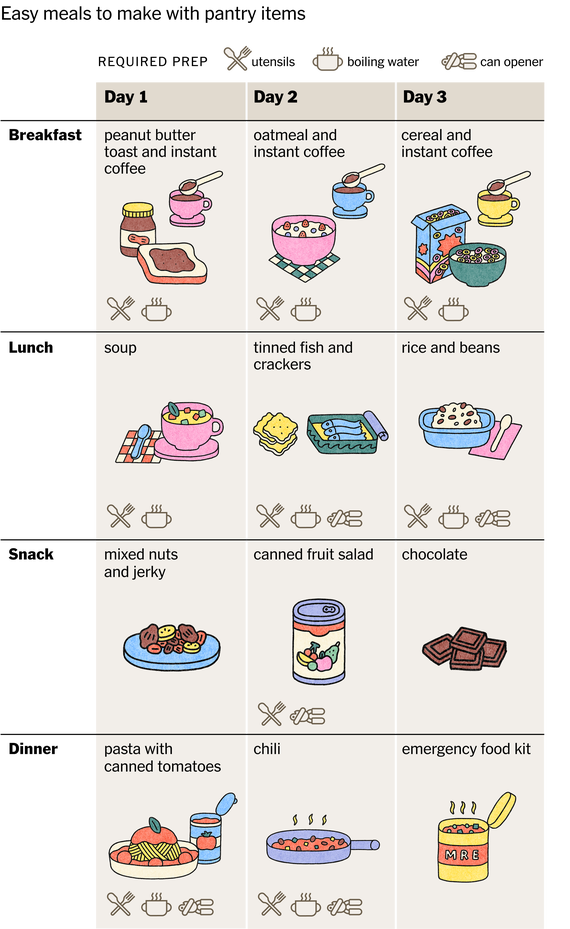
While waiting for emergency food stamps, review your current food supplies. Can you stretch what you have with simple meal planning? Consider local food banks and community programs as backup options—they often operate on flexible schedules and can help fill gaps.
Tips For Staying Updated
- Sign up for text or email alerts from your local assistance program.
- Follow official social media accounts for real-time updates.
- Keep your contact information current with your benefits office to avoid missed notifications.
Have you experienced delays or surprises with your food stamp timeline before? Sharing what worked for you could help others facing the same uncertainty.
State-specific Variations
Emergency food stamp benefits vary widely by state. Each state decides how to distribute extra aid. This leads to different rules and timelines.
Some states provide emergency food stamps quickly. Others have more steps and delays. Benefit amounts and eligibility can also change.
Knowing your state’s policies helps set expectations. It also shows how to apply or check status. Below are key factors that differ among states.
Application Process Differences
States have unique ways to apply for emergency food stamps. Some allow online applications. Others require phone calls or in-person visits.
Documentation needed can vary. Some states need proof of income or emergency. Others may ask for residency or household size.
Benefit Amount Variations
The amount of emergency food stamp benefits differs by state. It depends on available funding and cost of living.
Some states offer a flat rate to all recipients. Others calculate benefits based on income and family size.
Timing And Distribution
When states release emergency food stamps varies. Some provide aid within days of approval.
Others take weeks due to processing or verification steps. Timing can affect how quickly families get help.
States set their own eligibility rules for emergency food stamps. Some require recent job loss or income drop.
Others consider a broader range of hardships. Eligibility may also depend on prior benefit status.
Contact And Support Services
States offer different support for applicants. Some provide hotlines or online chat for questions.
Others rely on local offices or community groups. Knowing where to get help speeds up the process.

Credit: www.economist.com
Impact On Low-income Families
Emergency food stamps provide crucial support for low-income families. These families often face tough choices between paying bills and buying food. Extra food stamps help ease these daily struggles. They can reduce hunger and improve health for many children and adults. The impact goes beyond immediate needs, affecting overall family well-being.
Families depend on this assistance to stretch their budgets. Even a small increase in benefits can make a big difference. It allows families to buy more nutritious food. This support helps prevent food insecurity during tough financial times. Without it, many would skip meals or rely on less healthy options.
How Emergency Food Stamps Help Families Cope
Emergency food stamps provide quick financial relief. They reduce stress for parents trying to feed their children. The extra benefits help cover increased food prices. Families can focus more on work and school. This support lessens the risk of hunger and malnutrition.
Challenges Low-income Families Still Face
Even with emergency food stamps, some families struggle. Rising costs of living often outpace benefits. Limited access to healthy food can remain a problem. Transportation and time constraints also affect food choices. Emergency aid helps, but does not solve all problems.
Long-term Benefits Of Food Assistance
Consistent food support improves health outcomes over time. Children with better nutrition perform well in school. Adults gain more energy and focus for work. Reduced hunger lowers stress and health risks. Food stamps contribute to stronger, more stable families.
Future Outlook For Emergency Food Assistance
Looking ahead, the future of emergency food assistance remains uncertain but hopeful. Many families still rely on these programs to get through tough times, and changes in policy or funding can directly affect your access. Staying informed about upcoming decisions and programs can help you plan better and avoid surprises.
Government Plans And Policy Changes
Lawmakers are continuously debating how to address food insecurity. Some proposals aim to extend emergency benefits, while others suggest scaling them back as the economy improves. You might want to track local government announcements or visit official websites regularly to catch any updates that affect your benefits.
Community Support And Local Initiatives
Beyond federal aid, many communities are stepping up with their own food assistance programs. Local food banks and charities often fill gaps when emergency food stamps fall short. Have you checked if your area offers additional help? Connecting with these groups can provide extra resources and support.
How To Prepare For Changes
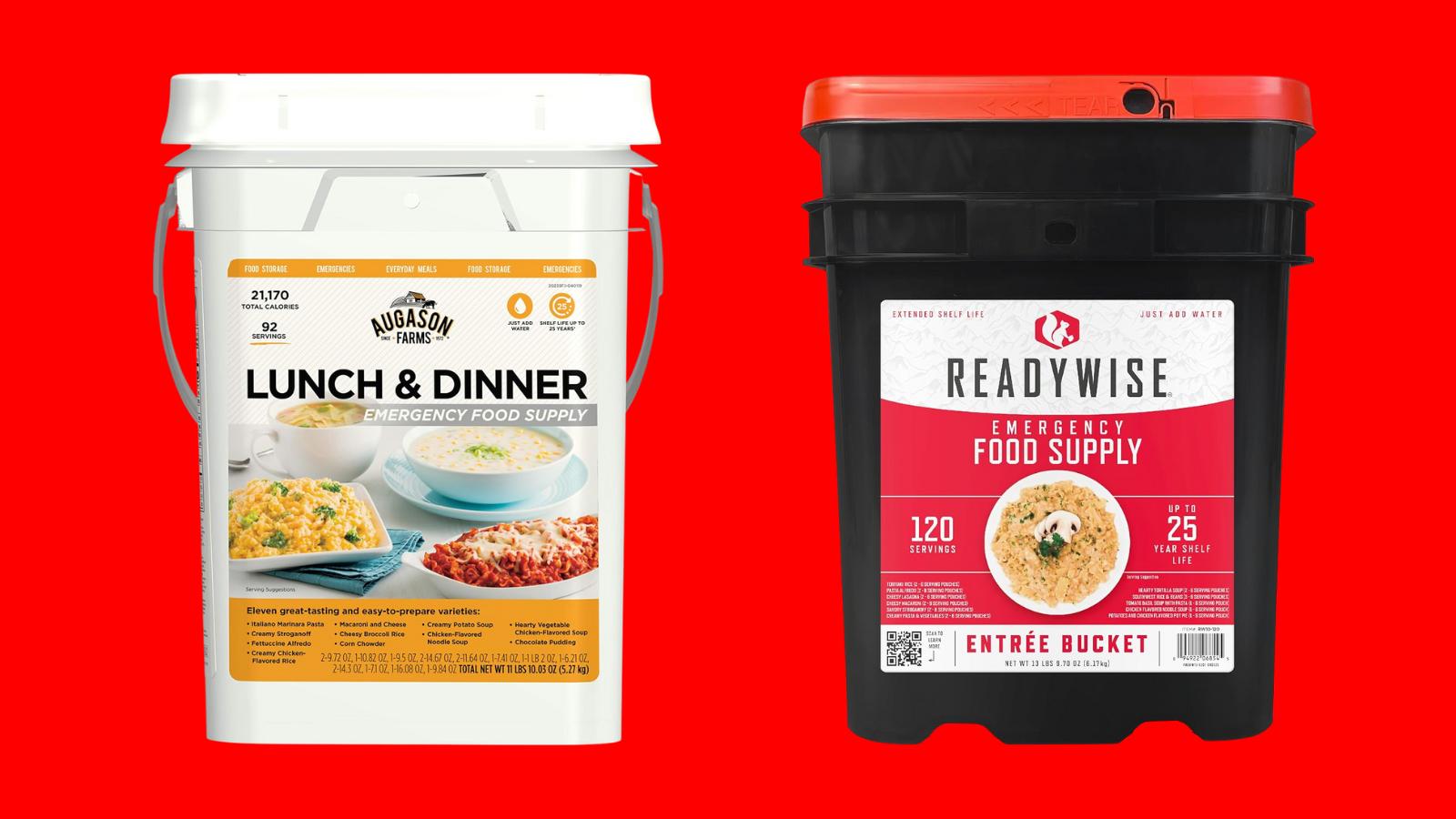
Changes in emergency food assistance can happen quickly. Keep your documentation updated and maintain regular communication with your caseworker if you have one. Building a simple food budget and stocking up on non-perishable items when possible can give you a buffer during uncertain times.

Credit: springwell.com
Frequently Asked Questions
Are Emergency Food Stamps Available This Month?
Yes, emergency food stamps are available this month in many states. Availability depends on local government decisions and funding.
How Can I Apply For Emergency Food Stamps Now?
You can apply online, by phone, or at your local SNAP office. Check your state’s official website for specific instructions.
Who Qualifies For Emergency Food Stamps This Month?
Low-income families, unemployed individuals, and those facing financial hardship often qualify. Eligibility varies by state and recent income changes.
When Will Emergency Food Stamps Be Distributed This Month?
Distribution dates vary by state but usually occur within the first two weeks of the month. Check your state SNAP schedule.
Conclusion
Emergency food stamps can help many families this month. Stay updated with local news and official websites. Changes in benefits happen often, so check regularly. Apply early to avoid missing deadlines. Help is available for those who need it most.
Keep documents ready to speed up the process. Remember, support programs aim to ease hard times. Stay informed, stay prepared, and take action when needed. Everyone deserves access to food and support.