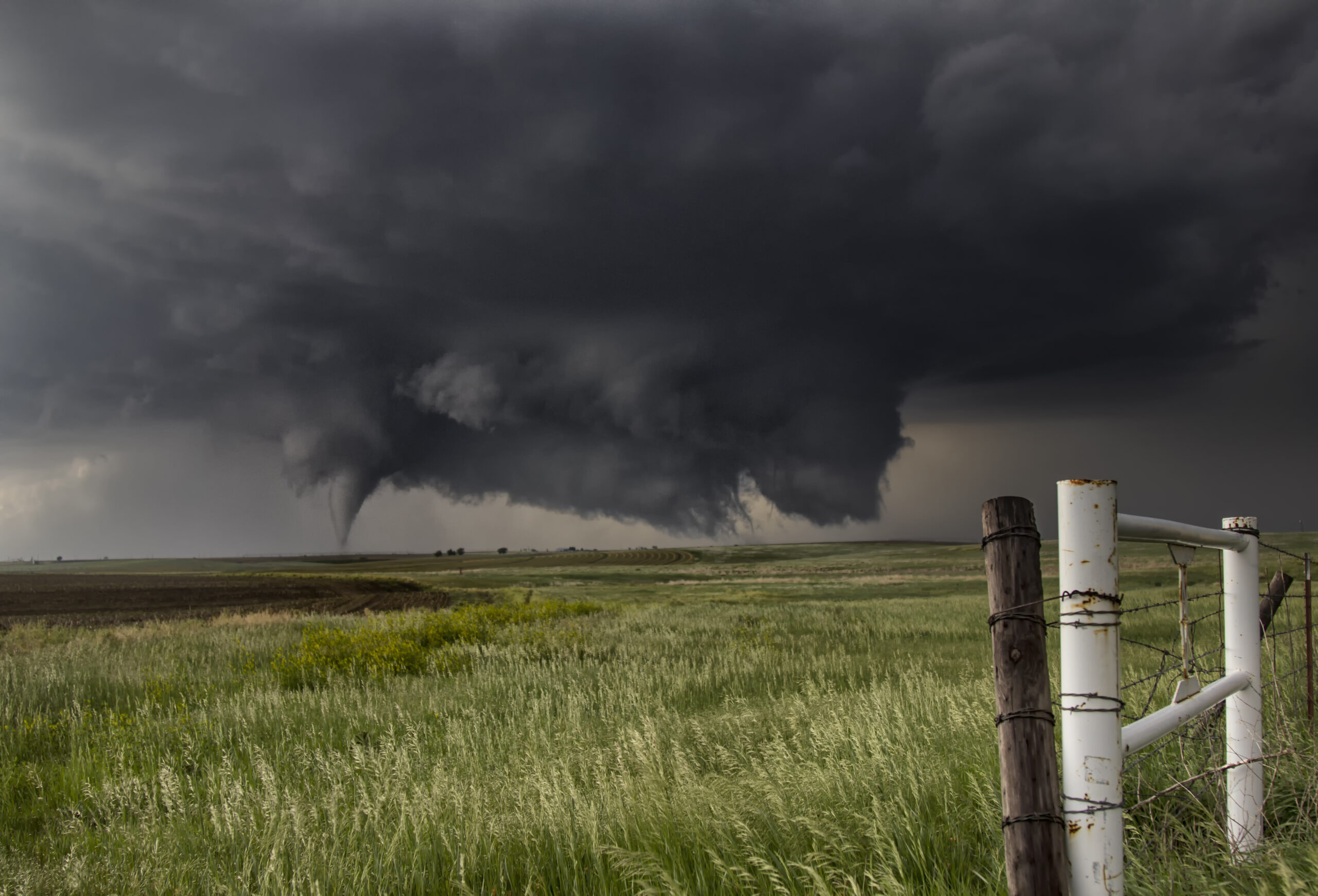
When a tornado warning sounds, your first thought is safety. You want to know if your tornado shelter can truly protect you when the worst strikes.
But what about an EF5 tornado—the most powerful kind? Can your shelter survive winds over 200 miles per hour? This question matters because your life and your family’s safety depend on it. You’ll discover what makes a tornado shelter strong enough to withstand an EF5, what features to look for, and how to make sure you’re ready when nature unleashes its fury.
Keep reading—your peace of mind could depend on what you learn next.

Credit: www.reddit.com
Tornado Intensity And Ef5 Scale
Tornado intensity measures how strong and destructive a tornado can be. The EF5 scale is the highest rating on the Enhanced Fujita Scale. It shows the most powerful tornadoes with extreme wind speeds and damage. Understanding this scale helps explain the challenge tornado shelters face during an EF5 event.
Ef5 Tornado Characteristics
- Wind speeds exceed 200 miles per hour.
- Winds can reach up to 300 miles per hour.
- Lasts from several minutes to over an hour.
- Can be over one mile wide.
- Moves at speeds between 30 and 70 miles per hour.
Damage Potential Of Ef5 Tornadoes
- Destroy entire neighborhoods and buildings.
- Lift heavy vehicles and toss them far.
- Remove roofs and walls from well-built homes.
- Uproot large trees and scatter debris widely.
- Cause complete devastation to the affected areas.

Credit: www.youtube.com
Design Features Of Tornado Shelters
Tornado shelters must have strong design features to protect lives during an EF5 tornado. These shelters are built to withstand extreme winds, flying debris, and powerful impacts. Every part of the shelter’s design focuses on safety and durability. Understanding these features helps to see how shelters can survive the strongest tornadoes.
Materials Used For Maximum Strength
High-strength materials make tornado shelters reliable. Thick steel walls and reinforced concrete are common choices. Steel provides flexibility and strength to absorb impacts. Concrete adds heavy protection against debris and pressure. These materials resist bending, breaking, and puncturing during a storm.
Many shelters use composite materials for extra toughness. They combine strength with lightweight properties. Rust-resistant coatings protect metal parts from weather damage. Every material choice aims to keep the shelter intact under severe forces.
Structural Engineering Standards
Designs follow strict engineering standards to guarantee safety. Shelters meet guidelines set by organizations like FEMA and ICC. These standards include:
- Wind resistance up to 250 mph or more
- Impact resistance from 15-pound debris at high speeds
- Proper anchoring to prevent uplift or movement
- Load-bearing walls and secure doors
Engineers calculate forces from tornado winds and debris. They ensure the shelter’s frame and foundation stay stable. This planning prevents collapse or leaks during an EF5 event.
Ventilation And Safety Systems
Good airflow is essential inside a sealed shelter. Ventilation systems provide fresh air without letting debris inside. Many shelters use filtered vents or air exchange systems. This prevents suffocation and keeps occupants comfortable.
Safety systems include emergency lighting, communication tools, and first aid kits. Fire-resistant materials reduce risk of smoke damage. Shelters often have backup power for air and light. These features support survival during long storms.
Shelter Placement And Installation
Tornado shelters must be firmly placed and installed to withstand extreme forces. Proper anchoring and strong materials help shelters survive an EF5 tornado’s intense winds. Safety depends on secure placement and expert installation.
When considering the safety of your family during a tornado, the placement and installation of your shelter are crucial decisions. Choosing the right spot can make a significant difference in the effectiveness of your tornado shelter, especially when faced with the devastating force of an EF5 tornado. Understanding the pros and cons of various shelter types and location factors can help you make the best choice for your circumstances.Above Ground Vs. Underground Shelters
Above ground shelters are often more accessible and can be installed inside your home or garage. This means quick and easy access during a storm. Many modern above-ground shelters are built with reinforced steel and can withstand high winds and debris. On the other hand, underground shelters provide a sense of security by being below the surface, potentially offering more protection from flying debris. However, they may pose challenges with water drainage and require more effort to access. Consider your family’s needs and any mobility issues when deciding between these options. Which would provide the quickest access during an emergency?Site Preparation And Location Factors
The location of your shelter plays a key role in its effectiveness. Installing it close to your living area ensures you can reach it swiftly during an emergency. Evaluate the soil conditions and drainage capabilities of your intended site. Poor drainage can lead to flooding in underground shelters, while unstable soil can affect the foundation of above-ground options. It’s also important to factor in local building codes and regulations, as they can impact your installation process. Proper site preparation can mean the difference between safety and vulnerability during a tornado. Are you ready to ensure your shelter is in the optimal location?Testing And Certification Of Shelters
Testing and certification play a key role in ensuring tornado shelters can withstand extreme storms. These processes verify the shelter’s strength and durability. Only through rigorous testing can shelters claim to protect against the strongest tornadoes, including EF5 tornadoes. Certification confirms that a shelter meets strict safety standards. This builds trust for homeowners who depend on these shelters during emergencies.
Industry Standards And Ratings
Several organizations set standards for tornado shelters. The most recognized standard in the United States is the FEMA 320 and FEMA 361 guidelines. These standards focus on shelter design, materials, and construction methods. They ensure shelters resist high winds and flying debris.
The International Code Council (ICC) also provides the ICC-500 standard. It covers the requirements for safe storm shelters. Shelters are rated based on their ability to withstand wind speeds and impact forces. Higher ratings mean better protection against stronger tornadoes.
Third-party Testing Procedures
Independent labs conduct third-party testing to verify shelter safety. They use simulated tornado forces to test shelter strength. These tests include impact resistance from debris like wood and metal. Pressure tests check if the shelter can handle sudden wind gusts.
Testing also examines the durability of doors, walls, and ventilation systems. Only shelters that pass all tests receive certification labels. This process reduces risks and ensures shelters perform in real tornado events.
Real-life Survival Stories
Real-life survival stories offer powerful insights into the true capabilities of tornado shelters during an EF5 tornado. These accounts reveal how well-designed shelters can protect lives even under the most extreme conditions. You’ll find that beyond construction standards, factors like location, preparedness, and shelter maintenance also play crucial roles.
Case Studies Of Ef5 Shelter Survivors
In Moore, Oklahoma, 2013, an EF5 tornado devastated neighborhoods, yet many families survived thanks to their underground shelters. One family described the shelter shaking violently, debris pounding the walls, yet the structure held firm. Their experience shows that a properly built shelter can withstand winds over 200 mph and flying debris impact.
Another survivor from Joplin, Missouri, in 2011 shared how their shelter’s reinforced steel door prevented deadly debris from breaching inside. They emphasized the importance of secure entry points as weak doors can be the shelter’s downfall. Would your shelter’s door stand up to such force?
- Multiple survivors highlighted the value of emergency kits inside shelters, ensuring basic needs during extended entrapment.
- Some shelters had ventilation systems that continued working despite power loss, which helped occupants stay calm and safe.
Lessons Learned From Past Tornado Events
Past EF5 tornado events teach us that not all shelters perform equally. The difference often lies in adherence to strict building codes and the quality of materials used. Have you checked if your shelter meets the latest safety standards?
Maintenance is another critical factor. Some shelters survived because they were regularly inspected for cracks or rust, preventing structural failures. Neglecting upkeep can turn a potentially life-saving shelter into a hazard.
Lastly, survivors stress the importance of quick access to the shelter. Time lost in reaching safety can be fatal, especially during rapid tornado development. Are you confident that your shelter is easily accessible when seconds matter?
Limitations And Risks
Tornado shelters provide critical protection during severe storms, but it’s important to understand their limitations and risks, especially against the most powerful EF5 tornadoes. These shelters are engineered to withstand extreme forces, yet no design offers absolute safety against every possible scenario. Knowing where a shelter might fail helps you prepare better and make informed decisions about your safety.
Potential Shelter Failures
Even the strongest tornado shelters can face challenges during an EF5 event. High-speed winds can exceed 200 mph, creating extreme pressure and flying debris that may damage or penetrate shelter walls.
Common failure points include:
- Door and hinge weaknesses:Doors not built to withstand intense pressure can blow open or jam, trapping occupants or exposing them to danger.
- Structural breaches:Concrete or steel walls may crack or be punctured by large debris like trees or vehicles.
- Improper installation:Shelters not anchored securely to the foundation risk shifting or collapsing under stress.
Have you checked if your shelter meets the latest building codes and standards? Even small gaps or loose fittings can become serious hazards.
Precautions To Minimize Risk
You can take several practical steps to reduce the risks associated with tornado shelters during an EF5 storm. Start by ensuring your shelter is professionally installed and certified by recognized safety organizations.
- Regular maintenance:Inspect seals, hinges, and anchors to fix wear and tear before storm season.
- Reinforced doors and walls:Opt for shelters with tested steel doors and reinforced concrete walls designed to resist extreme impacts.
- Emergency supplies:Keep essentials like water, flashlights, and a first aid kit inside your shelter to stay safe if you’re trapped for hours.
Think about how you would react if debris blocked your shelter’s exit. Do you have a plan for communication or signaling for help? Taking these precautions seriously can make a life-saving difference when every second counts.
Maintenance And Preparedness Tips
Proper maintenance and preparedness ensure a tornado shelter stands strong against an EF5 tornado. Regular care keeps the shelter safe and ready at all times. Preparedness means having everything needed inside, so no panic strikes during emergencies. Both practices improve survival chances and peace of mind.
Regular Inspection Guidelines
Inspect the shelter at least twice a year. Look for cracks, rust, or water leaks. Check door seals and locks to confirm they work smoothly. Test ventilation systems to maintain fresh air inside. Clear debris around the shelter to avoid damage. Keep a maintenance log for tracking repairs and inspections.
Emergency Supplies And Readiness
Store essentials that last for days. Include water, non-perishable food, and a first aid kit. Add flashlights with extra batteries and a battery-powered radio. Keep blankets, sturdy gloves, and helmets for protection. Prepare a list of emergency contacts and important documents. Rotate supplies regularly to prevent expiration and spoilage.
Choosing The Right Shelter
Choosing the right tornado shelter is a critical decision for your safety. The shelter must withstand extreme forces, especially from an EF5 tornado. These tornadoes produce winds over 200 miles per hour. Not all shelters offer the same level of protection. Understanding the key factors helps you select the best option for your needs.
Cost Vs. Safety Considerations
Price often influences shelter choices. Lower-cost shelters may not resist EF5 tornado winds. High-quality shelters use reinforced steel and concrete. These materials increase the shelter’s ability to survive strong storms.
Think about long-term safety, not just initial cost. A more expensive shelter might save lives. Evaluate:
- Material strength
- Construction quality
- Certification for tornado resistance
- Installation method
Ignoring safety for a cheaper price can be dangerous. Invest in a shelter that meets or exceeds safety standards.
Customization Options For Enhanced Protection
Customization improves your shelter’s safety and comfort. You can add features based on your needs and risks. Options include:
- Extra wall reinforcements
- Thicker doors with secure locks
- Ventilation systems to maintain airflow
- Emergency communication devices
- Storage space for supplies
Custom shelters can fit various spaces, like basements or backyards. Proper design ensures maximum protection during an EF5 tornado.
Credit: prostormshelters.com
Frequently Asked Questions
Can A Tornado Shelter Withstand An Ef5 Tornado?
Yes, a well-built tornado shelter can survive an EF5 tornado. It must meet FEMA and ICC-500 standards, using reinforced concrete or steel. Proper anchoring and design help it resist extreme winds and flying debris, ensuring occupant safety during the tornado.
What Materials Are Best For Ef5 Tornado Shelters?
Steel and reinforced concrete are the best materials for EF5 tornado shelters. These materials provide strength and durability to resist extreme winds and debris impact. Using high-quality materials ensures maximum protection and structural integrity during an EF5 tornado.
How Deep Should A Tornado Shelter Be For Ef5 Safety?
A tornado shelter should be partially or fully underground to enhance protection. Typically, it is buried at least 4 feet deep. This depth helps shield occupants from flying debris and reduces wind pressure effects during an EF5 tornado.
Are Above-ground Shelters Safe In Ef5 Tornadoes?
Above-ground shelters can be safe if built to strict standards. They need heavy reinforcement and impact-resistant doors. However, underground shelters generally offer better protection from EF5 tornado winds and debris, making them the preferred choice for maximum safety.
Conclusion
A tornado shelter can offer strong protection during an EF5 tornado. These shelters are built with tough materials to resist extreme wind and flying debris. Choosing a shelter that meets safety standards is very important. Proper installation also helps the shelter perform well in storms.
While no shelter can guarantee complete safety, a well-made one greatly improves your chances. Staying informed and prepared can save lives. Safety starts with good choices and quick action.