When an emergency strikes, having the right food on hand can make all the difference for you and your loved ones. But what should you stock up on to stay safe, healthy, and comfortable?
You want foods that last long, provide good nutrition, and are easy to prepare when time is tight. You’ll discover exactly which foods meet these needs and how to build a smart emergency pantry. Keep reading to make sure your food supply is ready for whatever comes your way.

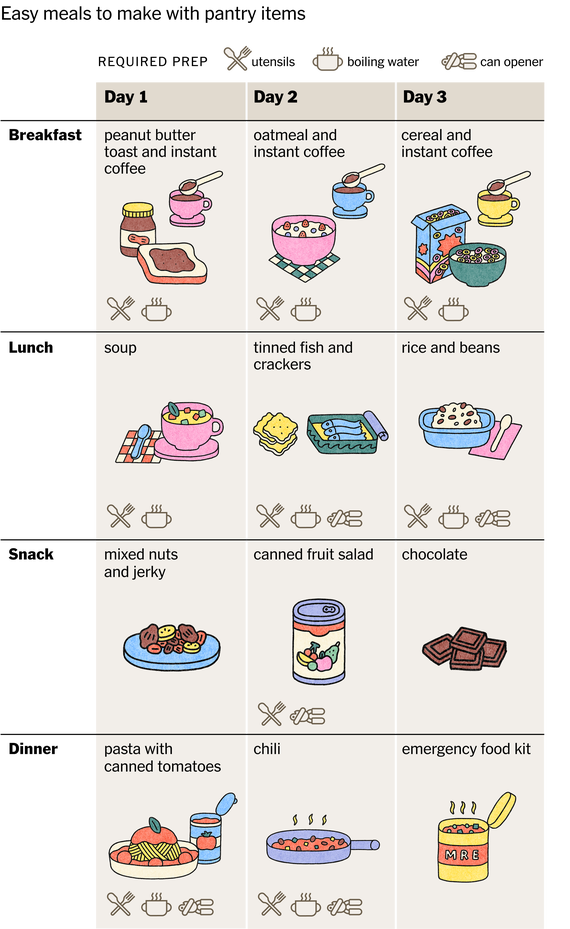
Credit: trueprepper.com
Long-lasting Grains
Long-lasting grains are a cornerstone for any emergency food supply. They store well and provide essential energy to keep you going when fresh food isn’t available. Knowing which grains to stock can make a huge difference in your preparedness.
Rice Varieties
Rice is a versatile grain that lasts for years if stored properly in a cool, dry place. White rice, in particular, has a shelf life of up to 30 years, making it an excellent emergency staple. Brown rice, while healthier, contains oils that reduce its shelf life, so it’s better to consume sooner.
Consider stocking different types like jasmine or basmati for variety. They cook quickly and can be paired with many ingredients to create filling meals. Have you tried cooking rice with canned beans and spices for a simple, nutritious dish during an outage?
Quinoa And Couscous
Quinoa and couscous are fantastic grains that you might not think of first but are great to have on hand. Quinoa offers a complete protein, which is rare in plant-based foods, making it ideal for balanced nutrition. It also cooks faster than many grains, which can save precious fuel or electricity.
Couscous is another quick-cooking grain that stores well and adds a nice texture to meals. Both grains absorb flavors easily, so you can mix in whatever canned or dried vegetables you have. Have you experimented with quinoa salads or couscous stews to keep your emergency meals exciting?
Oats And Barley
Oats and barley are hearty grains that last long and provide comforting meals. Oats are perfect for breakfast and can be cooked in water or milk substitutes for a warm, filling start to your day. They also work well in baking, giving you more meal options.
Barley adds a chewy texture and is great for soups or stews, especially when fresh vegetables are scarce. Storing these grains in airtight containers will keep pests and moisture out. How would you use oats or barley to add variety to your emergency menu?
Canned And Jarred Goods
Canned and jarred goods are a cornerstone of any emergency food supply. They last a long time, require no refrigeration, and often come ready to eat or easy to prepare. You want items that provide nutrition, variety, and ease of use when fresh options aren’t available.
Vegetables And Fruits
Canned vegetables and fruits offer a quick way to add vitamins and minerals to your emergency meals. Look for low-sodium options for vegetables to keep your salt intake in check. Fruits packed in water or their own juice are better than those in syrup to avoid extra sugar.
Think about the colors and types you enjoy—green beans, corn, peaches, or pineapple can brighten up a meal. Do you know how much better a simple dish tastes with a splash of canned tomatoes or a handful of canned peaches on the side?
Beans And Legumes
Beans and legumes are protein powerhouses and are incredibly versatile. Black beans, chickpeas, lentils, and kidney beans all store well canned and can be tossed into soups, salads, or stews. Their fiber content also helps keep you feeling full longer.
Keep a variety on hand so you can switch up your meals and avoid boredom. Have you tried adding canned chickpeas to a quick curry or canned lentils to a pasta sauce? These little additions can make a big difference when fresh ingredients aren’t available.
Meats And Fish
Canned meats and fish provide essential protein and omega-3 fatty acids that you might miss during a food shortage. Tuna, salmon, chicken, and even corned beef are common options that require no cooking or refrigeration.
They can be eaten straight from the can or mixed into dishes like casseroles or salads. Have you noticed how a can of salmon can transform a basic salad into a satisfying meal? Keeping a variety of canned proteins ensures you have options for every meal.
Shelf-stable Proteins
Shelf-stable proteins like canned beans, tuna, and peanut butter are excellent for emergencies. They offer nutrition and last long without refrigeration. Stocking these items ensures you have essential nutrients when fresh options are unavailable.
Having a well-stocked emergency pantry can bring peace of mind. Shelf-stable proteins are crucial, ensuring you get the essential nutrients even when fresh supplies are low. These proteins are not just practical; they can be surprisingly tasty and versatile.Nut Butters
Nut butters are a fantastic source of protein and healthy fats. They’re easy to store and have a long shelf life. Whether you prefer peanut, almond, or even sunflower seed butter, they can transform a simple cracker or slice of bread into a satisfying meal. Plus, nut butters are a hit with kids, making them a great option for families. Consider adding a variety of nut butters to your pantry to keep things interesting. You never know when a spoonful straight from the jar might be the comfort you need.Powdered Eggs
Powdered eggs might not be your go-to breakfast choice, but they’re a lifesaver in emergencies. They’re lightweight, easy to store, and can last for years. When reconstituted, they can be used in baking, cooking, or even scrambled for a quick meal. Imagine being able to whip up pancakes or muffins without a trip to the store. Having powdered eggs on hand ensures you won’t miss out on essential protein and can maintain some normalcy in meals during a crisis.Protein Bars And Powders
Protein bars and powders are not just for fitness enthusiasts. They are compact, convenient, and packed with nutrients. These can be your grab-and-go solution when you need a quick energy boost. Selecting a variety of flavors can prevent taste fatigue, a common issue in long-term emergencies. Have you ever tried mixing protein powder into oatmeal or smoothies? It’s a simple way to enhance your meals while ensuring you stay fueled and full. Stocking your pantry with these shelf-stable proteins prepares you for the unexpected, providing nourishment and comfort. What protein-rich staples do you have in your emergency kit?
Credit: trueprepper.com
Dehydrated And Freeze-dried Foods
Dehydrated and freeze-dried foods are a smart choice for emergency food supplies. They last for years without refrigeration and keep most of their nutrients. These foods are lightweight and easy to store, making them perfect for any emergency kit.
Fruits And Vegetables
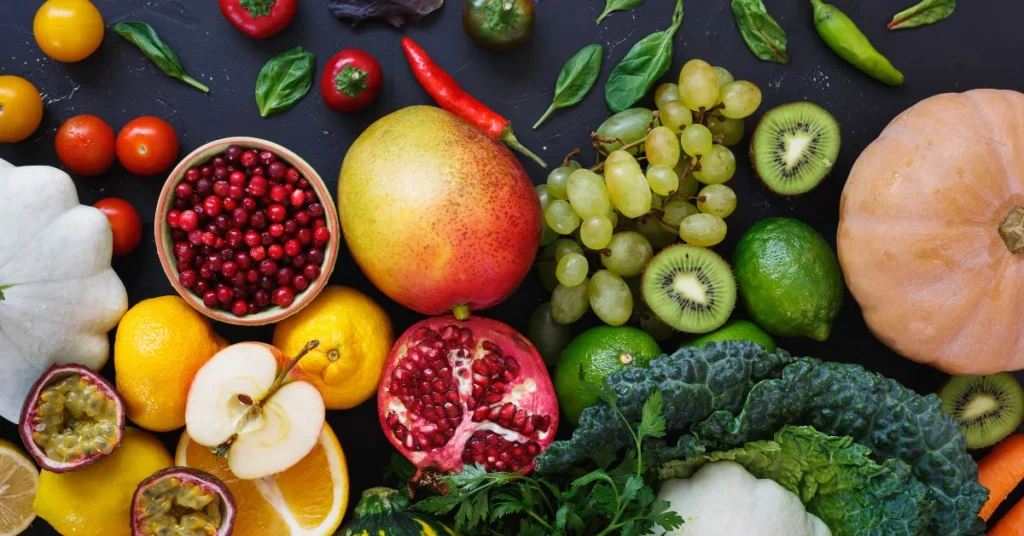
Having a good mix of dehydrated and freeze-dried fruits and vegetables ensures you get essential vitamins when fresh options aren’t available. Freeze-dried berries, apples, and bananas make great snacks or additions to oatmeal and yogurt. Dehydrated vegetables like carrots, peas, and bell peppers can be easily rehydrated for soups or casseroles.
Think about your favorite meals—how often do they include fresh veggies? Stocking these dried options means you won’t miss out on vital nutrients or flavor during tough times.
Ready-to-eat Meals
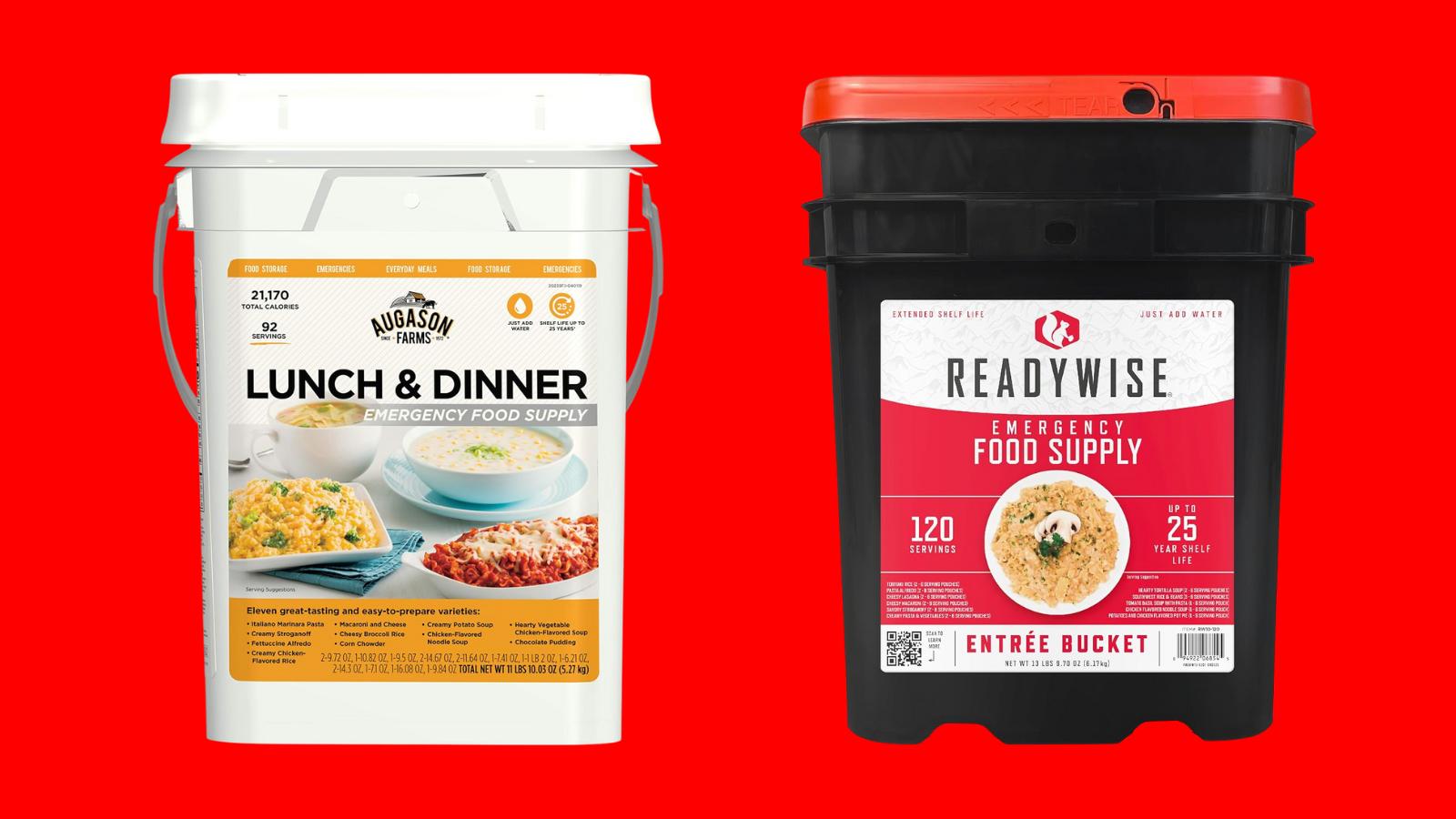
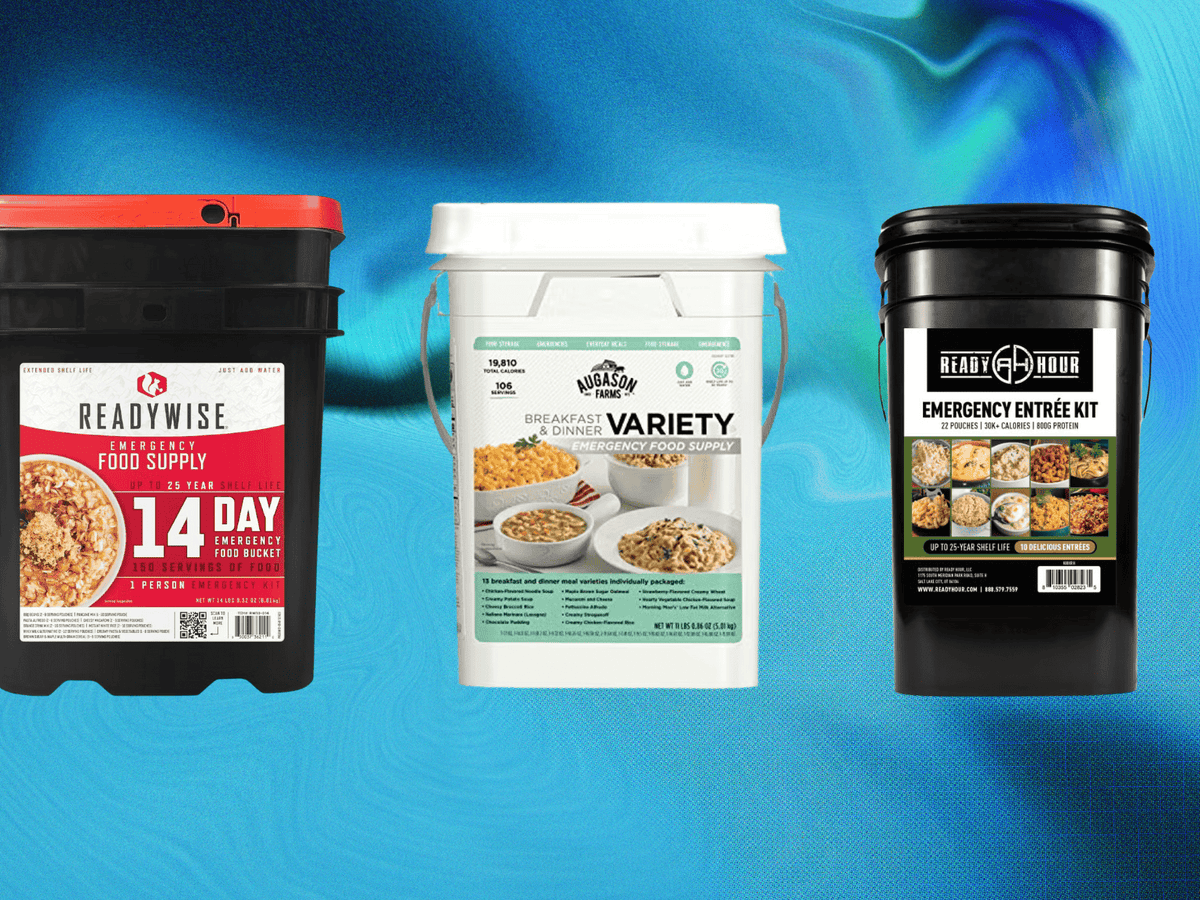
Freeze-dried ready-to-eat meals save time and effort when cooking isn’t an option. These meals often just need hot water, making them ideal for power outages or when resources are limited. Options range from pasta dishes to rice bowls, so you can keep variety in your emergency menu.
Have you ever tried a freeze-dried meal on a camping trip? Many people find these meals surprisingly tasty and filling, proving they’re more than just survival food.
Soups And Broths
Soups and broths in dehydrated or freeze-dried form are excellent for quick, comforting meals. They provide hydration and electrolytes, which are important if you’re under stress or illness. You can find chicken broth, vegetable broth, and even miso soup that rehydrate quickly and keep well.
Imagine a warm bowl of broth after a long day without power—wouldn’t that be a simple way to lift your spirits and keep you nourished?
Baking Essentials
Baking essentials are a crucial part of your emergency food stockpile. They allow you to create a variety of meals and treats that bring comfort during uncertain times. Having the right ingredients means you can bake fresh bread, pastries, or even simple pancakes when fresh supplies run low.
Flour And Yeast
Flour is the backbone of many baked goods, and it’s important to keep a good supply of all-purpose or bread flour. Store it in airtight containers to protect it from moisture and pests. Yeast is equally vital if you want to make fresh bread or rolls; active dry yeast lasts a long time when kept cool and dry.
Have you tried baking your own bread during a power outage or supply shortage? It’s surprisingly rewarding and can boost your morale. Plus, homemade bread tastes better than anything store-bought.
Sugar And Sweeteners
Sugar isn’t just for sweetness; it helps with browning and texture in baked goods. Stock granulated sugar, brown sugar, and powdered sugar to cover various recipes. Honey and maple syrup are great natural sweeteners with long shelf lives and can add unique flavors.
Think about how a simple sweet treat can lift your spirits during a stressful time. Wouldn’t it be nice to whip up cookies or muffins with what you already have on hand?
Salt And Baking Powder
Salt enhances flavor and balances sweetness in baked items, so don’t overlook it in your emergency stash. Baking powder is a key leavening agent that helps dough rise without yeast, giving you more recipe options. Make sure to store baking powder in a cool, dry place to keep it effective.
Ever wondered how baking powder and yeast differ in their effects? Having both in your pantry means you can adapt recipes depending on what’s available or what you prefer to bake.

Credit: www.youtube.com
Beverages And Hydration
Staying hydrated is crucial during emergencies. Water is the top choice, but having other beverage options helps maintain energy and comfort. Stocking up on drinks that last long and provide nutrients is smart. These choices support hydration and morale in tough times.
Powdered Milk And Milk Alternatives
Powdered milk is easy to store and has a long shelf life. It provides calcium and protein without refrigeration. Milk alternatives like powdered soy or almond milk offer options for those who avoid dairy. These powders mix with water quickly for a nutritious drink anytime.
Instant Coffee And Tea
Instant coffee is a quick energy booster and morale lifter. It stores well and requires only hot water to prepare. Tea bags are lightweight and come in many flavors. Both drinks can help keep spirits up during stressful situations.
Electrolyte Mixes
Electrolyte mixes replace essential minerals lost through sweat or illness. They help maintain hydration and energy levels. Powdered electrolyte packets are compact and last long. Mixing them with water creates a refreshing drink that supports body balance.
Healthy Fats And Oils
Healthy fats and oils are essential to keep in your emergency food stash. They provide concentrated energy and help your body absorb important vitamins. Plus, they add flavor and satisfaction to meals when options are limited.
Olive And Coconut Oils
Olive oil offers heart-healthy monounsaturated fats and a rich taste for cooking or dressing salads. It also has a decent shelf life when stored in a cool, dark place. Coconut oil stands out for its stability at high temperatures and longer shelf life due to its saturated fat content.
Both oils bring unique benefits and can keep your meals enjoyable during tough times. Have you considered which oil you use most and why? That choice might guide what to stock up on.
Shelf-stable Butter Alternatives
Butter can spoil quickly, but shelf-stable alternatives like ghee or clarified butter last much longer without refrigeration. Ghee has a nutty flavor and high smoke point, making it versatile for cooking and baking.
These alternatives supply healthy fats and maintain taste when fresh dairy isn’t available. Do you have a favorite butter substitute that makes emergency meals feel less basic?
Nuts And Seeds
Nuts and seeds are compact sources of healthy fats, protein, and fiber. Almonds, walnuts, chia seeds, and flaxseeds can be stored for months and eaten raw or added to dishes.
They make excellent snacks or toppings and help keep hunger at bay. Could keeping a variety of nuts and seeds transform your emergency diet from bland to balanced?
Essential Spices And Condiments
Essential spices and condiments bring flavor and variety to emergency meals. They help transform simple ingredients into tasty dishes. Stocking these items ensures meals stay enjoyable during tough times. Small jars and packets last long and take little space. Choose versatile options that suit many recipes.
Herbs And Spices
- Salt and black pepper: Basic seasoning for all foods.
- Garlic powder and onion powder: Add depth without fresh produce.
- Dried oregano, basil, and thyme: Great for Italian or Mediterranean dishes.
- Cumin and chili powder: Perfect for Mexican or spicy meals.
- Bay leaves: Enhance soups and stews with subtle aroma.
- Ground cinnamon and nutmeg: Useful for sweet and savory recipes.
Sauces And Pastes
- Soy sauce: Adds umami and saltiness to many dishes.
- Tomato paste: Concentrated flavor for sauces and stews.
- Hot sauce: For those who enjoy a spicy kick.
- Mustard: Pairs well with meats and sandwiches.
- Worcestershire sauce: Enhances soups, meats, and marinades.
- Barbecue sauce: Adds smoky sweetness to grilled foods.
Vinegars And Pickles
- Apple cider vinegar: Useful for dressings and cleaning.
- White vinegar: Multipurpose, good for cooking and preservation.
- Balsamic vinegar: Adds rich flavor to salads and sauces.
- Pickled vegetables: Provide crunch, flavor, and probiotics.
- Pickled jalapeños or peppers: Spice up meals quickly.
- Olives: Great as snacks or in recipes.
Storage Tips
Storing emergency food properly can make all the difference when you need it most. The right storage techniques keep your supplies fresh, safe, and ready to use. Let’s dive into some practical tips that will help you manage your emergency food stock effectively.
Proper Containers
Choosing the right containers protects your food from moisture, pests, and air exposure. Airtight containers like glass jars, heavy-duty plastic bins, or metal cans work best.
Consider using vacuum-sealed bags for items like grains and beans. These keep out oxygen, extending shelf life significantly.
Have you ever opened a bag of flour only to find it full of bugs? Proper containers prevent that frustrating surprise.
Cool And Dry Locations
Temperature and humidity play a big role in food longevity. Store your emergency supplies in a cool, dry place—ideally below 70°F (21°C) with low humidity.
Basements, pantries, or closets away from heat sources are usually good spots. Avoid areas prone to dampness or temperature swings.
Do you know the last place your food was stored? Checking the environment regularly helps you catch issues early.
Rotation Strategies
Using a rotation system ensures your food doesn’t expire before you get a chance to eat it. Place newer items behind older ones to use up the oldest stock first.
Label containers with purchase or expiration dates. This simple step helps you track what needs to go first.
Try setting reminders to review your emergency food every few months. This habit keeps your stock fresh and reliable.
Frequently Asked Questions
What Are The Best Non-perishable Emergency Foods?
Best non-perishable foods include canned beans, rice, pasta, dried fruits, nuts, and powdered milk. These last long and provide essential nutrients during emergencies.
How Much Food Should I Stock For Emergencies?
Stock at least a two-week supply of food per person. This ensures you have enough during unexpected situations or supply disruptions.
Which Foods Provide The Most Energy In Emergencies?
High-calorie foods like nuts, peanut butter, granola bars, and dried fruits offer quick and sustained energy when resources are limited.
Are Canned Foods Safe For Long-term Emergency Storage?
Yes, canned foods are safe for long-term storage if kept in a cool, dry place. Check expiration dates regularly.
Conclusion
Stocking up on the right foods keeps you ready for any emergency. Choose items that last long and provide good nutrition. Think about canned goods, dry grains, and easy snacks. Don’t forget water and some comfort foods too. Keep your supplies organized and check them often.
This simple step helps you stay safe and calm. Being prepared brings peace of mind. Start today and build your emergency food stash slowly. Your future self will thank you.