
Have you ever wondered if the coronavirus can live on your clothes? With so much information floating around, it’s easy to feel unsure about how safe your wardrobe really is.
You might worry about touching your jacket, your favorite shirt, or even your mask. Understanding how long the virus can survive on fabric can help you protect yourself and your loved ones. Keep reading to discover what experts say about coronavirus on clothing and what simple steps you can take to stay safe every day.
Virus Survival On Fabrics
Coronavirus can survive on different fabrics for varying times. The type of fabric affects how long the virus stays alive. Understanding virus survival on clothing helps reduce infection risks.
How Long Does Coronavirus Stay On Fabrics?
The virus can live from a few hours to several days on fabrics. Smooth fabrics like polyester hold the virus longer than rough ones like cotton. Temperature and humidity also change survival time.
Factors Affecting Virus Survival On Clothing
- Fabric type: Synthetic fabrics keep the virus longer.
- Moisture: Wet fabrics help the virus survive more.
- Temperature: Higher heat reduces virus life.
- Sunlight: UV rays can kill the virus faster.
How To Reduce Virus Risk On Fabrics
- Wash clothes in hot water with detergent.
- Dry clothes fully under sunlight or in a dryer.
- Avoid touching face after handling clothes in public.
- Change clothes after visiting crowded places.
Factors Affecting Virus Lifespan
The lifespan of the coronavirus on clothing depends on several key factors. These elements influence how long the virus can remain infectious and pose a risk to you. Understanding these factors helps you take smarter precautions with your clothes and laundry habits.
Fabric Type
The kind of fabric plays a big role in how long the virus can survive. Smooth, non-porous materials like polyester or nylon tend to hold onto viruses longer than porous ones such as cotton or wool.
I once noticed that my workout clothes, mostly polyester, stayed damp longer, which made me wonder if the virus could survive better on them. It turns out, moisture combined with fabric type can impact viral survival significantly.
So, if you’re concerned, wearing natural fibers and washing synthetic clothes more frequently might be a good idea.
Environmental Conditions
Temperature, humidity, and sunlight all affect the virus lifespan on clothing. Higher temperatures and direct sunlight usually reduce the virus’s survival time.
Think about how your clothes feel after a sunny day outdoors compared to a cold, damp evening. The virus behaves similarly—it struggles to live in hot, dry environments.
Humidity also matters. Viruses tend to survive longer in cool, moist conditions. This makes indoor environments with poor ventilation riskier for virus persistence on fabrics.
Duration Of Survival
Coronavirus doesn’t stay on clothes forever. Studies show it can survive from a few hours up to several days, but the risk decreases over time.
How long the virus remains active depends on a combination of fabric type and environmental factors. For example, on cotton in warm, dry air, it might only last a few hours.
Knowing this can help you decide when to wash clothes or handle potentially contaminated items with care. Would you leave your jacket out to air for a day before wearing it again?
Transmission Risks From Clothing
Clothing can carry germs, including viruses like coronavirus. Understanding transmission risks from clothing helps protect health. The virus can survive on fabrics for some time, but survival depends on fabric type and conditions.
Touching contaminated clothes and then touching the face can lead to infection. The risk is generally lower than from hard surfaces. Still, caution is necessary, especially in crowded places or healthcare settings.
How Long Coronavirus Survives On Fabrics
Studies show the virus lasts from a few hours to days on clothes. Smooth, synthetic fabrics hold the virus longer than porous materials like cotton. Moisture and temperature also affect virus survival on fabrics.
Risks Of Touching Contaminated Clothing
Hands can pick up the virus from clothes. Touching eyes, nose, or mouth afterward spreads the virus to the body. Washing hands after handling clothes lowers this risk significantly.
Clothing Types And Virus Retention
- Cotton:Virus survives for shorter periods.
- Polyester and nylon:Virus may survive longer.
- Blended fabrics:Survival varies depending on material mix.
Tips To Reduce Transmission Risk From Clothing
- Wash clothes regularly with detergent and warm water.
- Use a dryer on high heat to kill viruses.
- Avoid touching face after handling clothes outside.
- Change clothes after returning from crowded places.
- Handle laundry with clean hands and avoid shaking clothes.
Effective Ways To Clean Clothing
Keeping your clothing clean is crucial, especially when concerned about the survival of coronavirus on fabric. Effective cleaning methods can significantly reduce the risk of virus transmission. Let’s look at practical ways to ensure your clothes are not just visibly clean but also hygienically safe.
Washing Techniques
Use the warmest water safe for your fabric. Higher temperatures help kill viruses more effectively. If you’re unsure, check the garment’s care label before adjusting water temperature.
Don’t overload your washing machine. Clothes need space to move around for thorough cleaning. Overcrowding limits water and detergent from reaching all areas of your clothing.
Consider washing clothes worn outside separately from those worn indoors. This simple habit minimizes cross-contamination risks.
Use Of Detergents
Choose a detergent that contains surfactants—these break down the virus’s lipid envelope, making it easier to wash away. Most regular detergents work well for this purpose.
If you want extra protection, add a disinfectant approved for fabrics. However, follow instructions carefully to avoid damaging your clothes.
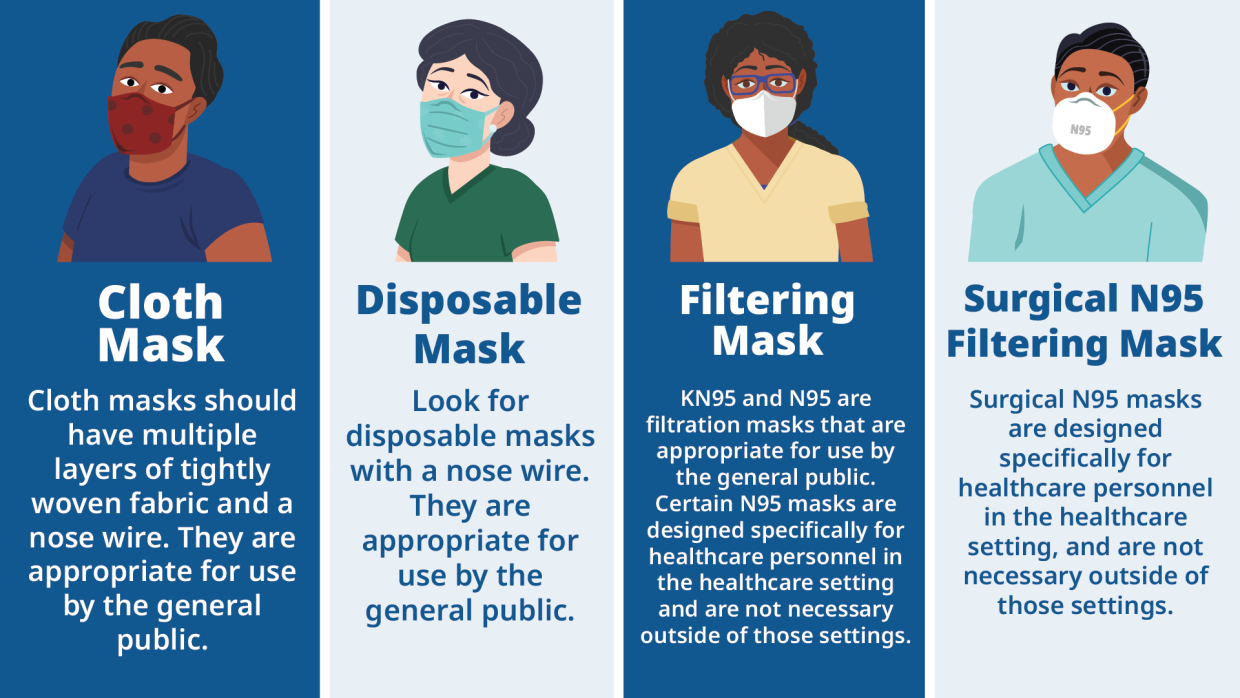
Have you ever tried washing your masks separately with a bit more detergent? It can make a noticeable difference in cleanliness and comfort.
Drying Methods
Dry your clothes completely after washing. Viruses struggle to survive on dry surfaces, so thorough drying reduces risk.
Using a dryer on a high heat setting is very effective at killing germs. If you prefer air drying, choose a sunny spot as sunlight can help disinfect fabrics.
Make sure your clothes are fully dry before storing them. Damp fabric can encourage microbial growth, which you want to avoid.
Protective Measures For Clothing
Protecting your clothing from coronavirus contamination is crucial to reduce the risk of spreading the virus. Simple habits and precautions can make a big difference in keeping your clothes safe and clean.
Handling Contaminated Clothes
When you suspect your clothes might be contaminated, avoid shaking them. This can release virus particles into the air and increase exposure risk.
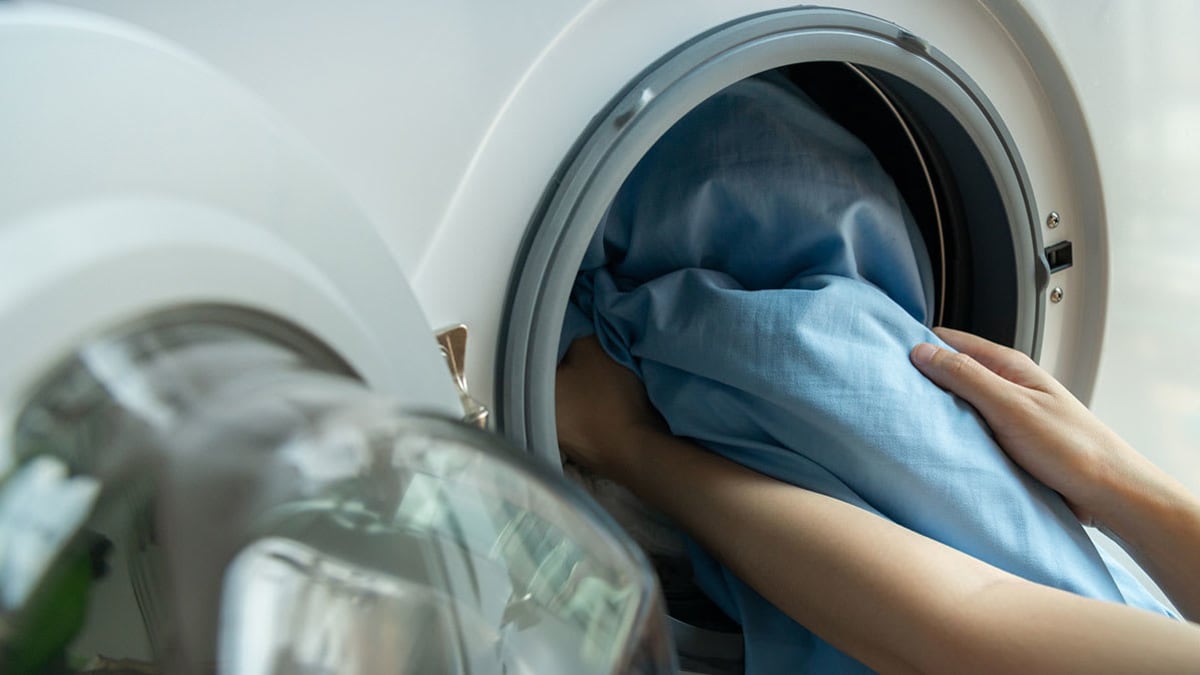
Put contaminated clothes directly into the laundry basket or a sealed bag. Wash them as soon as possible using the hottest water safe for the fabric.
Adding regular detergent is usually enough to remove the virus. Dry clothes thoroughly, as heat helps kill any remaining virus.
Use Of Protective Gear
Wearing gloves while handling dirty laundry can protect your hands from contact with the virus. Dispose of or sanitize gloves immediately after use.
If you are caring for someone who is sick, consider using an apron or old clothing that you can wash right away. This prevents cross-contamination with your everyday clothes.
Do you think about the small habits that protect you daily? These protective measures may feel simple, but they add up to significant safety for you and your family.
Credit: www.consumerreports.org
Scientific Studies And Findings
Scientific studies provide important information about how long coronavirus can survive on clothing. Researchers tested different fabrics and conditions to understand virus survival. Their results help guide safe practices for handling clothes during the pandemic.
Virus Survival Time On Different Fabrics
Studies show the virus survives shorter on porous fabrics like cotton. It lasts longer on synthetic materials such as polyester. On cotton, the virus usually becomes inactive within a few hours. On polyester, it may survive up to two days under certain conditions.
Impact Of Temperature And Humidity
Higher temperatures reduce virus survival on clothing. Warm and humid environments help kill the virus faster. Cooler and dry conditions allow the virus to last longer. This means washing clothes in warm water is more effective.
Effectiveness Of Washing And Drying
Washing clothes with detergent significantly lowers virus presence. Hot water and thorough drying increase virus removal. Studies confirm that normal laundry routines are enough to clean clothes safely. Avoid sharing unwashed clothes to reduce risk.
Limitations Of Virus Transfer From Clothes
The virus does not easily move from fabric to skin. Contact with contaminated fabric is less risky than touching hard surfaces. Still, avoid touching your face after handling potentially contaminated clothes. Hand hygiene is essential after handling laundry.
Practical Tips For Everyday Safety
Practical tips help reduce the risk of coronavirus on clothing. Small daily actions protect you and others. Staying cautious about clothes safety adds an extra layer of defense.
Wash Clothes Regularly
Wash your clothes after each use, especially if you have been outside. Use hot water and a good detergent. This kills most viruses and bacteria on fabric.
Handle Laundry With Care
Use gloves when handling dirty clothes. Avoid shaking garments to stop virus spread. Wash your hands immediately after touching laundry.
Choose The Right Fabrics
Natural fabrics like cotton dry faster and are less likely to hold viruses long. Synthetic fabrics may keep viruses longer. Wear breathable clothes when possible.
Keep Clean Clothes Separate
Store clean clothes away from dirty ones. Use different baskets for worn and fresh clothes. This prevents cross-contamination at home.
Use Disinfectant Sprays
Lightly spray clothes with fabric-safe disinfectants after washing. This adds extra protection. Follow product instructions carefully to avoid damage.
Dry Clothes Thoroughly
Dry clothes fully in sunlight or a dryer. Heat and UV rays reduce virus survival. Avoid wearing damp clothes to stay safe.
Credit: www.mass.gov

Credit: www.goodrx.com
Frequently Asked Questions
Can Coronavirus Live On Clothing Surfaces?
Yes, coronavirus can survive on clothing for a few hours to days. The duration depends on fabric type and environmental conditions.
How Long Does Coronavirus Stay On Clothes?
Coronavirus may remain active on clothes from a few hours up to 2 days, especially on synthetic fabrics.
Does Washing Clothes Kill Coronavirus?
Yes, washing clothes with detergent in warm water effectively removes and kills coronavirus particles on fabrics.
Is It Safe To Wear Clothes Outside During The Pandemic?
Wearing clothes outside is generally safe. Avoid touching your face and wash clothes regularly to reduce risk.
Conclusion
Coronavirus can survive on clothing for some time, but risk is low. Washing clothes with soap and warm water removes the virus well. Avoid touching your face after handling worn clothes. Drying clothes fully also helps kill germs. Stay careful with shared fabrics in public places.
Clean hands often to reduce chances of infection. Simple steps keep you safe and healthy every day. Remember, good hygiene is your best defense against the virus. Stay informed and stay protected.


