Have you ever wondered if fleas can hide in your clothes and cause problems without you even noticing? These tiny pests are more than just a nuisance—they can affect your comfort and health.
Understanding whether fleas can survive on your clothes is the first step to protecting yourself and your home. Keep reading to uncover the surprising truth and learn how to keep your wardrobe flea-free for good.
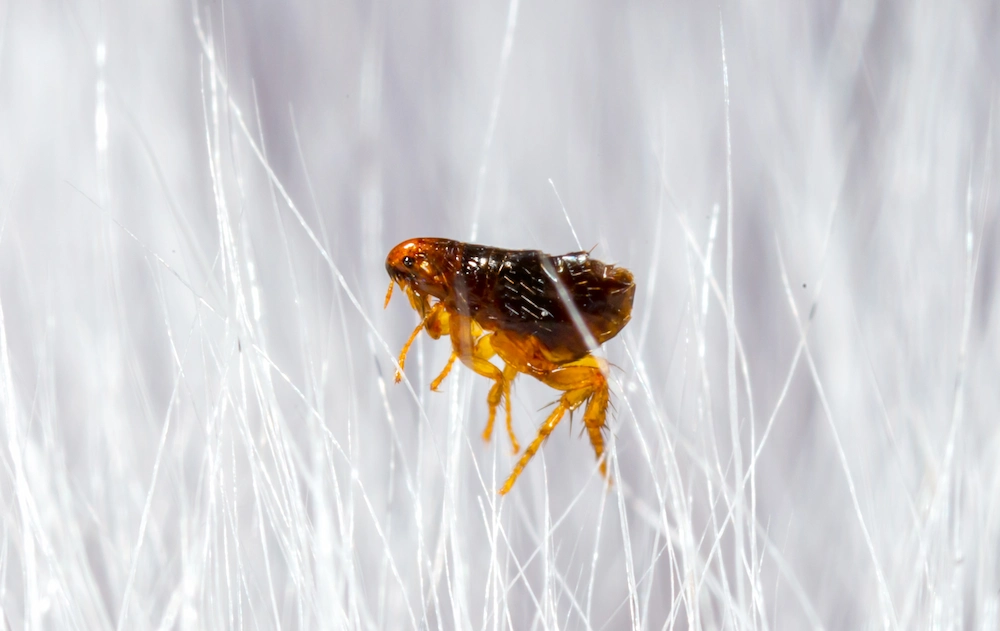
Credit: romneypestcontrol.com
Flea Life Cycle
The flea life cycle consists of four main stages. Each stage plays a key role in flea survival and growth. Understanding this cycle helps explain if fleas can live on clothes. Fleas need the right environment to develop fully.
Egg Stage
Flea eggs are tiny and white. They are laid on animals but often fall off onto surrounding areas. Eggs do not stick well to clothes. They hatch in two days to two weeks, depending on conditions.
Larvae Development
Larvae emerge from the eggs. They are worm-like and avoid light. Larvae feed on organic debris, flea dirt, and dead skin. Clothes rarely provide enough food or shelter for larvae to survive.
Pupa Formation
Larvae spin cocoons and enter the pupal stage. Inside, they transform into adult fleas. Pupae can stay dormant for weeks or months. They wait for vibrations or heat to hatch, signaling a host nearby.
Adult Fleas
Adult fleas need blood meals to survive. They jump onto hosts like pets or humans. Fleas do not live long on clothes alone. They prefer warm, hairy environments for feeding and breeding.
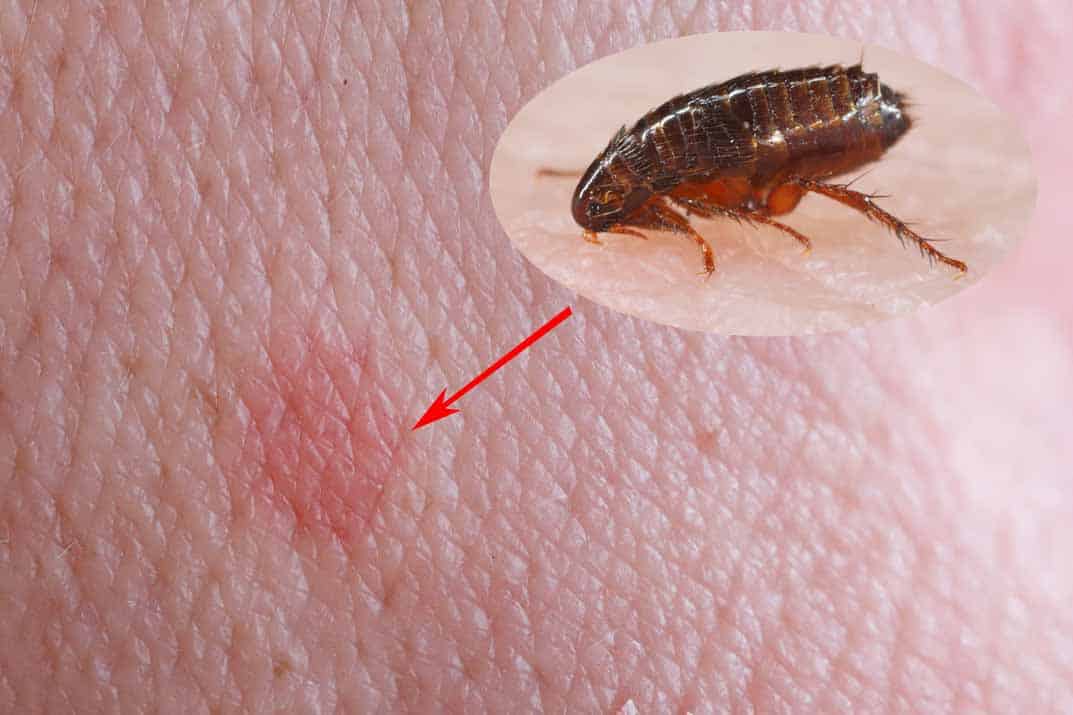
Credit: www.wakepest.com
Fleas And Human Clothing
Fleas are tiny pests that can cause big problems. They often live on animals, but they can also come into contact with human clothing. Understanding how fleas interact with clothes helps prevent their spread and keeps you comfortable.
Can Fleas Infest Clothes?
Fleas do not usually live on clothes like they do on pets. They need a host to feed on, such as animals or humans. Clothes can carry fleas, especially if they are worn by someone with fleas on their body or pets. Fleas may hide in seams or folds of fabric for a short time. They cannot survive long on clothes without a blood meal. Washing clothes in hot water kills fleas and their eggs quickly.
Clothing Fabrics That Attract Fleas
Some fabrics are more likely to attract fleas than others. Fleas prefer warm and soft materials that feel like animal fur. These fabrics can include:
- Wool
- Fleece
- Knitted fabrics
- Velvet
Rough or synthetic fabrics like polyester or nylon are less attractive to fleas. Clothes that trap heat and moisture give fleas a better chance to survive briefly. Keeping clothes clean and dry reduces the chance of fleas hiding in them.
Survival Mechanisms
Fleas have unique survival mechanisms that help them live on clothes. These tiny pests adapt quickly to different environments. Their ability to stay alive outside a host makes them hard to get rid of. Understanding how fleas survive on fabrics can help prevent infestations.
Adaptations For Survival
Fleas have strong legs to jump onto hosts easily. Their bodies are flat, letting them hide in tight spaces. They can hold their breath for long periods, avoiding drying out. Fleas also survive by feeding on tiny amounts of blood.
They produce eggs that stick to fabric fibers. These eggs can wait weeks before hatching. This waiting period helps fleas survive through harsh conditions without a host.
Conditions Favoring Flea Survival
- Warm temperatures help fleas stay active and breed.
- Moist environments prevent fleas from drying out.
- Clothes with folds and creases provide hiding spots.
- Dark areas protect fleas from light and predators.
Fleas survive longer on clothes that are rarely washed. Regular washing and drying reduce their chances of survival. Dry heat can kill fleas and their eggs quickly.
Transmission Through Clothing
Fleas are notorious for their ability to spread quickly, not just through pets and homes but also via clothing. Understanding how fleas can survive and move on your clothes is crucial to preventing an infestation. This section looks closely at how fleas travel on garments and highlights common situations where you might unknowingly carry them.
How Fleas Travel On Clothes
Fleas can easily latch onto fabric fibers. Their tiny legs and strong claws allow them to cling to your clothes as you brush past infested areas or pets.
They don’t just jump onto your skin; they often hitch a ride on your jacket sleeves, pants, or even hats. Once attached, they can stay hidden in folds or seams, waiting for the right moment to jump onto a host.
Have you ever noticed a sudden itch after visiting a friend’s house or a park? It might be fleas traveling on your clothing without your knowledge.
Common Scenarios Of Flea Transmission
- Visiting homes with pets:Fleas often live in carpets and furniture, so sitting or leaning against these can transfer fleas to your clothes.
- Outdoor activities:Walking through tall grass or wooded areas where animals roam increases the chances of fleas attaching to your clothing.
- Using shared laundry facilities:Washing clothes in a machine used by others with flea-infested garments can spread fleas onto your laundry.
- Public transport:Fleas can cling to upholstery, allowing them to jump onto your clothes during commutes.
Knowing these scenarios can help you take simple steps like shaking out your clothes or changing immediately after exposure. Are you paying enough attention to where your clothes have been before you bring them inside?
Preventing Flea Infestation
Preventing flea infestation starts with knowing how these tiny pests survive and spread. Fleas can cling to clothes, making it easy for them to hitch a ride into your home. Taking the right steps early can stop a small problem from turning into a major headache.
Proper Laundry Practices
Washing your clothes regularly in hot water is one of the best ways to kill fleas and their eggs. Drying clothes on the highest heat setting adds an extra layer of protection. Avoid just shaking out your clothes, as fleas can survive that and jump right back onto you.
Have you ever noticed fleas after a day outdoors? Changing your clothes immediately and tossing them into a hot wash can prevent fleas from settling in. Also, don’t forget to clean pet bedding and blankets, as they often harbor fleas.
Choosing The Right Deterrents
Using flea repellents on your clothing can keep these pests at bay. Look for sprays that are safe for fabrics and approved for skin contact since you’ll be wearing the clothes. Natural options like essential oils (lavender, eucalyptus) can help, but effectiveness varies.
Consider treating your pets with veterinarian-recommended flea preventatives. This reduces the chance of fleas jumping onto your clothes in the first place. Have you tried any flea deterrents that worked well for you? Sharing what you’ve learned can help others avoid infestation too.
Dealing With Infested Clothing
Dealing with clothing that may carry fleas requires prompt action. Fleas can cling to fabric fibers and spread quickly. Removing them protects your home and skin from bites. Proper cleaning and care help stop infestations before they worsen.
Effective Cleaning Methods
Start by separating infested clothes from other laundry. Use hot water during washing, as heat kills fleas and eggs. Add a strong detergent to boost cleaning power. Dry clothes on the highest heat setting to eliminate any remaining pests.
For delicate fabrics, consider freezing items for 48 hours. Low temperatures also kill fleas and stop their life cycle. Vacuum storage areas and wash laundry baskets to remove stray fleas. Regularly clean clothes storage to prevent re-infestation.
When To Seek Professional Help
Severe flea infestations may require expert treatment. Pest control professionals use safe chemicals to eliminate fleas from textiles and homes. If bites persist despite cleaning, call a specialist. Professional help ensures thorough removal and peace of mind.
Ask about flea treatments safe for fabrics and pets. Early intervention stops fleas from multiplying rapidly. Trust experts for large infestations or hard-to-clean materials.

Credit: www.batzner.com
Frequently Asked Questions
Can Fleas Live On Clothes For Long?
Fleas can survive briefly on clothes but need a host to live longer. They may cling to fabric for a few days, but without a blood meal, they cannot thrive or reproduce effectively.
How Do Fleas Spread Through Clothing?
Fleas spread on clothing by hitching rides from infested pets or environments. They cling to fabric fibers and can move to humans or other animals when clothes are worn or handled.
Can Washing Clothes Kill Fleas Effectively?
Yes, washing clothes in hot water kills fleas and their eggs. High temperatures disrupt their life cycle, preventing infestation and reducing the risk of fleas spreading through clothing.
Are Fleas Attracted To Certain Clothing Materials?
Fleas prefer fabrics that retain warmth and moisture, like wool or cotton. These materials provide a comfortable environment, increasing the chance of fleas attaching and surviving temporarily on clothes.
Conclusion
Fleas can survive on clothes for a short time. They need a host for food and warmth. Washing clothes in hot water helps remove fleas. Drying clothes on high heat kills any remaining fleas. Keeping clothes clean reduces the chance of flea bites.
Regular cleaning helps protect your home and family. Simple steps can stop fleas from spreading through clothes. Stay alert and act quickly to avoid flea problems.


