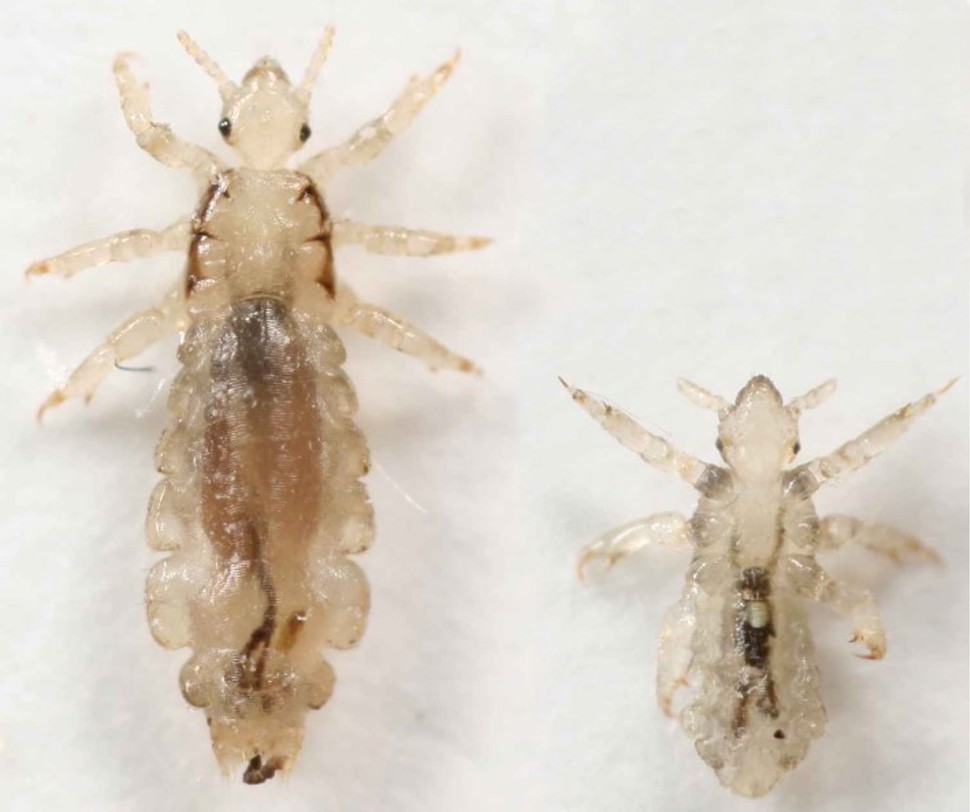
Have you ever wondered if head lice can live on your clothes? If you’ve dealt with lice before, you know how frustrating and stressful it can be.
You might be asking yourself, “Should I wash everything? Do I need to throw out my favorite jacket? ” Understanding whether these tiny pests survive on fabrics can help you take the right steps to protect yourself and your family.
Keep reading to find out the truth about head lice and your clothes—what really matters and what you can safely ignore.

Credit: www.medicalnewstoday.com
Life Cycle Of Head Lice
The life cycle of head lice is a fascinating process that helps explain how infestations spread and persist. Understanding this cycle clarifies why lice can be so hard to eliminate and whether they can survive on clothes. The cycle includes several stages, each with unique characteristics and habitat preferences. This knowledge aids in effective treatment and prevention strategies.
Stages Of Development
- Nits:These are lice eggs. They stick firmly to hair shafts near the scalp. Nits hatch in about 7 to 10 days.
- Nymphs:Young lice that emerge from the nits. They look like smaller adults but cannot reproduce yet. Nymphs mature in 7 days.
- Adults:Fully grown lice that can reproduce. Adults live up to 30 days on a human head. Females lay around 6 to 10 eggs daily.
Typical Habitats
- Head lice mostly live on the scalp and hair strands.
- They prefer areas behind the ears and near the neckline.
- Lice need warmth and blood to survive, which the scalp provides.
- Off the scalp, lice rarely survive more than 1 to 2 days.
- On clothes, lice cannot feed and usually die quickly.
Head Lice And Human Hosts
Head lice are tiny parasites that depend entirely on humans for survival. Understanding their relationship with human hosts can help you better protect yourself and your family. Let’s dive into why these pests stick to your scalp and why they can’t just survive anywhere else.
Why Lice Prefer Human Scalp
Head lice thrive on the human scalp because it provides the perfect environment for them to live and reproduce. Your scalp offers warmth, moisture, and a steady supply of blood, which lice need to survive.
Unlike other parts of your body or objects like clothes, the scalp’s consistent temperature and availability of food make it their ideal home. Have you ever wondered why lice don’t live in your hairbrush or hat? It’s because these places don’t offer what they need to survive long-term.
Factors For Human Dependency
Lice need direct contact with human skin to feed on blood regularly. Without this, they can only survive for about 24 to 48 hours off a host. Clothes, pillows, and furniture don’t provide the warmth or nutrients lice require.
Here are some key reasons why lice depend on humans:
- Temperature:The human scalp stays warm, ideal for lice survival.
- Food source:Lice feed exclusively on human blood.
- Humidity:Scalp moisture helps lice stay hydrated.
- Movement:Close head-to-head contact allows lice to spread easily.
Knowing these facts can help you focus your prevention efforts where they matter most—on direct contact with others and scalp hygiene, rather than worrying excessively about your clothes.
Survival On Clothing
Head lice primarily live on the scalp, feeding on human blood. They cling tightly to hair strands, making it hard to transfer to other surfaces. Clothes can sometimes carry lice, but survival depends on certain factors. Understanding these conditions helps prevent spreading lice through clothing.
Conditions For Survival
Lice need warmth and food to survive. Clothes away from the body lack these essentials. Lice cannot feed on fabric. They survive only if the clothing was recently worn. Dry, cool environments reduce their chances of survival. Moisture and body heat create better conditions for lice to live.
Duration Of Viability
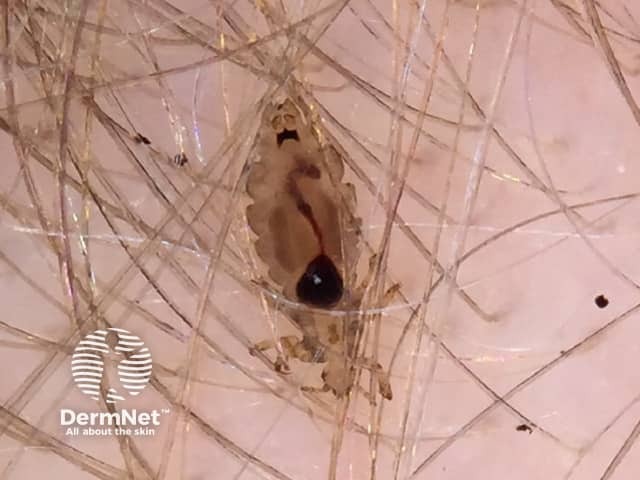
Lice survive only a short time without a human host. On clothes, they live up to 24 hours. After this, they become weak and die. Nits (lice eggs) can last longer but need warmth to hatch. Washing clothes in hot water kills lice and nits quickly. Drying clothes on high heat also prevents survival.
Credit: www.rch.org.au
Transmission Through Clothing
Head lice mainly live on the scalp, feeding on blood. Their survival on clothes is limited but still possible. Clothing can play a role in spreading lice, especially in close contact settings. Understanding how lice transmit through clothing helps control outbreaks and protect families.
Common Scenarios
- Sharing hats or scarves at school or sports events
- Using borrowed coats or jackets in crowded places
- Leaving clothes in a pile where lice can crawl between items
- Wearing uniforms or costumes without washing between uses
- Sleeping close together with shared blankets or pillows
Preventive Measures
- Avoid sharing hats, scarves, or hair accessories
- Wash clothes, bedding, and hats in hot water regularly
- Dry items on high heat to kill any lice or eggs
- Store clean clothes separately from worn items
- Inspect and treat family members promptly if lice are found
Myths And Misconceptions
Many people have ideas about head lice and clothes that are not true. These ideas can cause confusion and worry. Clearing up these myths helps people understand how lice spread and how to stop them.
Common Beliefs
- Head lice can live for days on clothes and hats.
- Sharing clothes or hats always spreads lice.
- Lice jump from one person’s clothes to another’s.
- Washing clothes in cold water does not kill lice.
- Vacuuming furniture is needed to remove lice from clothes.
Scientific Clarifications
Head lice need human scalp to survive. They cannot live long on clothes or hats. Lice usually die within 1-2 days off the scalp. They do not jump or fly but crawl slowly.
Sharing clothes or hats rarely causes lice spread. Direct head-to-head contact is the main way lice move. Washing clothes in hot water (above 130°F) kills lice and their eggs. Vacuuming furniture is not necessary for clothes.
Understanding these facts stops unnecessary fear. It helps focus on real prevention and treatment methods.
Preventing Lice Infestation
Preventing lice infestation requires more than just treating an outbreak. It means staying a step ahead by understanding how lice spread and taking action to stop them before they settle. Your daily habits and the way you handle clothes play a crucial role in keeping lice away.
Effective Strategies
Start by washing clothes, hats, and bed linens in hot water regularly. Lice can survive on clothes for a short time, but heat kills them quickly.
- Use a dryer on high heat for at least 20 minutes after washing.
- Seal unwashable items in a plastic bag for two weeks to starve any lice.
- Avoid sharing combs, hats, or scarves with others, especially in group settings.
Have you ever noticed how easily lice spread at school or camps? That’s because they cling to personal items. Being mindful about what you share can make a huge difference.
Role Of Personal Hygiene
Keeping your hair clean and combed helps you spot lice early. Although lice don’t prefer dirty hair, regular care makes it easier to catch an infestation before it grows.
Using a fine-toothed comb daily can remove lice and nits, preventing them from multiplying. Pair this with a habit of checking your child’s hair, especially after group activities.
Does your routine include these checks? This small effort could save you from a big headache later.

Credit: globalnews.ca
Frequently Asked Questions
Can Head Lice Live On Clothes And Fabrics?
Head lice primarily live on the scalp and hair, not on clothes. They can survive on clothes briefly, up to 1-2 days, but cannot reproduce there. Clothes are not their natural habitat, so they rarely stay long away from the scalp.
How Long Can Head Lice Survive Off The Scalp?
Head lice can survive off the scalp for about 24 to 48 hours. Without human blood, they quickly weaken and die. This is why lice cannot infest clothes or furniture for extended periods.
Can Washing Clothes Kill Head Lice Effectively?
Yes, washing clothes in hot water above 130°F (54°C) kills head lice and their eggs. High temperatures destroy lice quickly, preventing re-infestation. Always use hot water and a high-heat dryer cycle for best results.
Is It Necessary To Clean Clothes After Lice Treatment?
Yes, cleaning clothes, bedding, and hats helps prevent lice re-infestation. Lice may cling to fabrics temporarily. Washing and drying at high heat removes lice and eggs, supporting effective treatment.
Conclusion
Head lice rarely survive long on clothes. They need a human scalp to live and lay eggs. Washing clothes in hot water can remove lice and eggs. Drying clothes on high heat helps kill any lice left behind. Regular cleaning prevents lice from spreading through fabrics.
Keep clothes separate during an infestation to avoid re-infestation. Understanding lice habits helps control and prevent them better. Stay calm and follow simple steps to protect your family.


