Have you ever found yourself staring at an empty cat food bowl, wondering if you can safely feed your furry friend some dog food just this once? When emergencies strike, and your usual cat food is nowhere to be found, it’s natural to want to keep your pet happy and fed.
But is dog food really a safe option for your cat? Understanding the risks and what to do in these moments can make all the difference for your pet’s health. Keep reading to find out what you need to know before reaching for that dog food bowl.

Credit: bowwowinsurance.com.au
Differences Between Cat And Dog Food
Understanding the differences between cat and dog food is crucial, especially if you find yourself in a situation where you might consider feeding your cat dog food in an emergency. Cats and dogs have unique dietary requirements shaped by their biology. Ignoring these differences can affect your cat’s health and well-being.
Nutritional Needs Of Cats
Cats are obligate carnivores, which means they must eat meat to survive. They require higher levels of protein and specific nutrients like taurine, arachidonic acid, and vitamin A that they cannot produce on their own.
These nutrients support vital functions such as heart health, vision, and immune system strength. If your cat’s diet lacks these essentials, it can lead to serious health problems over time.
Nutritional Needs Of Dogs
Dogs are omnivores and can digest a more varied diet including both animal and plant-based ingredients. Their protein needs are generally lower than cats, and they can synthesize some nutrients that cats must get from food.
Because dogs can utilize carbohydrates more efficiently, their food often contains more grains and vegetables. This difference means dog food is less concentrated in certain vital nutrients for cats.
Key Ingredient Variations
- Taurine:Essential for cats but often missing or in low amounts in dog food.
- Protein:Cat food has higher protein levels tailored for their metabolism.
- Fat Content:Cat food usually contains more fat to meet energy demands.
- Vitamin A and Arginine:Cats need preformed vitamin A and arginine, which dog food may not supply adequately.
Feeding your cat dog food occasionally might not cause immediate harm, but it’s not a sustainable diet. Have you ever thought about what might happen if your cat regularly misses these vital nutrients? Paying attention to these differences helps you make safer choices during emergencies.
Potential Risks Of Feeding Cats Dog Food
Feeding your cat dog food in an emergency might seem like a quick solution, but it carries several risks that can affect your cat’s health. Cats and dogs have different nutritional needs, and dog food lacks essential nutrients that cats require to thrive. Understanding these risks will help you make safer choices for your feline friend when options are limited.
Lack Of Taurine And Its Effects
Taurine is a vital amino acid that cats cannot produce enough of on their own. Unlike dogs, cats need taurine from their diet to support heart function, vision, and reproduction. Dog food typically contains little to no taurine, which can lead to serious health problems like heart disease and blindness if fed to cats regularly.
Have you ever noticed changes in your cat’s energy or behavior after a diet change? This could be related to taurine deficiency, which often develops slowly but can cause permanent damage.
Impact On Digestive Health
Dog food has a different balance of protein, fat, and fiber compared to cat food. Cats are obligate carnivores, meaning their digestive systems are designed for meat-heavy diets. Feeding dog food may cause stomach upset, diarrhea, or constipation because it doesn’t meet their specific digestive needs.
Your cat might resist dog food or seem uncomfortable after eating it. This reaction is a signal that their body is struggling to process the food properly. Paying attention to these signs can help you avoid worsening digestive issues.
Long-term Health Concerns
Regularly feeding your cat dog food can lead to nutrient deficiencies beyond taurine, such as insufficient vitamin A and certain fatty acids. These deficiencies can weaken your cat’s immune system, dull their coat, and impair overall growth and development. Over time, these problems add up, affecting your cat’s quality of life.
Think about how long-term diet choices affect your health—your cat’s body reacts similarly. Feeding dog food might be okay once in a rare emergency, but making it a habit puts your cat at risk for chronic health issues.
When Dog Food Might Be Used Temporarily
Dog food can be used briefly if cat food is unavailable during an emergency. It lacks some nutrients cats need, so only feed it for a short time. Always return to proper cat food as soon as possible to keep your pet healthy.
When emergencies occur, pet owners might face unexpected challenges. One such challenge is running out of cat food. In these situations, some may consider feeding their cat dog food temporarily. Although not ideal, dog food might be used as a short-term solution. It’s crucial to understand the implications and guidelines for such a decision.Emergency Situations
Sometimes, emergencies happen suddenly. You might find yourself without cat food late at night. Stores could be closed or inaccessible. Perhaps a natural disaster disrupts supply chains. In these cases, using dog food might become a temporary necessity. Remember, this should only be a short-term solution.Short-term Feeding Guidelines
When feeding your cat dog food, follow these guidelines. Choose dog food with high protein content. Cats need more protein than dogs do. Avoid dog foods with garlic or onion powder. These ingredients are harmful to cats. Mix dog food with a small amount of cat food, if available. This can ease the transition and provide better nutrition. Limit the duration of feeding dog food to a few days.Monitoring Your Cat’s Reaction
Watch your cat closely during this period. Look for signs of digestive distress, like vomiting or diarrhea. Monitor energy levels and overall demeanor. Cats may become lethargic if not receiving proper nutrition. If your cat shows any adverse reactions, stop feeding dog food immediately. Consult a veterinarian if concerns arise.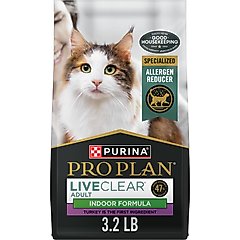
Credit: www.petmd.com
Safer Alternatives To Dog Food In Emergencies
Feeding your cat dog food during an emergency might seem like a quick fix, but it’s important to consider safer alternatives first. Cats have unique nutritional needs that dog food doesn’t meet. Luckily, you have options that can keep your feline friend healthy until you get proper cat food.
Human Foods That Are Safe For Cats
Some human foods can fill in temporarily without harming your cat. Plain cooked chicken or turkey, without any seasoning, is a great protein source. You can also offer small amounts of cooked eggs or a bit of canned pumpkin, which is good for digestion.
Avoid anything with onions, garlic, or spices, as these can be toxic. Have you ever noticed your cat sniffing at your plate? Sometimes sharing a safe bite can be comforting in a stressful moment.
Using Cat Treats Or Supplements
If you have cat treats on hand, these can provide some nutrition in a pinch. Many treats contain essential nutrients cats need, like taurine, which dog food lacks. You might also have supplements such as fish oil or powdered taurine that support your cat’s health.
Keep in mind, treats should only be a short-term fix and not a main meal replacement. How often do you check your pet’s supplies? Keeping a small emergency stash can save a lot of stress.
Accessing Pet Food Quickly
In emergencies, quick access to proper cat food is crucial. If you can’t get to a store immediately, consider local options like neighbors, friends, or nearby pet care providers. Many communities also have pet food banks or shelters that can help.
Online delivery services can be a lifesaver if you plan ahead. Have you mapped out pet stores or delivery options near your home? Being prepared means your cat won’t have to settle for less than they need.
Tips For Transitioning Back To Cat Food
Switching your cat back to their regular food after an emergency feeding of dog food requires patience and care. Cats have delicate digestive systems, so abrupt changes can upset their stomach or cause refusal to eat. You want to make the process smooth and stress-free for both you and your feline friend.
Gradual Food Changes
Start by mixing a small amount of cat food into the dog food your cat has been eating. Over several days, slowly increase the proportion of cat food while decreasing the dog food. This helps your cat’s digestive system adjust without sudden shock.
Watch how your cat reacts to the new mix. If they seem hesitant, try warming the food slightly or adding a little water to enhance the smell. Cats rely heavily on scent, so this can encourage them to eat.
Signs Your Cat Needs Veterinary Attention
Pay close attention to your cat’s behavior and health during the transition. If you notice persistent vomiting, diarrhea, lethargy, or refusal to eat for more than 24 hours, it’s time to contact your vet.
These symptoms could indicate that your cat’s body is struggling with the dietary change or that the dog food caused digestive issues. Quick action can prevent more serious problems.
Maintaining Proper Nutrition
Remember, dog food lacks essential nutrients that cats need, like taurine and specific vitamins. Returning to cat food ensures your pet gets a balanced diet tailored to their needs.
Consider high-quality cat food brands that list meat as the first ingredient. You can also discuss supplements with your vet if you’re worried about nutritional gaps during the transition.
Have you ever tried switching your cat’s food gradually? What worked best for your pet? Sharing your experience can help others facing the same challenge.
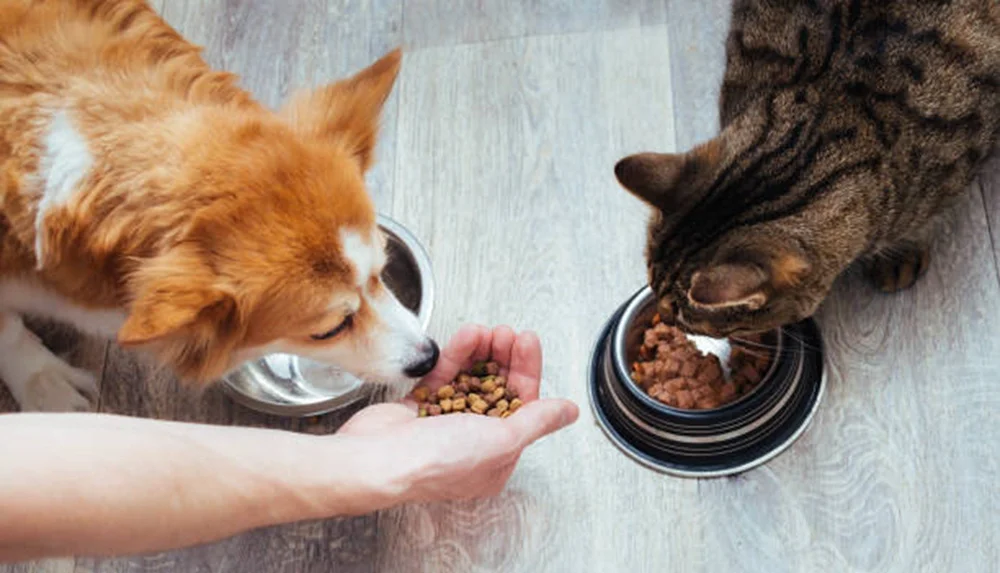
Credit: www.thornburyvet.com.au
Frequently Asked Questions
Can Cats Eat Dog Food In Emergencies?
Cats can eat dog food temporarily in emergencies. However, dog food lacks essential nutrients cats need. It should not replace regular cat food long-term.
Is Dog Food Harmful To Cats?
Dog food isn’t immediately harmful but lacks taurine, vital for cats. Feeding it frequently can cause nutrient deficiencies and health issues.
How Long Can A Cat Eat Dog Food Safely?
Cats can eat dog food for a day or two without harm. Prolonged feeding can lead to nutritional deficiencies and health problems.
What Nutrients Do Cats Need That Dog Food Lacks?
Cats need taurine, arachidonic acid, and vitamin A, often missing in dog food. These nutrients are crucial for their heart and vision health.
Conclusion
Feeding your cat dog food in an emergency is not ideal. Dog food lacks important nutrients cats need. It can cause health problems if used often. Use dog food only once or twice if needed. Always return to cat food as soon as possible.
Keep some cat food ready for emergencies. Your cat’s health depends on proper nutrition. Small changes matter for your pet’s well-being. Care and attention keep your cat happy and healthy.