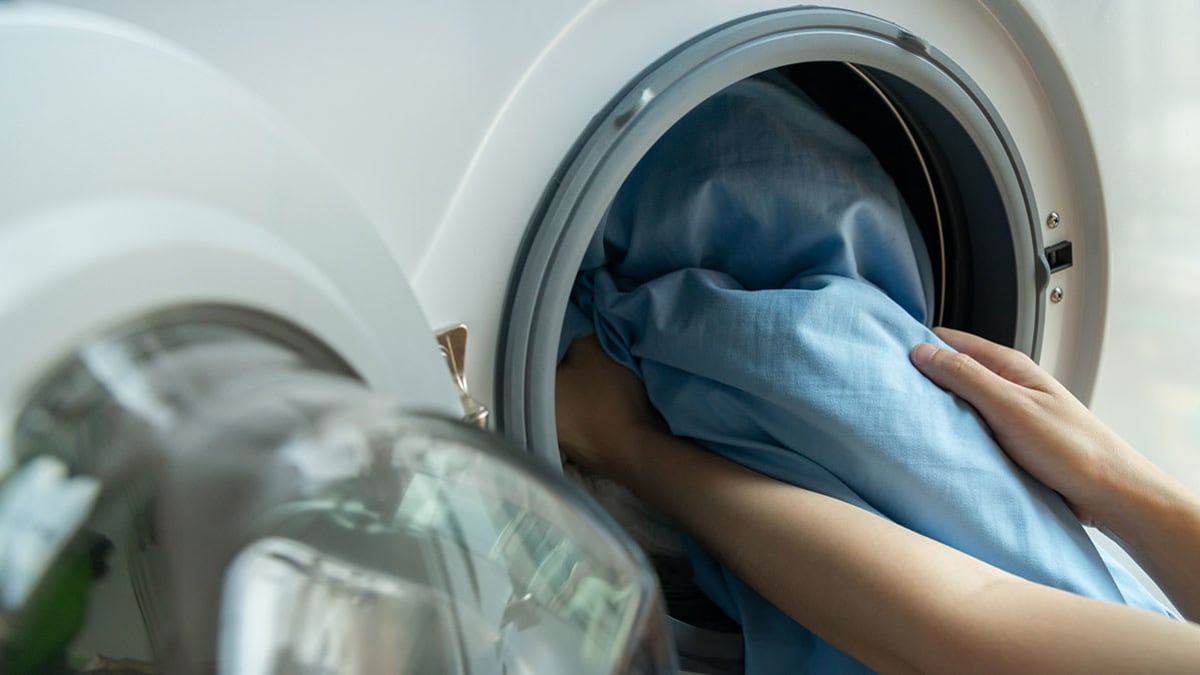
Have you ever wondered if the coronavirus can hang around on your clothes? You might worry about picking up the virus just by touching your jacket or favorite shirt.
Understanding how long the virus can survive on fabrics can help you stay safer and make smarter choices about washing and handling your clothes. Keep reading to find out what the latest research says and how you can protect yourself and your loved ones every day.
Virus Lifespan On Fabrics
Understanding how long the coronavirus can survive on fabrics is crucial for managing daily risks. Clothes come into close contact with your skin and environment, making it important to know if the virus lingers and for how long. This knowledge helps you decide how often to wash your clothes and how to handle them safely.
Factors Affecting Survival
The virus lifespan on fabric depends on several key factors. The type of fabric plays a big role—natural fibers like cotton tend to hold the virus for a shorter time compared to synthetic fibers. Moisture levels also matter; a damp fabric can keep the virus alive longer than a dry one.
Temperature influences survival too. Higher temperatures usually reduce the virus’s lifespan on fabrics. Think about how a warm day can help dry your clothes quickly, which is good news for reducing virus presence.
Have you noticed how some clothes feel cooler or warmer? That’s not just comfort—it can affect virus survival. The way you wash your clothes also counts; hot water and detergent are effective at killing the virus.
Comparison With Other Surfaces
The coronavirus behaves differently on fabrics compared to hard surfaces like metal or plastic. On smooth surfaces, the virus can last for days, while on fabric, it usually survives for a shorter period, often just a few hours to a day.
This difference happens because fabrics absorb moisture and trap the virus particles, which can cause the virus to dry out and die faster. In contrast, non-porous surfaces allow the virus to stay intact longer.
Think about your phone case or doorknobs—these need frequent cleaning because the virus can stick around longer. But your clothes, especially if washed regularly, are less likely to be a major source of infection.
Credit: www.goodrx.com
Transmission Risks Through Clothing
Transmission risks through clothing remain a concern during the coronavirus pandemic. The virus can land on fabric surfaces through droplets from coughs, sneezes, or touching contaminated objects. Although the virus does not live long on clothes, there is still a chance of spreading if proper care is not taken.
Clothing acts as a surface that can hold virus particles for a short time. Touching or shaking contaminated clothes may release these particles into the air or onto hands. This makes understanding contamination scenarios and real-life cases important for safety.
Potential Contamination Scenarios
- Wearing clothes in crowded places where droplets can settle on fabric.
- Handling laundry from infected individuals without gloves.
- Sharing clothes or trying on garments in stores without sanitizing.
- Storing worn clothes without washing, allowing virus particles to remain.
- Touching face or mouth after contact with contaminated clothing.
Real-life Case Studies
Studies show the virus survives on fabric for a few hours to days, depending on material and conditions. For example, hospital settings found low risk from clothing when proper protocols were used. Healthcare workers wearing protective gear had minimal transmission from clothes.
In community outbreaks, no direct evidence points to clothes as a major source. Most infections linked to close contact or touching contaminated surfaces. Still, cases highlight the need to wash clothes regularly and avoid face touching after handling garments.
Research Findings On Textile Surfaces
Understanding how long the coronavirus can survive on clothes is important for safety. Research has tested different textile materials to see how the virus behaves. These findings help guide cleaning and handling practices for everyday fabrics.
Recent Scientific Studies
Scientists studied the virus on various fabrics like cotton, polyester, and blends. Results showed the virus can last from a few hours up to two days. Porous materials like cotton tend to hold the virus for less time. Synthetic fabrics may allow the virus to survive longer.
One study found:
- Virus particles dropped sharply after 8-12 hours on cotton.
- On polyester, detectable virus remained for up to 48 hours.
- Temperature and humidity affect virus survival on textiles.
These studies show the virus does not survive as long on clothes as on hard surfaces. Washing clothes with detergent usually removes or kills the virus.
Expert Opinions
Health experts emphasize regular washing of clothes to reduce risk. They advise using warm water and detergent for effective cleaning. Experts note that touching contaminated fabric is less risky than touching hard surfaces.
Guidance from specialists includes:
- Wash clothes after exposure to crowded places.
- Avoid shaking dirty laundry to reduce virus spread in air.
- Use gloves when handling laundry from sick individuals.
Experts agree that simple hygiene and cleaning reduce virus presence on textiles. Safe handling of clothes is a practical step to stay protected.

Credit: famurgentcare.com
Effective Laundry Practices
Effective laundry practices play a key role in reducing the risk of coronavirus on clothes. Proper washing and handling can help remove and kill the virus. These steps protect both your health and the health of others around you. Understanding the right methods ensures cleanliness and safety.
Recommended Washing Techniques
- Use the warmest water safe for the fabric.
- Choose a good quality detergent to break down the virus.
- Wash clothes separately from other household items.
- Run a full wash cycle to ensure thorough cleaning.
- Dry clothes completely, preferably in a dryer on high heat.
Washing at higher temperatures and drying well helps destroy the virus. Detergents and heat work together to clean fabrics effectively.
Safe Handling And Storage Tips
- Wear gloves when handling dirty laundry.
- Do not shake clothes to avoid spreading virus particles.
- Keep laundry baskets clean and disinfect regularly.
- Store clean clothes separately from dirty ones.
- Wash hands immediately after handling laundry.
Safe handling reduces the chance of contamination. Proper storage keeps clothes fresh and virus-free until use.
Public Health Guidelines
Public health guidelines help protect people from the coronavirus. They give clear rules on how to reduce virus spread. Clothing can carry virus particles, so it is important to follow these guidelines. Knowing what health organizations say helps keep everyone safe.
Advice From Health Organizations
Health groups like the CDC and WHO share advice on clothing safety. They say the virus can survive on fabric for a short time. Washing clothes regularly with soap removes the virus effectively. Avoid touching your face after handling clothes worn outside.
Use hot water if the fabric allows it. Dry clothes completely before wearing again. If you cannot wash clothes immediately, keep them separate. Use a sealed bag to store used clothes safely.
Clothing Safety In Public Spaces
Wear clean clothes every day, especially after visiting public places. Choose fabrics that dry quickly and can be washed often. Avoid sharing clothes or accessories with others. Carry a small hand sanitizer to clean hands after touching clothes.
Change out of your public clothes as soon as you get home. This lowers the chance of spreading the virus indoors. Keep extra clothes at work or school to change if needed.

Credit: www.goodrx.com
Common Myths And Misconceptions
Many people worry about the coronavirus on clothes. This fear leads to many myths and wrong ideas. It is important to know the truth about how the virus behaves on fabric. This section clears up common myths and shows facts.
Debunking Popular Beliefs
- The virus does not live long on clothes. It loses strength quickly.
- Washing clothes with normal detergent kills the virus easily.
- There is no need to use special sprays on clothing.
- Simply touching clothes is not a main way to catch the virus.
- Air drying clothes helps remove any virus leftover.
Clarifying Misinformation
Some think the virus can pass through fabric like through air. This is not true. Clothes act as a barrier and stop virus particles.
Others say the virus stays active on clothes for days. Research shows this only happens in very rare cases and under certain conditions.
People believe disinfecting clothes outside washing is necessary. This is false. Regular washing is enough to clean clothes safely.
Frequently Asked Questions
Can Coronavirus Live On Clothing Surfaces?
Yes, coronavirus can survive on clothing for a few hours to days. The survival depends on fabric type and environmental conditions like temperature and humidity.
How Long Does Coronavirus Survive On Clothes?
The virus may last from a few hours up to 2 days on clothes. Porous fabrics generally reduce virus survival compared to non-porous materials.
Can Washing Clothes Remove Coronavirus Effectively?
Yes, washing clothes with detergent and warm water kills the virus. Using a dryer on high heat further ensures virus removal.
Is It Safe To Touch Clothes After Exposure?
Touching contaminated clothes can pose a risk if virus is present. Wash hands immediately after handling potentially exposed garments to avoid infection.
Conclusion
Coronavirus can stay on clothes for some time, but not very long. Washing clothes with soap and water kills the virus easily. Drying clothes in the sun or using a dryer helps too. Avoid touching your face after handling worn clothes.
Staying careful with hygiene keeps you and others safe. Clean clothes, clean hands—simple steps protect your health. Small habits make a big difference in stopping the virus spread. Keep these tips in mind to stay healthy every day.


