Are you struggling to put food on the table right now? You’re not alone, and there is help available.
Emergency food stamps can be a lifeline when unexpected expenses or situations leave you short on money. But can you get them quickly, and how do you qualify? This article will guide you through everything you need to know about emergency food stamps—so you can find the support you need without delay.
Keep reading to discover how to get assistance when you need it most.
Emergency Food Stamps Basics
Understanding the basics of emergency food stamps can make a significant difference when you face unexpected financial challenges. These benefits provide quick support to help you put food on the table during tough times. Knowing what emergency food stamps are, who qualifies, and how they differ from regular benefits can empower you to act swiftly and confidently.
What Are Emergency Food Stamps
Emergency food stamps are a special form of assistance designed to help individuals and families facing immediate food insecurity. Unlike regular food stamps, these benefits are distributed faster to address urgent needs. They ensure that you don’t have to wait weeks to get support when your situation suddenly changes.
Imagine losing your job or dealing with a medical emergency that drains your savings. Emergency food stamps can step in quickly, so you still have access to nutritious meals while you figure things out.
Eligibility Requirements
You might wonder if you qualify for emergency food stamps. Eligibility usually depends on your current financial situation and specific circumstances, such as sudden income loss or natural disasters.
- Proof of income loss or reduction
- Residency in an area declared as a disaster zone (sometimes)
- Meeting basic income limits set by your state
Each state has its own rules, so checking with your local food assistance office is crucial. Have you gathered all the necessary documents to prove your eligibility? Being prepared can speed up the approval process.
How Emergency Benefits Differ
Emergency food stamps differ from regular benefits in timing and flexibility. They are issued more quickly, sometimes within days, to address urgent food needs.
Also, emergency benefits might provide a one-time boost or temporary increase in your usual amount. This can be a lifeline if you’re dealing with unexpected bills or reduced income.
Unlike regular food stamps, these emergency benefits often require less paperwork and a faster review process. This means you spend less time waiting and more time focused on getting back on your feet.

Credit: www.yahoo.com
Applying For Emergency Food Stamps
Applying for emergency food stamps helps many families facing urgent food needs. The process is designed to be quick and accessible. Understanding where to apply and what documents to prepare speeds up approval. Choosing between online or in-person application affects the time and ease of the process. Clear steps guide you through applying for emergency food stamps efficiently.
Where To Apply Quickly
Apply at your local social services office for fast help. Many states have specific emergency food stamp programs. Visit the nearest Department of Social Services (DSS) or equivalent agency. Some states offer hotlines for emergency food stamp requests. Community centers may also provide application support. Finding the closest location saves time.
Documents You Need
- Proof of identity like a driver’s license or ID card
- Proof of income such as pay stubs or benefit letters
- Proof of residence, for example, a utility bill or lease
- Social Security numbers for all household members
- Information about household expenses including rent and utilities
Having these documents ready helps the process move faster. Check with your local agency for any additional requirements.
Online Vs In-person Applications
Online applications offer convenience and can be submitted anytime. Many states have official websites with clear instructions. Uploading documents online can save a trip to the office. Some people prefer in-person applications for direct help. Staff can answer questions and guide through the process face-to-face. Choose the method that fits your situation best.
Speeding Up The Approval Process
Getting emergency food stamps quickly can be crucial during tough times. The approval process may seem daunting, but there are ways to speed it up. Understanding the steps and common pitfalls can make a big difference.
Tips For Faster Processing
Submit your application online for quicker processing. Double-check all your details before submission. Gather all necessary documents beforehand. This includes proof of income and identification. Use clear copies of your documents to avoid delays.
Common Application Mistakes
Leaving sections incomplete can delay your application. Ensure all parts of the form are filled out. Incorrect information can also slow things down. Double-check your personal information and financial details.
Contacting Local Agencies
Reach out to local food stamp agencies for guidance. They can provide specific instructions for your area. Local offices might offer appointments for in-person help. This ensures your application is complete and accurate.
Receiving And Using Emergency Benefits
Receiving and using emergency food stamp benefits can be a crucial lifeline during unexpected financial hardships. Understanding how quickly you can access these benefits, how to use your food stamp card, and what items you can purchase helps you make the most of this support. Let’s break down these key points to help you navigate the emergency food assistance process smoothly.
How Soon You Get Benefits
Emergency food stamp benefits are designed to reach you quickly, often within a few days after your application is approved. Some states offer same-day or next-day issuance, especially if your situation is urgent.
Speed depends on how complete your application is and whether you meet the emergency criteria. Have you prepared all necessary documents upfront? That can drastically reduce waiting time.
Using Food Stamp Cards
Your benefits come loaded onto an Electronic Benefit Transfer (EBT) card, which works like a debit card. You simply swipe the card at participating stores to pay for eligible food items.
Keep your PIN secure and check your balance regularly—most states provide online portals or apps for this. Losing track of your balance can lead to unexpected shortfalls when you shop.
Remember, not all stores accept food stamps, so look for those marked with “EBT Accepted” signs or use online directories to find nearby locations.
What You Can Buy
Emergency food stamps cover a wide range of food essentials but exclude non-food items. You can buy:
- Fruits and vegetables
- Meat, poultry, and fish
- Dairy products
- Breads and cereals
- Seeds and plants to grow food
Items like alcohol, tobacco, vitamins, and hot prepared foods are not allowed. Knowing what’s eligible helps you plan your shopping and stretch your benefits further.
Alternatives When Emergency Food Stamps Aren’t Available
Emergency food stamps may not always be an option for everyone. Many face delays or denials due to eligibility rules or processing times. Exploring other resources can provide immediate food help during tough days.
These alternatives offer access to nutritious meals and groceries without long waits. They serve individuals and families who need quick support to avoid hunger.
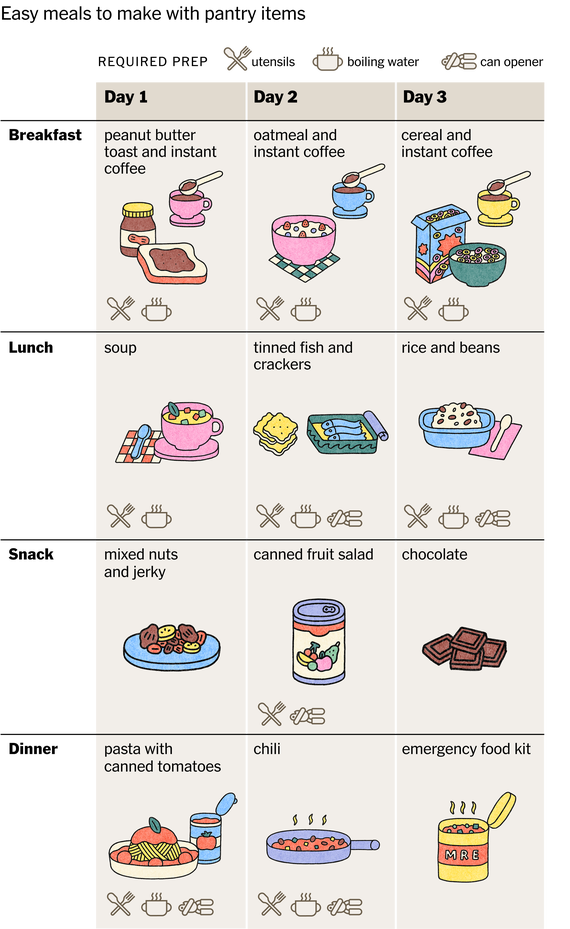
Local Food Banks And Pantries
Food banks and pantries distribute free groceries to people in need. They often work with local charities, churches, and volunteers. Many have no strict income limits, making them accessible for most.
Visit your nearby food bank or pantry to receive canned goods, fresh produce, and staples. Some provide special items for children, seniors, or people with dietary restrictions.
Community Meal Programs
Community meal programs offer cooked meals at community centers or churches. These programs feed people daily or weekly with hot, nutritious food. They create a welcoming space for social support and care.
Meals are usually free or low cost and do not require prior registration. Great for those who need immediate nourishment without cooking.
Other Government Assistance
Besides emergency food stamps, several government programs help with food costs. Programs like Women, Infants, and Children (WIC) provide healthy foods for young children and pregnant women. The National School Lunch Program offers free or reduced-price meals for students.
Check with local social service offices for eligibility and application help. These programs aim to reduce food insecurity across communities.

Credit: www.economist.com
Maintaining Benefits And Next Steps
Maintaining emergency food stamp benefits requires attention and timely action. These benefits provide crucial support during tough times. Understanding the next steps helps keep the aid uninterrupted. Knowing how to renew assistance and move forward is key. Planning for long-term support ensures continued food security.
Renewing Emergency Assistance
Emergency food stamps often last for a limited time. Renewing benefits means submitting updated information on time. Keep documents like income proof and ID ready. Check renewal dates carefully to avoid gaps. Agencies may ask for new forms or interviews. Staying in touch with your caseworker speeds up the process.
Transitioning To Regular Benefits
Emergency food stamps can lead to regular benefits. Regular programs usually require a full application. This may include more detailed income and family data. The transition helps stabilize support for longer periods. Regular benefits offer consistent aid beyond emergencies. Prepare for eligibility checks and follow all instructions.
Resources For Long-term Support
Beyond food stamps, many resources exist for ongoing help. Local food banks provide free groceries regularly. Community centers often run nutrition and budgeting classes. Nonprofits may offer housing or job assistance. Online tools can help track benefits and find aid. Use multiple resources to build a stronger support network.

Credit: www.lasp.org
Frequently Asked Questions
What Qualifies As An Emergency For Food Stamps?
Emergency food stamps are for sudden financial crises like job loss or natural disasters. Eligibility depends on state rules and immediate need.
How Quickly Can I Get Emergency Food Stamps?
Emergency food stamps can be issued within seven days in many states. Speed varies by local agency and your situation.
Can I Apply For Emergency Food Stamps Online?
Yes, most states offer online applications for emergency food stamps. Check your local agency’s website for specific instructions.
What Documents Are Needed For Emergency Food Stamps?
You typically need ID, proof of income, residency, and proof of emergency. Requirements vary by state and situation.
Conclusion
Emergency food stamps offer quick help in tough times. Many states provide fast approval for urgent needs. Knowing how to apply can save valuable time. Keep documents ready to make the process smooth. Support exists for families facing sudden food shortages.
Don’t wait until hunger becomes a bigger problem. Getting emergency aid is possible and important. Reach out to local offices or websites for guidance. Help is closer than you might think. Taking action today can ease tomorrow’s worries.