Have you ever wondered if you can bring food into the emergency room? Whether you’re visiting a loved one or facing a long wait, hunger can quickly become a real concern.
But before you pack that snack or meal, it’s important to know the rules and reasons behind them. You’ll discover what’s allowed, what isn’t, and why it matters for your safety and the care of others. Keep reading to find out everything you need to know about bringing food into the emergency room.
Food Policies In Emergency Rooms
Emergency rooms have strict food policies to protect patients and staff. These rules help keep the environment clean and safe. Visitors and patients must follow these rules to avoid problems. Understanding these policies helps everyone stay comfortable and healthy.
Reasons For Food Restrictions
Food restrictions exist to prevent contamination and allergies. Many patients have weak immune systems. They can easily get infections from outside food. Some foods can also interfere with medical treatments. Emergency rooms need a sterile environment to work effectively. These rules help reduce risks and maintain hygiene.
Common Hospital Rules
- Bringing outside food is often not allowed.
- Only sealed, store-bought snacks may be permitted.
- Patients might receive specific diets from the hospital.
- Eating is usually limited to waiting areas or designated spots.
- Staff may dispose of food that is unsafe or unapproved.
Following these rules helps keep the emergency room safe for everyone.

Credit: www.reddit.com
Allowed Food Items
Bringing food into the emergency room often depends on strict rules. Hospitals want to keep the environment clean and safe for patients and staff. Not all foods are allowed inside. Understanding which food items are permitted helps visitors avoid issues at the entrance. Allowed foods are usually simple, non-perishable, and easy to share without causing mess or allergies.
Safe Snacks For Visitors
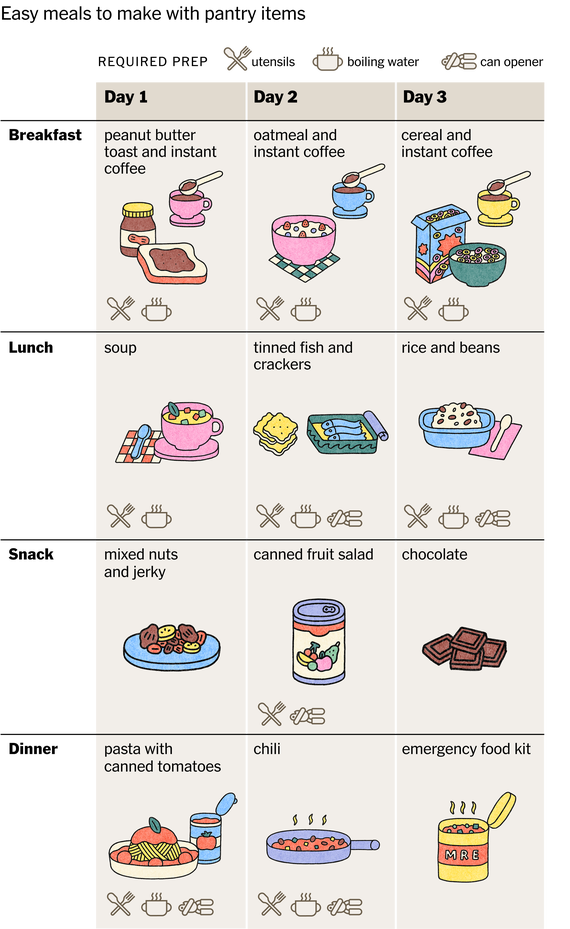
Visitors can bring snacks that are easy to eat and store. These snacks should not have strong smells or require heating. Some common safe snacks include:
- Pre-packaged crackers or cookies
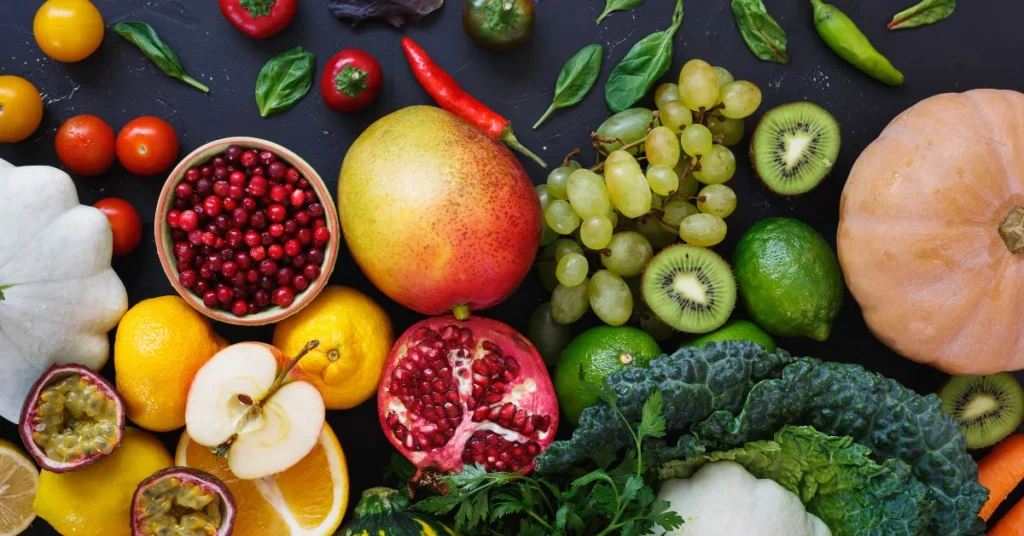
- Fruit like apples, bananas, or grapes
- Small bags of nuts or trail mix
- Granola bars or protein bars
- Bottled water or juice boxes
These options are simple and unlikely to disturb patients or staff. Avoid messy, greasy, or heavily scented foods.
Patient-specific Food Guidelines
Patients have unique dietary needs based on their health. Hospitals often provide food tailored to these needs. Visitors should check with medical staff before bringing food for patients. Some patients may need:
- Low-sodium or low-sugar options
- Allergen-free foods
- Soft or pureed foods
- Foods that fit special diets, like diabetic or gluten-free
Following these guidelines ensures patient safety and comfort. Always respect hospital rules about patient food.
Risks Of Bringing Outside Food
Bringing outside food into the emergency room can cause hygiene issues and trigger allergies. Hospitals need to keep a clean, safe environment for patients and staff. Outside food may also interfere with medical treatments or diets.
Bringing food into an emergency room can seem like a convenient way to stay nourished during long waits. However, there are several risks associated with this practice that could compromise the safety and well-being of patients and staff. Understanding these risks can help you make informed decisions during your visit.Infection Control Concerns
Emergency rooms are busy places, often filled with vulnerable individuals. Bringing outside food can introduce unwanted germs and bacteria into this delicate environment. Hospitals have strict hygiene protocols, and food from outside can easily disrupt these efforts. Imagine a scenario where a patient’s immune system is already compromised. The introduction of foreign contaminants from outside food could exacerbate their condition. Keeping the ER as sterile as possible is crucial, and minimizing the introduction of external items plays a significant role in this.Allergy And Dietary Risks
Consider the diverse range of allergies and dietary restrictions patients and staff may have. Bringing food into an emergency room can inadvertently expose individuals to allergens. Even trace amounts can trigger severe reactions in some people. Dietary needs vary widely, from gluten-free to nut-free requirements. You may not always know who around you might be affected by the food you bring. It’s essential to think about the potential impact on others, even if you are simply trying to meet your own needs. Have you ever thought about how your actions in a public space could affect those around you? In an emergency room, being mindful of these risks can make a significant difference in maintaining a safe environment for everyone.
Credit: www.morningstar.com
Alternatives To Bringing Food
Bringing your own food into the emergency room isn’t always possible or allowed. Luckily, there are several alternatives to keep you nourished and comfortable during your visit. Knowing your options can make a stressful situation a bit easier to handle.
Hospital Food Services
Most hospitals offer food services designed to meet the needs of patients and visitors. These services usually include cafeterias, vending machines, and sometimes even delivery options.
Hospital cafeterias often have a variety of meals, snacks, and drinks available throughout the day. Some even cater to special diets, such as gluten-free or low-sodium meals. You can ask hospital staff about meal times and available options to plan your visit better.
Vending machines can be a quick fix for snacks and beverages. While they might not offer full meals, they can provide energy boosts when you need them most. It’s worth checking if the hospital has healthy choices like nuts, fruit bars, or bottled water.
Nearby Food Options
If the hospital food doesn’t appeal to you, or you want more variety, consider nearby food options. Many hospitals are located close to cafes, fast food outlets, and grocery stores where you can grab a quick bite.
Ordering takeout or delivery is another convenient choice. Services like Uber Eats or DoorDash often cover hospital areas, allowing you to have food brought right to the entrance. This can be a lifesaver if you’re stuck waiting for hours.
Have you ever felt the relief of a familiar meal during a tough hospital visit? Planning ahead by checking the hospital’s location on a map to spot restaurants can save you time and stress. What’s your go-to food when you need comfort in an emergency?
Tips For Visitors And Patients
Bringing food into the emergency room can be a delicate matter. Whether you’re a visitor or a patient, understanding how to handle food can make a big difference in comfort and safety. Here are some practical tips to help you navigate this situation smoothly.
Communicating With Medical Staff
Always talk to the medical team before bringing any food. They know the patient’s condition best and can advise if eating is allowed or if certain foods should be avoided.
For example, a friend once brought homemade soup to a patient, only to find out the patient was on a strict diet due to medication. A quick chat with the nurse could have prevented food waste and frustration.
Clear communication helps avoid misunderstandings and ensures the patient’s health isn’t compromised. Ask questions like:
- Is it okay for the patient to eat right now?
- Are there any dietary restrictions I should be aware of?
- What types of food are safe to bring?
Timing And Portion Control
Timing matters when bringing food into the emergency room. Offering food during critical treatment or tests can interfere with care or cause discomfort.
Bring small portions to avoid overwhelming the patient or medical staff. Think finger foods or easy-to-digest snacks rather than large meals.
Consider this: a large meal might seem thoughtful, but it can be hard to manage or store in a busy ER environment. Instead, opt for small, nutritious bites that can be eaten between treatments or when the patient feels ready.

Credit: www.reddit.com
Frequently Asked Questions
Can I Bring Food Into The Emergency Room?
Generally, hospitals discourage bringing outside food into the emergency room. This policy helps maintain hygiene and prevents contamination. However, small snacks may be allowed for patients with specific dietary needs. Always check with the hospital staff before bringing any food items.
Why Is Outside Food Restricted In Emergency Rooms?
Outside food is restricted to maintain cleanliness and prevent infections. Emergency rooms require sterile environments to ensure patient safety. Unregulated food can introduce allergens or contaminants. Hospitals prefer controlled food sources to protect vulnerable patients and staff.
Are There Exceptions For Bringing Food Into The Er?
Yes, exceptions exist for dietary restrictions or medical conditions. Patients with diabetes or allergies may bring specific snacks. Always inform medical staff before consuming any outside food. This ensures safe and appropriate care during emergency treatment.
Can Visitors Bring Food For Patients In The Er?
Visitors typically cannot bring food directly into the emergency room. Some hospitals provide waiting areas where food is allowed. Visitors should confirm food policies with hospital staff. This helps avoid disruptions and maintains a sterile environment.
Conclusion
Bringing food into the emergency room depends on hospital rules. Many places do not allow outside food for safety reasons. Patients often get meals from the hospital instead. Small snacks might be okay, but always ask staff first. Staying hydrated is very important during emergencies.
Follow the hospital’s guidelines to avoid problems. Being prepared helps you stay calm and comfortable. Always check the specific rules before visiting the emergency room. This keeps everyone safe and healthy.