Have you ever wondered if your emergency food rations can go bad? You might think these meals are built to last forever, but the truth isn’t so simple.
Knowing whether your emergency food will still be safe and nutritious when you need it most could make all the difference. Keep reading to find out how to keep your supplies fresh and ready, so you’re never caught off guard.

Credit: www.amazon.com
Shelf Life Of Emergency Food Rations
Understanding the shelf life of emergency food rations is crucial for anyone preparing for unexpected situations. These food supplies are designed to last longer than everyday groceries, but they don’t last forever. Knowing how long your emergency food will stay safe and nutritious helps you plan better and avoid unpleasant surprises when you need it most.
Typical Expiration Periods
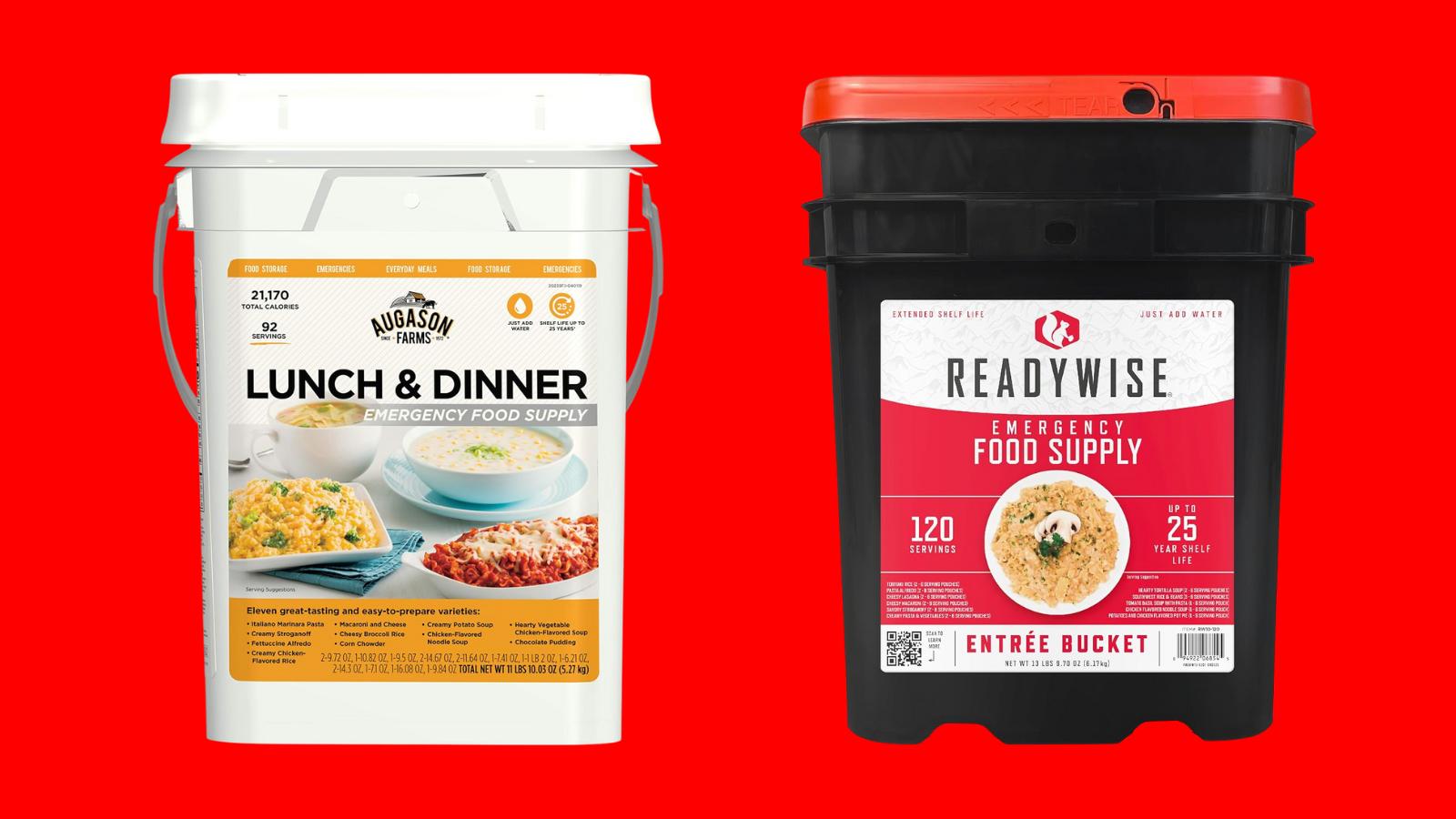
Most emergency food rations come with expiration dates ranging from 5 to 25 years. Freeze-dried meals usually last around 10 to 25 years, depending on packaging and storage. Canned emergency foods typically have a shelf life of 2 to 5 years, while dehydrated snacks often expire within 5 to 10 years.
Some manufacturers offer products with a shelf life that can extend beyond 25 years when stored properly. However, these are often more expensive and less common. Checking the packaging for specific dates and batch information is always a good practice.
Factors Affecting Shelf Life
Storage conditions play a major role in how long your emergency food remains edible. Heat, moisture, and exposure to air can all shorten the shelf life significantly. For example, storing food in a cool, dark, and dry place can help maintain its quality much longer.
Packaging type also matters. Vacuum-sealed and oxygen-absorbed packaging can extend shelf life by reducing exposure to elements that cause spoilage. On the other hand, damaged or improperly sealed packages can compromise the food’s safety.
Have you ever checked your emergency food stash only to find some items no longer look or smell right? This is a clear sign that shelf life has been compromised, and consuming those rations might be risky. Regularly inspecting your supplies can help you replace expired items before they become a problem.
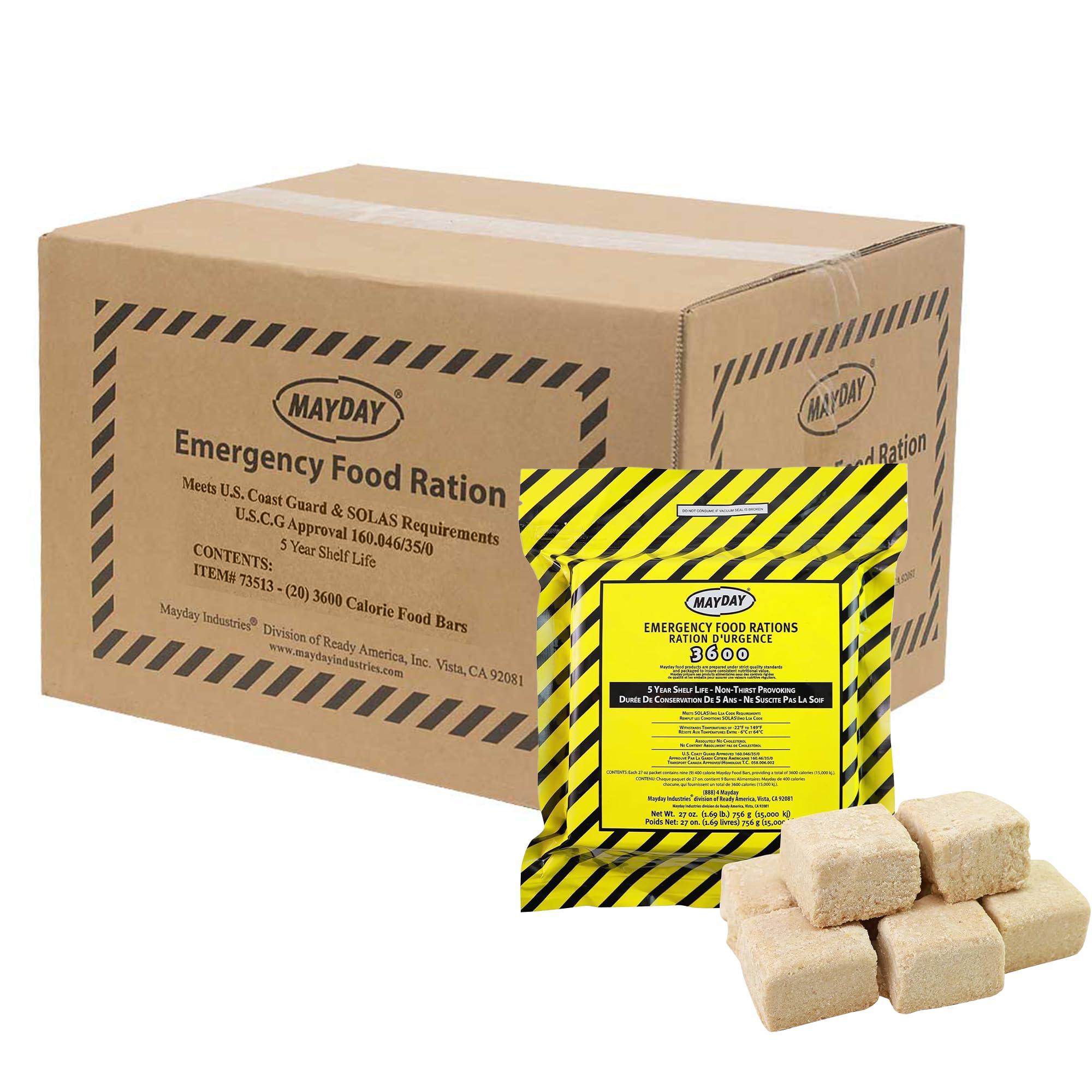
Credit: www.amazon.com
Types Of Emergency Food Rations
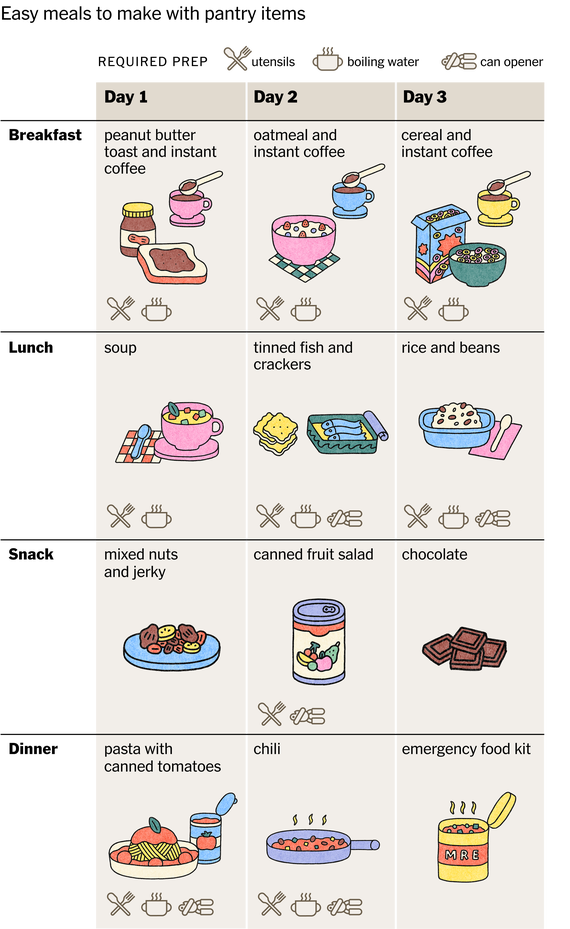
Emergency food rations come in different forms. Each type offers unique benefits for survival situations. Choosing the right kind depends on storage space, shelf life, and nutritional needs. Understanding these types helps in better preparation for emergencies.
Freeze-dried Meals
Freeze-dried meals are light and easy to carry. They last for many years without refrigeration. Water is added to rehydrate the food before eating. These meals keep most nutrients intact and taste good. Ideal for backpacking and long-term storage.
Canned Foods
Canned foods are common in emergency kits. They include vegetables, meats, and soups. Cans protect food from air and bacteria. They have a long shelf life but are heavier. Easy to store and ready to eat after heating.
Energy Bars And Snacks
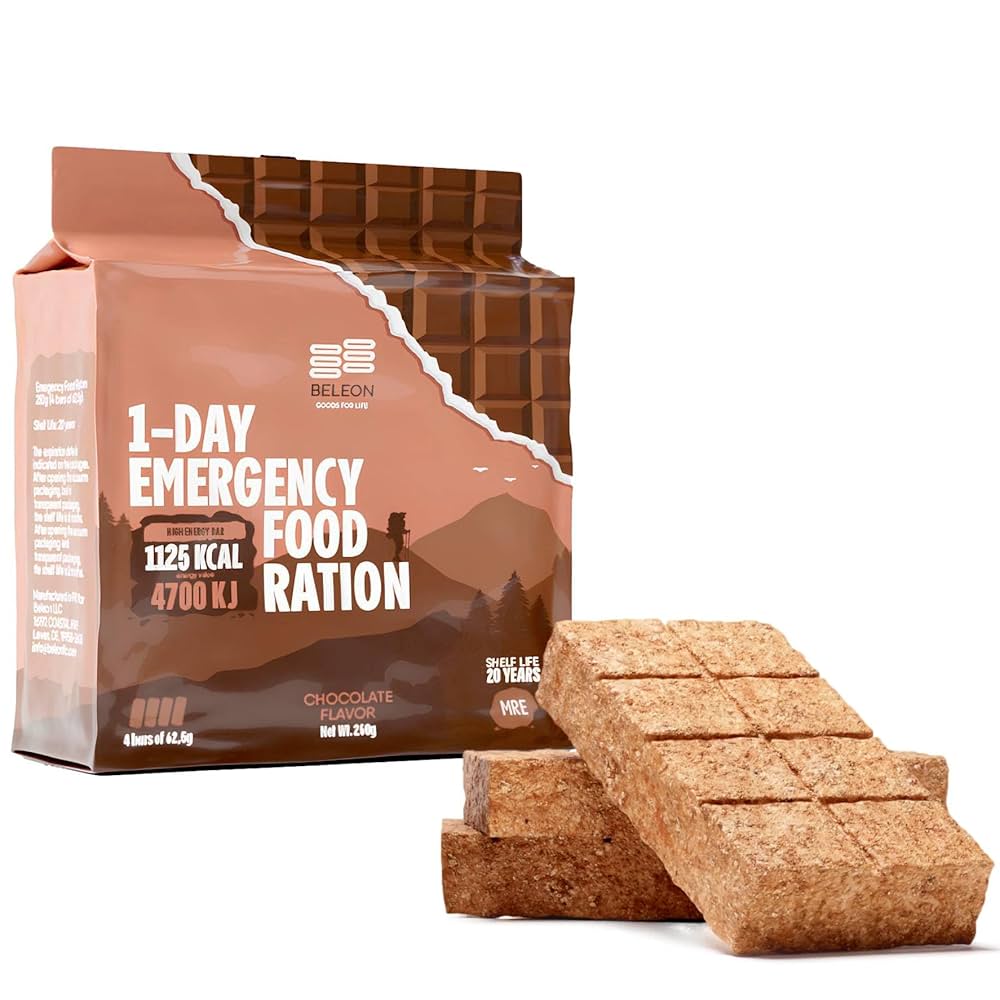
Energy bars and snacks provide quick fuel. They are compact and have a long shelf life. Perfect for fast energy during emergencies. Often high in calories, sugars, and proteins. Great for short-term hunger and on-the-go use.
Storage Conditions And Their Impact
Storage conditions greatly affect the shelf life of emergency food rations. Proper care helps keep food safe and nutritious for longer. Poor storage can cause spoilage and nutrient loss.
Temperature Effects
Temperature plays a key role in food preservation. High heat speeds up chemical reactions that spoil food. Cold temperatures slow down these reactions, extending shelf life. Avoid storing emergency rations near heaters or in direct sunlight. Keep them in cool, stable places for best results.
Humidity And Packaging
Moisture can ruin emergency food quickly. High humidity causes mold, swelling, and texture changes. Packaging helps protect food from moisture and air. Vacuum-sealed and airtight containers work best. Check packaging for damage before storing. Replace any broken seals to avoid spoilage.
Proper Storage Tips
- Store food in a cool, dry place away from sunlight.
- Keep emergency rations off the floor to prevent moisture contact.
- Use airtight containers or reseal opened packages tightly.
- Rotate stock regularly; consume older items first.
- Check food periodically for signs of damage or spoilage.
Signs Food Rations Have Gone Bad
Emergency food rations are designed to last long, but they do expire eventually. Knowing the signs that food rations have gone bad helps avoid eating spoiled food. Checking them regularly keeps your supply safe and fresh. Some changes in appearance, smell, taste, and texture signal spoilage.
Visual Indicators
- Look for discoloration or dark spots on the food.
- Check for mold growth inside the packaging.
- Swollen or damaged packaging can mean contamination.
- Presence of bugs or foreign particles is a bad sign.
Smell And Taste Changes
- Sour or rancid odors suggest the food is spoiled.
- Unusual or off smells mean the food is unsafe.
- Taste a tiny bit only if it smells normal.
- Bitter or strange flavors indicate spoilage.
Texture Alterations
- Sticky, slimy, or mushy textures show decay.
- Hard or dry spots may mean the food is old.
- Crystals or grainy textures can signal chemical changes.
- Loss of crunch or firmness affects food quality.
Safety Precautions Before Consumption
Check the expiration date printed on emergency food rations before eating. Inspect packaging for damage or swelling, which may indicate spoilage. Smell and taste a small amount first to ensure safety.
Safety should always be your top priority when considering consuming emergency food rations. You don’t want to find yourself in a situation where you’re relying on these rations only to discover they’re no longer safe to eat. A few simple checks can ensure your emergency supplies remain a reliable resource when you need them most.Checking Expiration Dates
Always start by examining the expiration date on the packaging. It’s easy to overlook these dates, especially if you stockpile food supplies. However, consuming expired food can lead to health issues, so it’s crucial to ensure your rations are still within their safe consumption period.Inspecting Packaging Integrity
Even if the expiration date is acceptable, inspect the packaging for any signs of damage. Look for tears, punctures, or leaks that could indicate the food inside has been compromised. Packaging integrity is your first line of defense against contamination, so don’t underestimate its importance.When To Discard
If you notice any unusual odors, colors, or textures, it’s best to err on the side of caution and discard the item. Trust your instincts—if something seems off, it’s better to be safe than sorry. Think of it as an investment in your health and well-being during emergencies. By taking these precautions, you can ensure that your emergency food rations are both safe and reliable, providing peace of mind when it matters most. Are you prepared to make these checks a regular part of your emergency preparedness routine?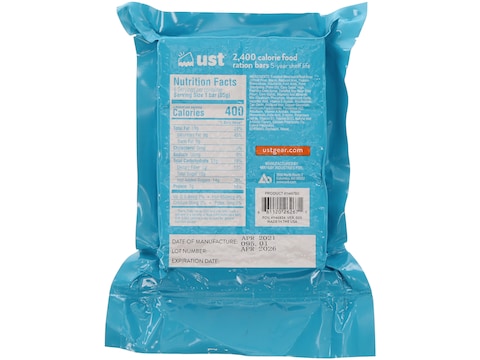
Credit: www.midwayusa.com
Extending Shelf Life Of Emergency Food
Extending the shelf life of emergency food ensures it stays safe and nutritious for longer periods. Proper storage and handling can slow down spoilage. This helps you maintain a reliable food supply during emergencies.
Vacuum Sealing
Vacuum sealing removes air from the packaging. This limits oxygen exposure, which causes food to spoil. It also helps prevent moisture and bacteria from getting inside. Vacuum-sealed food lasts much longer than food stored in regular packaging.
This method keeps food fresh and protects its flavor and texture. It is ideal for storing dry goods, freeze-dried meals, and dehydrated foods.
Cool And Dry Storage
Storing emergency food in a cool, dry place slows down chemical reactions. Heat speeds up food degradation and nutrient loss. Moisture can cause mold and spoilage.
Choose a storage spot away from sunlight and heat sources. A pantry, basement, or closet with low humidity works well. Keep food off the floor and away from walls to avoid temperature changes and dampness.
Regular Rotation Practices
Rotating emergency food means using the oldest stock first. This practice prevents food from expiring unused. Check expiration dates and plan meals around them.
Buy replacement items regularly to keep your supply fresh. Label food with purchase dates to track age easily. Regular rotation reduces waste and ensures your emergency food is always ready.
Emergency Food Ration Myths
Many people have wrong ideas about emergency food rations. These myths cause confusion and worry. Knowing the facts helps you prepare better and avoid panic. Let’s clear up some common myths about emergency food rations.
Expiration Dates Are Always Fixed
Expiration dates on emergency food rations are not always exact. They show the best time to eat the food. After this date, the food might lose taste or texture. It does not mean the food is unsafe immediately. Proper storage in cool, dry places can extend shelf life. Always check packaging and smell or look at food before use.
All Emergency Foods Last Forever
Not all emergency food lasts forever. Some foods spoil faster than others. Canned goods and freeze-dried meals have longer shelf lives. Fresh foods or foods with moisture spoil quickly. Pack food designed for long storage and rotate stock regularly. This keeps your emergency supplies fresh and ready.
Frequently Asked Questions
Do Emergency Food Rations Have An Expiration Date?
Yes, emergency food rations do expire. Their shelf life varies by type, usually ranging from 5 to 25 years. Proper storage can extend usability but always check the packaging for exact dates.
How Can I Tell If Emergency Food Rations Are Still Safe?
Check for changes in color, smell, and texture. If the packaging is damaged or swollen, discard the food. When in doubt, it’s safer to replace expired rations.
Can Expired Emergency Food Rations Cause Illness?
Consuming expired emergency food rations can lead to foodborne illnesses. Nutritional value also declines over time. Avoid eating rations past their expiration to stay safe.
How Should I Store Emergency Food Rations To Extend Shelf Life?
Store rations in a cool, dry, and dark place. Avoid exposure to heat, moisture, and sunlight. Proper storage helps maintain freshness and extends shelf life significantly.
Conclusion
Emergency food rations do have expiration dates. These dates help keep you safe. Eating expired rations might cause stomach problems. Store your food in a cool, dry place. Check packages often for damage or swelling. Rotate your stock to use older items first.
Keep track of expiration dates with a list. Proper storage can extend the food’s shelf life. Always prepare for emergencies with fresh supplies. Stay safe and ready by managing your emergency food well.