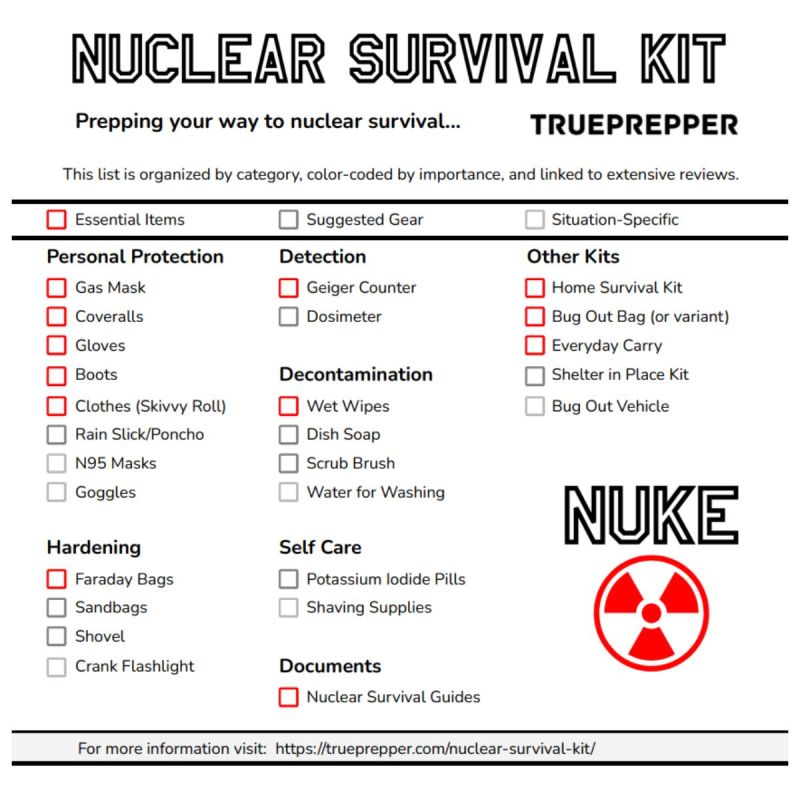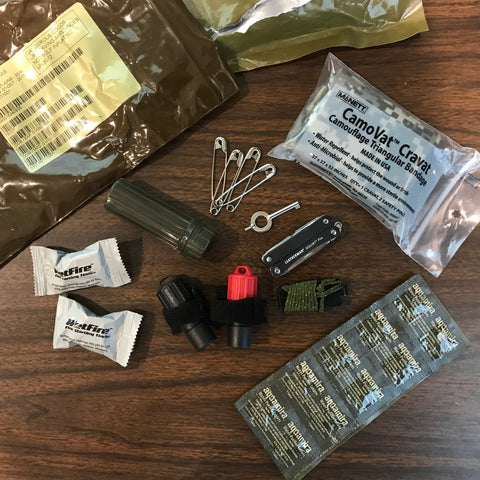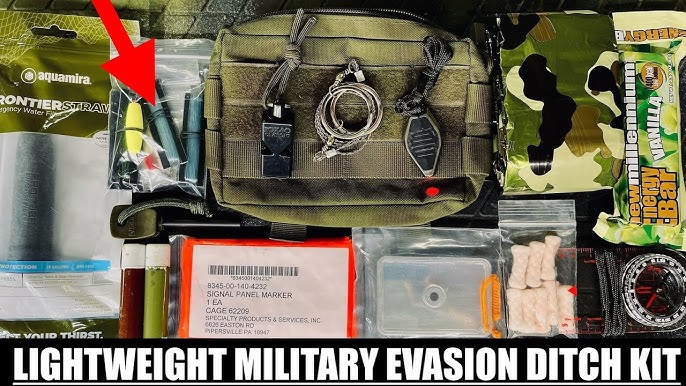
Imagine waking up to a world overrun by zombies. What would you do?
Would you be ready to protect yourself and your loved ones? Building your own zombie survival kit is not just a fun idea—it could be the key to staying safe when chaos strikes. In this guide, you’ll discover exactly what you need and how to prepare without spending a fortune.
Ready to take control of your safety? Keep reading, because your survival starts here.
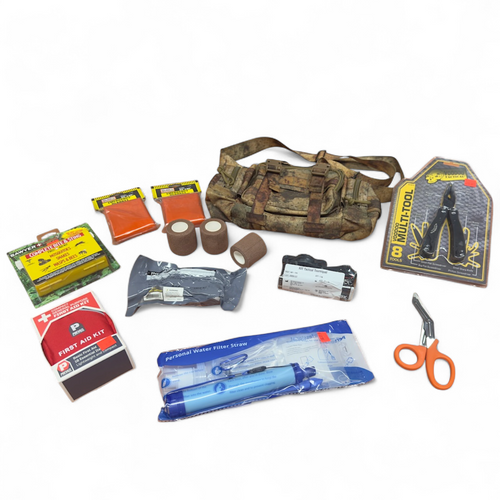
Credit: majorsurplus.com
Essentials For Your Kit
Building a DIY zombie survival kit means packing smart and light. Essentials focus on basics that support life and safety. Every item should help you stay alive and comfortable.
Essentials cover food, water, health, clothing, and shelter. These categories form the backbone of your survival kit. Each category needs practical and reliable items.
Food And Water Supplies
Food must be non-perishable and easy to carry. Choose items with high energy and long shelf life. Water is critical for survival. Carry enough for at least three days.
- Canned beans and vegetables
- Dry nuts and trail mix
- Energy bars and dried fruits
- Water bottles or hydration bladders
- Water purification tablets or filters
First Aid And Medical Items
Health is a top priority during any survival situation. A first aid kit must handle cuts, burns, and infections. Include basic medicines and tools for emergencies.
- Bandages and gauze pads
- Antiseptic wipes and ointments
- Pain relievers and allergy medicine
- Tweezers and scissors
- Medical gloves and face masks
Clothing And Shelter Gear
Proper clothing protects from weather and injury. Shelter gear keeps you safe and dry. Pack light but be ready for rough conditions.
- Durable, weatherproof jacket
- Extra socks and sturdy boots
- Compact sleeping bag or blanket
- Lightweight tarp or tent
- Rope and paracord
Tools And Equipment
Having the right tools and equipment is vital in a zombie survival kit. These items help you stay safe, find your way, and handle emergencies. Every tool should be reliable, easy to carry, and serve more than one purpose. This section covers essential gear that keeps you prepared and ready.
Navigation And Communication Devices
Finding your way without power is tough. A compass and a detailed map of your area can guide you through unknown places. A GPS device with extra batteries adds extra help. Communication tools keep you connected with others. A basic two-way radio works well when phones fail. Consider a whistle for silent signals and a notepad with a pencil for messages.
Multi-purpose Tools
Tools that do many jobs save space and weight. A quality multi-tool usually includes a knife, pliers, screwdriver, and scissors. A sturdy fixed-blade knife is essential for cutting and protection. A small folding shovel helps with digging or clearing paths. Carry duct tape and paracord to fix gear or build shelters. These tools help in many survival tasks.
Fire Starting Kits
Fire is crucial for warmth, cooking, and signaling. Waterproof matches or a lighter are simple and effective. A magnesium fire starter lasts long and works even when wet. Keep dry tinder like cotton balls soaked in petroleum jelly. Store all fire-starting items in a small, waterproof container. Fire kits must be easy to use and reliable in any weather.
Weapons And Defense
Weapons and defense form the backbone of any effective zombie survival kit. You need tools that not only keep you safe but also give you the confidence to face threats head-on. Choosing the right gear depends on your environment, skill level, and the resources you have on hand.
Ranged Weapons
Ranged weapons let you engage zombies from a distance, keeping you out of harm’s way. Bows and crossbows are excellent choices because they’re quiet, reusable, and require minimal maintenance. Firearms offer power and ease of use but demand regular cleaning and a steady supply of ammunition.
- Consider a reliable handgun for close encounters and a rifle for longer distances.
- Practice aiming regularly; accuracy is as important as firepower.
- Don’t forget to carry extra ammo and a cleaning kit to keep your weapon functional.
Melee Weapons
When zombies close in, melee weapons become your last line of defense. A sturdy baseball bat or a machete can be incredibly effective in tight spaces. I once had a chance to test a crowbar during a training session, and its balance made a huge difference in how quickly I could react.
- Choose weapons that are durable and easy to handle.
- Sharp blades require regular sharpening to stay effective.
- Practice swings to build strength and improve your response time.
Protective Gear
Protection is just as crucial as offense. Wearing thick gloves, reinforced boots, and a helmet can reduce injury risks significantly. I underestimated how important gloves were until I got scratched during a practice drill—those small wounds can lead to serious infections in a survival scenario.
- Layer your clothing to prevent bites and scratches.
- Consider a sturdy jacket made from tough materials like leather or Kevlar.
- Don’t forget eye protection and a face mask to guard against debris and bites.
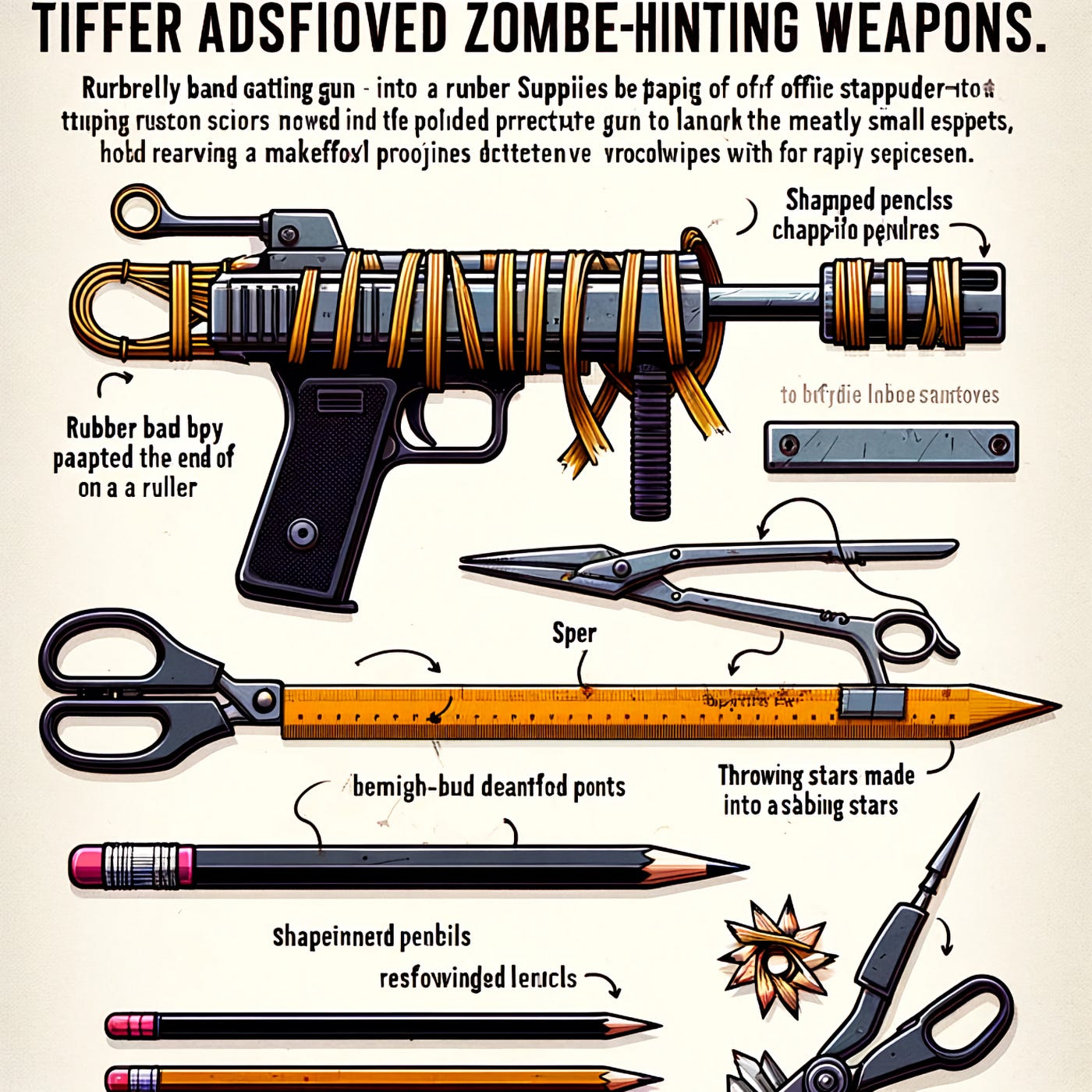
Credit: medium.com
Skills And Training
Building a zombie survival kit is not just about gathering supplies. Skills and training play a vital role in staying alive. Knowing how to defend yourself, find food, and treat injuries can save your life. Practice these skills regularly to be prepared.
Self-defense Techniques
Self-defense is crucial in a zombie outbreak. Learn simple moves to protect yourself from attacks. Focus on:
- Using your body weight effectively
- Targeting weak spots like eyes and throat
- Using everyday objects as weapons
Training in basic martial arts or defensive tactics helps build confidence. It also improves your reaction time during attacks.
Survival Skills
Survival skills help you live off the land. Practice finding clean water and building shelters. Learn to start fires without matches. Knowing how to navigate without a map is useful too.
- Identify edible plants and insects
- Set traps for small animals
- Use a compass and natural signs for direction
These skills reduce dependence on your kit’s supplies. They increase your chances in long-term survival.
Medical Training
Medical training saves lives during emergencies. Learn basic first aid for wounds, burns, and fractures. Know how to stop bleeding and prevent infections.
- Clean and dress wounds properly
- Perform CPR and rescue breathing
- Recognize signs of shock and dehydration
Keep a small medical guide in your kit. Practice these skills regularly to stay confident and ready.
Choosing The Right Backpack
Choosing the right backpack for your DIY zombie survival kit is crucial. It’s more than just a bag; it’s your lifeline when things go sideways. The right backpack keeps your gear organized, accessible, and ready for action.
Durability And Capacity
Your backpack needs to withstand rough conditions. Look for materials like heavy-duty nylon or polyester with water-resistant coatings. These fabrics endure rain, scrapes, and heavy loads without falling apart.
Capacity matters too. You want enough space to fit essentials like water, food, first aid, and tools without overloading yourself. A backpack between 30 to 50 liters usually hits the sweet spot for most survival kits.
Think about compartments. Multiple pockets help separate items so you don’t waste time digging through everything. Would you rather fumble for your flashlight or grab it instantly?
Comfort And Fit
Carrying your survival kit can be tiring, especially during stressful situations. A backpack with padded shoulder straps and a breathable back panel reduces strain on your body. Adjustable straps let you customize the fit to your frame.
Don’t ignore the waist and chest straps. They stabilize the load and prevent the bag from bouncing as you move. Imagine running from zombies with a shaky backpack—how much harder would that be?
Try your backpack with weight inside before finalizing your choice. Does it sit well on your hips? Is the weight evenly distributed? Comfort can make a difference between pushing through or giving up when it matters most.
Maintaining Your Kit
Maintaining your DIY zombie survival kit is essential for readiness. A well-kept kit ensures you can rely on it during emergencies. Regular attention helps avoid surprises when you need it most.
Regular Inventory Checks
Check your kit contents every few months. Look for missing or damaged items. Organize everything neatly for quick access. Use a checklist to track what you have. This habit keeps your kit complete and ready.
Replacing Expired Items
Inspect expiration dates on food, medicine, and batteries. Replace anything past its date immediately. Fresh supplies keep your kit safe and effective. Store new items in the same spot to avoid confusion. This simple step extends the life of your survival kit.
Creating A Safe Haven
Creating a safe haven is the cornerstone of any effective DIY zombie survival kit. Your survival depends not just on what you carry but where you shelter. Picking the right spot and making it secure can mean the difference between safety and danger.
Location Selection
Choose a spot that is easy to defend and has limited access points. Avoid places near busy roads or densely populated areas where zombies or other threats might gather.
Look for natural barriers like hills, rivers, or dense forests that can slow down any approaching danger. Having a water source nearby is a bonus but make sure it’s safe and not attracting unwanted visitors.
Think about escape routes. Can you leave quickly if the situation gets worse? A location with multiple exits gives you options, which is crucial when every second counts.
Fortification Strategies
Start by reinforcing doors and windows with sturdy materials like plywood or metal sheets. Don’t just block entrances; create layers of barriers that slow down intruders.
- Use furniture or heavy objects to barricade points of entry.
- Install simple alarms or noise traps to alert you of movement outside.
- Consider digging trenches or placing obstacles to prevent vehicles or large groups from approaching easily.
Lighting can be a double-edged sword. Use it to see outside but avoid attracting attention at night. Strategically placed lights with covers can help you spot movement without giving away your position.
Remember, fortifications are only as good as your vigilance. How often will you check your defenses? Staying alert and maintaining your safe haven is an ongoing task that can’t be ignored.
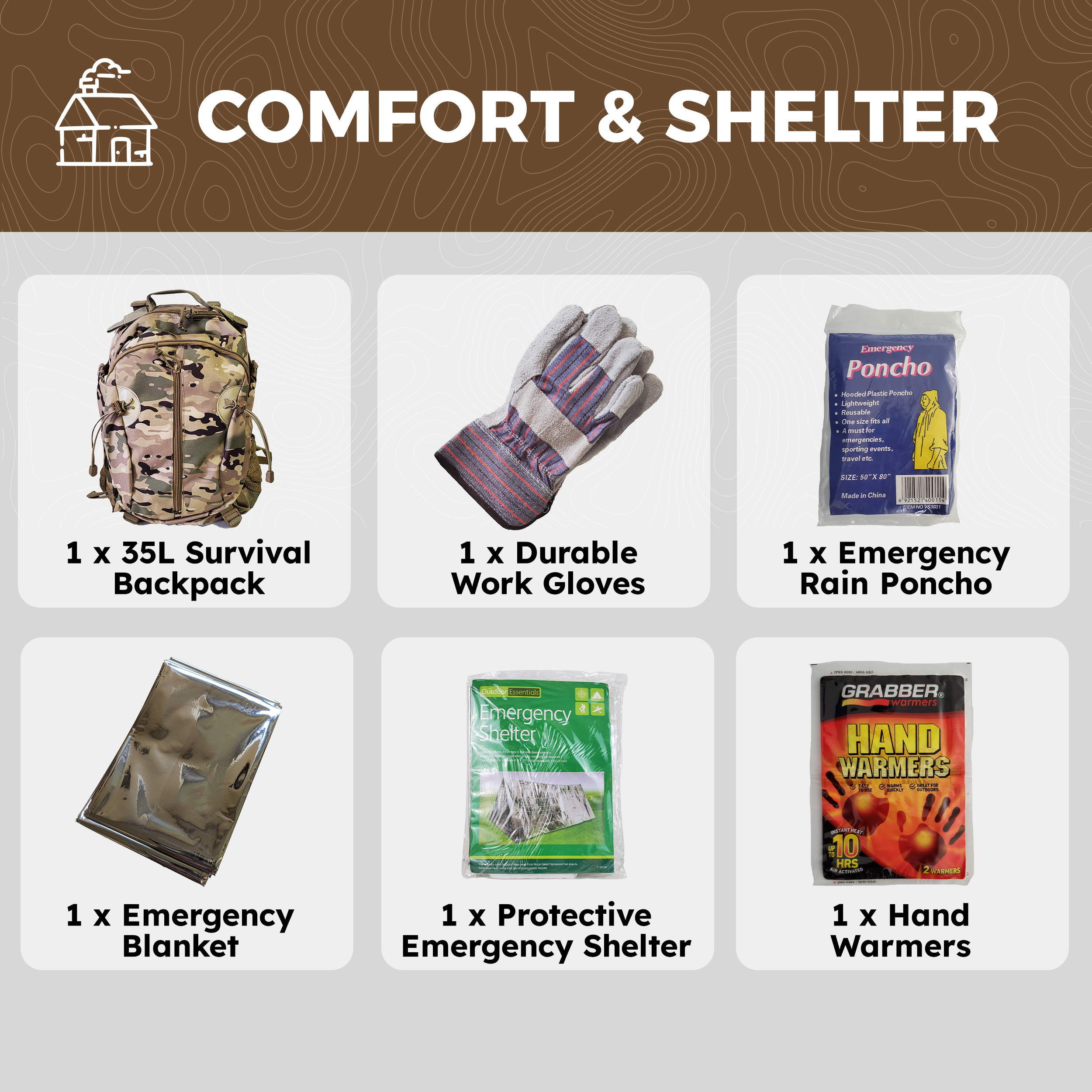
Credit: www.siriussurvival.com
Emergency Plans
Emergency plans form the backbone of any effective zombie survival kit. They guide your actions during chaos and keep everyone safe. Planning helps avoid confusion and panic. Clear steps ensure quick responses to threats.
Prepare your plans carefully. Think about where to go and how to stay in touch. Practice these plans often to build confidence and speed.
Evacuation Routes
Identify multiple evacuation routes from your home and neighborhood. Choose paths that avoid busy roads and large crowds. Mark these routes on a map and keep it in your kit.
- Use quiet streets or trails to move safely.
- Plan routes to safe zones like community centers or open fields.
- Check routes regularly for changes or new hazards.
Have backup routes ready. Zombies or other dangers may block your main path. Share these routes with family and friends.
Communication Plans
Strong communication keeps your group connected during an emergency. Decide on methods to stay in touch without relying on phones alone.
- Choose meeting points if contact is lost.
- Use walkie-talkies or radios with pre-set channels.
- Establish signals or codes for quick messages.
Keep a list of important phone numbers and addresses. Share this list with everyone in your group. Regularly update contact information to avoid confusion.
Frequently Asked Questions
What Are The Essential Items For A Zombie Survival Kit?
A basic zombie survival kit includes water, non-perishable food, a first aid kit, flashlight, batteries, and a reliable weapon. These items ensure hydration, nutrition, safety, and defense during a zombie outbreak.
How Can I Build A Diy Zombie Survival Kit On A Budget?
Focus on affordable, multi-purpose items like canned food, water purification tablets, and sturdy tools. Prioritize essentials and reuse household items to save money while staying prepared.
Where Should I Store My Zombie Survival Kit For Emergencies?
Store your kit in a cool, dry, and easily accessible place. Choose a sturdy container and keep it near your exit points for quick evacuation.
How Often Should I Update My Zombie Survival Kit Supplies?
Check and update your kit every six months. Replace expired food, batteries, and medical supplies to keep your kit effective and ready.
Conclusion
Building your own zombie survival kit takes time and care. Choose items that keep you safe and ready. Practice using your tools often. Stay calm and think clearly during emergencies. A good kit helps you face tough situations. Keep updating your supplies as needed.
Preparedness can make a big difference. Your safety depends on your actions today. Start small, stay steady, and stay safe.