Have you ever wondered if the coronavirus can live on your clothes? You might touch your shirt, jacket, or mask and ask yourself, “Is it safe?” Knowing how long the virus survives on cloth can help you protect yourself and your loved ones better.
You’ll discover simple facts about the virus on fabric and learn easy steps to keep your clothing safe. Keep reading—your health and peace of mind depend on it.
Coronavirus Transmission Basics
Understanding how coronavirus spreads helps prevent infection. The virus moves mostly from person to person through tiny droplets. These droplets come out when people cough, sneeze, or talk. They can land on surfaces or be breathed in by others nearby.
The virus can survive on many surfaces for some time. Knowing where it lives and how it spreads is key to staying safe.
How Coronavirus Spreads
The main way coronavirus spreads is through close contact. Being within six feet of someone who has the virus increases risk. Droplets from their mouth or nose can enter another person’s body.
Surface Transmission
Virus droplets can land on objects and surfaces. Touching these surfaces and then touching your face can cause infection. The virus survives longer on hard surfaces like plastic and metal.
Airborne Possibility
In some cases, tiny droplets stay in the air for minutes or hours. Enclosed spaces with poor ventilation increase this risk. Wearing masks helps reduce inhaling these airborne particles.
Role Of Cloth In Virus Survival
Cloth surfaces absorb droplets, which affects virus survival time. The virus usually does not live as long on fabric as on hard surfaces. Washing cloth items regularly removes the virus effectively.
Virus Longevity On Surfaces
The longevity of the coronavirus on surfaces has been a critical concern throughout the pandemic. Understanding how long the virus can survive helps you make better decisions about cleaning and safety. Different surfaces hold the virus for varying amounts of time, and this can affect the risk of transmission.
Factors Affecting Survival Time
Temperature plays a big role in how long the virus lives on a surface. Higher temperatures usually reduce the survival time, while colder environments can extend it. Humidity also matters; dry conditions tend to shorten the virus’s life, whereas moist air can help it linger longer.
Another important factor is the type of surface itself. Porous materials like cloth absorb moisture, which can trap the virus inside and reduce its ability to infect. On the other hand, smooth and non-porous surfaces such as plastic or metal allow the virus to stay active for longer periods.
Have you ever noticed how some fabrics dry faster than others? That quick drying can actually help reduce virus survival. Also, sunlight exposure, especially UV light, can quickly inactivate the virus on surfaces.
Comparing Different Materials
| Material | Virus Survival Time | Notes |
|---|---|---|
| Cloth | Up to 1-2 days | Porous; virus tends to degrade faster due to absorption |
| Plastic | Up to 3-7 days | Non-porous; virus can remain infectious longer |
| Metal | Up to 2-3 days | Non-porous; depends on surface type and conditions |
| Cardboard | Up to 1 day | Porous; virus survives less time compared to plastic |
Knowing these differences can guide you in how you handle various items. For instance, if you drop your mask on a hard surface, it might hold the virus longer than if it falls on your clothes. This can affect how often you need to wash or disinfect personal items.
Have you thought about how often you touch your phone or keys? These are usually plastic or metal and can harbor the virus longer than your fabric clothes. Regular cleaning of these items is just as important as washing your clothes.
Cloth As A Surface
Cloth is a common surface in daily life. People use it in clothes, masks, and household items. Understanding how coronavirus behaves on cloth helps us stay safer. The virus can land on fabric, but its survival depends on fabric type and conditions. Scientists have studied many fabrics to see how long the virus lasts.
Types Of Fabrics Analyzed
- Cotton: Soft and porous, used in T-shirts and masks
- Polyester: Synthetic, smooth texture, common in sportswear
- Wool: Thick and warm, found in sweaters and coats
- Silk: Smooth and delicate, used in scarves and ties
- Blended fabrics: Mix of natural and synthetic fibers
Each fabric has a different ability to hold virus particles. Porous fabrics like cotton absorb moisture, which may reduce virus survival. Smooth, non-porous fabrics like polyester might allow virus particles to stay longer on the surface.
Experimental Studies On Cloth
Researchers placed the virus on different fabrics and tested its survival time. Most studies show the virus lasts fewer hours on cloth than on plastic or metal. Virus particles on cotton often become inactive within a few hours.
Environmental factors like temperature and humidity also affect virus survival. Higher temperatures and sunlight can reduce the virus’s lifespan on fabric. Washing fabric with soap or detergent kills the virus effectively.
These studies suggest cloth is less risky than hard surfaces. Still, regular cleaning of fabric items remains important. Using masks made from multiple fabric layers can help block virus spread.
Influence Of Environmental Conditions
The survival of the coronavirus on cloth is not just about the fabric itself but heavily influenced by the environment around it. Understanding how different conditions affect the virus can help you manage risks better and keep your surroundings safer. Let’s look closely at how temperature, humidity, sunlight, and ventilation play roles in this.
Temperature And Humidity Impact
Temperature can drastically change how long the virus stays active on cloth. Higher temperatures tend to reduce the virus’s survival time, while cooler conditions may allow it to linger longer. Think about how your winter clothes, stored in a cold closet, might hold onto germs more than summer clothes left out in warm rooms.
Humidity also matters. Low humidity can dry out the virus quickly, but very high humidity might help it survive longer on fabric. Have you noticed how damp clothes take longer to dry and sometimes feel musty? That moisture can create a temporary safe spot for the virus.
- Warm and dry conditions shorten virus survival.
- Cold and damp environments may extend it.
- Maintaining balanced indoor humidity (around 40-60%) can reduce risk.
Sunlight And Ventilation Effects
Sunlight, especially UV rays, works against the coronavirus. Exposure to direct sunlight can inactivate the virus on cloth much faster than indoor lighting. This means airing out clothes or placing them under the sun can be a simple yet effective step to reduce viral presence.
Ventilation plays a crucial role too. Fresh air circulation helps disperse viral particles and lowers the chance of contamination on surfaces, including fabrics. If you hang your clothes in a well-ventilated area, you’re giving the virus fewer chances to survive.
- Direct sunlight exposure reduces virus viability quickly.
- Good airflow helps dry fabrics and remove airborne virus particles.
- Combining sunlight and ventilation is an easy way to keep cloth safer.
Cleaning And Disinfection Methods
Cleaning and disinfection play a key role in reducing coronavirus on cloth surfaces. Proper methods can remove and kill the virus effectively. Understanding which detergents and washing techniques work best helps keep fabrics safe and clean.
Effective Detergents And Solutions
Regular laundry detergents break down virus particles on cloth. Detergents with surfactants lift dirt and germs from fabric fibers. Use a detergent designed for the fabric type to avoid damage.
Disinfecting solutions can add extra protection. Adding bleach or disinfectants approved for fabrics kills remaining viruses. Always check product labels for safe use on cloth.
- Use liquid or powder detergents with proven cleaning power
- Add bleach for white or color-safe options when suitable
- Consider disinfectant additives compatible with fabric material
- Follow instructions carefully to avoid harming fabrics or skin
Best Practices For Washing
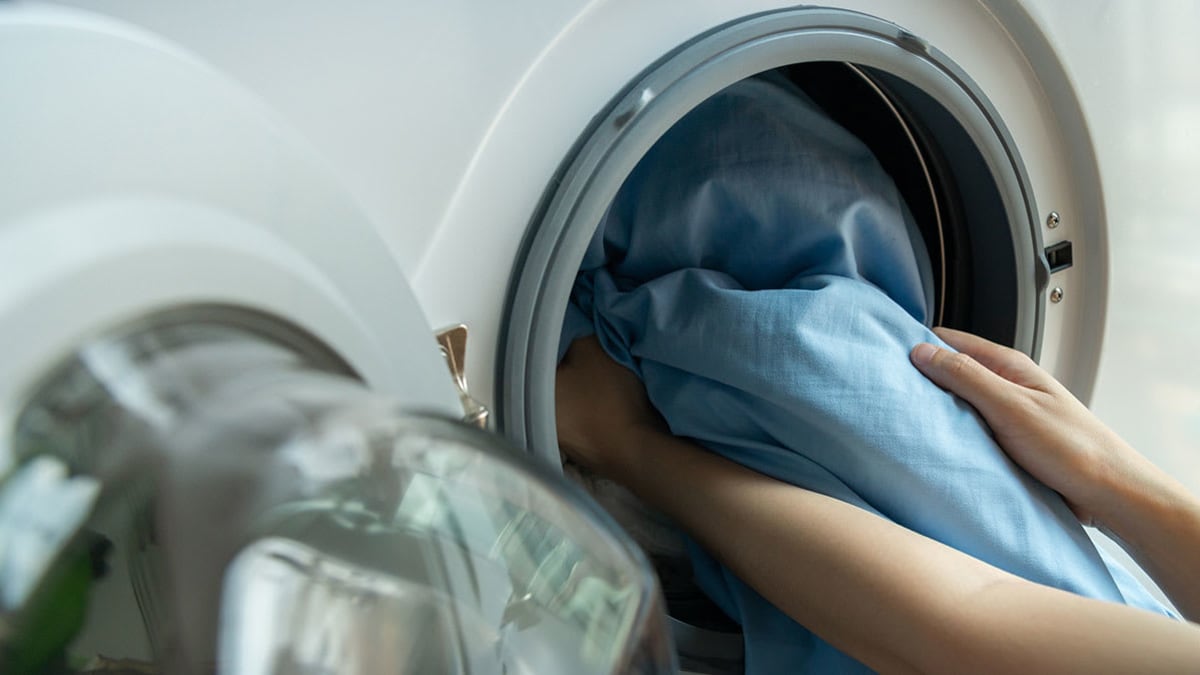
Wash cloth items at the highest temperature safe for the fabric. Hot water helps destroy viruses and bacteria. Use a full wash cycle for thorough cleaning.
Dry fabrics completely after washing. Heat from dryers can kill viruses left after washing. If air drying, place items in direct sunlight when possible.
- Sort laundry by color and fabric type
- Use hot water settings recommended for the fabric
- Run a complete wash and rinse cycle
- Dry in a heated dryer or under direct sunlight
- Handle clean laundry with clean hands to avoid recontamination

Credit: www.goodrx.com
Health Implications And Precautions
Understanding how coronavirus behaves on cloth is important for health safety. The virus can survive on fabric for some time, posing risks. Taking the right precautions protects you and those around you. Knowing the risks helps in making smart choices daily.
Risks Of Virus Transfer From Cloth
Cloth can hold virus particles after contact with infected droplets. Touching contaminated fabric and then touching your face can spread the virus. The virus survives longer on some materials than others. Dry cloth reduces virus survival time compared to damp cloth. Shared or unwashed clothes increase the chance of virus transfer. Careless handling of masks or clothes can raise infection risk.
Safety Measures For Daily Life
- Wash clothes regularly with hot water and detergent.
- Use a dryer on high heat to kill virus particles.
- Avoid sharing clothes, towels, or masks with others.
- Handle masks by the ear loops to reduce contamination.
- Wash hands immediately after touching potentially contaminated fabric.
- Store used clothes in a separate bag before washing.
- Disinfect laundry baskets and hamper surfaces often.
Public Perceptions And Misconceptions
Public perceptions about the coronavirus survival on cloth vary widely. Many people have fears about how long the virus can live on fabric. These fears shape daily habits, like how often clothes are washed or whether masks are reused. Some beliefs are based on facts, others on misunderstandings. Clearing up these misconceptions helps people make smarter health choices.
Common Myths Debunked
- The virus survives on cloth for days. Reality: It usually lasts only a few hours.
- Wearing cloth masks is unsafe. Reality: Masks reduce virus spread effectively.
- Washing clothes once is not enough. Reality: Normal washing kills most viruses.
- Touching fabric is a major infection risk. Reality: Surface transmission is less common than airborne.
- Sunlight kills the virus on cloth immediately. Reality: Sunlight helps but takes time.
Role Of Media In Information Spread
The media plays a key role in shaping views. News reports can cause panic or calm. Some stories simplify complex science, leading to wrong ideas. Social media spreads information fast, but accuracy varies.
Visuals and headlines often focus on worst-case scenarios. This increases fear but not understanding. Reliable sources explain virus survival clearly and calmly. People benefit from checking facts before sharing news.

Credit: www.universityhealth.com
Future Research Directions
The question of how long coronavirus can survive on cloth remains vital as we navigate health and safety in everyday life. Understanding this better will help you make smarter choices about washing, handling, and using fabrics. Future research aims to close the gaps in what we know and bring practical solutions closer to your daily routine.
Ongoing Studies And Innovations
Researchers worldwide are closely monitoring how the virus behaves on different types of cloth under various conditions. These studies often test factors like humidity, temperature, and fabric weave to see how they affect virus survival.
You might be surprised to learn that some fabrics might actually reduce virus lifespan faster than others. Scientists are also testing real-world scenarios, such as how virus particles transfer from cloth to hands or other surfaces.
Ongoing innovations include using advanced microscopes and molecular techniques that give more precise insights into virus activity on fabrics. This research could soon offer you clearer guidelines on how to treat your clothes and masks to stay safe.
Potential Developments In Fabric Technology
The future could bring fabrics designed to actively reduce or eliminate viruses on contact. Imagine clothing or masks that not only block viruses but also neutralize them without extra washing.
Researchers are experimenting with embedding antiviral agents into textiles. These could be natural substances or specially designed chemicals that remain effective even after multiple washes.
Would you consider wearing clothes treated with such technology if it meant extra protection? Practical challenges like comfort, cost, and environmental impact are also part of ongoing research.
As these fabric technologies evolve, you might soon see everyday textiles that help reduce infection risks while fitting seamlessly into your lifestyle. How would this change your approach to hygiene and safety?

Credit: famurgentcare.com
Frequently Asked Questions
How Long Does Coronavirus Survive On Cloth Surfaces?
Coronavirus can survive on cloth for up to 1-2 days, depending on fabric type and environmental conditions. Proper washing reduces the virus effectively.
Can Washing Clothes Kill The Coronavirus Virus?
Yes, washing clothes with detergent and hot water kills coronavirus by breaking down its lipid envelope, ensuring safe fabric use.
Is Dry Cleaning Effective Against Coronavirus On Clothes?
Dry cleaning uses solvents that can deactivate coronavirus, making it effective for disinfecting clothes and reducing viral presence.
How To Safely Handle Clothes Exposed To Coronavirus?
Handle exposed clothes with gloves, avoid shaking them, and wash immediately in hot water with detergent to minimize infection risk.
Conclusion
Coronavirus can survive on cloth for some hours to days. Washing clothes regularly helps remove the virus effectively. Using hot water and detergent kills most germs on fabric. Avoid touching your face after handling unwashed clothes. Drying clothes thoroughly also lowers the risk of virus survival.
Clean your hands well after touching cloth surfaces outside. Staying careful with fabric hygiene supports your health and safety. Simple steps make a big difference in preventing virus spread. Keep your clothes clean and protect yourself and others.


