Have you ever wondered if the clothes you wear can carry the Covid-19 virus? You might be touching your jacket, your shirt, or even your shoes and asking yourself, “Is it safe?” Knowing how long Covid-19 survives on your clothes can help you protect yourself and your loved ones.
This simple knowledge could change how you handle laundry, choose what to wear, or even how you move around in public. Keep reading to discover the facts that every one of us needs to know right now.
Virus Transmission Basics
Understanding how viruses spread is key to protecting yourself and others. Covid-19, like many viruses, moves through tiny droplets and can land on surfaces, including clothes. Knowing the basics of virus transmission helps you make smart choices about hygiene and safety in daily life.
How Viruses Spread From Person To Person
Viruses mainly spread through droplets when an infected person coughs, sneezes, or talks. These droplets can directly enter your mouth, nose, or eyes if you’re close enough. They can also land on objects or clothing, making it possible to catch the virus by touching those surfaces and then touching your face.
The Role Of Surfaces In Transmission
Surfaces act like temporary homes for viruses. Some materials hold viruses longer than others. For example, hard surfaces like plastic and metal can keep the virus alive for days, while porous materials like fabric usually hold it for a shorter time.
Clothes And Virus Survival
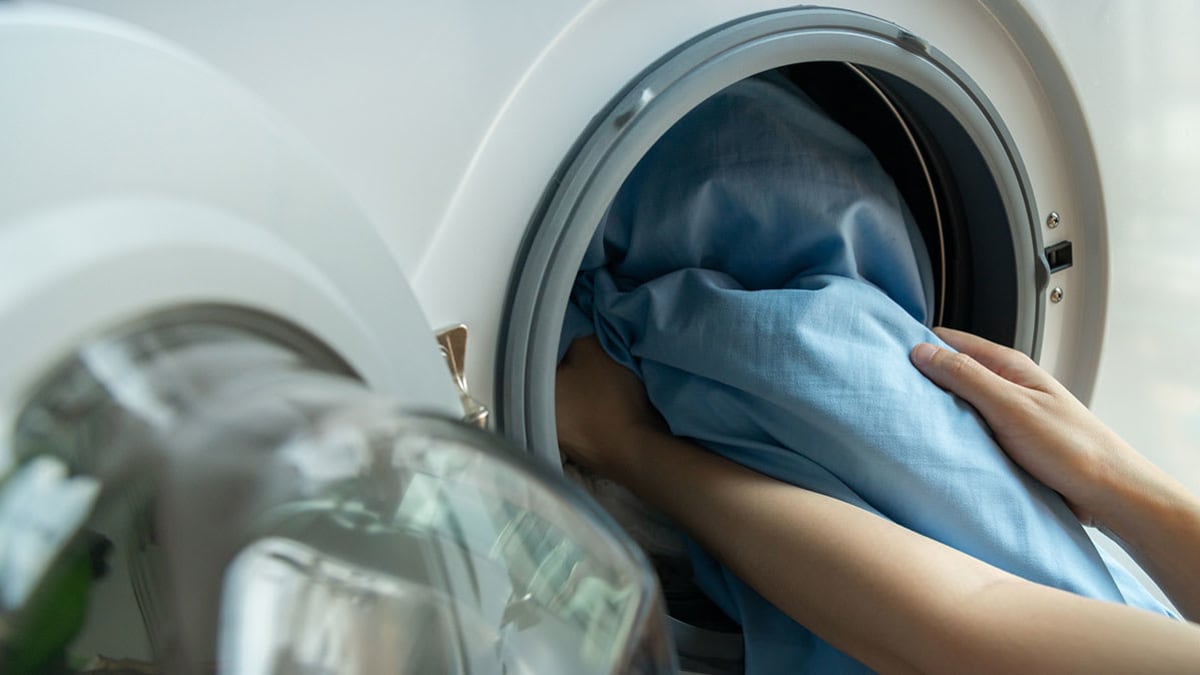
Clothes are made of fibers that absorb moisture, which can reduce the virus’s survival time. Still, if you touch contaminated clothing and then touch your face, you risk infection. Washing clothes regularly with detergent and drying them thoroughly helps remove or kill the virus.
Practical Tips To Minimize Transmission Through Clothes
- Avoid touching your face when handling clothes, especially in public places.
- Wash your clothes after returning home from crowded places.
- Use warm water and detergent for effective cleaning.
- Consider drying clothes in direct sunlight or using a dryer for extra disinfection.
Have you noticed how often you touch your clothes during the day? Being mindful of this habit can reduce your risk of catching or spreading the virus. What small change in your routine could make a big difference in staying safe?
Covid-19 Longevity On Surfaces
Understanding how long Covid-19 lasts on surfaces helps reduce infection risks. The virus behaves differently depending on the type of surface. Some surfaces allow the virus to survive longer, increasing chances of transmission. Clothes are one common surface people worry about. Examining Covid-19 longevity on clothes and other surfaces provides clearer safety guidance.
Factors Affecting Longevity
Several factors influence how long Covid-19 stays active on clothes and other surfaces. Temperature plays a key role; the virus survives longer in cooler conditions. Humidity also affects virus life span; higher moisture usually shortens its survival. Fabric type matters too. Porous materials like cotton absorb droplets, reducing virus survival. Non-porous surfaces like plastic hold the virus longer. Exposure to sunlight or UV light can inactivate the virus quickly. The amount of virus initially present changes how long it remains infectious.
Comparison With Other Surfaces
| Surface | Covid-19 Longevity | Notes |
|---|---|---|
| Clothes (Cotton) | Up to 1-2 days | Porous fabric absorbs virus, reducing survival |
| Plastic | Up to 3 days | Non-porous, virus remains longer |
| Stainless Steel | Up to 2-3 days | Common in households, virus survives well |
| Cardboard | Up to 1 day | Porous but less absorbent than fabric |
| Glass | Up to 4 days | Smooth surface, virus can last longer |
Clothes generally allow less virus survival than hard surfaces. Washing clothes with detergent effectively removes the virus. Hard surfaces require regular cleaning to reduce risk. Knowing these differences helps maintain safer environments.
Clothing As A Surface
Clothing acts as a common surface that can carry viruses, including Covid-19. The virus does not live long on fabric compared to hard surfaces. Still, understanding how the virus behaves on different clothing materials helps reduce risks. Fabric type and texture influence virus survival time.
Types Of Fabrics
Natural fabrics like cotton, wool, and linen absorb moisture. This absorption can trap virus particles but also cause them to dry out faster. Synthetic fabrics such as polyester and nylon do not absorb moisture well. They tend to keep the virus on the surface longer because the virus stays moist.
Blended fabrics combine natural and synthetic fibers. Their virus survival rates vary depending on the mix. Thicker fabrics generally protect better by trapping droplets inside. Thin, smooth fabrics allow easier virus transfer.
Porous Vs Non-porous Materials
Clothing is mostly porous, meaning it has tiny holes that let air and liquids pass through. Porous materials dry quickly, reducing virus survival time. Non-porous surfaces like plastic or metal keep the virus alive longer because moisture remains on the surface.
Porous fabrics absorb droplets, causing the virus to lose strength faster. On non-porous materials, virus particles stay intact and infectious longer. Most clothing fabrics fall under porous materials, making them less risky for virus spread than hard surfaces.
Credit: www.lysol.com
Scientific Studies On Clothes
Scientists have studied how long Covid-19 can survive on clothes. These studies help us understand if clothes can spread the virus. Researchers test different materials and conditions. Their findings guide safety measures for daily life and healthcare settings.
Research Findings
Studies show that the virus can stay on fabric for hours to days. The exact time depends on fabric type and temperature. For example, cotton tends to hold the virus for less time than synthetic fibers.
Virus survival is shorter in warm, humid places. In cooler, dry conditions, the virus lasts longer. Washing clothes with detergent usually removes or kills the virus.
Researchers also found:
- Virus particles reduce quickly on porous surfaces like cloth.
- Direct transfer from clothes to hands is less likely than from hard surfaces.
- Handling clothes with clean hands lowers infection risk.
Limitations Of Studies
Many studies use lab conditions that differ from real life. They often test with high amounts of virus, which may not reflect daily exposure. The results might overestimate how long the virus survives on clothes.
Few studies examine virus spread through touching clothes. Most focus on virus presence, not actual infection risk. Differences in fabric types, washing methods, and virus strains add complexity.
More research is needed to fully understand risks related to clothes. Current evidence suggests normal washing and hygiene keep clothes safe.
Practical Safety Measures
Taking practical safety measures helps reduce the risk of Covid-19 spreading through clothes. Understanding how to handle and clean garments properly keeps you and others safe. These steps fit easily into daily routines.
Proper Handling Of Clothes
Handle clothes carefully to avoid virus transfer. Avoid shaking dirty clothes to prevent spreading virus particles.
- Use gloves when handling laundry from sick individuals.
- Keep dirty clothes separate from clean ones.
- Wash hands immediately after touching used clothes.
- Place clothes directly into the washing machine.
Washing And Sanitizing Tips
Wash clothes at the highest temperature safe for the fabric. Hot water helps kill viruses on fabric surfaces.
- Use regular detergent to clean clothes effectively.
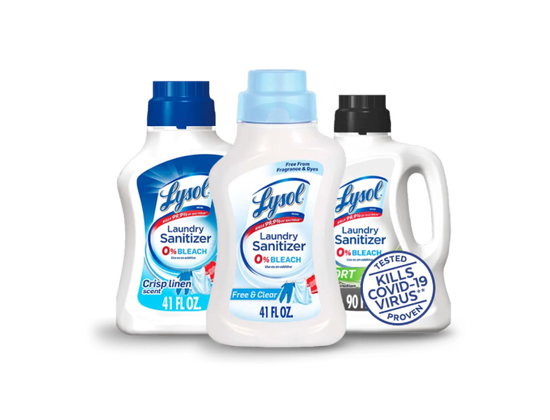
- Consider adding a disinfectant safe for fabrics.
- Dry clothes completely on high heat if possible.
- Iron clothes to add extra protection against germs.
- Clean laundry baskets and hampers regularly.
Role Of Temperature And Humidity
Temperature and humidity play a key role in how long Covid-19 survives on clothes. These factors affect the virus’s strength and ability to infect. Understanding this helps in reducing risks and keeping safe.
Impact On Virus Viability
Higher temperatures tend to weaken the virus faster. The heat breaks down the virus’s outer layer. This reduces its ability to infect. Low temperatures allow the virus to survive longer on fabrics.
Humidity also matters. Dry air can make the virus last longer on clothes. In contrast, high humidity often speeds up virus decay. The virus needs moisture to stay active but too much moisture harms it.
Environmental Considerations
Indoor spaces with controlled temperature and low humidity can help the virus survive. Outdoor sunlight and natural air flow reduce virus life on clothes. Washing clothes with warm water and drying them well is effective.
- Warm washing water kills the virus.
- Drying clothes in sunlight adds extra protection.
- High humidity environments may reduce virus survival time.
Keeping clothes clean and dry limits the risk of virus spread. Temperature and humidity are important to consider in daily routines.
Public Health Guidelines
Understanding how Covid-19 behaves on clothing is key to staying safe in daily life. Public health guidelines offer clear advice on minimizing risk and protecting yourself and others. These rules are based on scientific evidence and expert insight, making them reliable sources for your actions.
Expert Recommendations
Health experts emphasize that the virus does not survive long on porous surfaces like fabric. Still, touching contaminated clothes and then your face can pose a risk. Experts suggest washing clothes regularly, especially after being in public spaces or around others.
Using hot water and detergent effectively removes the virus. Avoid shaking dirty laundry to prevent spreading particles into the air. Drying clothes on high heat further reduces any chance of virus survival.
Preventive Strategies
To protect yourself, treat all worn clothes as potentially contaminated. Change out of your outdoor clothes as soon as you get home. Store them separately from clean clothes until you wash them.
- Wash clothes with regular detergent at the warmest temperature safe for the fabric
- Use gloves when handling laundry from someone who is sick
- Sanitize laundry baskets and hampers regularly
Have you considered how often your clothes get cleaned after a day out? Small habits like these can make a big difference in stopping the virus spread. Taking these simple steps keeps you safer without adding extra stress to your routine.

Credit: famurgentcare.com
Myths Vs Facts
There’s a lot of confusion about whether Covid-19 can survive on clothes. You might have heard stories that your jacket or shirt could be a virus carrier. It’s important to separate what’s true from what’s just a myth so you can take the right precautions without unnecessary worry.
Common Misconceptions
- Covid-19 stays active on clothes for days:Many believe the virus can linger on fabric for several days, making clothes a high-risk surface.
- Touching your clothes can easily infect you:Some people worry that simply brushing against contaminated clothing will lead to infection.
- Washing clothes once is not enough:There’s a fear that regular laundry doesn’t fully remove the virus.
Evidence-based Clarifications
Research shows that Covid-19 does not survive long on porous surfaces like fabric. The virus’s lifespan on clothes is generally short, often just a few hours. This is because porous materials absorb the virus, reducing its ability to infect.
Touching clothes is unlikely to cause infection unless you immediately touch your face without washing your hands. Viruses need a direct route to enter your body, so hand hygiene remains crucial.
Washing clothes with regular detergent and warm water effectively removes the virus. You don’t need special disinfectants or multiple washes. Simply follow your normal laundry routine and dry your clothes thoroughly.
Have you ever worried about your clothes after a day outside? Knowing these facts can help you focus on what really matters—like washing your hands regularly and wearing masks in crowded places—rather than stressing over your wardrobe.

Credit: sites.northwestern.edu
Frequently Asked Questions
How Long Does Covid-19 Survive On Clothes?
Covid-19 can survive on clothes for several hours to a few days. Survival depends on fabric type, temperature, and humidity. Porous materials like cotton reduce virus longevity. Washing clothes with detergent effectively removes and kills the virus.
Can Covid-19 Spread Through Contaminated Clothing?
Covid-19 transmission through clothing is unlikely but possible. The virus mainly spreads via respiratory droplets. Handling contaminated clothes may pose minor risk. Proper hygiene and regular washing reduce any potential spread through fabrics.
What Is The Best Way To Disinfect Clothes From Covid-19?
Washing clothes in warm water with detergent is effective. Use the highest water temperature safe for fabric. Dry clothes thoroughly using heat to kill the virus. Avoid shaking dirty laundry to minimize virus spread through air.
Should I Isolate Clothes After Exposure To Covid-19?
Isolating clothes is not mandatory but can be helpful. Store exposed clothes separately until washing. Avoid direct contact with contaminated fabrics. Regular washing and hygiene practices are sufficient to prevent virus transmission.
Conclusion
Covid-19 can survive on clothes for a short time only. Washing clothes with soap and water helps remove the virus. Drying clothes fully also lowers the chance of virus spread. Avoid touching your face after handling worn clothes. Clean hands often to stay safe.
Simple care keeps you and others healthy. Understanding these facts helps reduce worry and stay protected daily.


