Have you ever wondered how long Covid-19 can hang around on your clothes? Knowing this could help you protect yourself and your loved ones every day.
Understanding how long the virus survives on fabric can change the way you handle laundry, wash your hands, and even choose what to wear. Keep reading to discover simple facts and practical tips that could make a big difference in keeping your home and family safe.
Your health matters, and the answers you find here might surprise you.
Credit: health.clevelandclinic.org
Covid-19 Transmission Basics
Understanding how Covid-19 spreads is crucial to protecting yourself and those around you. Transmission can happen in several ways, but the role of surfaces, especially cloth, often raises many questions. Let’s break down the basics so you can make informed decisions about everyday items like clothing and fabrics.
How Covid-19 Spreads From Person To Person
The virus mainly travels through respiratory droplets released when someone coughs, sneezes, or talks. These droplets can land directly on your mouth, nose, or eyes, or on surfaces you touch. You might catch the virus if you touch a contaminated surface and then touch your face without washing your hands.
The Role Of Surfaces In Transmission
Surfaces can carry the virus, but not all materials hold it equally. Hard surfaces like plastic and metal may keep the virus alive longer than porous materials like cloth. Still, touching contaminated fabric and then touching your face can lead to infection, so it’s important to handle clothing carefully.
Why Cloth Is Different From Other Surfaces
Cloth is porous, meaning it absorbs moisture and traps viral particles inside the fibers. This absorption can reduce the virus’s ability to infect, but it doesn’t eliminate the risk immediately. Washing clothes regularly and avoiding touching your face after handling potentially contaminated fabric can reduce exposure.
How Long Can Covid-19 Survive On Cloth?
The virus can survive on cloth for a few hours to a couple of days, depending on conditions like humidity and temperature. Unlike hard surfaces, the virus tends to degrade faster on fabric due to absorption and drying. You might wonder how often you should wash your clothes to stay safe—daily washing of frequently worn items is a good practice.
Practical Tips To Reduce Transmission From Cloth
- Wash clothes with detergent and hot water regularly.
- Avoid shaking dirty laundry to prevent dispersing viral particles into the air.
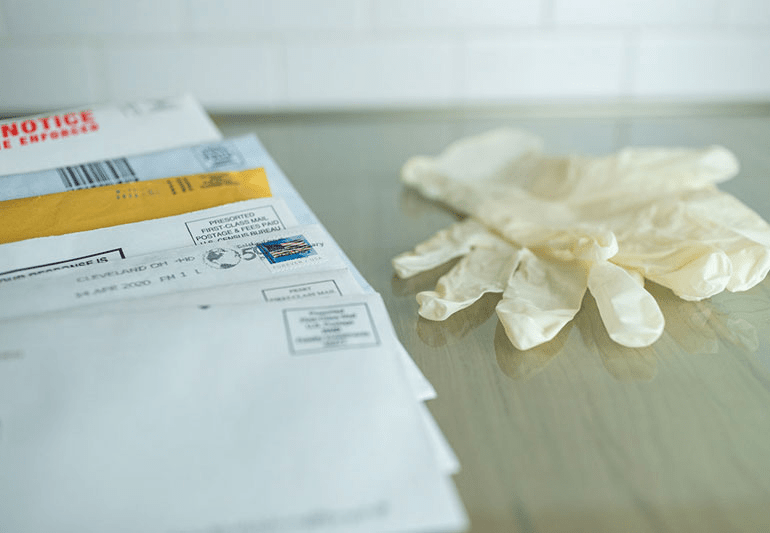
- Use gloves when handling clothes of someone who is sick, if possible.
- Dry clothes thoroughly, as heat helps kill the virus.
Have you noticed how quickly you grab your coat or bag when coming home? Pausing to think about how these items might carry germs could change your routine in a positive way. What small habit can you add to your day to minimize risk from everyday fabrics?
Credit: www.consumerreports.org
Virus Lifespan On Surfaces
The lifespan of the Covid-19 virus on surfaces can vary widely depending on the type of material it lands on. Cloth, being porous and textured, presents a unique environment for the virus compared to hard surfaces like plastic or metal. Understanding how long the virus can survive on cloth helps you make better decisions about cleaning and handling your clothing and fabric items.
Several elements influence how long the virus remains active on cloth surfaces. The type of fabric matters—natural fibers like cotton may absorb droplets differently than synthetic ones like polyester. Temperature and humidity also play a big role; the virus tends to survive longer in cooler, less humid conditions.
Think about your own experience: have you ever noticed damp clothes staying musty for days? That moisture can also help the virus survive longer. So, drying your fabrics thoroughly could reduce the risk significantly.
Typical Duration Of Covid-19 On Cloth
Research suggests that Covid-19 can survive on cloth surfaces anywhere from a few hours up to two days. The virus does not last as long on cloth as it does on hard, non-porous surfaces. This is because cloth tends to trap the virus particles, making them less likely to transfer easily to your hands or face.
Still, even a few hours of survival means you should be cautious when handling potentially contaminated fabrics. Washing clothes regularly with detergent is one of the most effective ways to kill the virus.
Practical Tips To Minimize Risk
- Wash clothes and fabric items at the highest temperature safe for the material.
- Use detergent and, if possible, add a disinfectant approved for fabrics.
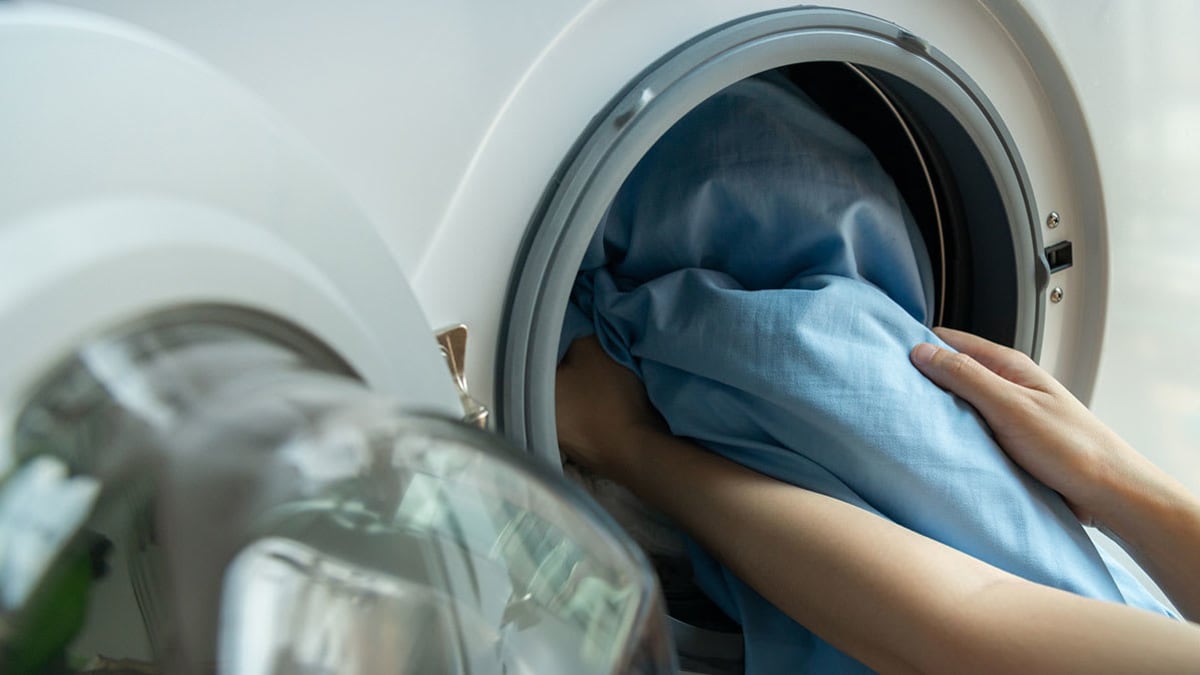
- Dry clothes completely in sunlight or a dryer to reduce moisture.
- Handle potentially contaminated fabrics with gloves or wash your hands immediately after.
- Avoid touching your face while handling unwashed clothes.
Have you ever skipped washing a jacket or scarf thinking it’s low risk? Now you might reconsider, knowing the virus can linger on those surfaces.
Factors Affecting Virus Survival On Cloth
Understanding how long Covid-19 can survive on cloth depends on several factors. These elements affect the virus’s ability to stay active on fabric surfaces. Knowing these factors helps in taking proper safety measures.
Type Of Fabric
The kind of cloth matters a lot. Smooth fabrics like polyester hold the virus less time. Rough or porous fabrics like cotton can trap the virus longer. The texture and weave affect virus survival.
Environmental Conditions
Temperature and humidity play key roles. Higher temperatures reduce virus survival. Dry air causes the virus to die faster. Cooler and moist environments help the virus live longer.
Viral Load
The amount of virus on the fabric affects survival time. A larger viral load means the virus can last longer. Small amounts of virus fade away quickly. The initial contamination level is important.

Credit: health.clevelandclinic.org
Scientific Studies On Cloth Survival
Understanding how long Covid-19 survives on cloth helps us stay safe. Scientists have tested the virus’s life span on different fabrics. These studies reveal important facts about virus survival and risks.
Key Research Findings
Research shows that Covid-19 can survive on cloth from a few hours up to two days. Survival time depends on fabric type and environmental conditions. For example, cotton tends to let the virus die faster than synthetic materials.
One study found the virus’s amount drops quickly within the first few hours on cloth. After 24 hours, the virus becomes much weaker and less likely to infect. Moisture, temperature, and sunlight also affect virus survival on fabrics.
Comparative Analysis With Other Surfaces
The virus lasts longer on smooth, hard surfaces than on cloth. On plastic and stainless steel, it can survive up to three days. On glass and wood, survival time is usually one to two days.
Cloth absorbs moisture, which helps reduce virus survival. This makes fabric less risky than many other surfaces. Still, touching contaminated cloth and then touching your face can spread the virus.
Real-life Implications
Understanding how long Covid-19 can survive on cloth has practical consequences that affect daily habits. These real-life implications directly influence how you handle your clothes and fabrics, especially after being in public spaces or around others. Small changes in your routine can reduce the risk of virus transmission and increase your peace of mind.
Impact On Laundry Practices
Covid-19 can survive on cloth for a few hours to days, depending on factors like fabric type and environmental conditions. This knowledge has changed how many people treat their laundry. Instead of tossing clothes directly into the hamper, you might now consider isolating worn items or washing them more frequently.
Using hot water and a good detergent can help kill the virus effectively. If you’ve been out all day, washing your clothes immediately upon returning home could add an extra layer of safety. Have you noticed how quickly your washing habits changed during the pandemic? These small shifts can make a big difference.
Guidelines For Clothing And Fabric Care
- Wash clothes at the highest temperature safe for the fabric.
- Use a regular laundry detergent and consider adding a disinfectant if the fabric allows.
- Dry clothes thoroughly in a dryer or under direct sunlight to reduce viral survival.
- Avoid shaking dirty laundry to prevent spreading the virus through the air.
- Handle laundry with clean hands and wash your hands immediately afterward.
These steps help you manage your fabrics safely without making laundry a stressful task. What’s one habit you can start today that feels manageable? The goal is to keep your routine effective but simple enough to maintain every day.
Preventive Measures
Preventive measures reduce the risk of Covid-19 spreading through cloth surfaces. Proper cleaning and smart clothing choices keep you safer. These steps help limit virus survival on fabric. Stay cautious with everyday items like masks, clothes, and upholstery.
Effective Cleaning Techniques
Clean cloth items regularly to kill the virus. Use warm water and detergent for washing. Hot water above 60°C (140°F) works best to destroy Covid-19 on fabric.
Disinfect with bleach solution or approved disinfectants after washing. Let items dry completely under sunlight or in a dryer. Sunlight helps reduce the virus on cloth naturally.
- Wash clothes immediately after use in public places.
- Use separate laundry baskets for contaminated clothes.
- Avoid shaking dirty clothes to prevent virus spread.
Protective Clothing Recommendations
Choose fabrics that dry quickly and do not trap moisture. Tight-weave cotton or polyester blends work well. These fabrics reduce virus survival on the surface.
Wear washable masks and change them often. Avoid reusing cloth masks without washing. Use gloves when handling potentially contaminated fabrics.
- Use disposable gloves when touching laundry of sick people.
- Wash hands thoroughly after handling used cloth items.
- Store clean clothes in dry, clean places only.
Myths And Misconceptions
Covid-19 survival on cloth has sparked many myths and misunderstandings. These myths cause unnecessary fear and confusion. Knowing the facts helps keep safe and calm.
Common Misunderstandings
- Covid-19 stays alive on fabric for days or weeks.
- Cloth surfaces are as risky as hard surfaces.
- Wearing any cloth can block the virus completely.
- Washing clothes once is not enough to kill the virus.
- Virus can spread easily through clothes touching others.
Clarifications From Experts
Experts say the virus survives for a shorter time on cloth than on hard surfaces. It usually lasts a few hours, not days.
Porous materials like fabric absorb droplets, reducing virus spread. The risk is lower than with plastic or metal.
Proper washing with soap and hot water removes and kills the virus effectively. Drying clothes thoroughly is also important.
Cloth masks reduce virus spread but are not 100% protective. Layered, well-fitted masks work better.
Touching contaminated fabric poses low risk. Washing hands after handling clothes is good practice.
Frequently Asked Questions
How Long Does Covid-19 Survive On Cloth Surfaces?
Covid-19 can survive on cloth for up to 1-2 days depending on fabric type and conditions. Porous materials like cotton reduce virus longevity.
Does Washing Cloth Remove Covid-19 Effectively?
Yes, washing cloth with detergent and hot water kills Covid-19. Regular laundering is essential to reduce virus presence on fabrics.
Can Covid-19 Transfer From Cloth To Hands?
Yes, touching contaminated cloth can transfer the virus to hands. Hand hygiene after contact with fabric reduces infection risk.
What Factors Affect Covid-19 Survival On Cloth?
Humidity, temperature, and fabric type influence virus survival on cloth. Warmer, drier conditions and porous fabrics reduce virus lifespan.
Conclusion
Covid-19 can survive on cloth for a few hours to days. The exact time depends on fabric type and conditions. Washing clothes regularly helps remove the virus. Drying in sunlight or using heat also lowers risk. Avoid touching your face after handling clothes.
Staying clean and careful keeps you safer. Remember, simple steps protect you and others well. Stay informed and follow health advice always.


