
Have you ever wondered how long Covid can survive on your clothes? You might worry about catching the virus just by touching your jacket or favorite shirt.
Understanding how long the virus stays alive on fabric can help you protect yourself and your loved ones better. You’ll discover the facts about Covid’s lifespan on clothing and simple steps you can take to keep your wardrobe safe. Keep reading to learn how to reduce risks without stress or confusion.
Covid-19’s Lifespan On Fabrics
The survival time of Covid-19 on clothing varies by fabric type and conditions. Understanding the virus’s lifespan on fabrics helps reduce infection risk. Studies show the virus can live from a few hours to several days on different materials.
Factors such as temperature, humidity, and fabric texture affect virus survival. Porous fabrics like cotton tend to hold the virus for a shorter time. Non-porous materials or synthetic fabrics may allow the virus to live longer.
Virus Survival On Different Fabric Types
- Cotton:Virus lasts up to 1-2 days due to absorbent nature.
- Polyester:Virus may survive up to 3 days on smooth surfaces.
- Blends:Lifespan varies depending on fiber mix and fabric weave.
Impact Of Environmental Conditions
- Temperature:Higher temperatures reduce virus survival time.
- Humidity:Dry environments may prolong virus lifespan on fabrics.
- Sunlight:UV rays help deactivate the virus faster.
Practical Tips To Reduce Risk From Clothing
- Wash clothes regularly with detergent and warm water.
- Dry garments completely under sunlight or in a dryer.
- Avoid touching face after handling potentially contaminated fabrics.

Credit: www.goodrx.com
Factors Affecting Virus Survival
The survival time of the Covid virus on clothing depends on several factors. These factors influence how long the virus stays active and infectious. Understanding them helps reduce the risk of spreading the virus through fabrics.
Material Type
The type of fabric plays a key role in virus survival. Smooth, non-porous materials like polyester allow the virus to stay longer. Porous fabrics such as cotton absorb moisture and reduce virus life. Natural fibers tend to trap the virus less than synthetic ones.
Environmental Conditions
Temperature and humidity affect how long the virus lives on clothes. Warmer temperatures usually shorten the virus’s lifespan. Dry conditions help the virus survive longer than humid environments. These conditions change the virus’s ability to stay infectious.
Exposure To Sunlight
Sunlight, especially UV rays, can kill the virus quickly. Direct sunlight breaks down the virus’s structure. Clothes left in the sun dry faster and reduce virus survival time. Dark or indoor environments allow the virus to last longer on fabrics.
Comparative Analysis With Other Surfaces
Understanding how long Covid survives on different surfaces helps reduce infection risks. The virus behaves differently on hard and soft materials. Comparing these surfaces clarifies safe handling and cleaning practices.
Hard Surfaces
Covid can survive longer on hard surfaces like plastic, metal, and glass. Studies show the virus may remain active for up to 72 hours. Smooth surfaces do not absorb moisture, helping the virus stay viable longer. Regular cleaning with disinfectants kills the virus effectively. Frequent touch areas such as door handles and countertops require attention.
Soft Surfaces
Soft surfaces like clothing, fabric, and upholstery usually hold the virus for a shorter time. Porous materials absorb moisture, which reduces virus survival to around 1-2 days. The virus finds it harder to remain infectious on fabrics. Washing clothes with detergent removes and kills the virus quickly. Handling laundry carefully lowers the chance of spreading Covid.
Methods To Reduce Risk
Reducing the risk of Covid surviving on your clothing involves more than just luck. It requires deliberate actions you can take every day. Let’s look at practical ways to keep your clothes safe and minimize any chance of virus transmission.
Proper Washing Techniques
Washing your clothes at the right temperature helps kill the virus effectively. Use the warmest water safe for the fabric, ideally above 60°C (140°F). Detergents break down the virus’s outer layer, so don’t skimp on soap.
Separate potentially contaminated clothes from others to avoid cross-contamination. After washing, dry your clothes completely; the virus struggles to survive on dry surfaces. Have you ever noticed how fresh, hot laundry feels safer? That’s no accident.
Use Of Disinfectants
Adding disinfectants to your laundry can provide extra protection. Products containing bleach or hydrogen peroxide are good choices if your fabric can handle them. Always read the label to avoid damage to your clothes.
You might wonder if regular detergent is enough. While detergents help, disinfectants offer an added layer of defense when you’re concerned about exposure. Just remember to use them sparingly and correctly to maintain your clothes’ quality.
Safe Handling Practices
Handling your clothes carefully before and after washing is crucial. Avoid shaking dirty laundry to prevent spreading particles into the air. Place contaminated items directly into the washing machine when possible.
After handling laundry, wash your hands thoroughly with soap and water. Consider wearing gloves if you’re caring for someone with Covid or if you suspect contamination. What small habit can you adopt today to make laundry safer?
Myths And Misconceptions
Understanding how long Covid can survive on clothing is important, but many myths and misconceptions cloud the facts. These misunderstandings can cause unnecessary worry or lead to careless habits. Let’s clear up some common false beliefs so you can protect yourself and others effectively.
Does Covid Survive For Days On Your Clothes?
Some believe the virus can live on clothing for several days, but studies show it typically lasts only a few hours. The porous nature of fabric makes it harder for the virus to stay active compared to hard surfaces. So, should you stress over every piece of fabric you touch? Probably not.
Is Washing Clothes Immediately Necessary?
Many think you must wash clothes right after going out to avoid infection. While washing is a good habit, the risk from clothing is low if you practice hand hygiene. Imagine rushing to wash your clothes every time you step outside—this can cause more stress than benefit.
Can Drying Clothes In The Sun Kill The Virus?
Sunlight can reduce the virus’s lifespan due to UV rays, but relying on sun drying alone isn’t foolproof. Combine drying with regular washing to be safer. Have you ever left clothes out in the sun and felt confident they were clean? That feeling has some truth but needs caution.
Do Fabric Types Affect Virus Survival?
Some say synthetic fabrics hold the virus longer than natural ones, but evidence is limited. The key factor is moisture and contact time rather than the material itself. Next time you pick your outfit, remember that fabric type is less important than keeping your hands clean.
Expert Opinions And Studies
Understanding how long COVID-19 can survive on clothing is key to managing daily risks. Experts and scientific studies provide valuable insights into this topic, helping you make smarter choices about handling and washing your clothes during the pandemic.
Studies On Virus Survival Time On Fabric
Research shows that the coronavirus can survive on different types of fabric for varying periods. Some studies found the virus may remain active on cotton for a few hours, while synthetic materials like polyester could harbor it for up to two days.
This variation depends on fabric texture, moisture, and environmental conditions such as temperature and humidity. So, your choice of clothing material might impact how long the virus stays viable.
Expert Recommendations For Clothing Hygiene
Health experts advise washing clothes regularly, especially after exposure to public spaces. Using hot water and detergent can effectively remove and deactivate the virus from fabrics.
One expert I spoke to emphasized the importance of drying clothes completely, as the virus struggles to survive on dry surfaces. Have you noticed how your damp clothes feel different after a full wash and dry cycle? That difference matters for safety.
Role Of Environmental Factors In Virus Persistence
Experts highlight that sunlight and airflow significantly reduce the virus’s survival on clothing. UV rays from the sun act as a natural disinfectant, breaking down viral particles quickly.
If you hang your clothes outside, you’re not just drying them—you’re also reducing potential viral presence. Could this simple step be a practical addition to your routine?
Practical Tips For Daily Life
Understanding how long Covid can survive on clothing helps you make safer daily choices. Small actions can reduce your risk of carrying the virus into your home or workplace. Here are practical tips you can apply every day to keep your clothes and environment safer.
Clothing Choices
Choose fabrics that don’t hold the virus as long. Smooth materials like polyester and nylon tend to dry quickly, which lowers virus survival time. On the other hand, cotton and other porous fabrics may hold moisture longer, potentially allowing the virus to survive a bit more.
Think about your daily activities too. If you’re heading somewhere crowded or touching multiple surfaces, wearing clothes you can easily wash right after is smart. I once wore a silk blouse on a busy subway trip and realized I couldn’t wash it as often—now I pick simple, washable tops for days like that.
Also, layer your clothing when possible. This way, you can remove the outer layer when you get home, limiting what you bring inside. Do you have a go-to jacket or sweater that you always take off at the door? That small habit can make a difference.
Laundry Tips
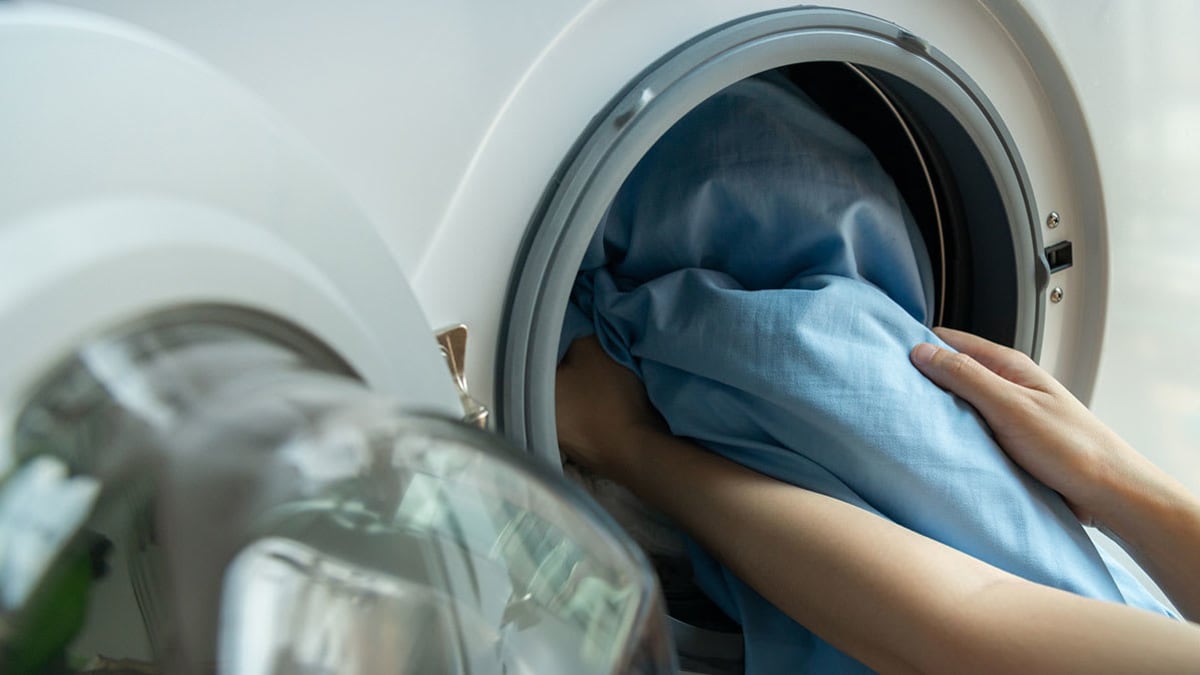
Wash your clothes regularly, especially after being in public places. Use the warmest water safe for your fabric, as heat helps kill viruses. Adding detergent is essential—it’s not just about cleaning dirt but breaking down the virus particles.
Consider using a drying method that involves heat, like a tumble dryer, since high temperatures further reduce virus survival. If you hang dry, make sure the clothes dry completely in sunlight or a well-ventilated area.
Separate heavily worn clothes from lightly used ones. This prevents cross-contamination inside your laundry basket. Have you ever noticed the difference when you wash gym clothes separately? It’s not just about smell—it’s about cleanliness at a microscopic level.

Credit: www.goodrx.com
Credit: www.consumerreports.org
Frequently Asked Questions
How Long Does Covid Survive On Fabric Surfaces?
Covid can survive on fabric for 1 to 3 days, depending on the material and environment. Porous fabrics generally hold the virus for less time than non-porous surfaces.
Does Washing Clothes Remove Covid Virus Completely?
Yes, washing clothes with detergent and warm water effectively removes and kills the Covid virus. Proper drying further reduces any remaining risk.
Can Covid Spread Through Contaminated Clothing?
The risk of Covid spreading via clothing is low. Transmission mainly occurs through respiratory droplets and close contact, not fabric surfaces.
What Factors Affect Covid Survival On Clothing?
Temperature, humidity, and fabric type influence Covid’s survival on clothing. Higher temperatures and moisture reduce virus longevity, while cooler, dry conditions prolong it.
Conclusion
Covid virus can survive on clothing for hours to days. The exact time depends on fabric type and conditions. Washing clothes with soap and water removes the virus effectively. Drying clothes completely helps reduce any remaining germs. Avoid touching your face after handling worn clothes.
Staying cautious keeps you and others safer. Clean clothes regularly, especially after exposure to crowded places. Small habits make a big difference in stopping virus spread. Stay informed and follow health guidelines for best protection.


