Have you ever wondered how long sperm can survive on your clothing? Whether you’re curious about pregnancy risks or just want to understand more about your body, this question matters.
Knowing the facts can help you make smarter choices and ease your worries. You’ll discover exactly how long sperm can live outside the body, especially on fabric, and what that means for you. Keep reading to get clear, simple answers that you can trust.
Credit: www.healthline.com
Sperm Lifespan Outside The Body
Sperm cells need a specific environment to stay alive and active. Outside the body, their survival time drops quickly. Factors like temperature, moisture, and surface type affect how long sperm can live. Understanding sperm lifespan outside the body helps clear up common questions about fertility and safety.
On clothing, sperm face dry and cool conditions. These reduce their ability to survive. Most sperm die within minutes on fabric. The exact time depends on how wet the clothing is and the material type.
Sperm Survival In Dry Conditions
Dry surfaces like clothing cause sperm to dry out fast. Without moisture, sperm cells cannot move or live long. Usually, sperm die within a few minutes after drying on fabric. This makes fertilization from sperm on dry clothes very unlikely.
Impact Of Moisture On Sperm Lifespan
Moisture helps sperm survive longer outside the body. If clothing is wet with bodily fluids, sperm can live a bit longer. Still, this time rarely exceeds 30 minutes to an hour. Drying quickly stops sperm activity and kills the cells.
Effect Of Temperature On Sperm Longevity
Warm temperatures can keep sperm alive slightly longer. Cooler temperatures cause faster sperm death. Clothing stored in a warm, moist place may allow sperm to survive a few extra minutes. Cold, dry conditions shorten sperm lifespan significantly.
Types Of Fabrics And Sperm Survival
- Cotton:Absorbs moisture fast, causing sperm to dry and die quickly.
- Synthetic fabrics:Hold moisture longer, possibly extending sperm survival time slightly.
- Silk and satin:Less absorbent, so sperm may stay alive a bit longer if moisture is present.
Factors Affecting Sperm Survival
Sperm survival on clothing depends on several key factors that influence how long they remain viable. Understanding these factors helps clarify the realistic chances of sperm surviving outside the body. Let’s break down what really affects sperm lifespan on fabric.
Temperature’s Impact
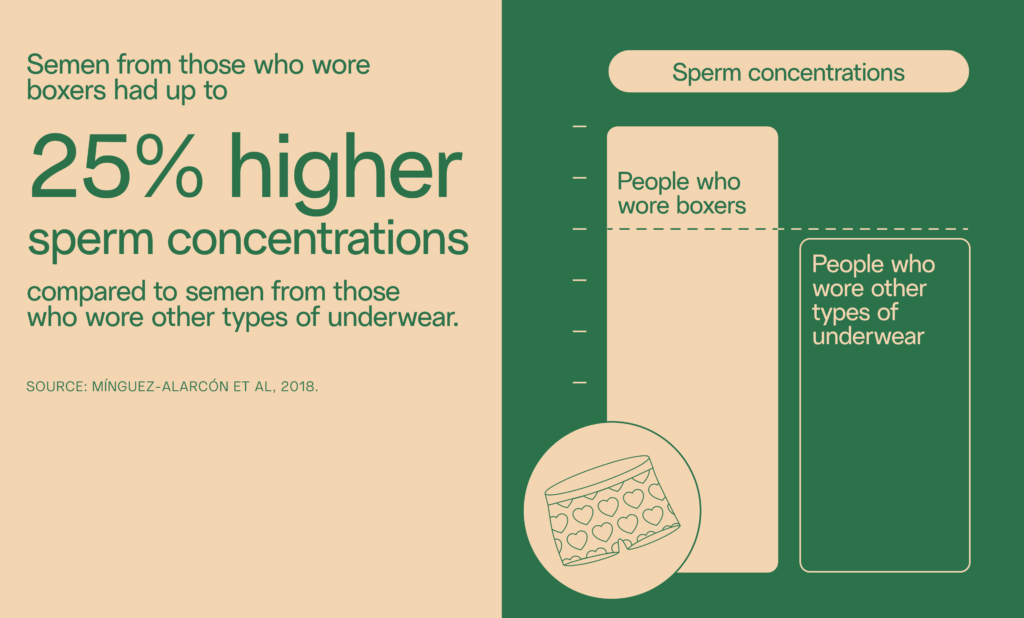
Temperature plays a crucial role in sperm survival. Cooler environments tend to preserve sperm longer because heat can quickly dry them out and kill the cells. For example, sperm on clothing left in a warm room may die within minutes, while those stored in a cooler place might last several hours.
Have you ever noticed how quickly sweat dries on your clothes in hot weather? That same heat speeds up sperm drying and reduces their lifespan. So, temperature directly controls how long sperm can stay alive on fabric.
Role Of Humidity
Humidity levels also affect sperm survival significantly. Higher humidity helps keep sperm moist, which is essential for their longevity. In dry conditions, sperm dry out rapidly and lose viability.
Imagine leaving a wet towel in a humid bathroom versus a dry room. The towel stays damp longer in humidity, just like sperm do. This means in humid climates, sperm on clothing may survive longer than you expect.
Material Type And Texture
The type of fabric and its texture matter a lot. Smooth, non-absorbent materials like polyester don’t soak up sperm as much, which can help sperm remain on the surface longer. On the other hand, absorbent fabrics like cotton pull moisture away quickly, drying sperm out faster.
Think about how water behaves differently on silk versus a terry cloth towel. This difference in absorption directly influences sperm survival time. Your choice of clothing material can unknowingly affect how long sperm remain alive on them.
Sperm Survival On Different Fabrics
Sperm survival on clothing varies greatly depending on the type of fabric. Different materials hold moisture and warmth in unique ways, which directly affects how long sperm can stay alive. Understanding these differences helps you make informed decisions about hygiene and safety.
Cotton Vs. Synthetic Fibers
Cotton is a natural fiber known for its breathability and high absorbency. It tends to soak up moisture quickly, which can create a damp environment for sperm, potentially extending their survival time slightly.
On the other hand, synthetic fibers like polyester or nylon repel moisture and dry faster. This quick-drying property usually reduces the time sperm can survive on these fabrics.
Have you ever noticed how your cotton shirt feels damp longer after washing compared to a synthetic one? This simple observation can give you clues about sperm survival on your clothing.
Impact Of Fabric Treatment
Fabric treatments such as waterproof coatings, stain repellents, or antimicrobial finishes change how sperm interact with clothing. These treatments often reduce moisture retention, which can lower sperm survival time.
Antimicrobial treatments specifically work to kill or inhibit microorganisms, and while sperm are not bacteria, these chemicals can create a hostile environment for them.
Next time you buy clothing labeled as “moisture-wicking” or “antimicrobial,” consider how these features might affect not only your comfort but also factors like sperm survival on the fabric.
Credit: oasisindia.in
Scientific Studies And Findings
Understanding how long sperm can survive on clothing is more than just curiosity—it’s about knowing the facts that influence real-life situations. Scientific studies have tested sperm survival under various conditions, including fabric types and environmental factors. These findings help clarify common misconceptions and guide you in making informed decisions.
Studies On Sperm Viability Outside The Body
Research shows sperm can survive outside the body, but survival depends heavily on the environment. On dry surfaces like clothing, sperm typically lose viability quickly—often within minutes to an hour. Moisture and warmth can extend survival slightly, but these conditions are rare on most fabrics.
Impact Of Fabric Type On Sperm Survival
Scientists tested different fabrics to see how they affect sperm lifespan. Smooth, non-absorbent materials like silk or polyester may allow sperm to survive a bit longer than cotton, which absorbs moisture and dries quickly. This insight matters if you’re concerned about potential sperm transfer on clothing.
Temperature And Humidity Effects
Temperature and humidity play big roles in sperm survival on clothing. Higher humidity and moderate temperatures help sperm stay alive longer, while dry, cool conditions kill sperm faster. Think about your local climate—does it create an environment where sperm could survive longer on your clothes?
Practical Takeaways From Research
- Sperm survival on clothing is usually very brief—often less than an hour.
- Dry fabrics reduce sperm viability drastically.
- Warm, moist conditions could extend survival but are uncommon on typical clothing.
Have you ever wondered if a brief contact with clothing could lead to pregnancy? Scientific findings suggest it’s highly unlikely under normal conditions.
Common Misconceptions
Many people worry about sperm surviving on clothing and what that means for pregnancy risk. There are a lot of ideas floating around that don’t quite match the facts. Clearing up these common misconceptions helps you make better decisions and avoid unnecessary stress.
Myths About Sperm Transmission
A common myth is that sperm can live on your clothes for days and still cause pregnancy. The truth is sperm are very fragile outside the body. Once exposed to air and fabric, they usually die within minutes.
Another misconception is that sperm on underwear or jeans can travel and fertilize an egg. Sperm cannot move or swim through clothing. So, even if sperm were present, they can’t reach the vagina through fabric layers.
Some people believe that washing clothes isn’t enough to remove sperm. Actually, soap and water effectively kill and remove sperm cells. So, normal washing routines are enough to eliminate any risk.
Clarifying Fertility Concerns
If you’re worried about pregnancy from sperm on clothes, ask yourself: How likely is it really? Pregnancy requires sperm to enter the vagina and reach an egg. Simply touching or wearing clothing with dried sperm doesn’t meet these conditions.
Think about times you’ve handled clothing after intimacy without any pregnancy risk. This shows how unlikely transmission through fabric really is.
To stay safe, focus on direct contact methods of sperm transmission instead of worrying about sperm on clothes. Understanding this can give you peace of mind and help you focus on what truly matters for your fertility.
Practical Implications
Sperm survival on clothing has practical effects in daily life and professional fields. Understanding how long sperm can live on fabric helps in proper handling and cleaning of clothes. It also plays a key role in forensic science, aiding investigations involving sexual contact.
Handling And Washing Clothes
Sperm can survive on clothing for several hours, depending on conditions. Warm and moist environments increase sperm lifespan. Dry and cool fabrics reduce their survival time.
Wear gloves when handling clothes with possible sperm stains. Avoid shaking or brushing the fabric to prevent spreading. Wash clothes promptly with hot water and detergent. Use a high-temperature setting to kill any remaining sperm.
Proper washing lowers the risk of contamination or misunderstanding in sensitive situations. It keeps clothing hygienic and safe for reuse.
Importance For Forensic Investigations
Forensic teams rely on sperm survival knowledge to collect evidence. Detecting sperm on clothing can prove sexual contact or assault. Time since exposure helps estimate when the event occurred.
Clothing must be preserved carefully to avoid evidence loss. Investigators use controlled environments to keep sperm intact for testing. Accurate timing of sperm survival assists in building strong legal cases.
Understanding sperm lifespan on fabric guides evidence collection and lab analysis. It ensures justice through reliable forensic processes.
Credit: oasisindia.in
Frequently Asked Questions
How Long Does Sperm Survive On Clothing?
Sperm can survive on clothing for a few minutes to several hours. However, drying and fabric type reduce its lifespan quickly.
Can Sperm Cause Pregnancy From Clothing?
Pregnancy from sperm on clothing is highly unlikely. Sperm need direct contact with the vagina to fertilize an egg.
Does Washing Clothes Remove Sperm Effectively?
Yes, washing clothes with detergent removes sperm effectively. Hot water and thorough cleaning kill and wash away sperm cells.
What Factors Affect Sperm Survival On Fabric?
Sperm survival depends on moisture, temperature, and fabric type. Moist and warm conditions help sperm live longer on clothing.
Conclusion
Sperm cannot live long on clothing. Usually, they survive only a few minutes to an hour. Dry fabric and air make sperm die faster. Warm, moist places may help sperm last a bit longer. Still, chances of sperm causing pregnancy from clothes are very low.
Proper hygiene and washing clothes reduce any risks. Understanding this helps clear common doubts. Keep clothes clean and dry for safety. Simple facts like these help you stay informed and worry less.


