
Have you ever wondered how long the Covid virus can stick around on your clothes? Knowing this can help you protect yourself and your loved ones better.
You might be surprised by how long the virus can survive on different fabrics and what simple steps you can take to keep your clothes safe. Keep reading to discover the facts that could change how you handle your wardrobe during these times.
Your health and peace of mind depend on it.
Covid Virus Survival On Fabrics
The Covid virus can survive on different fabrics for varying times. Understanding its survival on clothes helps reduce infection risk. Fabrics absorb moisture, which affects the virus’s lifespan. The type of fabric and environmental conditions change how long the virus stays active.
Virus Lifespan On Natural Fabrics
Natural fabrics like cotton and wool absorb moisture quickly. This moisture can cause the virus to die faster. Studies show the virus lasts up to 1-2 days on these fabrics. Washing natural fabrics removes most of the virus particles.
Virus Lifespan On Synthetic Fabrics
Synthetic fabrics like polyester and nylon hold less moisture. The virus may survive longer on these materials. Research suggests the virus can live up to 3 days on synthetic clothes. Proper cleaning is important to kill the virus on these fabrics.
Impact Of Temperature And Humidity
Warm temperatures reduce virus survival time on fabrics. High humidity also helps the virus die faster. Cold and dry conditions allow the virus to live longer. Clothes stored in warm, humid places pose less risk.
How To Safely Handle Clothes
- Avoid shaking dirty clothes to stop virus spread.
- Use hot water and detergent for washing.
- Dry clothes completely in sunlight or a dryer.
- Wash hands after handling dirty laundry.
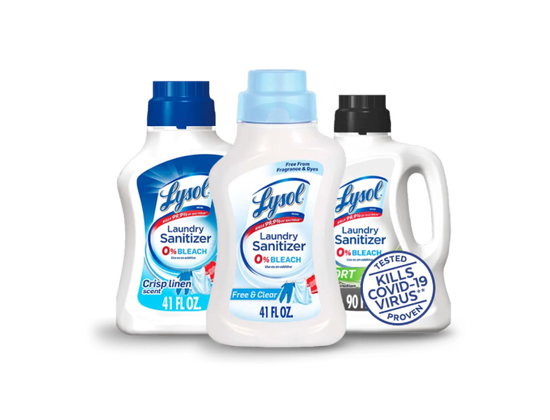
Credit: www.lysol.com
Factors Affecting Virus Longevity
The length of time the Covid virus can survive on clothes isn’t fixed. It depends heavily on certain factors that affect how long the virus remains active and infectious. Understanding these factors helps you manage risks better when handling laundry or touching fabrics in public places.
Type Of Fabric
Different fabrics offer different environments for the virus. Smooth, non-porous materials like polyester or nylon tend to let the virus survive longer because they don’t absorb moisture. On the other hand, natural fibers such as cotton or wool absorb moisture quickly, which can reduce the virus’s lifespan.
Think about your daily clothes. Do you often wear synthetic blends or mostly cotton? Choosing breathable, natural fabrics might lower the chance of virus survival on your clothes. This is a simple step you can take without much effort.
Environmental Conditions
The surroundings also play a huge role in virus survival on fabrics. Warmer temperatures and sunlight help break down the virus faster. Conversely, cooler, shaded, or humid environments may extend its longevity.
Humidity especially matters. High moisture in the air can help the virus stay stable longer on fabric surfaces. Have you noticed how damp clothes left in a dark corner seem to smell musty? That same dampness can help the virus hang around.
So, next time you hang your clothes, consider drying them in sunlight if possible. It’s a practical way to reduce any lingering virus without extra chemicals or treatments.
Scientific Studies And Findings
Understanding how long the Covid virus can survive on clothes is crucial for managing daily routines safely. Scientific studies have tested various fabrics and conditions to reveal how the virus behaves outside the human body. These findings help you make informed choices about handling, washing, and storing your clothes during the pandemic.
Research Highlights
Scientists have found that the Covid virus generally survives for shorter periods on fabric compared to hard surfaces. One study showed the virus could remain detectable on cotton for up to 24 hours, but its infectiousness dropped significantly after just a few hours.
Different types of fabric affect virus survival times. Synthetic materials like polyester may allow the virus to last a bit longer than natural fibers such as cotton or wool. Temperature and humidity also play a role, with warmer and more humid conditions reducing the virus’s lifespan on clothes.
Have you ever wondered if that jacket you wore yesterday still carries any risk? Research suggests that after a day, the chance of infection from clothing is very low, especially if the fabric is washed regularly or exposed to sunlight.
Comparative Analysis With Surfaces
| Surface Type | Virus Survival Time | Practical Insight |
|---|---|---|
| Clothes (Cotton) | Up to 24 hours, less infectious after 4-6 hours | Regular washing and airing out reduce risk |
| Plastic & Stainless Steel | 2-3 days | Disinfect frequently touched surfaces often |
| Cardboard | Up to 24 hours | Handle packages carefully and wash hands |
| Glass | Up to 4 days | Clean phones and screens regularly |
The virus tends to survive longer on hard, non-porous surfaces than on porous fabrics. This difference means your clothes are less likely to hold infectious virus particles for extended periods. However, touching contaminated surfaces and then your clothes can still transfer the virus, so hygiene remains key.
Think about your daily habits: how often do you touch your face after handling your jacket or bag? Simple actions like washing your hands before and after dealing with clothes can make a big difference in reducing transmission risk.

Credit: famurgentcare.com
Practical Implications For Daily Life
Understanding how long the Covid virus can survive on clothes helps protect your health. It guides safe habits in daily life. Simple actions reduce virus spread through fabrics.
Laundry Practices
Wash clothes often, especially after going outside. Use warm water and regular detergent. Dry clothes completely using a dryer or sunlight. Avoid shaking dirty clothes to stop spreading virus particles. Clean laundry baskets regularly. Wearing gloves while handling dirty laundry adds extra safety.
Clothing Choices
Choose clothes made from natural fibers like cotton. They dry faster and reduce virus survival time. Avoid tight or heavy fabrics that stay damp longer. Change clothes immediately after returning home. Keep a separate set of clothes for outdoor activities. This habit limits bringing the virus inside.
Myths And Misconceptions
Many myths surround how long the COVID virus can live on clothes. These misunderstandings cause unnecessary fear and confusion. It is important to separate facts from fiction. This helps people take the right safety steps without stress.
Clothes do not provide the best environment for the virus to survive long. The porous nature of fabric makes it harder for the virus to stay active. Knowing the truth stops panic and supports healthy habits.
Virus Lives On Clothes For Days
Some believe the virus stays on clothes for several days. Studies show the virus dies faster on fabric than on hard surfaces. The virus may last a few hours, not days, on clothes. Washing clothes usually removes or kills the virus.
Touching Clothes Always Spreads Covid
Not every contact with clothes spreads the virus. The virus must transfer from clothes to hands, then to face. Proper hand washing after touching clothes lowers the risk. The chance of catching COVID this way is very low.
Washing Clothes Is Not Necessary
Some people think washing clothes after going outside is unnecessary. Washing with regular detergent in warm water removes the virus effectively. Clean clothes reduce any risk of spreading germs. It is better to wash clothes regularly during the pandemic.
Only Special Detergents Kill The Virus
Many believe only special products kill the virus on clothes. Normal laundry detergent is enough to clean and disinfect fabric. The virus is sensitive to soap and heat. No need to buy expensive or special cleaning items.

Credit: www.universityhealth.com
Expert Recommendations
Experts have studied how long the Covid virus can live on different surfaces, including clothes. Their advice helps you protect yourself and others by handling fabrics safely. Understanding these recommendations makes a real difference in reducing risks during your daily routine.
Hygiene Tips
Washing your clothes regularly is one of the simplest ways to reduce virus presence. Use warm water with detergent, as the soap breaks down the virus’s outer layer.
Drying clothes on high heat also helps kill any remaining virus particles. Avoid shaking dirty clothes to prevent spreading virus droplets into the air.
Have you ever noticed how some fabrics feel cleaner after a hot wash? That’s not just freshness—it’s effective virus removal in action.
Safety Protocols
When handling laundry from outside or after being in public places, wear gloves if possible. This extra step lowers your chance of touching contaminated surfaces directly.
Keep used clothes separate from clean ones to stop cross-contamination. Store dirty laundry in a sealed bag until you wash it.
Think about how often you touch your clothes during the day—could those touches transfer the virus to your hands? Limiting unnecessary contact with worn clothes is a smart move.
Frequently Asked Questions
How Long Does Covid Virus Survive On Clothes?
The Covid virus can survive on clothes for a few hours up to 2 days. Survival depends on fabric type, temperature, and humidity.
Can Washing Clothes Remove The Covid Virus Completely?
Yes, washing clothes with detergent and warm water effectively removes and kills the Covid virus. Use proper drying methods.
Is There A Risk Of Catching Covid From Contaminated Clothes?
The risk is low but possible if you touch contaminated clothes and then your face. Practice hand hygiene after handling.
What Fabrics Allow Longer Covid Virus Survival?
Synthetic fabrics like polyester may harbor the virus longer than natural fabrics like cotton. Virus survival varies by material.
Conclusion
The Covid virus can survive on clothes for several hours to days. Factors like fabric type and temperature affect its lifespan. Washing clothes regularly helps reduce the risk of infection. Drying clothes thoroughly also lowers virus survival chances. Staying careful with laundry keeps you and others safer.
Remember to wash your hands after handling worn clothes. Clean habits play a key role in stopping the virus spread. Small steps make a big difference in health and safety. Stay informed and keep your environment clean.


