Have you ever wondered how long viruses can stick around on your clothes? Knowing this could help you protect yourself and your loved ones better.
Viruses don’t just disappear the moment you take off your jacket or wash your shirt. They can survive on fabric for hours, or even days, depending on the type of virus and the material. Understanding this can change the way you handle your laundry and everyday clothing.
Keep reading to discover how long viruses really live on clothes and what simple steps you can take to keep your clothes—and yourself—safe.
Factors Affecting Virus Survival On Fabrics
Understanding how long viruses can survive on your clothes depends on several key factors. These factors influence whether viruses remain infectious or lose their ability to spread. By knowing what affects virus survival on fabrics, you can make smarter choices about cleaning and handling your clothes.
Type Of Fabric
Different fabrics provide different environments for viruses. Smooth and non-porous materials like polyester or nylon tend to let viruses survive longer. In contrast, porous fabrics such as cotton or wool absorb moisture quickly, which can reduce virus survival time.
Think about the last time you wore a synthetic jacket versus a cotton shirt—did you notice how the jacket felt less breathable? That lack of breathability can trap moisture and protect viruses. So, the fabric you choose matters more than you might expect.
Environmental Conditions
Temperature, humidity, and sunlight play major roles in virus survival on clothes. Viruses often live longer in cool, dry places. High temperatures and direct sunlight can damage the virus’s outer layer, making it inactive faster.
Have you ever left wet clothes outside on a sunny day? The heat and UV rays not only dry your clothes but also help kill viruses. This means drying clothes outdoors can be a helpful step in reducing viral risks.
Virus Type
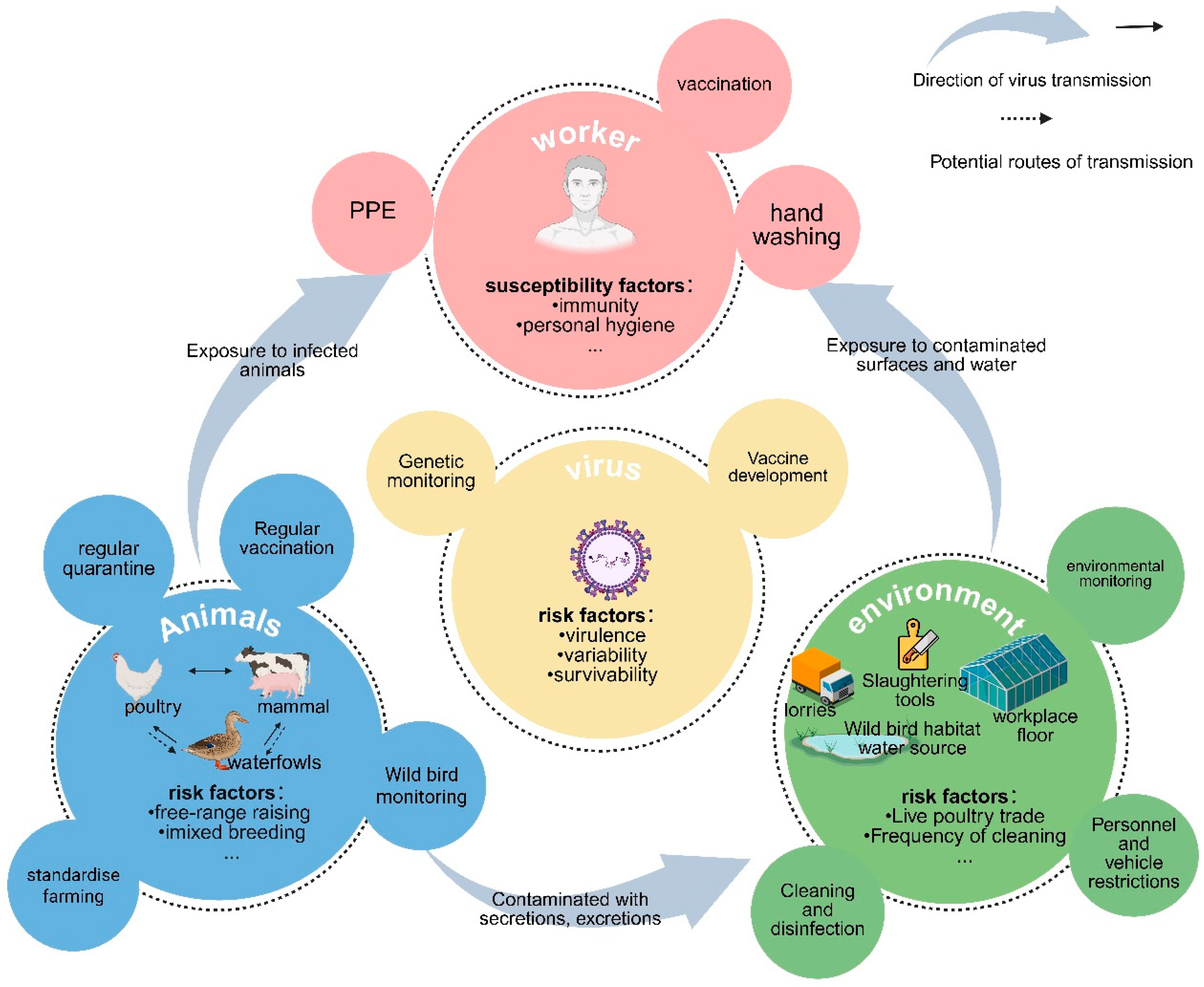
Not all viruses behave the same way on fabrics. Some viruses, like influenza, may survive only a few hours, while others, such as coronaviruses, can last for days under certain conditions. The structure of the virus affects how resilient it is on different materials.
Knowing the type of virus you’re concerned about can guide your laundry habits. For example, extra care is needed with viruses that survive longer, so washing with hot water and detergent becomes essential. Are you adjusting your cleaning routine based on what viruses might be lurking?

Credit: www.mdpi.com
Duration Of Virus Viability On Clothes
The duration viruses remain active on clothes varies widely depending on the type of virus and environmental conditions. Understanding how long viruses can survive on fabrics helps you decide when to wash your clothes or handle laundry safely. Let’s break down the survival times into three main categories to give you a clearer picture.
Short-lived Viruses
Some viruses only survive for a few minutes to a couple of hours on fabric. These include many common cold viruses, which lose their infectivity quickly once on clothes. If you accidentally come into contact with contaminated fabric, the risk decreases significantly after a short period.
Have you noticed how fast cold symptoms tend to fade after changing clothes? That’s partly because the viruses don’t last long on your garments.
Moderate Survival Time
Other viruses, like the flu virus, can remain viable on clothes for several hours up to a day. This means handling laundry or touching contaminated surfaces within this timeframe can still pose a risk of infection.
It’s a good practice to wash clothes regularly during flu season and avoid shaking dirty laundry to reduce airborne particles. This simple step can protect you and your family from catching the flu through fabrics.
Long-lasting Viruses
Some viruses, such as norovirus or certain coronaviruses, can survive on clothes for days under favorable conditions. These viruses are tougher and require more attention to hygiene practices.
Have you ever wondered why healthcare workers change scrubs frequently? It’s because some viruses can linger on fabrics much longer than you might expect. Regular washing with hot water and detergent is essential to eliminate these persistent viruses from your clothes.
Impact Of Washing And Drying
Understanding the impact of washing and drying on virus survival on clothes can help you protect yourself and your family better. Viruses don’t just disappear on their own; the way you clean your laundry plays a huge role in reducing their presence. Let’s look into the factors that make washing and drying effective in tackling these invisible threats.
Effectiveness Of Laundry Detergents
Not all laundry detergents work the same when it comes to killing viruses. Detergents with antiviral ingredients or those designed to break down lipid membranes can be particularly powerful.
Adding a good quality detergent to your wash can significantly reduce virus particles on your clothes. It’s worth checking labels or product descriptions to find detergents that mention antiviral or antibacterial properties.
Have you ever noticed how some detergents leave your clothes feeling cleaner and fresher? That’s often a sign they’re doing a better job at removing germs too.
Role Of Water Temperature
Water temperature affects how well viruses are killed during laundry. Hot water tends to be more effective, but not everyone can use high temperatures on all fabrics.
Washing clothes at 60°C (140°F) or higher can help destroy many viruses. If your fabrics are delicate, using the highest safe temperature is still better than cold water alone.
Think about your last laundry load—did you choose cold water to save energy or protect colors? Balancing hygiene and fabric care is key, and sometimes a hotter wash is worth it for virus safety.
Benefits Of Machine Drying
Machine drying adds an extra layer of protection against viruses. The high heat in dryers can deactivate many viruses that survive washing.
Using a dryer on a high heat setting for at least 30 minutes can significantly reduce virus survival on clothes. Air drying, while eco-friendly, doesn’t provide the same level of disinfection.
Have you considered how a simple step like drying your clothes properly could help keep your household safer? Machine drying is an easy, effective habit to adopt.
Preventive Measures For Clothing
Viruses can live on clothing for hours to days, depending on conditions. Taking steps to keep clothes clean helps reduce infection risk. Proper care protects you and your family from harmful germs.
Routine Cleaning Practices
Wash clothes regularly using hot water when possible. Heat helps kill viruses and bacteria on fabric. Use detergent to break down oils and dirt where germs hide. Dry clothes fully, as moisture can keep viruses alive longer.
Separate contaminated clothes from clean ones during washing. Avoid shaking or tossing dirty laundry to stop spreading germs in the air. Clean washing machines often to prevent buildup of viruses.
Handling Contaminated Clothes
Wear gloves if you handle clothes from sick people. Avoid touching your face during and after handling laundry. Place dirty clothes in a sealed bag before washing. Wash your hands thoroughly after handling contaminated items.
Keep laundry areas clean and disinfect surfaces regularly. Use separate baskets for clean and dirty clothes to reduce cross-contamination.
Use Of Disinfectants
Choose disinfectants safe for fabrics to kill viruses effectively. Some sprays and wipes work well on clothes and surfaces. Follow product instructions carefully for the best results.
Avoid overusing bleach, as it can damage fabric fibers. Consider using vinegar or hydrogen peroxide as gentler alternatives. Always test disinfectants on a small fabric area first.
Role Of Fabric Type In Virus Transmission
The type of fabric your clothes are made from plays a big role in how long viruses can survive on them and how easily they can spread. Different fabrics hold onto moisture and particles in very different ways. Understanding these differences can help you choose clothes that lower your risk of virus transmission and improve how you clean them.
Natural Vs Synthetic Fibers
Natural fibers like cotton, wool, and linen tend to absorb moisture quickly. This can trap viruses within the fabric, but it also means the virus may dry out faster and die sooner.
Synthetic fibers such as polyester and nylon don’t absorb moisture as well. They can keep viruses active longer because the surface stays moist for a longer time. Have you noticed how synthetic workout clothes often feel damp even after a short workout? This moisture retention can allow viruses to survive longer on these fabrics.
Choosing natural fiber clothing could reduce the time viruses remain infectious. However, synthetic fabrics often dry faster when washed, which is a key factor in killing viruses during laundry.
Porous Vs Non-porous Materials
Porous fabrics have tiny holes and spaces that absorb air and moisture. This makes it harder for viruses to survive because they become trapped and dry out faster.
Non-porous materials like plastic-coated fabrics or tightly woven synthetics provide a smoother surface. Viruses can survive longer here since they are less likely to be absorbed and dried out quickly.
Think about your raincoat or a windbreaker—they often have a shiny, non-porous surface. Viruses may linger longer on these surfaces compared to your everyday cotton t-shirt.
Would you feel safer choosing clothes based on how porous their fabric is? Understanding these differences can guide your decisions for both everyday wear and special situations, like during flu season or a viral outbreak.
Credit: www.mdpi.com
Scientific Studies And Findings
Understanding how long viruses can survive on clothes is crucial for managing your daily hygiene and safety. Scientific studies provide clear insights into the persistence of viruses on different fabrics under various conditions. These findings help you make informed decisions about washing, drying, and handling your garments to reduce the risk of infection.
Recent Research Highlights
Recent studies show that viruses like influenza and coronaviruses can live on fabric surfaces from a few hours up to several days. Factors such as the type of fabric, humidity, and temperature play a significant role in how long viruses remain infectious.
For example, a study published in Applied and Environmental Microbiologyfound that the influenza virus can survive up to 24 hours on cotton but only about 8-12 hours on synthetic fibers. This suggests that natural fibers may hold viruses longer, influencing how you should treat different clothes.
Another key insight is that viruses generally survive longer in cooler, more humid environments. This means your winter clothes might carry viruses longer than summer wear. Does this change how you handle your wardrobe between seasons?
Case Studies And Observations
Health researchers have observed virus survival during real-life outbreaks to understand transmission risks from clothing. One notable case study during the COVID-19 pandemic tracked contamination in hospital settings, finding that viral particles on staff uniforms dropped significantly after routine washing and drying.
Observations also show that frequent washing with hot water and detergent effectively reduces viral load on clothes. This practical step can protect you and those around you, especially if you work in environments with high exposure to viruses.
Have you noticed how some fabrics feel cleaner or fresher after washing compared to others? This could be due to the virus’s ability to cling differently to various textiles. Paying attention to your clothing materials could be a simple yet powerful way to minimize risk.
Credit: health.clevelandclinic.org
Frequently Asked Questions
How Long Do Viruses Survive On Fabric Surfaces?
Viruses can survive on clothes from a few hours up to several days. Survival depends on virus type, fabric, and environment. Porous fabrics like cotton tend to reduce virus survival time compared to non-porous materials.
Which Viruses Last Longest On Clothes?
Enveloped viruses like the flu and coronavirus can survive on clothes for 1 to 3 days. Non-enveloped viruses may persist longer. Temperature and humidity also impact virus lifespan on fabrics.
Can Washing Clothes Remove Viruses Effectively?
Yes, washing clothes with detergent and warm water effectively removes most viruses. Using hot water above 60°C and proper drying kills viruses and reduces infection risks.
Does Fabric Type Affect Virus Survival Time?
Yes, fabric type influences virus survival. Natural fibers like cotton absorb moisture and reduce survival, while synthetic fibers can retain viruses longer. Breathable fabrics generally decrease virus persistence.
Conclusion
Viruses can live on clothes for hours or even days. This depends on the type of virus and fabric. Washing clothes regularly helps remove viruses safely. Drying clothes in sunlight also reduces virus survival. Avoid touching your face after handling dirty clothes.
Clean hands often to stop germs from spreading. Staying aware helps keep you and others healthy. Simple steps make a big difference in safety. Keep your clothes clean and your habits smart. Stay safe, stay clean, and protect those around you.


