Have you ever wondered how long the coronavirus can stay on your clothes? You might touch your jacket, shirt, or even your mask and ask yourself if the virus could still be there.
Knowing how long the virus survives on fabric can help you make smarter choices about washing and handling your clothes. You’ll discover the facts about the virus’s lifespan on different types of clothing and learn simple steps to keep yourself and your loved ones safe.
Keep reading, because what you don’t know could put you at risk.

Credit: www.theguardian.com
Virus Lifespan On Different Fabrics
The survival time of the coronavirus varies on different types of fabrics. Understanding how long the virus lives on clothes helps in managing hygiene better. Some materials hold the virus longer than others. This section explains the virus lifespan on various fabric types.
Cotton And Natural Fibers
Cotton and other natural fibers like wool and linen absorb moisture quickly. The virus does not stay long on these materials. Studies show the virus can survive up to 1-2 days on cotton. The porous surface helps reduce virus lifespan by drying it out faster. Washing clothes made of natural fibers thoroughly can remove the virus effectively.
Synthetic Materials
Synthetic fabrics include polyester, nylon, and acrylic. These materials hold moisture on their surface. The virus can survive longer on synthetics, sometimes up to 3-4 days. Smooth surfaces prevent quick drying, which helps the virus stay alive. Frequent washing and disinfecting synthetic clothes is important to reduce risk.
Blended Fabrics
Blended fabrics mix natural and synthetic fibers. The virus lifespan varies depending on the ratio of materials. Usually, the virus can last between 2 to 3 days on blends. The combination affects moisture retention and drying speed. Proper cleaning methods are necessary for blended clothes to ensure virus removal.
Credit: health.clevelandclinic.org
Factors Influencing Virus Survival
Several factors affect how long the coronavirus can live on clothes. Understanding these elements helps reduce infection risk. The virus does not survive the same on all fabrics or in every environment. Some conditions make it die faster, while others help it stay longer. Below are key factors that influence virus survival on clothing.
Temperature And Humidity
Higher temperatures can kill the virus faster on clothes. Warm environments shorten the virus’s lifespan. Low temperatures may help the virus survive longer.
Humidity also plays a role. Dry air can reduce virus survival, while moist conditions may protect it. The combination of temperature and humidity changes the virus’s stability.
Exposure To Sunlight
Sunlight, especially ultraviolet (UV) rays, damages the virus’s structure. Direct sunlight on clothes can reduce the virus quickly. Dark or shaded areas allow the virus to live longer.
UV light breaks down the virus’s protective outer layer. This makes it inactive and unable to infect.
Washing And Cleaning Methods
Washing clothes with detergent removes and kills the virus effectively. Hot water works better than cold in killing viruses.
Drying clothes in a dryer or under the sun also reduces virus survival. Using disinfectants on clothes can add extra protection.
Research Findings And Studies
Understanding how long the coronavirus can survive on clothes is crucial for your safety and peace of mind. Research studies offer valuable insights into this topic by examining the virus’s behavior in controlled settings and real-life situations. These findings help you make informed decisions about handling and cleaning your garments.
Laboratory Tests
Laboratory tests show that the coronavirus can survive on fabric surfaces for varying lengths of time depending on conditions like temperature and humidity. Some studies found the virus detectable on cotton for up to 1-2 days, while synthetic materials like polyester may harbor it slightly longer.
Researchers often use high viral loads in these tests, which might not match everyday exposure levels. This means the risk you face could be lower than what lab results suggest. Still, the virus’s ability to persist means you should handle clothes carefully, especially after potential exposure.
Real-world Observations
Real-world studies paint a more practical picture. In everyday life, the virus tends to lose its infectiousness much faster on clothes due to environmental factors like sunlight and air circulation. For example, a person’s shirt worn during a brief outing is unlikely to remain infectious for more than a few hours.
Have you ever wondered why laundry guidelines emphasize washing clothes regularly during illness? This is because routine washing with detergent effectively removes and kills the virus. Simple habits, like washing your hands after handling worn clothes, significantly reduce any remaining risk.
Credit: www.healthhero.com
Health Implications And Safety Tips
The presence of coronavirus on clothes poses real health concerns, especially if the fabric has been exposed to contaminated droplets. Understanding how to handle and clean these clothes can reduce the risk of infection for you and those around you. Simple safety tips can make a big difference in keeping your environment safe and healthy.
Handling Contaminated Clothing
When you suspect your clothes might be contaminated, avoid shaking or tossing them. This can release virus particles into the air, increasing the chance of inhalation or surface contamination.
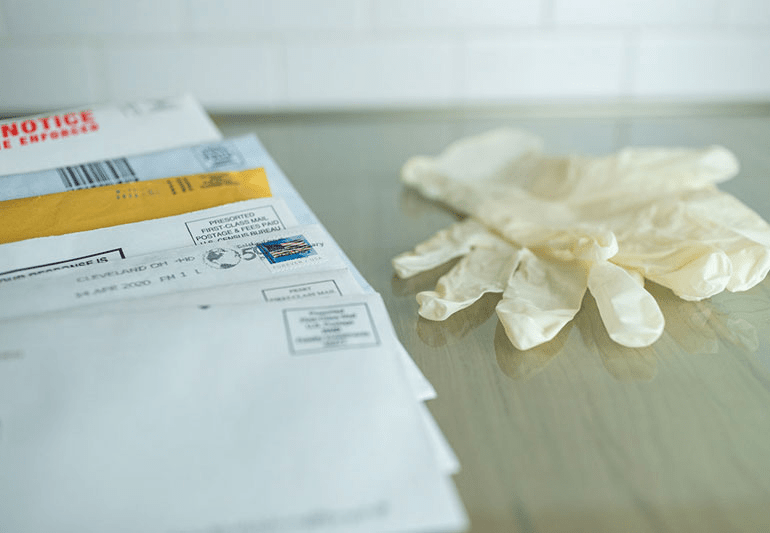
Wear disposable gloves or wash your hands immediately after touching these clothes. Keep contaminated items separate from clean laundry to prevent cross-contamination.
Effective Cleaning Practices
Use the warmest water safe for the fabric to wash contaminated clothes. Adding regular detergent and drying them thoroughly in a hot dryer helps kill the virus effectively.
If you don’t have access to a dryer, hang clothes in direct sunlight as UV rays can reduce virus survival. Avoid washing contaminated clothes with others until you are sure they are clean.
Protective Measures
Consider having a dedicated laundry basket for potentially contaminated clothes. Label it clearly to remind everyone in your household to handle those items with care.
Disinfect surfaces where contaminated clothes have been placed, such as laundry baskets and folding tables. How often do you pause to disinfect these spots? This small habit can limit virus spread in your home.
Frequently Asked Questions
How Long Can Coronavirus Survive On Clothes?
Coronavirus can survive on clothes for a few hours to several days. The exact time depends on fabric type, humidity, and temperature. Porous fabrics like cotton tend to hold the virus for shorter periods. Regular washing with detergent effectively removes the virus from clothes.
Does Fabric Type Affect Virus Survival Time?
Yes, virus survival varies by fabric type. Porous materials like cotton reduce virus lifespan due to absorption. Synthetic fabrics may retain the virus longer. Environmental factors like humidity and temperature also influence how long the virus remains active on clothes.
Can Washing Clothes Kill Coronavirus Effectively?
Washing clothes with detergent and water at 60°C or higher kills coronavirus effectively. Detergents break down the virus’s lipid membrane. Using a dryer on high heat further ensures virus elimination. Always follow garment care instructions for best results.
Is It Safe To Wear Clothes After Potential Virus Exposure?
Yes, it is safe if clothes are washed properly. Avoid touching your face before washing worn clothes. Use gloves or wash hands immediately after handling contaminated garments. Proper hygiene and washing reduce the risk of virus transmission.
Conclusion
Corona virus can survive on clothes for a few hours to days. It depends on fabric type and environment. Washing clothes with soap and water kills the virus quickly. Drying clothes fully also helps remove germs. Avoid touching your face after handling worn clothes.
Regular cleaning keeps you and others safe. Small actions make a big difference in stopping virus spread. Stay aware, stay clean, and protect yourself every day.


