Have you ever wondered how long the coronavirus can stay on your clothes? Understanding this can help you protect yourself and your loved ones better.
You might think fabric is safer than hard surfaces, but the virus can still linger longer than you expect. Knowing the facts about how long coronavirus survives on cloth will give you peace of mind and help you make smarter choices every day.
Keep reading to discover what you need to know to stay safe and keep your clothes clean.
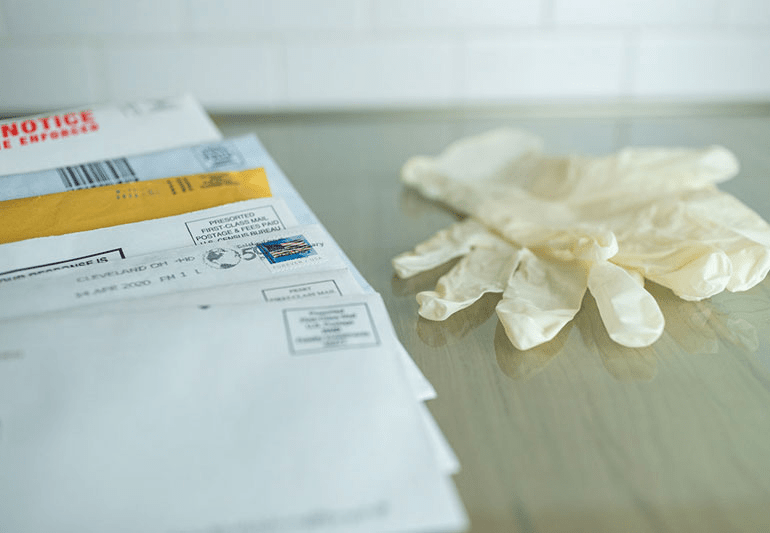
Credit: health.clevelandclinic.org
Coronavirus Survival On Fabric
Understanding how long the coronavirus survives on cloth is essential for your daily safety. Unlike hard surfaces, fabric can behave differently in holding the virus, affecting how you handle your clothes and masks. Let’s dive into what the latest findings say about the virus’s life span on various fabric types.
Factors Affecting Coronavirus Survival On Fabric
The virus doesn’t live the same amount of time on all fabrics. Materials like cotton, polyester, and blends each offer different environments for the virus. Factors such as moisture, temperature, and fabric thickness influence how long the virus remains active.
For example, I once left a cotton mask on my desk for two days and wondered if it was still risky to wear. Research shows that the virus can survive from a few hours up to two days on fabric, depending on these conditions. So, your mask might not always be safe after just a day of use.
How Different Fabrics Compare
| Fabric Type | Approximate Virus Survival Time | Notes |
|---|---|---|
| Cotton | Up to 24 hours | Absorbs moisture, may reduce virus viability faster |
| Polyester | Up to 48 hours | Smoother surface, virus may survive longer |
| Blended fabrics | Varies between 24-48 hours | Depends on the dominant material and weave |
Tips To Reduce Risk From Fabric Surfaces
- Wash frequently:Use hot water and detergent to kill the virus on your clothes and masks.
- Dry thoroughly:Heat from dryers helps deactivate the virus faster than air drying.
- Handle with clean hands:Always wash your hands before and after touching fabric that’s been outside your home.
- Rotate your masks:Have multiple masks to avoid wearing the same one repeatedly without washing.
Have you thought about how you store your reusable masks or how often you wash your jackets during the pandemic? These small habits can make a big difference in lowering your exposure risk.
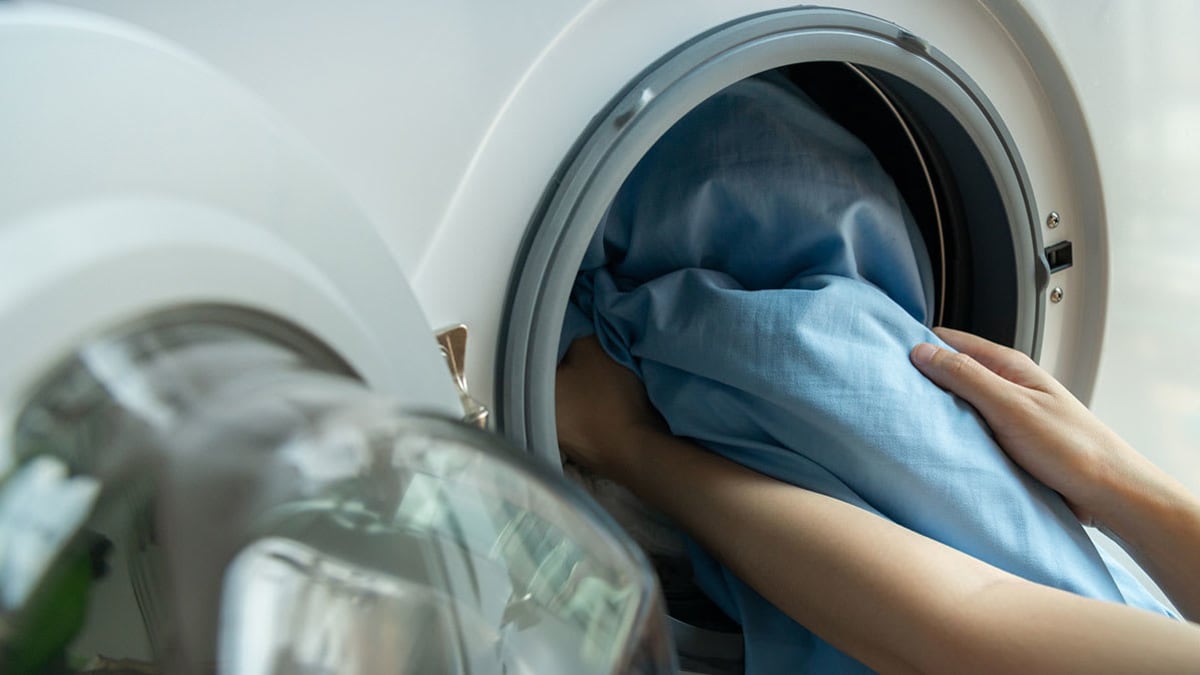
Credit: www.consumerreports.org
Factors Affecting Virus Longevity On Cloth
The time coronavirus can survive on cloth depends on several key factors. These factors influence how long the virus remains infectious on fabric surfaces. Understanding these details helps in taking proper precautions with textiles.
Different fabrics react differently to virus particles. The environment around the cloth also plays a big role. Moisture presence can change the virus’s survival time significantly. Each factor affects virus longevity in unique ways.
Type Of Fabric
Natural fibers like cotton absorb moisture quickly. This can reduce virus survival on the surface. Synthetic fabrics such as polyester hold moisture longer. This may allow the virus to stay active for more time. The weave and thickness also matter. Tighter weaves limit virus exposure, lowering survival chances.
Environmental Conditions
Temperature affects how long the virus lives on cloth. Higher temperatures tend to kill the virus faster. Cooler settings help the virus survive longer. Sunlight and UV rays also destroy virus particles quickly. Dark or shaded places allow the virus to stay active longer. Airflow and humidity levels impact virus longevity as well.
Presence Of Moisture
Moisture helps the virus stay alive on cloth. Wet or damp fabrics provide a better environment for the virus. Dry fabric surfaces can cause the virus to die faster. Sweat or other fluids on cloth increase virus survival time. Keeping fabrics dry reduces the risk of virus spread through cloth.
Comparison With Other Surfaces
Understanding how long coronavirus survives on different surfaces helps reduce infection risks. The virus lives for varied times based on the material. Cloth, metal, plastic, wood, and paper all affect virus lifespan differently. This section compares virus survival on cloth with other common surfaces.
Metal And Plastic
Coronavirus can survive longer on metal and plastic than on cloth. Studies show the virus stays active up to 3 days on stainless steel and plastic. These surfaces are smooth and non-porous, which helps the virus remain stable.
Metal and plastic do not absorb moisture. This condition protects the virus and slows its breakdown. It makes cleaning and disinfecting these surfaces very important.
Wood And Paper
Wood and paper are porous like cloth but differ in virus survival time. The virus lasts less on these materials than on metal or plastic. On paper, coronavirus can survive for a few hours to a day.
Wood can hold the virus for about 1 to 2 days. Porous surfaces absorb moisture and trap the virus inside, causing it to dry out faster. This reduces the virus’s ability to infect.
Safety Measures For Clothing
Clothing can carry viruses like coronavirus for several hours or days. Taking safety steps with clothes reduces infection risk. Clean clothes protect you and others around.
Proper Washing Techniques
Wash clothes in warm or hot water. Temperature above 60°C (140°F) kills most viruses. Use a full washing cycle to clean deeply. Dry clothes completely in sunlight or a dryer. Avoid shaking dirty clothes to limit virus spread.
Recommended Detergents
Use regular laundry detergent to remove viruses and dirt. Detergents break down the virus’s outer layer. Adding a disinfectant approved for fabrics can increase protection. Avoid harsh chemicals that damage fabric or skin.
Storage Precautions
Store clean clothes in a dry, clean place. Keep used clothes separate until washed. Use closed baskets or bags for dirty laundry. Avoid overcrowding storage areas to allow air flow. Change clothes after being in public places.
Myth Busting: Common Misconceptions
Many myths surround how long coronavirus survives on cloth. These myths cause confusion and fear. It is important to understand facts based on science. This helps us stay safe and avoid wrong practices.
Heat And Sunlight Effects
Some think heat or sunlight kills the virus quickly on clothes. Heat can reduce virus survival but not instantly. Sunlight contains UV rays that damage viruses over time. But the virus may still live for hours in shaded or cool places. Do not rely only on the sun or heat to clean cloth.
Washing clothes with soap and water is more effective. Drying them in sunlight adds extra protection but is not enough alone.
Use Of Disinfectant Sprays
Many believe spraying disinfectant on fabric kills all viruses immediately. Disinfectants work best on hard surfaces, not on cloth. Spraying can sometimes damage fabric or cause skin irritation. Cloth absorbs liquids, making disinfectants less effective.
Washing with detergent remains the best way to clean cloth. Use disinfectant sprays only if the product label says it is safe for fabrics. Let clothes dry completely after washing to reduce virus risk.
Guidelines For Handling And Cleaning
Handling and cleaning cloth properly helps reduce coronavirus risks. The virus can survive on fabric for hours to days, depending on conditions. Safe cleaning and careful handling lower the chance of spreading the virus. Follow simple steps to keep your clothes and home safe.
Laundry Best Practices
- Use the warmest water safe for the fabric.
- Choose detergent that removes viruses and dirt.
- Wash clothes separately if they might be contaminated.
- Dry clothes completely on high heat to kill germs.
- Clean your washing machine regularly to avoid buildup.
Handling Contaminated Clothing
- Wear gloves when touching potentially infected clothes.
- Do not shake clothes to prevent spreading virus particles.
- Place dirty clothes directly into the laundry basket.
- Wash hands thoroughly after handling dirty fabrics.
- Keep contaminated clothes away from clean areas.
Expert Opinions And Studies
Understanding how long coronavirus can survive on cloth is essential for everyday safety. Experts have studied this to give clear guidance on handling fabrics during the pandemic. Their opinions and research help you make smarter decisions about cleaning and using cloth items.
Research Findings
Studies show that coronavirus can survive on cloth surfaces from a few hours up to two days, depending on factors like fabric type and humidity.
One experiment found that the virus lasted longer on tightly woven cotton than on synthetic materials. This suggests that not all cloths pose the same risk.
Temperature also affects survival time. The virus tends to die faster at higher temperatures, which means washing clothes in warm water can be more effective.
Expert Recommendations
- Wash cloth items regularlywith detergent and warm water to reduce the risk of virus presence.
- Dry fabrics thoroughlyas the virus does not survive well on dry surfaces.
- Avoid touching your faceafter handling potentially contaminated cloth until you’ve washed your hands.
- Consider using masks made from multiple layersof fabric to reduce virus transmission.
Have you noticed how washing your clothes more often during the pandemic has made you feel safer? That’s exactly what experts suggest—keeping your fabrics clean is a simple, effective step you can control.

Credit: www.theguardian.com
Frequently Asked Questions
How Long Can Coronavirus Survive On Cloth Surfaces?
Coronavirus can survive on cloth for up to 1-2 days depending on conditions. Factors like humidity and temperature affect its lifespan. Frequent washing and drying help eliminate the virus from fabric effectively.
Does Fabric Type Affect Coronavirus Survival Time?
Yes, virus survival varies by fabric type. Porous materials like cotton tend to retain less virus than synthetic fabrics. Virus particles degrade faster on breathable cloth compared to non-porous surfaces.
How To Disinfect Cloth Contaminated With Coronavirus?
Wash cloth with hot water (at least 60°C) and detergent. Dry thoroughly in sunlight or a hot dryer. Avoid using cold water as it may not fully kill the virus.
Can Coronavirus Spread Through Touching Infected Cloth?
Touching contaminated cloth can spread the virus if hands touch face afterward. Regular hand washing and avoiding face contact reduce infection risk from fabric surfaces.
Conclusion
Coronavirus can survive on cloth for hours to days, depending on conditions. Clean your clothes regularly with soap and hot water. Dry them fully before wearing. Avoid touching your face after handling cloth items. Good hygiene helps reduce virus spread.
Stay safe by washing hands often. Keep your environment clean and ventilated. Simple steps make a big difference. Stay aware and protect yourself and others.


