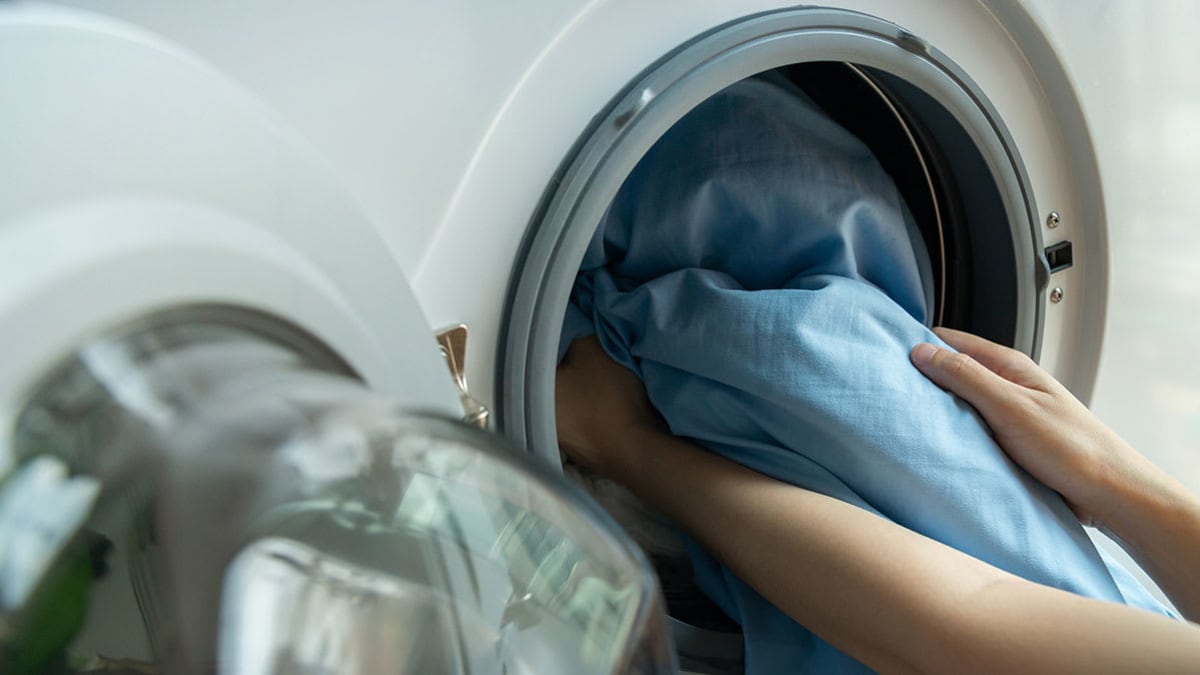
Have you ever wondered how long Covid-19 can stay on your clothes? Understanding this can help you protect yourself and your loved ones better.
You might think the virus disappears quickly, but the truth could surprise you. Knowing how long the virus survives on fabrics can change how you handle your laundry and what precautions you take when going out. Keep reading to find out the facts that could keep you safer every day.
Virus Longevity On Fabrics
The longevity of Covid-19 virus on fabrics varies widely. Fabrics provide a porous surface, which affects how long the virus remains active. Understanding virus survival on clothes helps in managing risks and maintaining hygiene. Studies show the virus lasts shorter on fabrics than on hard surfaces.
Factors Influencing Survival
Several factors affect how long Covid-19 can survive on fabrics:
- Fabric Type:Natural fibers like cotton absorb moisture quickly, reducing virus survival. Synthetic fibers may allow longer survival.
- Humidity:Higher humidity shortens virus lifespan on fabric surfaces.
- Temperature:Warmer temperatures decrease virus longevity.
- Exposure to Sunlight:UV light from the sun can inactivate the virus faster.
- Virus Load:The amount of virus initially present affects survival time.
Comparison With Other Surfaces
Virus survival on fabrics is generally shorter than on hard surfaces:
| Surface Type | Virus Survival Time |
|---|---|
| Cloth Fabrics | Up to 1-2 days |
| Plastic and Stainless Steel | Up to 3-7 days |
| Cardboard | Up to 1 day |
| Glass | Up to 4 days |
Porous fabrics trap and dry the virus faster. Hard, smooth surfaces allow longer virus survival. This difference guides cleaning and safety measures.
Types Of Fabrics And Virus Persistence
Understanding how long Covid-19 can survive on clothes depends on fabric types. Different fabrics affect the virus’s ability to stay active. The virus lasts longer on some materials than others. This section explores how natural and synthetic fabrics differ in virus persistence. It also looks at how fabric texture impacts virus survival.
Natural Vs Synthetic Materials
Natural fabrics include cotton, wool, and silk. These materials absorb moisture well. This can reduce the virus’s survival time. The virus tends to dry out faster on natural fibers. This makes it less likely to remain infectious.
Synthetic fabrics like polyester and nylon do not absorb moisture easily. The virus can survive longer on these surfaces. The smooth texture and low absorbency help protect the virus. This creates a better environment for virus persistence.
Studies show the virus lasts hours longer on synthetic fabrics. Natural fabrics often help break down the virus more quickly. Choosing natural materials may reduce the risk of virus spread through clothes.
Impact Of Fabric Texture
Fabric texture plays a key role in virus survival. Rough or porous textures trap virus particles. These particles dry out faster and lose infectivity. Smooth and shiny textures allow the virus to remain intact longer.
Examples of rough textures include denim and wool. Smooth textures include satin and polyester blends. The virus tends to survive less on rough, absorbent surfaces. On smooth surfaces, it can stay active for days.
Texture also affects how easily virus particles transfer to the skin. Rough fabrics may hold the virus better but transfer less easily. Smooth fabrics can transfer the virus more readily. This difference is important for understanding contamination risks.
Environmental Conditions
Environmental conditions greatly affect how long Covid-19 can survive on clothes. Different factors like temperature and humidity change the virus’s lifespan on fabric. Understanding these conditions helps reduce risk and improve safety measures.
Temperature Variations
Covid-19 survives longer at cooler temperatures. Low temperatures slow down the virus’s decay on clothes. At temperatures below 20°C (68°F), the virus can remain active for several days. Warmer temperatures speed up virus breakdown. At temperatures above 30°C (86°F), the virus loses strength faster. Washing clothes in warm water helps reduce the virus’s presence. Drying clothes in the sun can also kill the virus quickly.
Humidity Levels
Humidity affects virus survival on fabric. High humidity can extend the virus’s life on clothes. Moisture helps the virus stay stable and infectious. Dry conditions usually reduce virus survival time. Low humidity causes the virus to dry out and die faster. Indoor air with controlled humidity may lower the risk of virus spread through clothes. Using a dehumidifier can help keep humidity low in enclosed spaces.
Laundry Practices For Safety
Handling laundry safely is crucial to reduce the risk of Covid-19 lingering on your clothes. The virus can survive for varying periods depending on the fabric and environment, so your washing habits play a big role in keeping you and your family healthy. Small changes in how you wash can make a significant difference in eliminating the virus from your garments.
Effective Washing Techniques
Use the warmest water setting suitable for your fabric to help kill the virus. If your clothes allow, water temperatures above 60°C (140°F) are more effective in reducing viral particles.
Separate heavily soiled clothes from lightly worn ones to avoid cross-contamination. Wash items like masks, towels, and bedding more frequently as they have higher exposure risks.
Dry your clothes completely using a hot dryer or direct sunlight, as moisture can help the virus survive longer. Air drying is okay if you can ensure full drying and good ventilation.
Recommended Detergents
Choose detergents that contain surfactants, which break down the virus’s lipid membrane. Most common laundry detergents have this property, so you don’t need special products for virus removal.
Adding a disinfectant laundry additive can enhance virus-killing power, especially for high-risk items. Look for products with active ingredients like chlorine bleach or hydrogen peroxide, but check fabric compatibility first.
Avoid using fabric softeners in this context, as they do not contribute to virus removal and might reduce the effectiveness of disinfectants.
Protective Measures For Clothing
Clothes can hold onto the Covid-19 virus longer than you might expect, so protecting yourself and others means treating your garments carefully. Simple actions can reduce the risk of spreading the virus through fabrics. Understanding how to clean and handle clothes safely is key to staying healthy.
Use Of Disinfectants
Not all cleaning products work the same on fabrics. Look for disinfectants that are approved to kill viruses on soft surfaces. Adding a disinfectant to your laundry can help eliminate lingering virus particles.
Use laundry detergents with added disinfecting agents or add a small amount of bleach if your clothes are white and bleach-safe. Always follow the instructions on the label to avoid damaging your clothes or skin.
Have you checked if your laundry sanitizer is effective against viruses? If not, it might be time to switch to one that is proven to kill Covid-19.
Safe Handling Of Contaminated Clothes
After exposure, treat your clothes as if they carry the virus. Avoid shaking them, as this can release viral particles into the air. Instead, fold or roll your clothes carefully before placing them in the laundry basket.
Wash your hands immediately after handling potentially contaminated garments. Using gloves can add a layer of protection, especially if you’re washing clothes from someone who is sick.
Have you ever thought about how often you touch your face while sorting laundry? Being mindful of this can help prevent accidental infection.

Credit: www.thinkglobalhealth.org
Guidelines For Healthcare Workers
Healthcare workers face higher risks of exposure to Covid-19. Proper guidelines help reduce infection chances. Clothing can hold the virus for hours to days, depending on material and conditions. Following strict protocols protects workers and patients alike.
Protective Gear Protocols
Wear clean, designated uniforms or scrubs each shift. Use disposable gowns over clothes when treating Covid-19 patients. Change gloves frequently and avoid touching your face. Remove protective gear carefully to prevent contamination. Wash hands immediately after removing gear. Use face masks and eye protection at all times in patient areas.
Clothing Disposal Procedures
Place used disposable clothing in labeled biohazard bags. Do not shake or toss contaminated clothes. Transport clothes in sealed containers to laundry or disposal sites. Use hot water and detergent to wash reusable uniforms. Dry clothes completely on high heat to kill the virus. Follow local regulations for medical waste disposal.
Research Findings
Understanding how long Covid-19 can survive on clothes is crucial for your daily safety and hygiene. Research findings provide clear insights into the virus’s behavior on different fabrics, helping you make informed choices about washing and handling your clothes.
Recent Studies And Results
Several recent studies have tested how long the Covid-19 virus remains active on various clothing materials. Results show that the virus generally survives for a shorter time on porous surfaces like cotton compared to non-porous surfaces.
- On cotton, the virus often becomes inactive within a few hours, typically under 24 hours.
- Synthetic fabrics like polyester may harbor the virus for up to 2-3 days under certain conditions.
- Temperature and humidity play a big role—higher temperatures and sunlight reduce survival time significantly.
One study even demonstrated that washing clothes with detergent effectively removes the virus, making regular laundry a simple but powerful defense.
Expert Opinions
Health experts emphasize that while the virus can survive briefly on clothes, the risk of catching Covid-19 from fabric is relatively low compared to hard surfaces.
Dr. Emily Chen, an infectious disease specialist, notes, “The porous nature of most fabrics causes the virus to dry out and break down faster.”She advises focusing on frequent hand washing and avoiding touching your face after handling clothes.
Experts also suggest practical habits such as:
- Washing clothes immediately after returning from public places.
- Using warm water and regular detergent to neutralize potential viral particles.
- Avoiding shaking dirty laundry to prevent airborne spread.
Does knowing these details change how you approach your daily routine? Small adjustments can significantly reduce your exposure risk without adding stress.

Credit: famurgentcare.com
Public Health Recommendations
Public health recommendations guide safe practices against Covid-19 transmission. Understanding how long the virus survives on clothes helps reduce risks. Health experts focus on practical steps for daily life. Clear advice supports public safety and lowers infection chances.
Guidance For The General Public
Wash clothes regularly with soap and hot water. Dry them completely before wearing or storing. Avoid shaking dirty laundry to limit spread of virus particles. Use separate laundry baskets for contaminated clothes. Clean hands with soap after handling laundry.
Wear masks in crowded places to reduce airborne spread. Keep distance from others, especially if around sick people. Follow local rules on hygiene and social distancing. Stay informed about updates from trusted health sources.
Updates From Health Authorities
Health agencies monitor new research on virus survival on fabrics. They update advice based on latest evidence. Current findings show Covid-19 survives shorter on porous materials like clothes. Authorities stress regular washing and good ventilation at home.
Official sites recommend avoiding sharing clothes during outbreaks. They suggest using gloves when caring for sick family members. Many health bodies provide easy-to-follow cleaning checklists. Checking these updates helps maintain safe habits and reduce virus spread.

Credit: sites.northwestern.edu
Frequently Asked Questions
How Long Can Covid-19 Survive On Clothes?
Covid-19 can survive on clothes from a few hours up to 2 days. Factors like fabric type and humidity affect this duration. Porous fabrics like cotton reduce virus survival time compared to synthetic materials.
Does Washing Clothes Kill Covid-19 Virus?
Yes, washing clothes with detergent and hot water effectively kills Covid-19. Use water above 60°C (140°F) for best results. Proper drying further reduces any remaining virus on fabric surfaces.
Can Covid-19 Spread Through Contaminated Clothing?
Transmission through clothing is unlikely but possible with close contact. The virus mainly spreads via respiratory droplets. Handling clothes carefully and washing them regularly minimizes any risk.
Which Fabrics Retain Covid-19 Longer?
Synthetic fabrics like polyester and nylon tend to retain the virus longer than natural fabrics. Cotton and other porous materials absorb moisture and reduce viral survival, making them safer in this context.
Conclusion
Covid-19 can survive on clothes for a few hours to days. The time depends on fabric type and conditions like temperature and humidity. Washing clothes with soap or detergent helps remove the virus effectively. Avoid touching your face after handling worn clothes.
Drying clothes thoroughly also reduces any risk. Staying cautious with laundry keeps you and others safe. Clean habits protect against virus spread. Simple steps make a big difference. Stay informed and act wisely.


