Have you ever wondered how long lice can live on your clothing? If you’re dealing with a lice problem, knowing this can make a big difference in stopping the spread.
You might think that once lice leave your hair, they quickly die—but is that really true? Understanding how long these tiny pests survive on fabric can help you take the right steps to protect yourself and your family. Keep reading, and you’ll learn exactly what you need to do to keep your clothes lice-free and your mind at ease.

Credit: www.medicalnewstoday.com
Lice Life Cycle
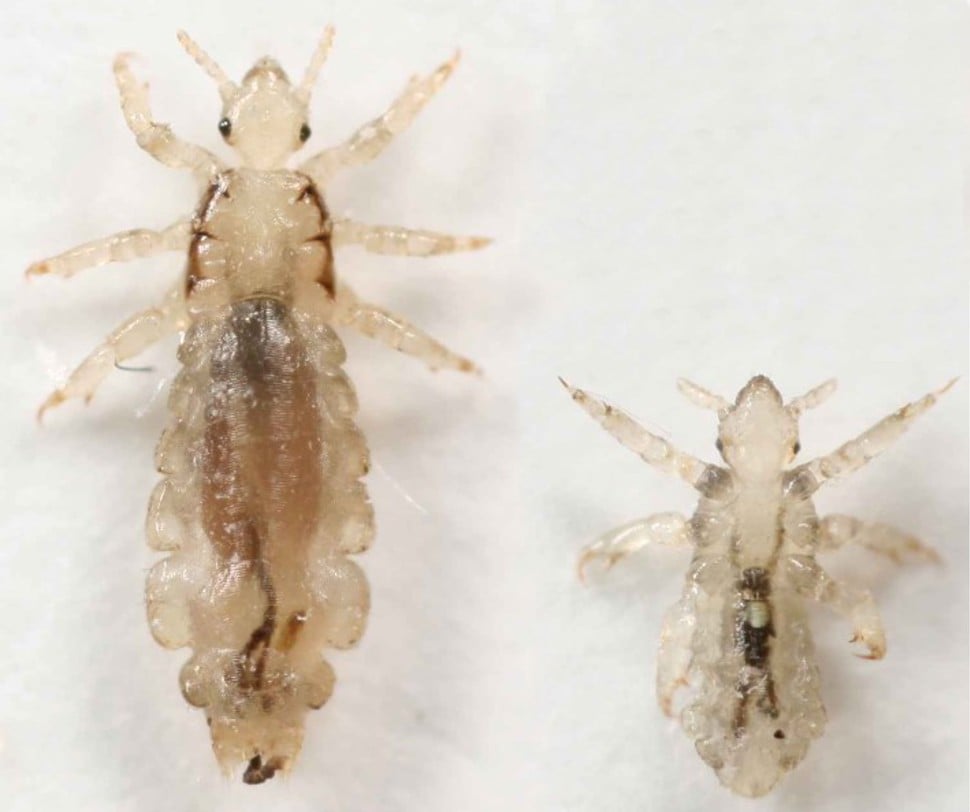
The lice life cycle is key to understanding how long lice survive on clothing. Lice go through three main stages: egg, nymph, and adult. Each stage has a different duration and survival ability. Knowing these helps in managing and preventing lice spread.
Egg Stage Duration
Lice eggs, also called nits, stick firmly to hair strands or fabric fibers. They take about 7 to 10 days to hatch. Eggs do not move or feed. They rely on warmth to develop. On clothing, eggs usually do not survive long due to lack of warmth.
Nymph Stage Duration
After hatching, lice enter the nymph stage. Nymphs look like small adults but cannot reproduce. This stage lasts 7 to 10 days. Nymphs need human blood to survive. Off the body, they survive only 1 to 2 days, including on clothing.
Adult Lice Lifespan
Adult lice live about 30 days on a human host. They feed on blood and lay eggs daily. Away from the body, adults survive 1 to 2 days max. On clothing, adults usually die faster due to lack of food and warmth.
Survival Outside The Scalp
Lice are known for clinging tightly to the scalp, but what happens when they end up on your clothing? Understanding how long lice survive outside the scalp is essential for preventing re-infestation and managing your home environment effectively. Their survival depends on several factors that influence their ability to stay alive without a human host.
Environmental Factors
Lice need a blood meal to live, so they cannot survive long without a host. On clothing, they usually survive for less than 48 hours, but this can vary.
Materials like wool or thick fabrics can provide a slightly better environment for lice, offering warmth and shelter. In contrast, smooth synthetic materials dry out lice faster, reducing their survival time.
Have you ever noticed how lice seem to disappear quickly when clothes are left untouched for a day or two? That’s because environmental conditions outside the scalp are generally harsh for them.
Temperature And Humidity Effects
Temperature plays a crucial role in lice survival. At room temperature (around 70°F or 21°C), lice can live up to 24–48 hours on clothing. However, when exposed to colder temperatures, their survival time decreases significantly.
Humidity also affects their lifespan. High humidity levels can prolong lice survival by preventing them from drying out. On the other hand, dry environments accelerate dehydration, causing lice to die faster.
- Warm and humid:lice can survive close to 48 hours.
- Cool and dry:survival drops to less than 24 hours.
Have you considered how adjusting the environment of your belongings might reduce the risk of lice? Simple steps like washing clothes in hot water or drying them on high heat can eliminate lice quickly.
Lice On Clothing
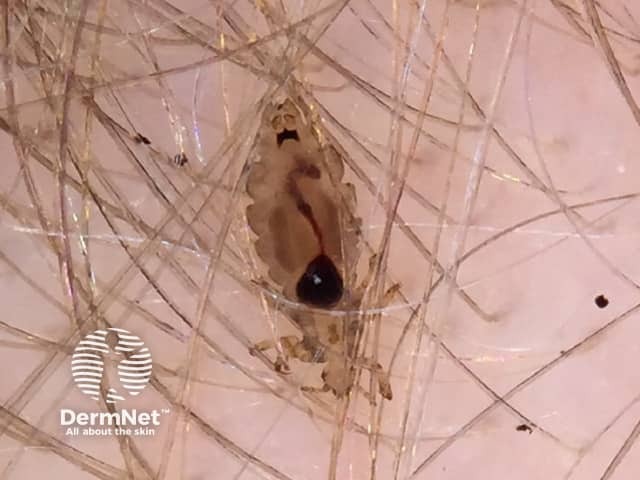
Lice are tiny insects that live on the scalp and feed on human blood. They can spread easily through direct head-to-head contact. Lice can also survive briefly on clothing and other fabrics. Understanding how long lice live on clothes helps prevent their spread. This knowledge is key to keeping homes and schools lice-free.
How Long Lice Can Live
Lice cannot live long away from the human scalp. They usually survive only 1 to 2 days on clothing. Without a blood meal, their life span shortens. Lice need warmth and moisture to stay alive. Dry clothes make it hard for lice to survive. Most lice die within 24 hours on fabrics.
Commonly Affected Fabrics
Some fabrics hold lice better than others. Lice cling well to soft materials. These fabrics include:
- Wool
- Fleece
- Cotton
- Polyester blends
Rough or smooth fabrics like leather do not hold lice well. Clothing worn close to the head has a higher chance of lice presence. Hats, scarves, and coats are common carriers. Regular washing and drying can remove lice from these fabrics.
Credit: www.rch.org.au
Preventing Lice Spread Through Clothing
Clothing can carry lice and their eggs. Preventing lice spread through clothing helps stop infestations. Careful handling and cleaning of clothes reduce risks. Simple steps protect your family and home.
Proper Laundry Techniques
Wash clothes in hot water above 130°F (54°C). Heat kills lice and their eggs effectively. Use regular detergent for cleaning. Dry clothes in a hot dryer for at least 20 minutes. Avoid cold water washing; it won’t kill lice. For items that cannot be washed, use sealed plastic bags.
Storage Tips For Clothing
Keep worn clothes separate from clean ones. Store used clothes in sealed plastic bags for two weeks. Lice cannot survive without a host longer than 48 hours. Avoid sharing hats, scarves, or coats. Regularly clean closets and drawers where clothes are kept. This practice limits lice spread and reinfestation.
Myths About Lice On Clothing
Lice on clothing often spark a lot of fear and confusion. Many people believe that lice can survive for days or even weeks on fabrics, leading to unnecessary panic and extreme cleaning measures. Understanding the myths about lice on clothing can help you handle the situation more calmly and effectively.
Do Lice Lay Eggs On Clothes?
Many think lice lay eggs on clothes just like they do on hair. In reality, lice need the warmth and environment of the scalp to lay eggs. Clothes don’t provide the right conditions, so you won’t find lice eggs attached to fabric fibers.
Can Lice Survive For Days On Clothing?
Lice survive by feeding on human blood. Without a scalp nearby, their survival time on clothing is usually less than 24 hours. This means the risk of catching lice from clothes left untouched for a day or more is very low.
Is Washing Clothes Enough To Kill Lice?
Washing clothes in hot water is effective in killing lice and their eggs. However, you don’t always need to wash everything immediately. If clothes have been off the body for over a day, lice likely won’t survive, so careful washing or sealing items in a bag for a few days can work too.
Does Dry Cleaning Kill Lice?
Dry cleaning can kill lice because of the heat involved, but it’s not always necessary. Simple home washing methods often work just as well. Don’t feel pressured to spend extra money unless you prefer the convenience.
Should You Throw Away Clothes After A Lice Infestation?
Throwing away clothes is a common reaction but it’s unnecessary. Lice don’t infest clothes long-term, and proper cleaning can clear them out. Instead of discarding items, focus on washing and drying or sealing clothes for a few days to starve any lice left behind.

Credit: globalnews.ca
Frequently Asked Questions
How Long Can Lice Survive On Clothing?
Lice can survive on clothing for up to 24 to 48 hours. They need human blood to live, so they die quickly without a host. Washing clothes in hot water kills lice effectively and prevents re-infestation.
Can Lice Eggs Hatch On Clothing?
Lice eggs, or nits, rarely hatch on clothing. Nits need warmth from the human scalp to develop. Removing and washing clothes helps prevent eggs from hatching and spreading the infestation.
Does Drying Clothes Kill Lice Instantly?
Yes, drying clothes on high heat kills lice instantly. Heat above 130°F (54°C) is lethal to lice and their eggs. Use a hot dryer cycle for at least 30 minutes to ensure complete removal.
Is It Necessary To Dry Clean Infested Clothes?
Dry cleaning can kill lice but is not always necessary. Washing clothes in hot water and drying on high heat is usually sufficient. Dry cleaning may be considered for delicate fabrics that can’t be machine washed.
Conclusion
Lice cannot live long on clothing without a human host. They usually survive for 1 to 2 days off the scalp. Washing clothes in hot water helps kill lice quickly. Drying clothes on high heat is also very effective. Avoid sharing clothes or hats to prevent spreading lice.
Knowing how long lice live on fabric helps protect your family. Stay careful and clean to keep lice away from your home. Simple steps make a big difference in controlling lice.


