Have you ever wondered how long viruses can stick around on your clothes? Knowing this can help you stay safer and keep your loved ones protected.
Whether it’s a quick trip outside or a day at work, your clothes come into contact with many surfaces and people. But how long can viruses actually survive there? Understanding this simple fact could change how you handle laundry and daily habits.
Keep reading to discover what really happens on your clothes and how you can reduce the risk of spreading germs.

Credit: concordma.gov
Virus Lifespan On Fabric
Viruses can survive on fabric for different lengths of time. The lifespan depends on the virus type and the fabric material. Some viruses live longer on clothes than others. Understanding how long viruses stay active on fabric helps reduce infection risks.
Factors Affecting Virus Survival On Fabric
Virus survival changes based on temperature and humidity. Higher temperatures usually reduce virus lifespan. Fabrics that absorb moisture can help viruses die faster. Smooth, non-absorbent fabrics may allow viruses to live longer.
Virus Lifespan On Common Fabric Types
| Fabric Type | Approximate Virus Survival Time |
|---|---|
| Cotton | Up to 1-2 days |
| Polyester | Up to 2-3 days |
| Wool | Less than 24 hours |
| Silk | Less than 24 hours |
Common Viruses And Their Survival On Clothes
- Influenza virus: survives 8-12 hours on fabric
- Coronavirus (SARS-CoV-2): survives up to 2-3 days
- Rhinovirus (common cold): survives up to 24 hours
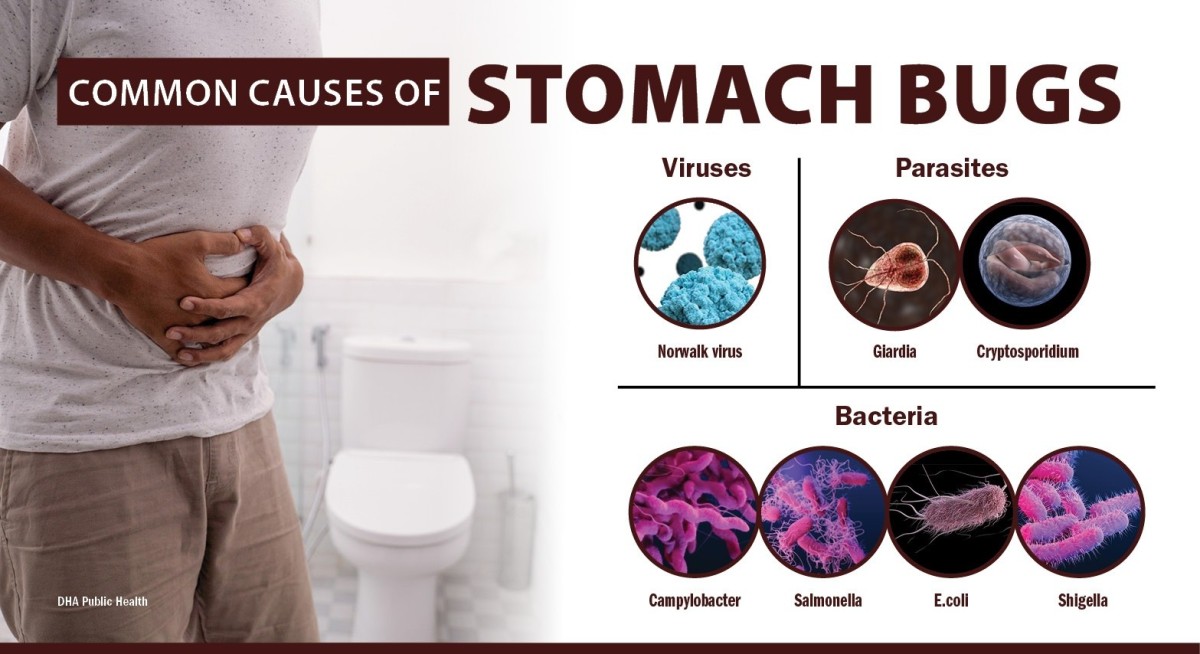
- Norovirus: survives several days on clothes

Credit: famurgentcare.com
Factors Influencing Virus Survival
Understanding how long viruses survive on clothes depends on several key factors. These elements affect whether a virus remains infectious or fades quickly after contact with fabric. Knowing these details helps you make smarter decisions about laundry and handling clothes during illness.
Type Of Fabric
Different fabrics hold viruses differently. Smooth, non-porous materials like polyester can allow viruses to survive longer because they don’t absorb moisture quickly. On the other hand, natural fibers like cotton absorb moisture and can dry faster, often reducing virus survival time.
Think about your favorite hoodie or work shirt—does the fabric feel dense or airy? Denser weaves trap viruses more easily, while loosely woven fabrics might let them dry out and die faster. Have you noticed some clothes feel safer to wear after a day out? Fabric type might be why.
Environmental Conditions
Viruses are sensitive to temperature, humidity, and sunlight. Higher temperatures and direct sunlight can kill viruses faster, while cold, damp conditions help them linger. This means your clothes left in a warm, sunny spot may be safer than those stored in a dark, moist closet.
Humidity plays a big role too. Dry air can cause viruses to become inactive more quickly. So, the environment where you keep or dry your clothes can change how long viruses survive on them. Have you ever wondered if airing out your clothes outside actually helps? It does.
Virus Strain Variability
Not all viruses behave the same way on fabrics. Some strains are tougher and can survive longer, while others break down quickly. For instance, flu viruses may last only a few hours, but certain coronaviruses have been found to survive for days under ideal conditions.
This variability means you can’t assume one rule fits all viruses. Being aware of which virus you’re dealing with can guide how cautious you need to be with your clothing. Have you checked updates on the latest virus behaviors during outbreaks? Staying informed helps you stay safe.
Comparative Survival On Different Surfaces
Viruses behave differently depending on the surface they land on. Some surfaces allow viruses to live longer, while others cause them to die quickly. Understanding these differences helps us reduce the risk of catching infections from objects around us.
Surfaces can be soft or hard, smooth or rough. These features affect how long viruses stay alive. This section compares virus survival on clothes and other surfaces to explain why some are safer than others.
Clothes Vs. Hard Surfaces
Viruses tend to survive shorter on clothes than on hard surfaces. Fabrics absorb moisture and trap virus particles inside fibers. This makes viruses less active and easier to remove by washing.
Hard surfaces like plastic and metal keep viruses active longer. These surfaces do not absorb moisture. Viruses can remain infectious for hours or even days on them.
- Clothes: Virus survival lasts from a few minutes to a few hours.
- Hard surfaces: Virus survival can reach several days.
- Washing clothes removes viruses effectively.
- Hard surfaces require regular cleaning with disinfectants.
Impact Of Surface Texture
Texture plays a key role in virus survival. Smooth surfaces allow viruses to stay intact longer. Rough or porous surfaces trap viruses, making them less stable.
Examples of textures include:
- Smooth: glass, metal, plastic
- Rough: wood, paper, fabric
On rough surfaces, viruses dry out faster. This weakens the virus and reduces infection risk. Smooth surfaces keep moisture longer, which helps viruses stay alive.
Washing And Sanitizing Clothes
Washing and sanitizing clothes play a vital role in reducing virus survival. Viruses can stick to fabric fibers and remain infectious for hours or days. Proper cleaning methods help remove and kill these viruses effectively. Understanding the right techniques, temperature, and products is key to safer clothes.
Effective Washing Techniques
Start by sorting clothes to avoid cross-contamination. Use the right amount of detergent for each load. Thoroughly wash clothes for at least 15 minutes. Agitation during washing helps remove viruses from fabric. Rinse well to eliminate detergent and virus residues. Dry clothes completely, as moisture can help viruses survive.
Role Of Temperature And Detergents
Hot water kills many viruses more quickly than cold water. Wash clothes at temperatures above 60°C (140°F) for best results. Use detergents with good cleaning power to break down virus particles. Some detergents contain enzymes that help destroy viruses. Cold water washing may require longer cycles and stronger detergents to be effective.
Use Of Disinfectants
Adding disinfectants can improve virus removal from clothes. Use disinfectants safe for fabrics and approved by health authorities. Follow product instructions carefully for mixing and application. Avoid mixing bleach with ammonia or other cleaners. Some disinfectants work best in warm water and need soaking time.
Practical Tips For Reducing Risk
Reducing the risk of virus transmission through clothes is something you can manage with simple habits. Viruses don’t survive forever on fabric, but they can linger long enough to cause concern. Taking practical steps in how you handle, store, and wash your clothes makes a big difference in keeping yourself and others safe.
Handling And Storing Clothes
Think about how you treat your clothes after wearing them in public or around others. Avoid shaking out your clothes, as this can release virus particles into the air. Instead, fold or hang them carefully to reduce spreading any germs.
Storing clothes in a clean, dry place is key. Use a designated laundry basket with a lid or a separate bag for worn clothes. This simple habit keeps contaminated fabrics away from your living spaces and reduces accidental contact.
Have you ever noticed how touching your face after handling dirty laundry can increase your risk? Always wash your hands thoroughly right after handling worn clothes. This small action can stop viruses from moving from fabric to your hands and then to your face.
Frequent Laundry Practices
Washing your clothes often is one of the most effective ways to eliminate viruses. Choose the warmest water setting that the fabric can handle, as heat helps kill germs. Adding a good detergent or disinfectant designed for fabrics boosts cleaning power.
Drying clothes thoroughly is just as important. Viruses survive less on dry fabrics, so use the dryer if possible or hang clothes in direct sunlight. Sunlight naturally disinfects and speeds up drying, cutting down virus survival time.
If you’re washing clothes for someone who is sick, keep their laundry separate. This lowers the chance that viruses spread to other family members through shared clothes or towels. Do you think about separating laundry during cold and flu season? It’s a smart way to protect your household.
Credit: health.clevelandclinic.org
Research And Studies
Understanding how long viruses survive on clothes helps you make smarter choices about laundry and hygiene. Research provides clues but also leaves some questions open. Let’s look at what studies have revealed and what still puzzles scientists about virus survival on fabrics.
Recent Findings
Studies show that viruses like the flu or coronaviruses can live on fabric surfaces from a few hours up to several days. The exact time depends on factors such as the type of fabric, humidity, and temperature.
For example, one study found that SARS-CoV-2, the virus behind COVID-19, can survive up to 2 days on cotton but longer on synthetic fibers. This suggests your choice of clothes and how often you wash them can impact virus presence.
Research also points out that viruses tend to die faster on porous materials like cotton compared to smooth, non-porous surfaces. This is useful to know when deciding how to handle clothes after exposure to illness.
Gaps In Current Knowledge
Despite progress, many questions remain unanswered. Scientists still don’t fully understand how different detergents and washing temperatures affect virus survival on various fabrics.
Another unknown is how everyday activities like wearing, stretching, or sweating influence virus persistence on clothes. These real-life factors could either speed up virus decay or help it linger longer.
What if your laundry routine isn’t enough to eliminate certain viruses? This uncertainty means you should stay cautious and follow recommended hygiene practices even if clothes appear clean.
Frequently Asked Questions
How Long Can Viruses Survive On Clothes?
Viruses can survive on clothes from a few hours to several days. Survival depends on virus type, fabric, and environmental conditions like humidity and temperature.
Which Fabrics Retain Viruses The Longest?
Synthetic fabrics like polyester hold viruses longer than natural fibers such as cotton. Smooth surfaces also aid virus survival compared to porous materials.
How Does Washing Affect Virus Survival On Clothes?
Washing with detergent and warm water effectively removes and kills most viruses on clothes. Proper drying further reduces virus presence.
Can Viruses Transfer From Clothes To Humans?
Yes, viruses can transfer from contaminated clothes to hands or face, potentially causing infection. Proper hygiene limits this risk.
Conclusion
Viruses can survive on clothes for hours to days, depending on conditions. Warm, dry places tend to reduce their life span. Washing clothes with detergent helps remove viruses effectively. Drying clothes in sunlight also kills many germs. Regular cleaning keeps your clothes safer and reduces risks.
Stay mindful of how you handle and wash your clothing. Small habits make a big difference in staying healthy. Clean clothes, clean hands—simple steps protect you well.


