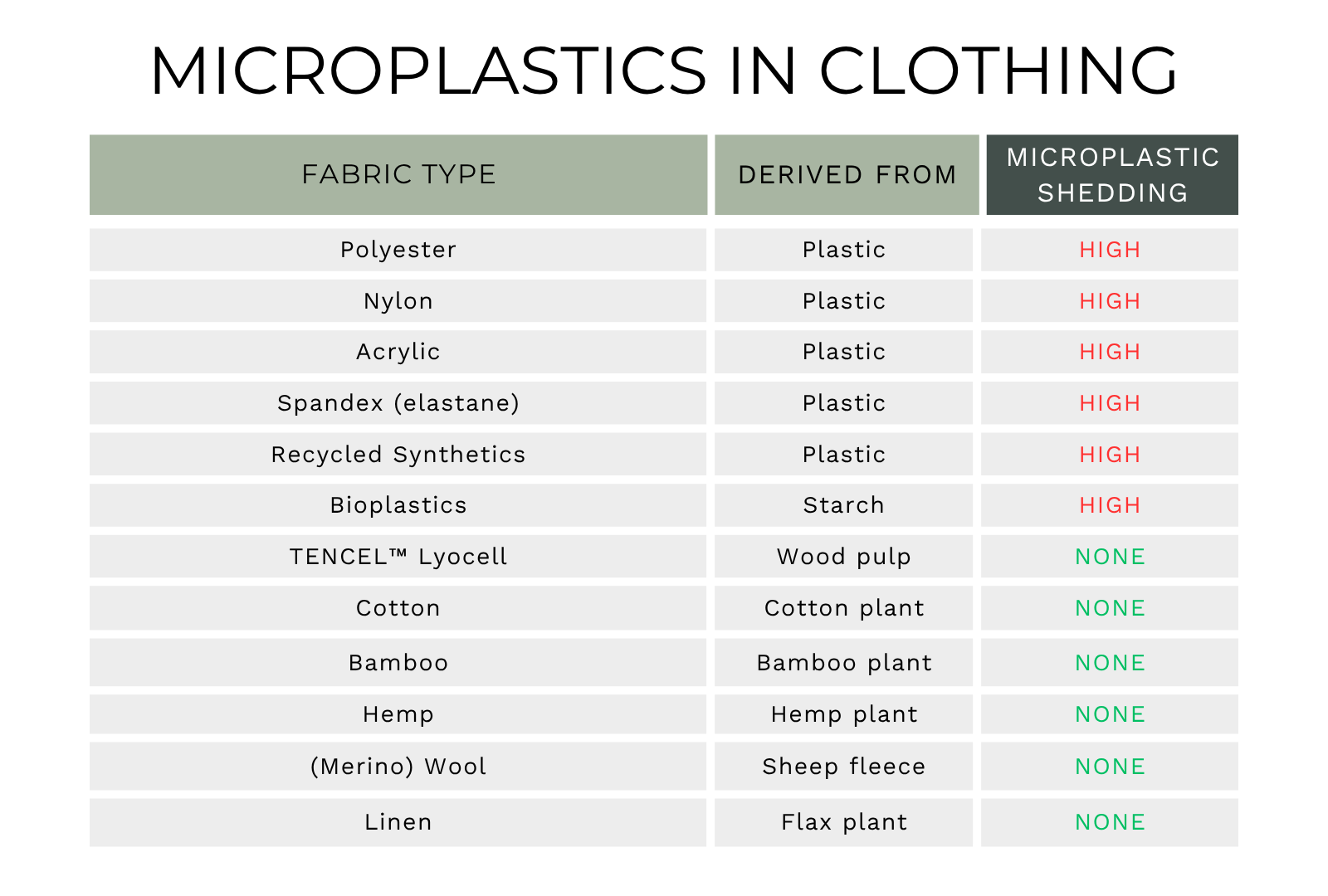
Have you ever wondered how long bacteria can live on your clothes? It’s a question that matters more than you might think.
Your clothes come into contact with many surfaces every day, and bacteria can cling to the fabric longer than you expect. Understanding this can help you protect your health and keep your wardrobe fresh. Keep reading to discover the surprising facts about bacteria survival on clothes—and learn simple steps you can take to stay safe.
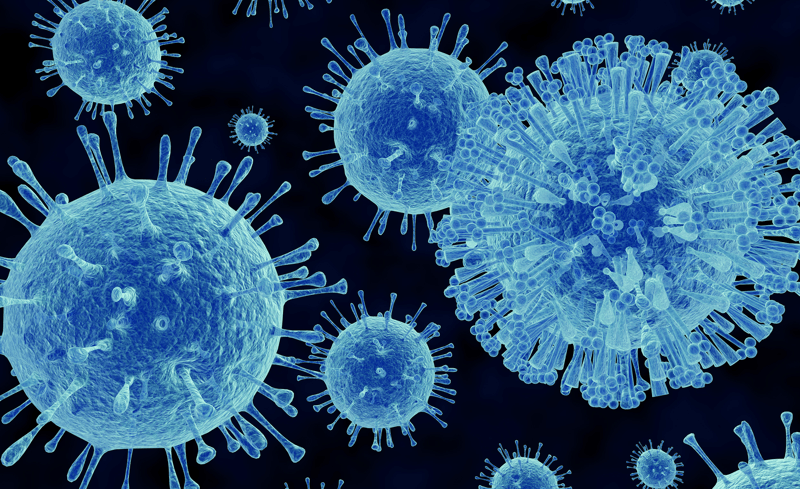
Credit: health.clevelandclinic.org
Factors Affecting Bacterial Survival
Bacteria survival on clothes depends on many factors. These factors influence how long germs stay alive and pose risks. Understanding them helps keep clothes cleaner and safer.
Type Of Fabric
Different fabrics hold bacteria differently. Natural fibers like cotton absorb moisture, helping bacteria live longer. Synthetic fabrics, such as polyester, often dry faster and may reduce bacterial survival. The weave and thickness also affect how bacteria stick and stay on the surface.
Environmental Conditions
Temperature and humidity play big roles in bacterial survival. Warm and moist environments help bacteria grow and survive longer. Dry and cool conditions tend to kill or weaken bacteria faster. Sunlight, especially UV rays, can also reduce bacteria on clothing quickly.
Type Of Bacteria
Not all bacteria behave the same on clothes. Some types survive longer, especially those that form spores. Others die quickly when exposed to air or drying. Harmful bacteria may last longer on damp fabrics, increasing infection risk.
Common Bacteria Found On Clothes
Clothes come into contact with many surfaces throughout your day, making them a hotspot for various bacteria. These tiny organisms can survive for hours or even days on fabric, depending on the type. Understanding the common bacteria found on clothes helps you take better care of your laundry and protect your health.
Staphylococcus
Staphylococcusbacteria are often found on skin and in nasal passages. They easily transfer to your clothes through sweat or skin contact. These bacteria can survive on fabric for several days, especially in warm, moist conditions.
Imagine wearing a workout shirt multiple times without washing; staph bacteria can build up and cause skin infections or irritations. Are you washing your gym clothes often enough to avoid this risk?
E. Coli
Escherichia coli, or E. coli, usually lives in the intestines but can contaminate clothes through contact with fecal matter. This bacteria can survive on fabric for up to 24 hours or more, depending on moisture and temperature.
Have you ever thought about how often your towels or underwear are washed? These are common carriers of E. coli, so frequent cleaning is essential to prevent stomach illnesses.
Salmonella
Salmonellabacteria come from contaminated food or surfaces and can cling to clothes. On dry fabrics, they can survive for several hours, but in damp conditions, their lifespan increases significantly.
If you handle raw meat and then touch your clothes, you might unknowingly carry salmonella with you. Do you have a habit of changing clothes immediately after cooking or cleaning to minimize this risk?
Duration Of Bacterial Survival
Bacteria can live on clothes for different lengths of time. The survival depends on the type of bacteria and the fabric. Some bacteria die quickly, while others last longer. Understanding this helps keep clothes clean and safe.
Short-term Survival
Many bacteria survive only a few hours on clothing. Sweat and body oils can help bacteria stay alive briefly. Warm and moist conditions increase their survival time. Bacteria like Staphylococcus aureus often last less than 24 hours. This short survival still poses a risk for skin infections.
Long-term Survival
Some bacteria can survive days or even weeks on fabrics. Dry and cool conditions slow down their death. Bacteria such as MRSA and E. coli can live longer on certain fibers. Rough or thick materials may protect bacteria better. This long survival makes washing clothes important to prevent illness.
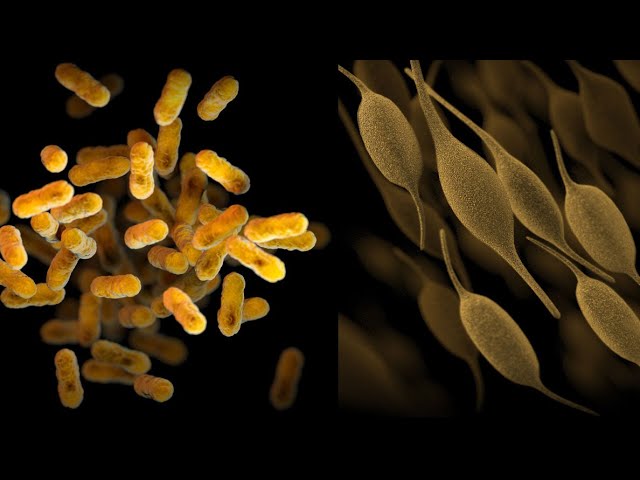
Credit: www.youtube.com
Health Risks Of Bacteria On Clothes
Bacteria on your clothes may seem harmless, but they can pose significant health risks. These tiny organisms can survive on fabric for hours or even days, creating an environment where infections and illnesses can take hold. Understanding the specific health risks can help you take smarter steps to keep your wardrobe—and your body—safe.
Skin Infections
Your skin is the first line of defense, but bacteria on clothes can break through it, causing irritation and infections. Common issues include rashes, folliculitis, and even more serious conditions like MRSA. If you’ve ever noticed redness or itching after wearing a particular outfit, bacteria could be the culprit.
Pay attention to clothes that stay damp, like workout gear or socks—they are prime breeding grounds for bacteria. Washing these items promptly can reduce your risk significantly.
Respiratory Issues
Bacteria trapped in fabric can release spores and particles you breathe in, potentially triggering respiratory problems. This is especially true if your clothes are exposed to mold or mildew. People with asthma or allergies may find their symptoms worsen after wearing contaminated clothing.
Have you noticed sneezing or coughing after putting on certain clothes? That might be a sign to wash your wardrobe more frequently and dry clothes thoroughly.
Gastrointestinal Problems
Surprisingly, bacteria on your clothes can also cause stomach issues. If you touch your mouth or food after handling contaminated fabric, you risk ingesting harmful bacteria like E. coli or Salmonella. These bacteria can cause nausea, vomiting, and diarrhea.
Keeping your hands clean and washing clothes that come in contact with food or bodily fluids can help protect you from these unpleasant illnesses.
Methods To Reduce Bacteria On Clothes
Reducing bacteria on your clothes is essential for maintaining hygiene and preventing infections. You can take several simple yet effective steps to ensure your garments stay fresh and safe. These methods not only kill bacteria but also help your clothes last longer.
Proper Washing Techniques
Washing clothes at the right temperature plays a big role in killing bacteria. Hot water, usually above 60°C (140°F), can eliminate most germs effectively. If your fabric can’t handle high heat, try longer wash cycles to improve cleaning power.
Separating heavily soiled clothes from lightly worn ones helps avoid spreading bacteria. Also, don’t overload the washing machine—clothes need space for water and detergent to reach every fiber. Have you noticed how your clothes feel fresher after a good wash? That’s because proper washing removes dirt and bacteria thoroughly.
Use Of Antibacterial Agents
Adding antibacterial laundry detergents or boosters can significantly reduce bacteria on your clothes. These products contain ingredients designed to kill germs and prevent their growth during and after washing. Look for options labeled safe for fabrics and effective against bacteria.
Natural alternatives like vinegar or tea tree oil can also work as antibacterial agents. Just add half a cup of white vinegar to your rinse cycle or a few drops of tea tree oil to your detergent. Have you tried these natural solutions? They often surprise people with their cleaning power without harsh chemicals.
Sunlight And Heat Exposure
Sunlight is a natural disinfectant that helps reduce bacteria on clothes when you dry them outside. UV rays break down bacterial cells and leave your clothes smelling fresh. Hanging clothes in direct sunlight for a few hours can boost cleanliness without extra effort.
Using a dryer on a high heat setting also kills bacteria effectively. Heat exposure from the dryer can reach temperatures that most bacteria cannot survive. Next time you dry your clothes, consider how sunlight or heat can enhance your efforts to keep bacteria away.
Myths And Facts About Bacteria And Clothing
Bacteria on clothing cause many questions and worries. People often mix facts with myths about germs on clothes. Understanding the truth helps keep you safe and your clothes fresh.
Clothes touch many surfaces and body parts. This contact can transfer bacteria to fabric. Not all bacteria survive long on clothes, but some do. Separating myths from facts helps you care for your clothes properly.
Misconceptions About Cleanliness
- Clean clothes mean no bacteria at all. This is not true; some bacteria remain after washing.
- Only dirty clothes carry germs. Even fresh clothes can have bacteria from the environment.
- Hot water kills all bacteria on clothes. Some bacteria resist heat and need proper detergent too.
- Drying clothes outside removes all germs. Sunlight helps but does not guarantee complete bacteria removal.
Scientific Insights
Bacteria survival depends on type, moisture, and fabric. Some bacteria live for hours, others for days on clothes.
Natural fibers like cotton hold moisture longer, allowing bacteria to survive more. Synthetic fabrics dry faster, reducing bacterial life.
Washing with detergent breaks down bacteria cell walls. Heat from washing or drying helps kill many germs.
Studies show bacteria numbers drop after washing but rarely reach zero. Proper hygiene and regular washing keep bacteria low.
Future Research Directions
Research on how long bacteria survive on clothes is still growing. Scientists want to understand more about factors that affect bacteria lifespan. This knowledge helps improve hygiene and prevent infections. Future studies will explore new areas to find better answers.
Exploring Different Fabric Types
Different fabrics may hold bacteria for varying times. Cotton, polyester, and blends could affect survival rates. Research will test many fabrics under various conditions. This will help people choose safer clothing materials.
Impact Of Environmental Conditions
Temperature, humidity, and light influence bacterial survival on clothes. Studies will focus on how these factors change bacteria lifespan. This can guide proper storage and care of clothes to reduce risks.
Role Of Laundry Methods
Washing techniques affect how well bacteria are removed. Future research will compare detergents, water temperature, and drying methods. Results will offer advice for better cleaning habits.
Understanding Different Bacterial Strains
Not all bacteria behave the same on fabrics. Some survive longer or resist cleaning better. Research will identify these differences to target harmful bacteria more effectively.
Development Of Antimicrobial Fabrics
Scientists aim to create fabrics that kill bacteria quickly. Future studies will test new materials and coatings. This will help reduce bacteria survival on everyday clothes.

Credit: rapidstdtesting.com
Frequently Asked Questions
How Long Do Bacteria Survive On Clothes Generally?
Bacteria can survive on clothes from a few hours to several days. Survival depends on bacteria type, fabric, and environment. Moisture and warmth increase their lifespan. Dry conditions reduce bacterial survival time significantly.
Which Fabrics Hold Bacteria The Longest?
Natural fibers like cotton absorb moisture and can harbor bacteria longer. Synthetic fabrics like polyester dry faster and usually hold fewer bacteria. However, bacteria can still cling to all fabric types under suitable conditions.
Can Washing Clothes Remove All Bacteria?
Washing with hot water and detergent kills most bacteria on clothes. Using bleach or disinfectants increases effectiveness. However, some bacteria may survive if washing conditions are too mild or water temperature is low.
Does Drying Method Affect Bacteria Survival On Clothes?
Yes, drying clothes in sunlight or high heat kills bacteria effectively. Air drying in shade or damp places allows bacteria to survive longer. Proper drying reduces bacterial presence significantly.
Conclusion
Bacteria can live on clothes for hours or even days. The type of bacteria and fabric affects how long they stay alive. Washing clothes well helps remove most germs and keeps you safe. Drying clothes completely also stops bacteria from growing.
Keep your laundry clean to protect your health every day. Simple habits make a big difference in fighting bacteria. Stay aware and handle clothes carefully to reduce risks. Clean clothes mean fewer germs around you and your family.


