
Have you ever wondered how long herpes can survive on your clothes? Knowing this can help you protect yourself and your loved ones from unexpected risks.
You might be surprised to learn that the virus doesn’t live forever on fabric, but understanding exactly how long it lasts can make a big difference in how you handle laundry and personal items. Keep reading to find out the facts and practical tips that can keep your clothes—and you—safe.
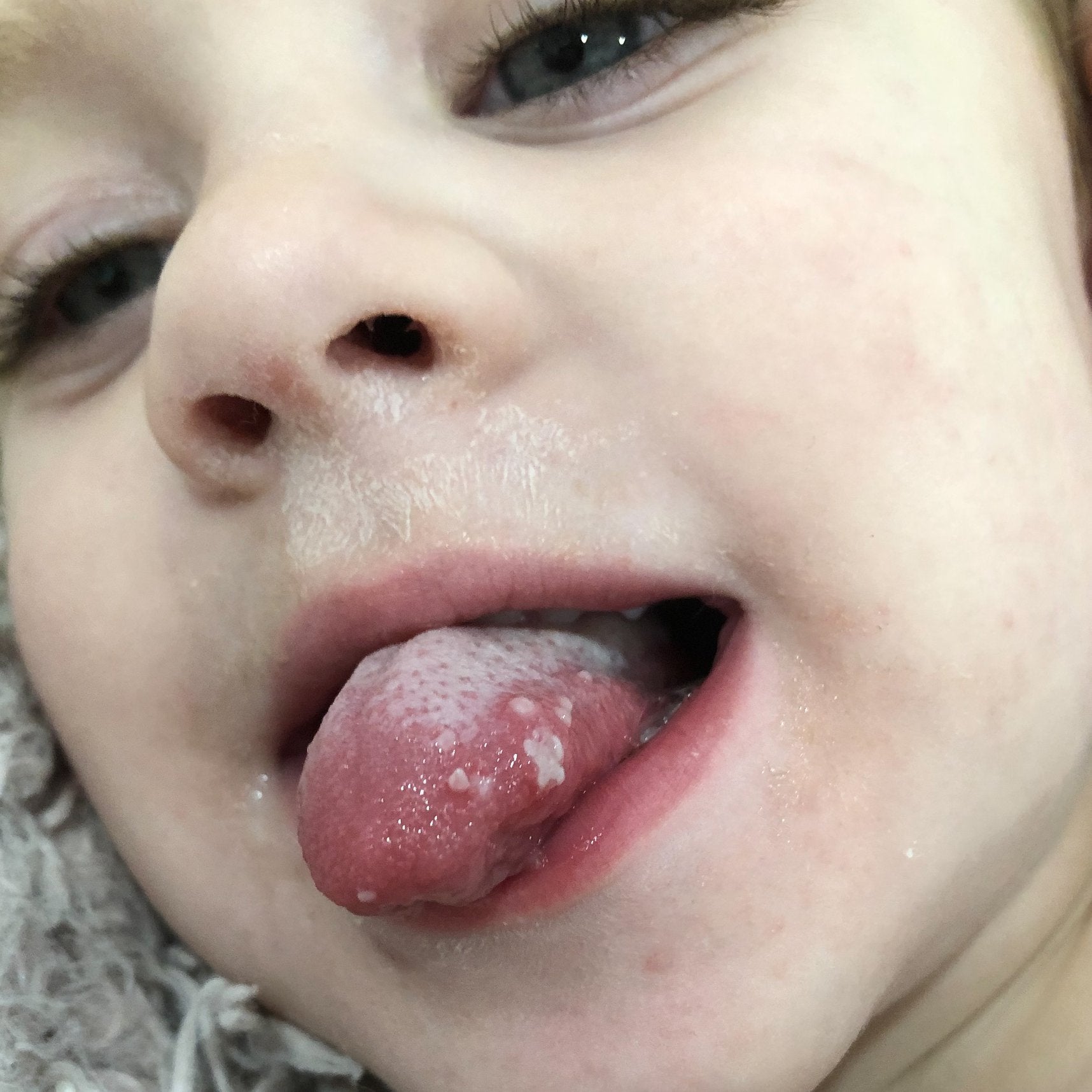
Credit: tinyhearts.com
Herpes Virus Basics
The herpes virus is a common infection that affects millions worldwide. Understanding its basics can help you protect yourself and others better. Knowing how long it survives on cloth is part of grasping how it spreads and lives outside the body.
Types Of Herpes Virus
There are several types of herpes viruses, but two stand out as the most common:
- Herpes Simplex Virus Type 1 (HSV-1):Usually causes cold sores around the mouth but can also affect the genital area.
- Herpes Simplex Virus Type 2 (HSV-2):Primarily responsible for genital herpes.
Both types can stay dormant in your body and reactivate later. You might not always see symptoms, but the virus can still spread. Have you ever wondered why cold sores sometimes appear out of nowhere?
Transmission Methods
The herpes virus spreads mainly through direct skin-to-skin contact. This includes kissing, sexual contact, or touching an infected area.
But can it spread through objects like cloth? The virus doesn’t survive long outside the body. It usually dies within a few hours on fabric because it needs moisture and warmth to stay alive.
Still, sharing towels or clothing with someone who has an active outbreak could carry some risk, especially if the fabric is damp. You might want to ask yourself how often you share personal items and consider if that’s a safe choice.
Survival On Surfaces
Understanding how long herpes virus can survive on surfaces is crucial, especially when it comes to fabrics and cloth. You might wonder if the virus can linger on your clothes or linens, posing a risk to others or yourself. The survival of herpes on surfaces depends on various factors that affect its ability to stay infectious.
Factors Influencing Longevity
Herpes virus survival on cloth is influenced by moisture, temperature, and the type of fabric. The virus thrives longer in moist environments but dies quickly when the surface dries out. Cooler temperatures tend to preserve the virus, while heat and sunlight reduce its lifespan.
Another key factor is how the virus is deposited. If it’s in body fluids like saliva or genital secretions, the moisture can help the virus survive longer on cloth. However, if the virus dries quickly, its ability to infect decreases sharply.
Common Surfaces And Materials
Not all cloth surfaces hold the virus equally. Smooth, non-porous materials like nylon or polyester may allow the virus to survive a bit longer compared to porous fabrics such as cotton or wool.
- Cotton:Dries quickly and absorbs moisture, which limits virus survival to a few hours.
- Silk and Satin:These hold moisture longer, potentially allowing the virus to survive up to 24 hours.
- Blended Fabrics:Survival time varies based on the blend but generally falls between cotton and synthetic materials.
Think about the last time you shared a towel or pillowcase. Were you aware that even brief contact with damp cloth could pose a risk? Taking simple steps like regular washing with hot water can reduce any potential danger.
Herpes On Cloth
Herpes virus can survive on cloth for some time but does not live long outside the body. Understanding how long the virus stays active on fabric helps reduce the risk of spreading. The survival depends on several factors, including the type of fabric and environmental conditions. The virus tends to lose strength quickly on soft, absorbent materials. This section explores how fabric type, temperature, and humidity affect herpes survival on cloth.
Impact Of Fabric Type
Different fabrics affect the virus survival differently. Smooth, non-absorbent fabrics like polyester keep the virus alive longer. The virus stays moist on these surfaces, allowing it to survive.
Absorbent fabrics such as cotton soak up moisture quickly. This drying effect reduces the virus’s lifespan. The virus dries out faster and becomes inactive.
- Synthetic fabrics: Longer virus survival due to less absorption
- Natural fabrics: Shorter virus survival because of quick drying
- Blended fabrics: Survival time varies based on material mix
Role Of Temperature And Humidity
Temperature plays a key role in herpes virus survival on cloth. Higher temperatures cause the virus to die faster. Heat dries out the virus and stops its activity.
Humidity also influences virus lifespan. Low humidity dries the virus quickly, reducing its survival. High humidity keeps the virus moist, helping it last longer.
| Condition | Effect on Virus Survival |
|---|---|
| High Temperature | Virus dies quickly |
| Low Temperature | Virus survives longer |
| Low Humidity | Virus dries and dies faster |
| High Humidity | Virus remains moist and survives longer |
Reducing Risk
Reducing the risk of herpes transmission through cloth involves careful handling and cleaning. The virus can survive on fabric for a limited time, so proper steps help lower the chance of spreading it. Simple habits and cleaning methods make a big difference.
Effective Cleaning Methods
Washing cloth in hot water kills the herpes virus effectively. Use water above 60°C (140°F) for best results. Laundry detergents help break down the virus’s outer layer.
Disinfectants like bleach can also be used for white or color-safe fabrics. Avoid sharing towels, bedding, or clothes with others to prevent spread. Drying in a hot dryer further reduces virus survival on fabric.
Preventive Measures
- Use separate towels and bedding during an outbreak.
- Wash hands thoroughly after touching infected areas.
- Change pillowcases and sheets regularly.
- Do not share personal items like clothing or towels.
- Keep wounds covered to avoid contaminating fabric.
These small actions limit the risk of passing herpes through cloth. Consistency is key to staying safe and healthy.
Myths And Facts
There’s a lot of talk about how long herpes can survive on cloth, but not everything you hear is true. Sorting myths from facts is crucial to understand real risks and how to protect yourself. Let’s clear up some common misconceptions and see what science really says.
Common Misconceptions
Many believe herpes can live on fabric for days, making every piece of clothing a potential threat. This idea often leads to unnecessary fear and over-cleaning. Some even think sharing towels or clothes will definitely spread herpes, but is that really the case?
Another myth is that the virus stays just as strong on cloth as it does on skin. People assume if the virus lands on fabric, it remains equally infectious for long periods. This misunderstanding can cause anxiety and avoidance behaviors that aren’t backed by facts.
Scientific Evidence
Research shows herpes simplex virus (HSV) doesn’t survive long on porous surfaces like cloth. The virus typically loses its ability to infect within a few hours once exposed to air and dry conditions. This means the risk of catching herpes from clothes is very low.
Studies using lab tests reveal that HSV prefers moist, warm environments to stay active. On dry fabric, the virus dries out quickly and becomes inactive. This explains why direct skin-to-skin contact is the primary way herpes spreads, not through clothes or towels.
- Herpes virus can survive up to a few hours on cloth under ideal conditions.
- Risk of transmission from fabric is minimal compared to direct contact.
- Washing clothes with regular detergent effectively removes the virus.
Have you ever wondered why you rarely hear about herpes spreading through laundry? This scientific insight should ease your concerns about everyday clothing and shared linens. Focusing on direct contact prevention is more effective than stressing over fabric survival.

Credit: tinyhearts.com
Expert Insights
Understanding how long herpes survives on cloth is important for safety. Experts share useful insights from medical and research fields. Their knowledge helps us grasp the risks and how to reduce them.
Medical Opinions
Doctors say herpes virus does not live long outside the body. On cloth, the virus usually survives only a few hours. Warm, moist conditions can help the virus last longer. Dry or hot environments cause it to die faster. Medical experts stress cleaning cloth items regularly to lower infection risk.
Research Findings
Studies show herpes virus survives less than 24 hours on fabric. Virus particles lose strength quickly on porous surfaces like cloth. Some research reveals survival time depends on virus amount and fabric type. Lab tests confirm the virus is weak on clothing. This means careful hygiene can prevent spreading through cloth.
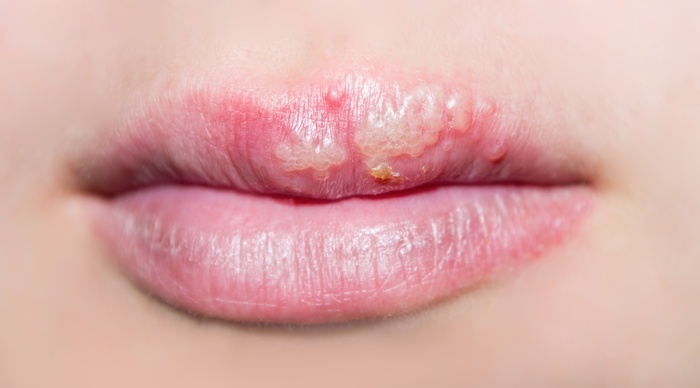
Credit: www.positivesingles.com
Frequently Asked Questions
How Long Can Herpes Virus Live On Cloth?
Herpes virus can survive on cloth for a few hours to several days. Survival depends on temperature, humidity, and virus strain. It loses infectivity quickly on dry surfaces. Proper washing with detergent usually eliminates the virus from fabric effectively.
Can Herpes Spread Through Shared Clothing?
Herpes transmission through shared clothing is very rare. The virus needs direct skin contact or mucous membranes to infect. Virus survival on cloth is short, and washing removes it. Avoid sharing intimate clothing to minimize any minimal risk.
How To Disinfect Cloth Contaminated With Herpes?
Wash contaminated cloth in hot water with detergent. Use bleach or disinfectants safe for fabric if needed. Drying in sunlight or high heat also helps kill the virus. Proper cleaning prevents any chance of herpes virus transmission via clothing.
Does Drying Cloth In Sunlight Kill Herpes Virus?
Yes, sunlight’s UV rays can reduce herpes virus survival on cloth. UV exposure damages the virus’s DNA, making it inactive. Sun drying combined with washing is an effective way to disinfect fabrics at home.
Conclusion
Herpes virus does not live long on cloth surfaces. It usually dies within a few hours. Keeping clothes clean helps reduce any risk. Washing fabrics with hot water removes the virus well. Avoid sharing towels or clothes to stay safe.
Understanding this helps you protect yourself better. Simple habits can make a big difference. Stay informed and practice good hygiene daily. This keeps you and others healthier.


