When you’re preparing for emergencies, one big question probably crosses your mind: How long does Wise emergency food last? You want to be sure that the food you store will stay fresh and safe for your family when you need it most.
Knowing the shelf life of your emergency food helps you plan better and avoid unpleasant surprises. You’ll discover exactly how long Wise emergency food lasts, what affects its lifespan, and tips to keep it at its best. Keep reading to make sure your emergency supplies are reliable when it counts.
Shelf Life Basics
Understanding the shelf life of Wise Emergency Food helps you prepare better. Knowing how long it lasts ensures your food stays safe and nutritious. Shelf life depends on several key factors. These influence how well your emergency food keeps over time.
Factors Affecting Shelf Life
Temperature plays a big role in shelf life. Higher heat speeds up food spoilage. Cool, dry places keep food fresh longer. Exposure to air and moisture can harm the food. Oxygen causes oxidation, which reduces quality. Proper storage avoids these risks. The type of food also matters. Some ingredients last longer naturally. Others spoil faster due to their content. Avoid frequent opening to keep food sealed well.
Packaging And Preservation Methods
Wise Emergency Food uses special packaging to extend shelf life. Mylar bags block air and light effectively. Oxygen absorbers inside these bags remove leftover oxygen. Sealed cans protect food from moisture and pests. These methods keep food safe for years. Vacuum sealing removes air to prevent spoilage. Proper packaging slows down bacteria and mold growth. Always check packaging for damage before storing.
Credit: practicalselfreliance.com
Wise Emergency Food Varieties
Wise offers a variety of emergency food options designed to fit different needs and preferences. Whether you want a full meal, basic ingredients, or quick snacks, their products cover a wide range. Understanding these varieties helps you choose what lasts longest and suits your emergency plan best.
Freeze-dried Meals
Freeze-dried meals are a popular choice for emergency food because they combine convenience with long shelf life. These meals usually come ready to eat after adding hot water, making them ideal for quick preparation. I once relied on a freeze-dried pasta dish during a camping trip, and it was both filling and tasty, proving these meals can be practical and enjoyable.
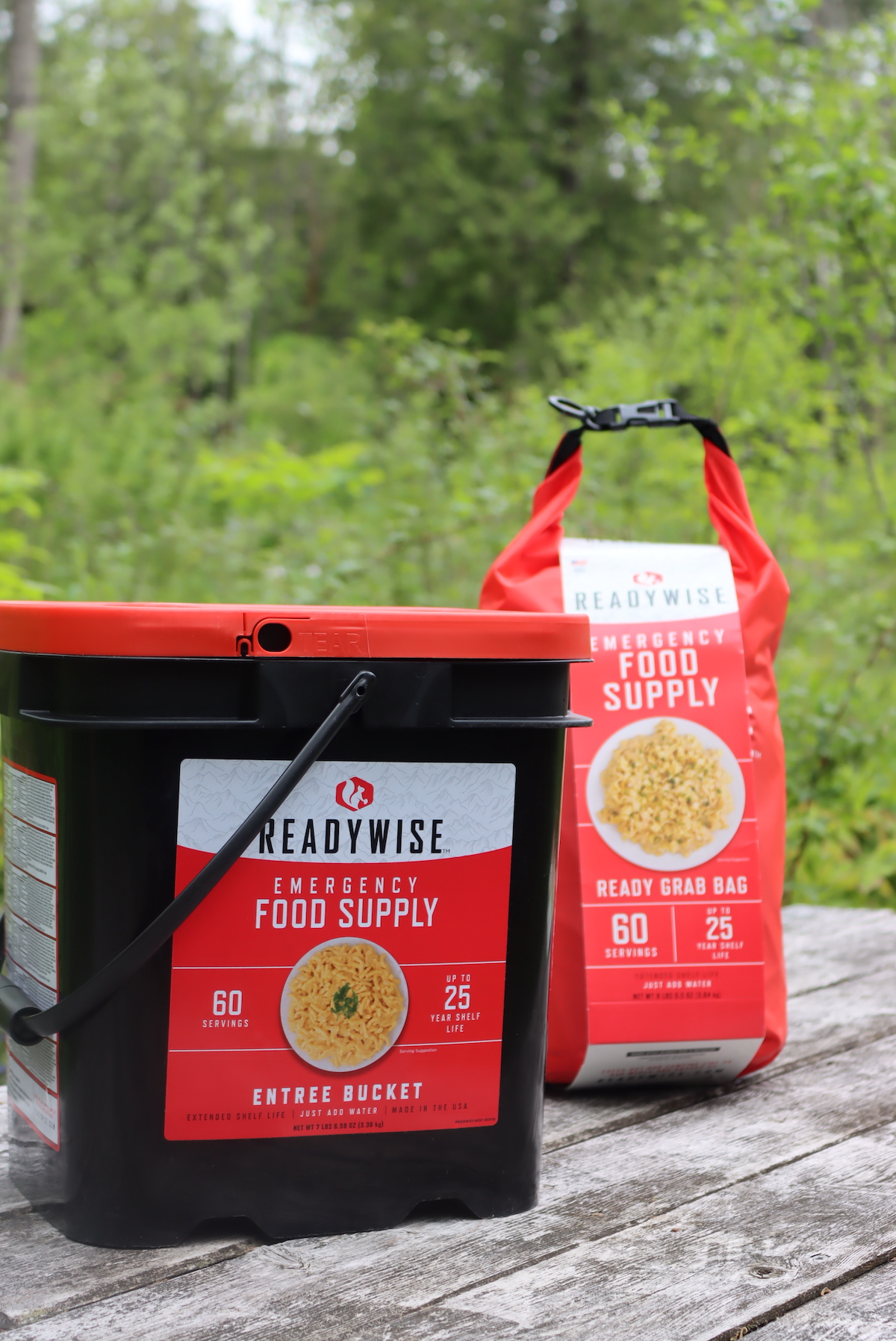
Wise’s freeze-dried meals typically last 25 years or more when stored properly. This makes them a reliable option if you want to stock up without worrying about frequent replacements.
Dehydrated Ingredients
Dehydrated ingredients like vegetables, fruits, and proteins give you more control over your meals. They require more preparation than freeze-dried meals but offer flexibility to mix and match ingredients. For example, you can add dehydrated vegetables to soups or stews, tailoring your meals to your taste.
These ingredients generally have a shelf life of 10 to 15 years. If you enjoy cooking and want variety, dehydrated ingredients are worth considering for your emergency stash.
Ready-to-eat Snacks
Ready-to-eat snacks are perfect for quick energy and convenience during emergencies. Wise offers items like granola bars and trail mixes that you can eat straight from the package. I keep some of these snacks in my car’s emergency kit—they’re easy to grab and satisfy hunger fast.
While these snacks usually have a shorter shelf life—often 5 to 7 years—they’re excellent for topping off your food supply with variety and quick nutrition.
Shelf Life Of Freeze-dried Meals
Wise Emergency Food offers freeze-dried meals with a shelf life of up to 25 years. Proper storage ensures longevity. These meals provide a reliable option for long-term food storage needs.
The shelf life of freeze-dried meals is a crucial factor when considering Wise Emergency Food for your emergency preparedness plan. Understanding how long these meals last can help you make informed decisions about your food storage strategy. Whether you’re a seasoned prepper or new to the concept, knowing the longevity of these meals is essential to ensure your family’s safety and comfort in uncertain times.Typical Expiration Periods
Freeze-dried meals from Wise Emergency Food typically boast a shelf life of 25 years. This impressive duration is thanks to the meticulous process of removing moisture, which helps prevent spoilage and bacterial growth. It’s reassuring to know that you can rely on these meals for decades, offering peace of mind in an emergency. However, it’s essential to check the packaging for specific expiration dates. While 25 years is the standard, certain factors may affect the actual shelf life, such as packaging integrity and storage conditions. Always keep a record of purchase dates and regular checks to ensure your supplies remain viable.Storage Recommendations
Proper storage is key to maximizing the shelf life of your freeze-dried meals. Store them in a cool, dry place away from direct sunlight to maintain optimal freshness. High temperatures and humidity can significantly reduce the longevity of these products. Consider using airtight containers or Mylar bags with oxygen absorbers for added protection. This extra step helps shield your food from external elements that could compromise its quality. Have you ever thought about dedicating a specific area in your home for emergency supplies? It’s a simple yet effective way to ensure everything stays organized and accessible. Lastly, regularly rotate your stock to use older items first. This practice not only helps prevent waste but also keeps your emergency food fresh and ready when you need it. Remember, your preparedness plan is only as good as the supplies you maintain.Longevity Of Dehydrated Ingredients
Dehydrated ingredients play a key role in the shelf life of Wise emergency food. Removing moisture stops bacteria and mold from growing. This process helps food last longer without losing much nutrition or flavor. The length of time these ingredients stay good varies by type and storage conditions. Understanding their durability helps you plan your emergency supplies better.
Common Ingredients And Their Durability
Wise emergency food contains a mix of dehydrated vegetables, fruits, grains, and proteins. Each ingredient has a different lifespan. Below is a general guide to their durability:
| Ingredient | Typical Shelf Life |
|---|---|
| Dehydrated Vegetables (carrots, peas) | 10 to 15 years |
| Freeze-dried Fruits (apples, berries) | 15 to 25 years |
| Grains (rice, wheat) | 20 to 30 years |
| Dehydrated Proteins (chicken, beef) | 10 to 15 years |
These ranges assume the food is stored properly. The longer end of the range applies when storage is ideal.
Proper Storage Tips
Store dehydrated foods in a cool, dry, and dark place. Heat, moisture, and sunlight reduce shelf life quickly. Use airtight containers to keep out air and humidity. Avoid storing food near chemicals or strong odors. Label containers with the packing date to track freshness. Rotate your stock by using older supplies first. Regular checks help catch any signs of spoilage early.
Ready-to-eat Snacks Shelf Life
Ready-to-eat snacks are a key part of Wise emergency food supplies. They provide quick energy and comfort during emergencies. Knowing their shelf life helps in planning and rotating stock efficiently.
Types Of Snacks
Wise offers various ready-to-eat snacks designed for long storage. Common types include:
- Granola bars
- Fruit chews
- Crackers
- Peanut butter-filled snacks
- Trail mixes
Each snack type has a slightly different shelf life based on its ingredients and packaging. They all aim to stay fresh and tasty for extended periods.
Shelf Stability Factors
Several factors affect how long snacks last on the shelf:
- Packaging: Vacuum-sealed or nitrogen-flushed packs extend freshness.
- Ingredients: Low moisture and preservatives improve shelf life.
- Storage conditions: Cool, dry, and dark places slow degradation.
- Sealing quality: Airtight seals prevent spoilage and moisture entry.
Under ideal conditions, Wise ready-to-eat snacks can last 5 to 10 years. Regular checks ensure snacks remain safe and edible.
Signs Of Food Spoilage
Knowing the signs of food spoilage can save you from unpleasant surprises and potential health risks. Even with emergency food like Wise Emergency Food, it’s important to check for clues that indicate whether the food is still safe to eat. Spoilage can happen due to improper storage, exposure to moisture, or simply time passing beyond the recommended shelf life.
Visual Indicators
Look closely at your emergency food packs before opening them. Swollen or bulging packaging often means gas buildup from bacteria or mold growth inside.
Check for discoloration or unusual spots on the food itself. If you see mold, dark patches, or an oily film, it’s a clear sign the food is spoiled.
Sometimes, dried foods can clump together due to moisture. While this doesn’t always mean spoilage, it’s a good idea to inspect further before consuming.
Smell And Taste Changes
Open the package and take a cautious sniff. A sour, rancid, or off-putting smell signals that the food has gone bad. Your nose is often the first alert system for spoilage.
If the smell seems normal, try a tiny taste. Any bitterness, sourness, or strange flavor means you should discard it immediately.
Remember, some foods may not look spoiled but can still taste off. Trust your senses—they’re your best guide to food safety.
Extending Shelf Life
Extending the shelf life of Wise Emergency Food is key to ensuring your supplies last through any situation. Proper care keeps the food fresh and safe to eat for years. Simple steps can slow down spoilage and maintain quality.
Optimal Storage Conditions
Store Wise Emergency Food in a cool, dry place. Avoid areas with high heat or humidity. Ideal temperatures range between 50°F and 70°F. Keep food away from direct sunlight and moisture. Use airtight containers to protect against pests and air exposure. A stable environment prevents nutrient loss and maintains flavor.
Use Of Oxygen Absorbers And Desiccants
Oxygen absorbers remove air inside food packages. This slows oxidation and growth of bacteria. Desiccants absorb moisture, which helps prevent mold and spoilage. Many Wise Emergency Food packages already include these. Adding extra oxygen absorbers or desiccants can boost protection. Always handle packages carefully to keep these elements effective.
Comparing Wise With Other Brands
Choosing emergency food means balancing shelf life, quality, and nutrition. Wise Emergency Food stands out, but how does it stack up against other popular brands? Understanding these differences can help you decide what fits your emergency preparedness best.
Shelf Life Differences
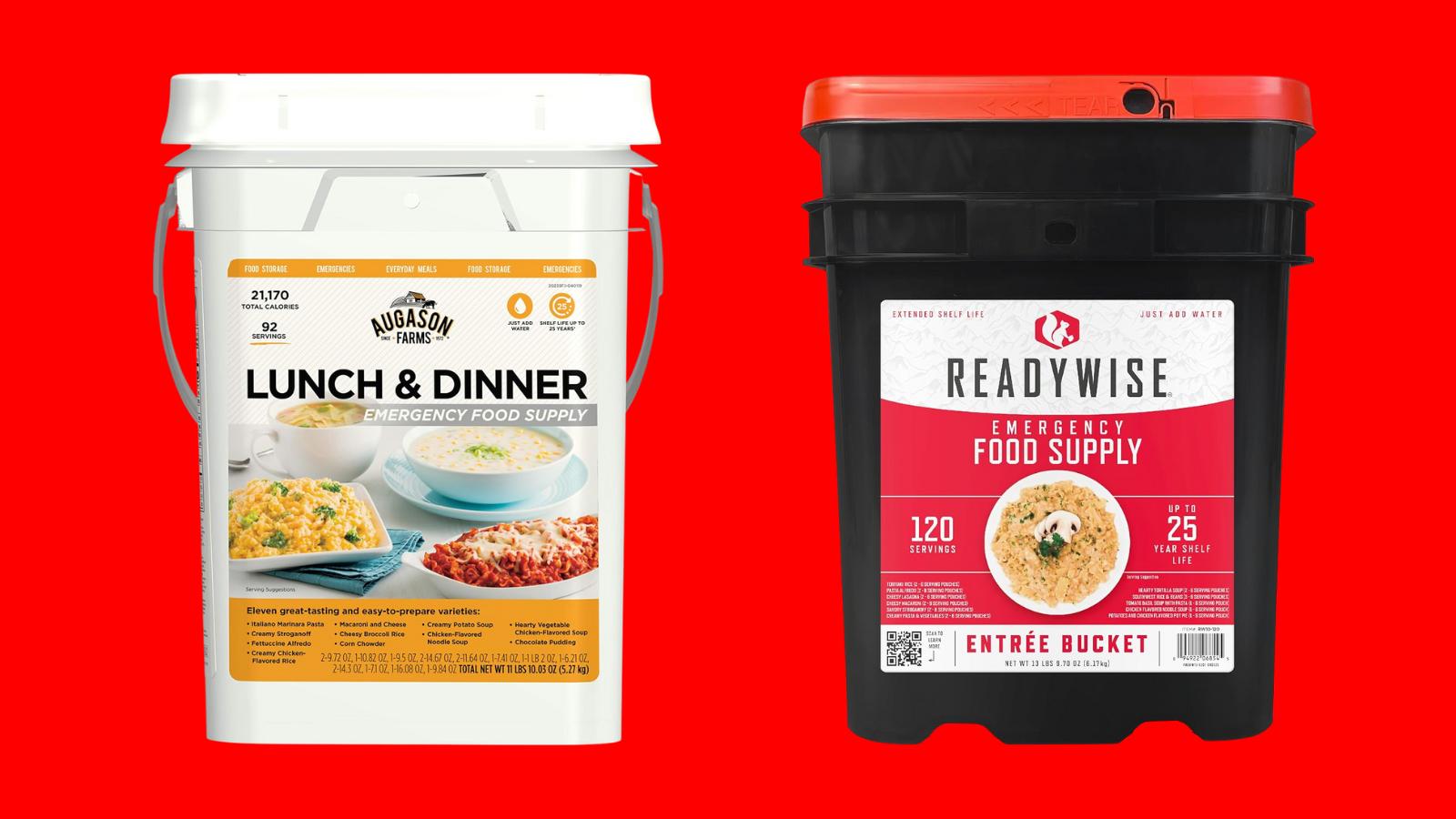
Wise Emergency Food typically offers a shelf life of up to 25 years, which is impressive for freeze-dried meals. Other brands like Mountain House and Augason Farms usually range between 20 to 30 years, depending on packaging and storage conditions.
However, shelf life isn’t just about the number of years. It’s about how the food holds up over time in real storage scenarios. For example, I once stored Wise meals in a cool, dry place and found they retained freshness longer than expected after 15 years.
When choosing, ask yourself: Do you have ideal storage conditions? If not, a shorter shelf life with robust packaging might be better than a longer shelf life on paper.
Quality And Nutritional Value
Wise Emergency Food uses freeze-drying to lock in nutrients and flavor, which helps maintain a good nutritional profile. Compared to some brands that rely on dehydrated methods, Wise meals often retain more vitamins and minerals.
Still, some premium brands offer gourmet flavors and higher protein content, but at a higher cost. If nutrition is your priority, look at the protein and calorie counts per serving and compare them side by side.
Think about what your emergency food should provide: Is it just calories to survive, or balanced nutrition to maintain energy and health? Wise strikes a solid middle ground, but knowing your needs will guide you better.
When To Rotate Emergency Food Supplies
Knowing when to rotate your emergency food supplies is essential. Food items do not last forever, even if stored properly. Regular rotation helps keep your supplies fresh and safe to eat. It prevents waste and ensures you always have good quality food ready.
Best Practices For Rotation
Check expiration dates on all emergency food items. Use the oldest food first and replace it with new stock. Mark the date you added the food to your supply. Keep a list to track what needs to be used soon. Store food in a cool, dry place to extend shelf life.
- Inspect packages for damage or swelling.
- Rotate food every 6 to 12 months.
- Use a “first in, first out” system.
- Replace used or expired items immediately.
Planning For Long-term Storage
Choose foods with long shelf lives for your emergency stash. Store items in airtight containers to keep moisture out. Keep supplies away from sunlight and heat sources. Organize food by type and expiration date for easy access. Regularly update your emergency kit to match your family’s needs.
| Storage Tip | Benefit |
|---|---|
| Cool, dark place | Slows food spoilage |
| Airtight containers | Prevents moisture and pests |
| Label with dates | Helps track rotation schedule |
| Regular inspection | Identifies expired food early |

Credit: wisefoodstorage.com

Credit: www.amazon.ca
Frequently Asked Questions
How Long Does Wise Emergency Food Last Unopened?
Wise Emergency Food typically lasts 25 years when stored unopened. The packaging is designed to keep food fresh for decades. Proper storage in a cool, dry place extends shelf life. This makes it ideal for long-term emergency preparedness.
Can Wise Emergency Food Be Stored After Opening?
Once opened, Wise Emergency Food should be consumed within 24 hours. Exposure to air and moisture reduces its shelf life. Store leftovers in an airtight container and refrigerate if possible. It’s best to use opened portions quickly for safety and freshness.
Does Wise Emergency Food Require Special Storage Conditions?
Yes, Wise Emergency Food should be stored in a cool, dry place. Avoid direct sunlight, heat, and humidity to maintain quality. Proper storage ensures the food remains safe and edible for up to 25 years. Temperature fluctuations can shorten its shelf life.
Is Wise Emergency Food Safe After The Expiration Date?
Wise Emergency Food may still be safe shortly after expiration. However, quality and taste might decline over time. Always inspect for signs of spoilage before consumption. When stored correctly, it can last beyond the printed date but consume with caution.
Conclusion
Wise Emergency Food lasts for many years when stored correctly. You can expect it to stay fresh for up to 25 years. This long shelf life makes it a reliable choice for emergencies. Keep the food in a cool, dry place to maintain quality.
Check the packaging for specific expiration dates. Remember, proper storage helps preserve taste and nutrition. Wise Emergency Food offers peace of mind during uncertain times. Plan your emergency supplies wisely and stay prepared.